Location
Mount Vernon, WA 98274

Location
Mount Vernon, WA 98274
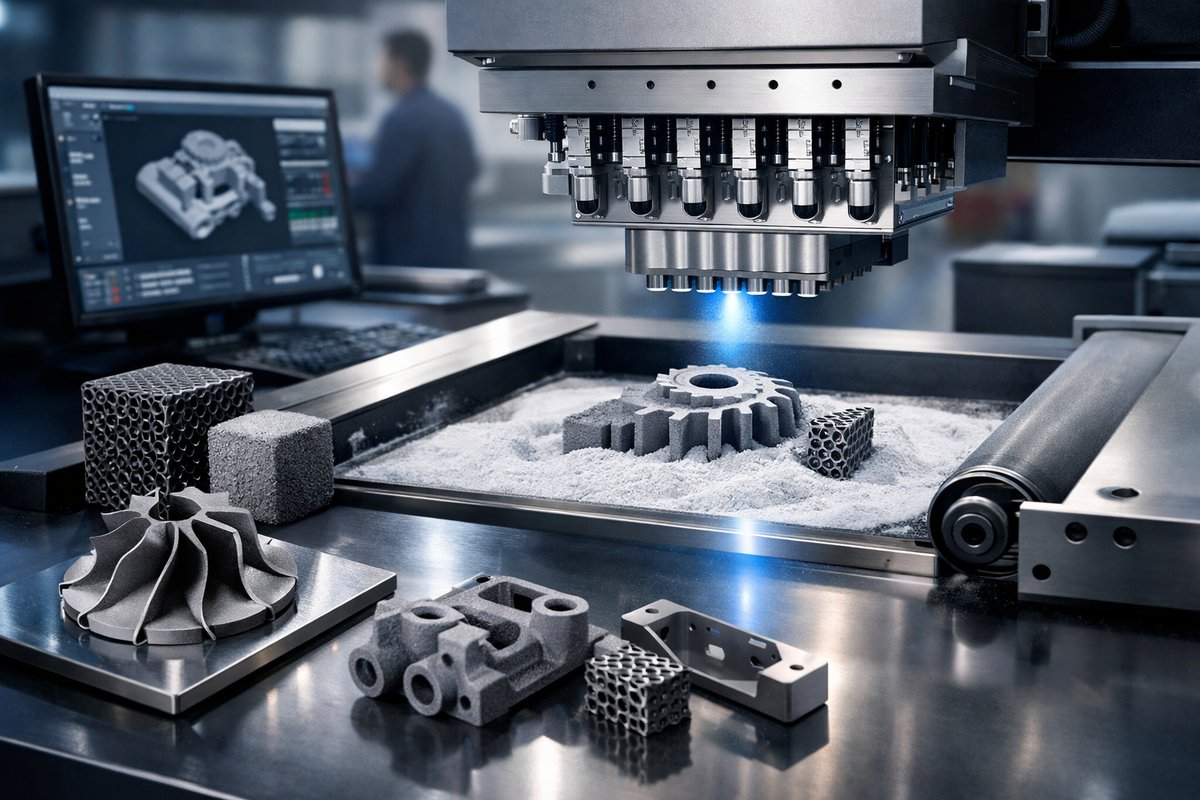
Binder jetting is a compelling additive manufacturing technique that combines speed, versatility, and cost-effectiveness. This guide explores how binder jetting works, the essential components involved, and how you can integrate this technology into your fabrication workflow to create complex, durable parts with remarkable efficiency.
Additive manufacturing has revolutionized how we conceive and create objects, moving beyond the constraints of traditional subtractive methods. Among the many additive techniques available today, binder jetting stands out for its unique approach to building parts layer by layer using a liquid binding agent. This method offers a blend of precision, speed, and material flexibility that makes it attractive for both prototyping and production.
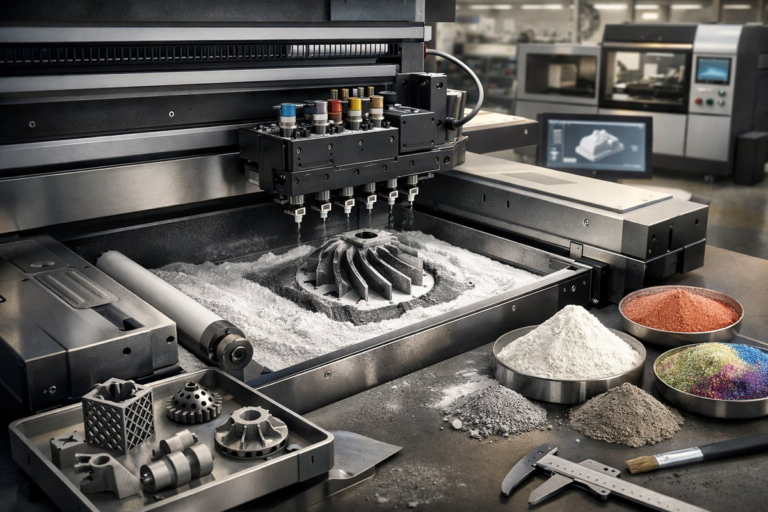
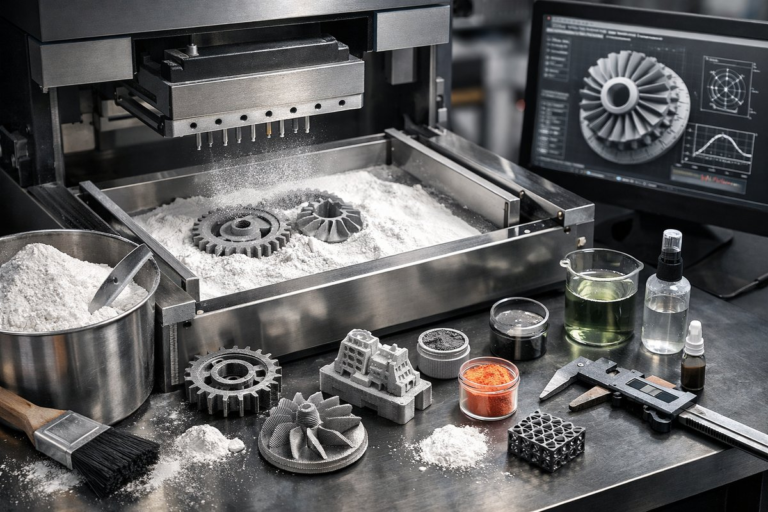
Understanding binder jetting requires a look at its fundamental process. Instead of melting or fusing material with lasers or heat, binder jetting deposits a liquid binder selectively onto thin layers of powdered material-such as metal, sand, or ceramics. Each layer of powder is spread evenly across the build platform by a roller or blade, and the print head jets binder droplets onto the areas that form the cross-section of the part. After one layer is bound, a new layer of powder is spread, and the process repeats, gradually building the object from the bottom up.
One of the key advantages of binder jetting is its ability to work with a wide range of materials without the thermal stresses associated with melting processes. This makes it ideal for producing complex geometries and intricate internal structures that are difficult or impossible to achieve with subtractive manufacturing or other additive methods. Furthermore, because the powder bed supports the part during printing, there is minimal need for additional support structures, reducing post-processing time.
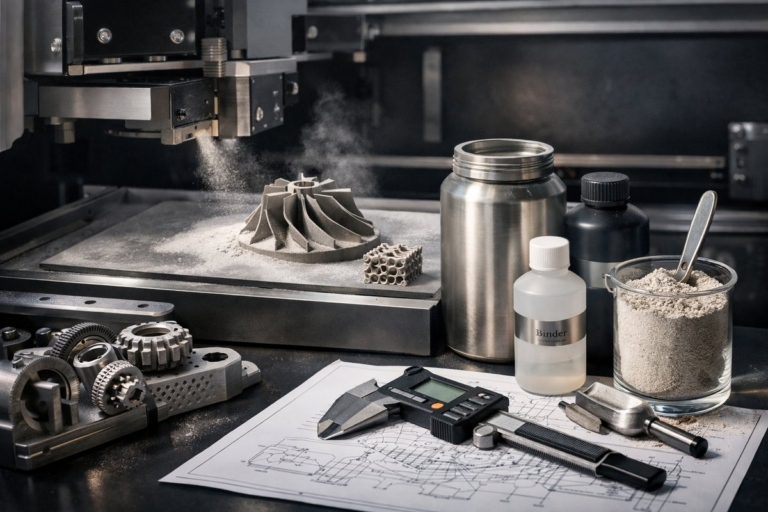
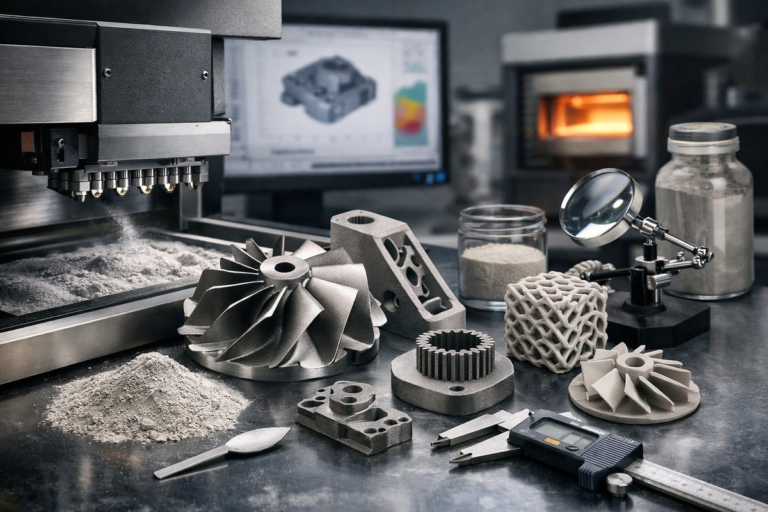
To get started with binder jetting, you will need several essential components and tools. The core of the system is the binder jetting printer itself, which integrates a precise powder delivery mechanism, a high-resolution print head for binder deposition, and a controlled environment to maintain powder quality. For users interested in metal parts, a post-processing furnace is necessary to sinter or infiltrate the printed green parts, enhancing their mechanical properties and durability.
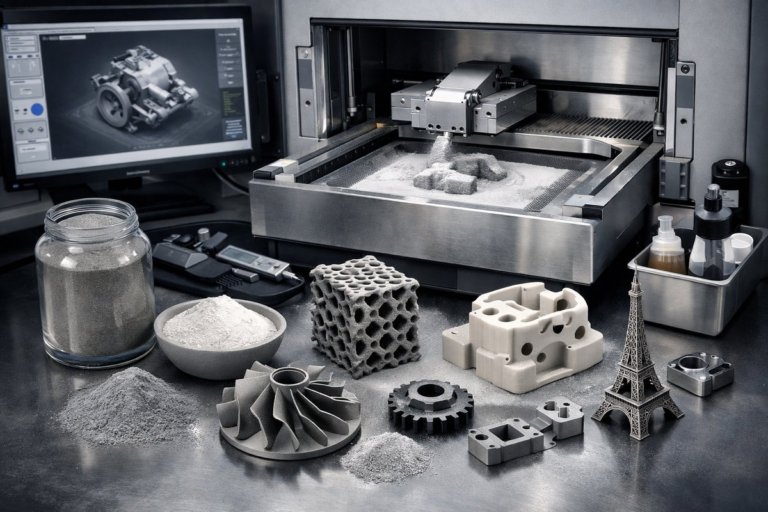
Material selection is another crucial factor. Common powders include stainless steel, bronze, sand, and ceramics, each suited to different applications. Metal powders typically require fine particle sizes for better resolution, while sand powders can be coarser, suitable for casting molds or architectural models. The binder formulation must be compatible with the powder and the intended post-processing method to ensure part integrity.
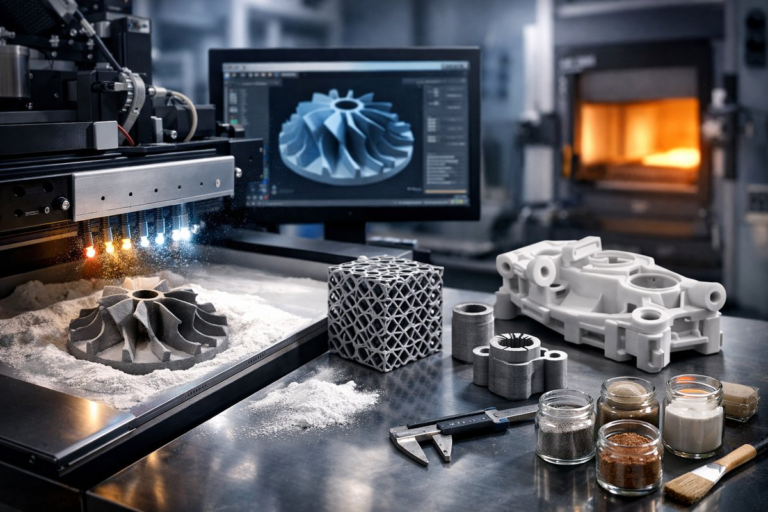
Operating a binder jetting machine involves a few critical steps. First, digital 3D models must be prepared and sliced into thin layers using specialized software. The slicing software translates the model into instructions for the print head, defining where the binder will be deposited. Once printing begins, monitoring layer deposition and powder spreading is essential to maintain consistency and prevent defects.
After printing, the parts-often referred to as ‘green parts’-are fragile and require careful handling. Post-processing typically involves curing the binder to strengthen the part, followed by sintering in a furnace to fuse the powder particles into a solid mass. Some applications may also use infiltration, where a secondary metal is introduced to fill pores and enhance strength. These steps are vital for achieving the desired mechanical properties and surface finish.
Incorporating binder jetting into your workflow can expand your manufacturing capabilities significantly. It excels in producing complex, lightweight structures, functional prototypes, and small to medium production runs. Industries such as aerospace, automotive, and medical devices have adopted binder jetting for its ability to reduce lead times and material waste.
For hobbyists and small businesses, desktop-scale binder jetting printers are becoming more accessible, allowing exploration of this technology without the need for industrial setups. However, understanding the nuances of powder handling, binder chemistry, and post-processing remains essential to unlock the full potential of binder jetting.
Safety considerations are paramount when working with fine powders and binders. Proper ventilation, dust collection, and personal protective equipment (PPE) help mitigate risks associated with inhalation and flammability. Additionally, careful storage and handling of powders prevent contamination and degradation, ensuring consistent print quality.
To maximize success with binder jetting, consider the following practical tips: start with simple geometries to familiarize yourself with machine parameters; experiment with different powders and binders to find optimal combinations; invest time in mastering slicing software and print preparation; and develop a reliable post-processing routine to enhance part strength and finish.
Binder jetting represents a fascinating intersection of precision and speed in additive manufacturing. By selectively binding powder layers without heat, it opens pathways to new designs and applications that challenge traditional fabrication limits. Whether you are an engineer seeking rapid prototyping solutions or a maker eager to explore advanced manufacturing, binder jetting offers a compelling avenue to bring your ideas to life.
Exploring this technique can deepen your appreciation for the delicate balance of forces at play in additive manufacturing-the careful layering, the interplay of materials, and the transformation from powder to purpose. With patience and practice, binder jetting can become a powerful tool in your creative and production arsenal, enabling you to craft objects that are as intricate as they are functional.