Location
Mount Vernon, WA 98274

Location
Mount Vernon, WA 98274
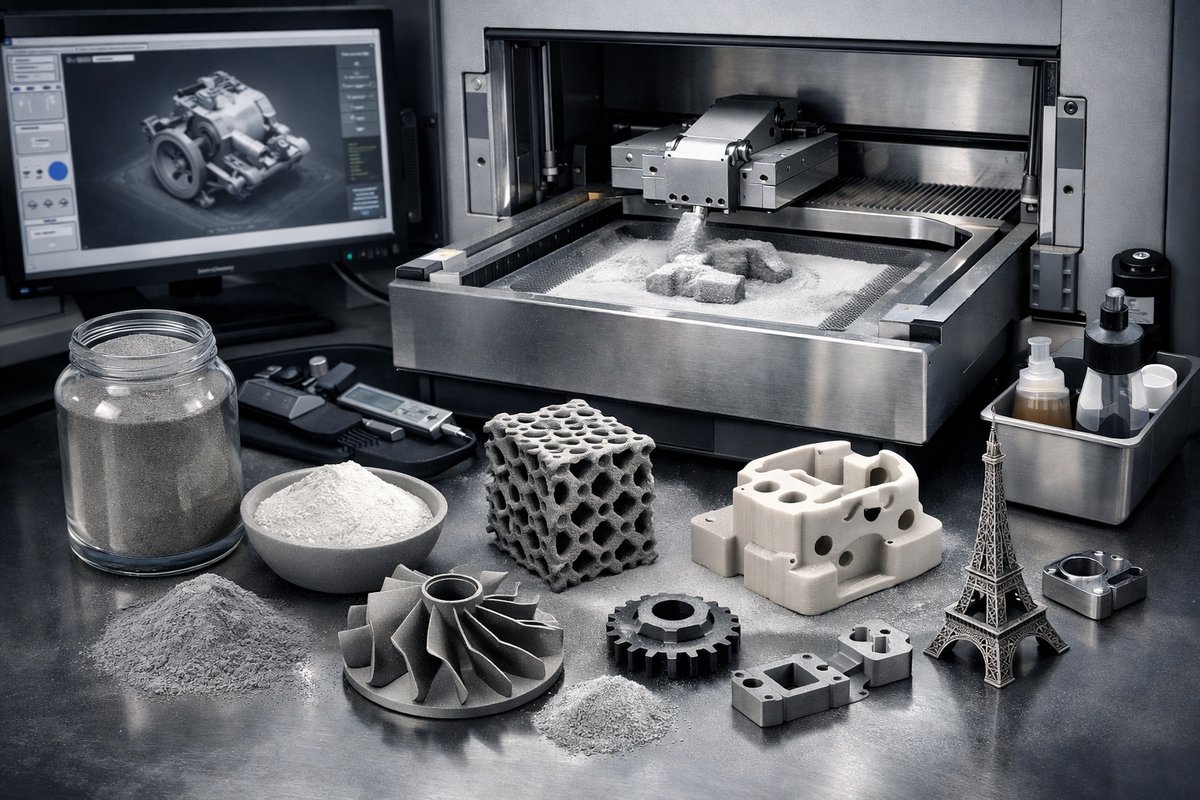
Binder jetting is an additive manufacturing technique that combines precision layering with the versatility of metal and ceramic powders. This guide explores the process in detail, highlighting essential tools and components to help you achieve high-quality prints. Whether you're a curious hobbyist or a professional, understanding binder jetting opens new doors for creative and functional manufacturing.
Additive manufacturing has revolutionized how we think about fabricating objects, shifting from subtractive approaches to building up layers of material with exacting control. Among the many additive techniques, binder jetting stands out for its ability to produce complex metal and ceramic parts without the high thermal stresses typical of other methods. This guide will walk you through the binder jetting process, the tools and materials involved, and practical tips to get started on your own projects.
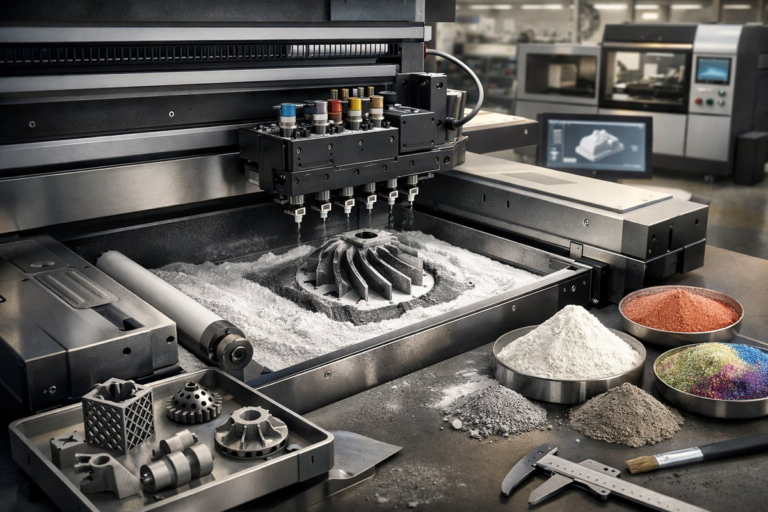
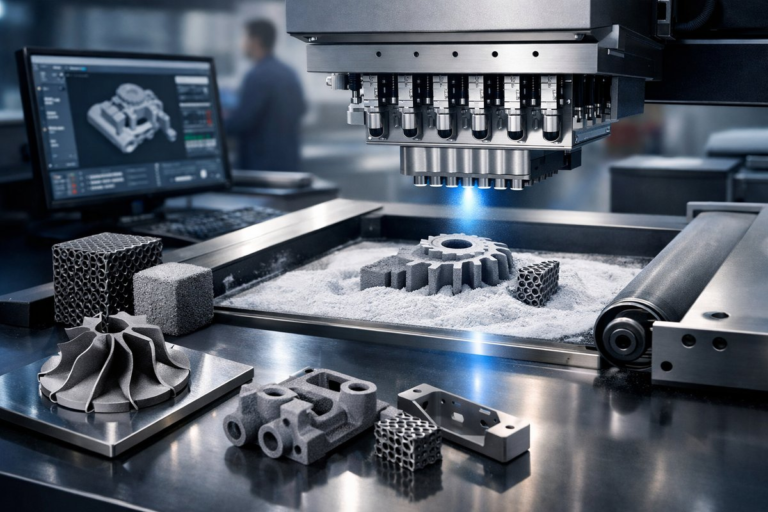
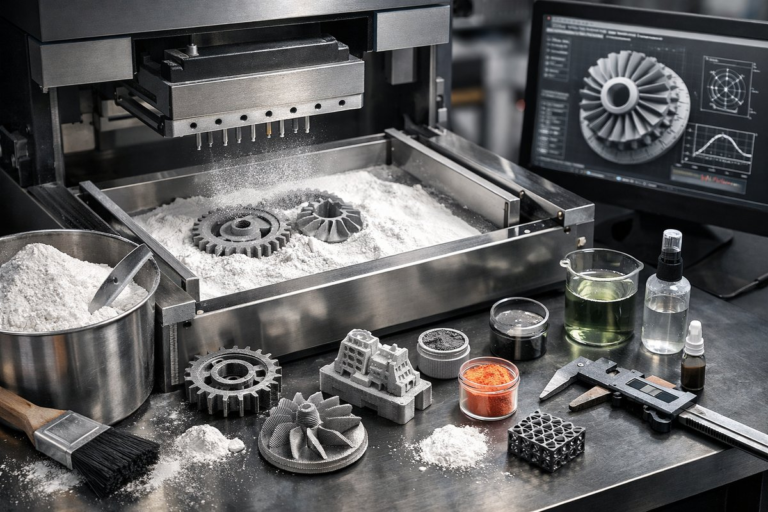
Binder jetting operates by depositing a liquid binding agent selectively onto a thin layer of powdered material-commonly metals like stainless steel, or ceramics such as alumina. The binder acts like a glue, adhering the powder particles together in the desired shape. Once a layer is complete, the powder bed lowers, and a new layer of powder spreads across the surface, repeating the process until the object is fully formed. This approach allows for rapid production of parts with intricate geometries and minimal residual stress.
One of the key advantages of binder jetting over other metal additive manufacturing methods is that it doesn’t require a high-energy laser or electron beam to melt the material during printing. Instead, the printed “green” part undergoes a post-process sintering step where heat fuses the particles together, resulting in a dense, strong component. This two-step approach reduces warping and distortion, making binder jetting especially suitable for complex, thin-walled structures.
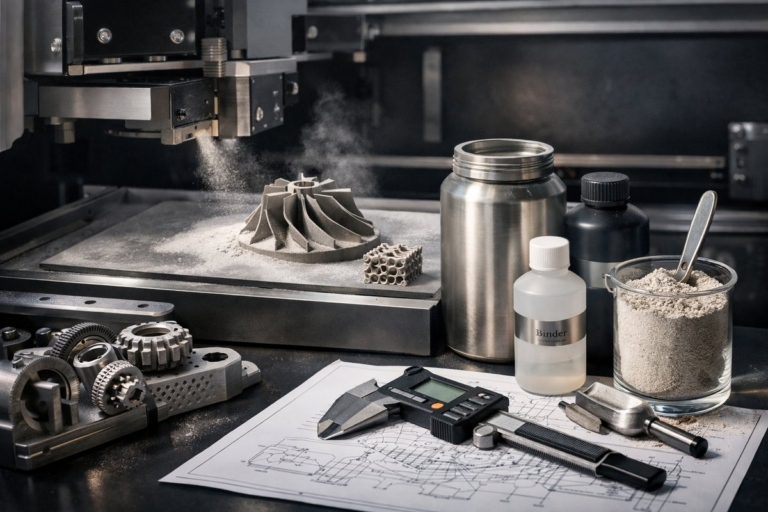
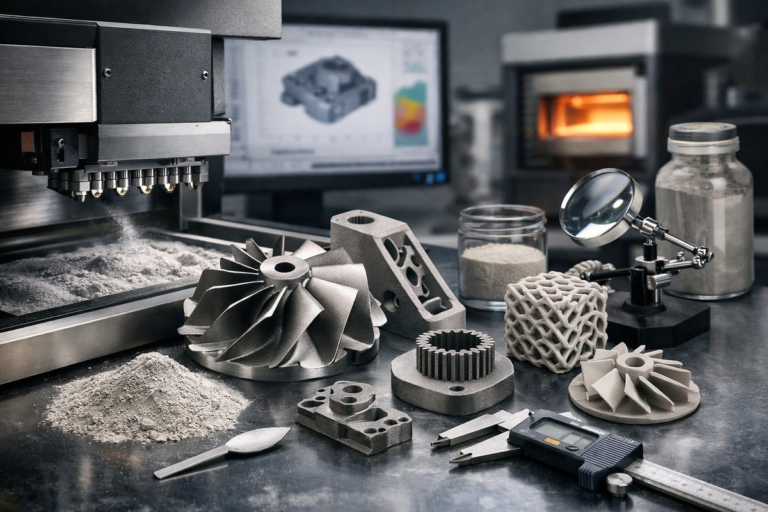
To embark on binder jetting, you’ll need access to a specialized 3D printer designed for this technique. These printers typically feature a powder delivery system, a recoater blade or roller to spread powder layers evenly, and an inkjet print head that deposits the binder precisely. Understanding the printer’s mechanics is essential for troubleshooting and optimizing print quality.
Material selection is equally critical. Metal powders for binder jetting must have specific particle size distributions and flow characteristics to ensure smooth layering and uniform density. Commonly used powders include stainless steel, bronze, and tool steels, while ceramics like zirconia and alumina offer high-temperature resistance and wear properties. Handling these powders requires care, including proper ventilation and protective equipment, due to their fine particulate nature.
The binder itself is typically a water-based or solvent-based polymer solution formulated to provide strong adhesion without compromising the powder’s sintering behavior. Some advanced binders also include additives to improve green part strength or facilitate debinding-the removal of binder before sintering.
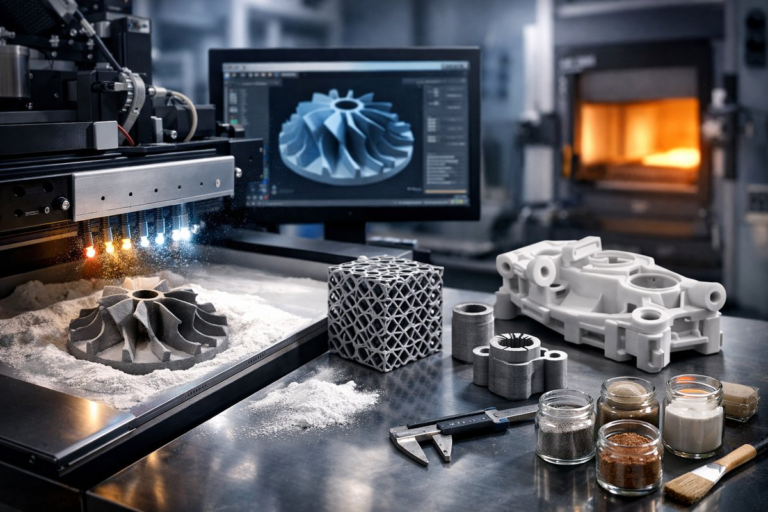
Post-processing steps are crucial to transform the fragile green part into a durable final product. After printing, the part undergoes drying to solidify the binder, followed by a debinding phase where the binder is thermally or chemically removed. Finally, sintering in a high-temperature furnace fuses the powder particles, densifying the part to achieve mechanical strength comparable to wrought materials.
To achieve the best results, attention to detail during each stage is vital. Calibration of the powder spreading mechanism ensures consistent layer thickness, while optimizing binder saturation prevents defects such as oversaturation or insufficient adhesion. Monitoring environmental conditions like humidity and temperature can also impact print quality.
Incorporating computer-aided design (CAD) software tailored for additive manufacturing allows you to design parts that leverage binder jetting’s strengths. Features like internal channels, lattice structures, and complex assemblies become feasible without added machining steps.
The versatility of binder jetting opens doors to applications in aerospace, automotive, medical implants, and even art installations. Its ability to produce functional metal and ceramic components with reduced lead times and material waste aligns well with sustainable manufacturing goals.
For those ready to explore binder jetting, starting with small-scale projects and standard powders can build familiarity before moving to custom materials or larger builds. Online communities and manufacturer resources provide valuable insights and troubleshooting advice.
In summary, binder jetting is a compelling additive manufacturing technique that balances precision, material diversity, and post-processing flexibility. By understanding the interplay of powders, binders, equipment, and thermal treatments, you can unlock new creative and functional possibilities. Whether your goal is prototyping or end-use production, binder jetting offers a pathway to produce intricate, high-quality parts with a unique approach to building from the ground up.