Location
Mount Vernon, WA 98274

Location
Mount Vernon, WA 98274
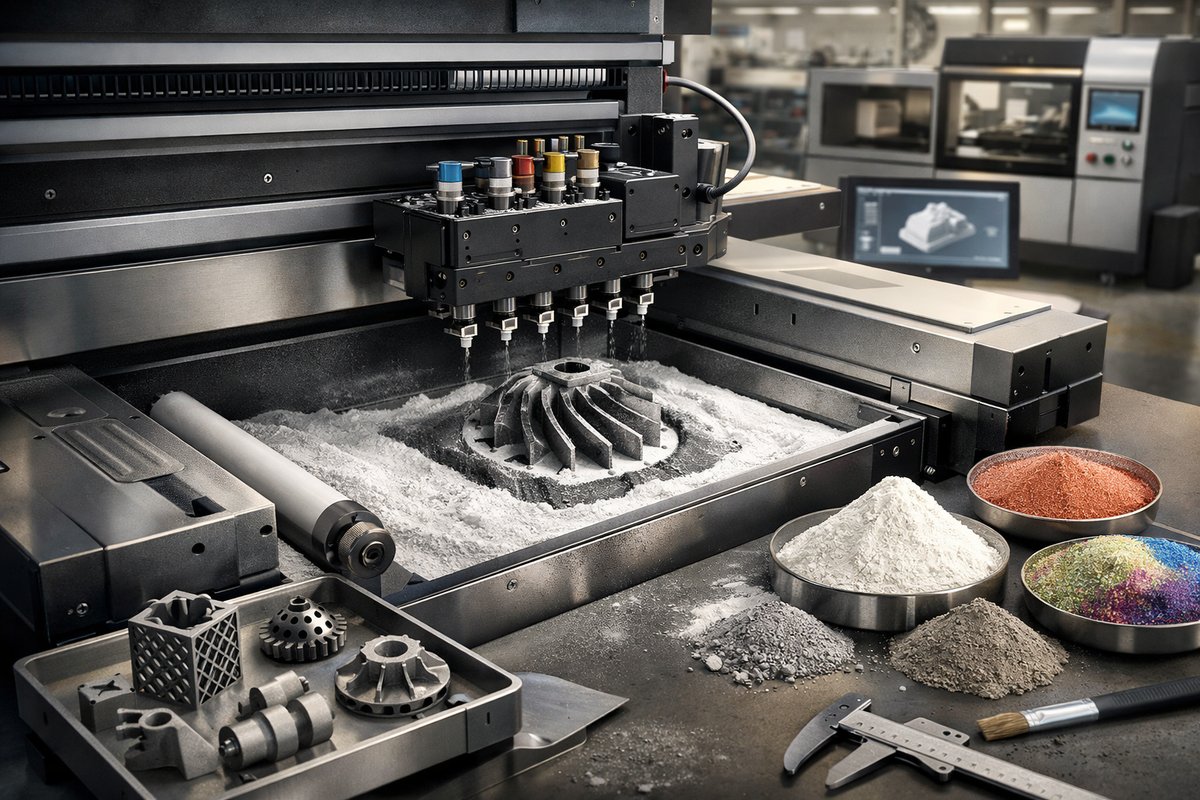
Binder Jetting is an additive manufacturing technique that offers a unique blend of speed, material versatility, and cost-effectiveness. This guide explores how Binder Jetting works, the essential components involved, and practical tips to help makers and professionals integrate this method into their fabrication toolkit.
Additive manufacturing has revolutionized the way we think about producing parts and prototypes, moving beyond traditional subtractive methods that rely on cutting away material. Among the many additive techniques, Binder Jetting stands out for its ability to rapidly produce complex geometries with a wide range of materials, including metals, ceramics, and even sand. Unlike laser-based methods, Binder Jetting uses a liquid binding agent selectively deposited onto thin layers of powder, building up the desired shape layer by layer. This process opens new avenues for creating lightweight, intricate, and functional components with a balance of speed and precision.
Understanding the Binder Jetting Process
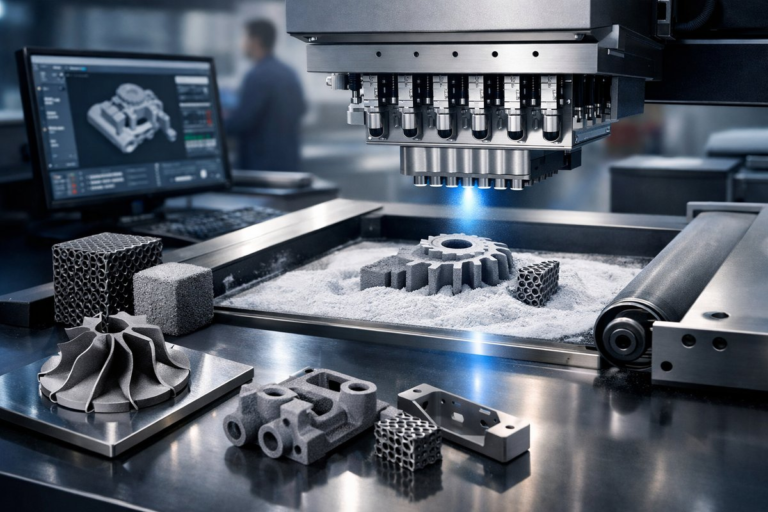
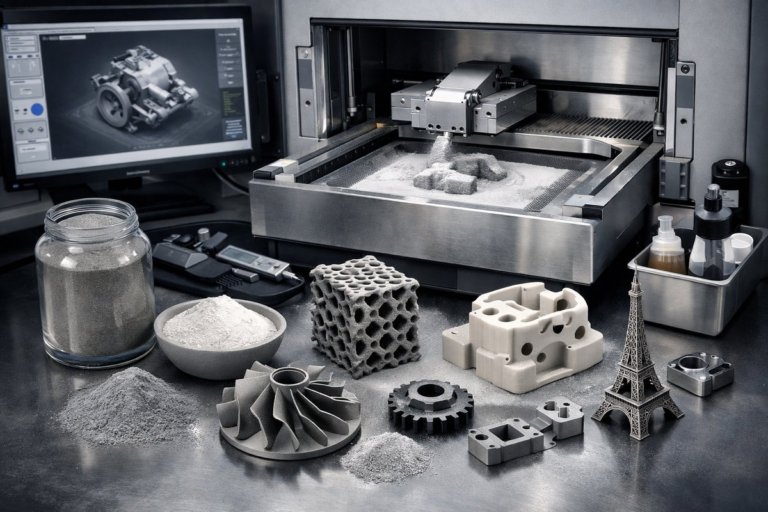
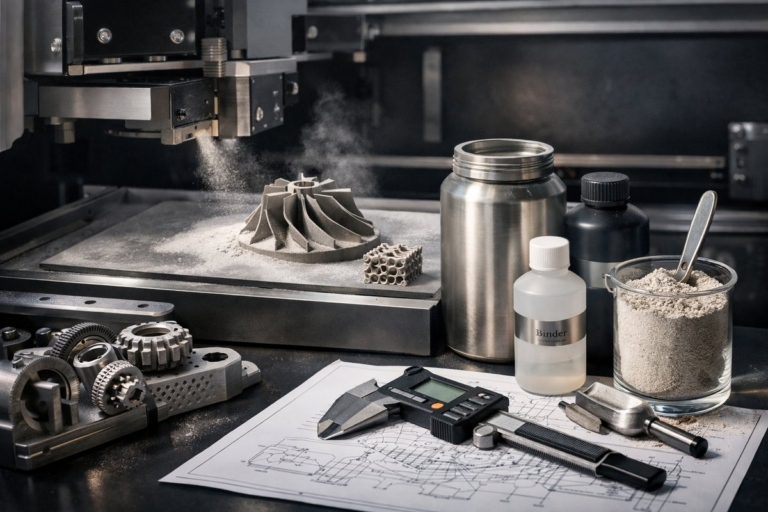
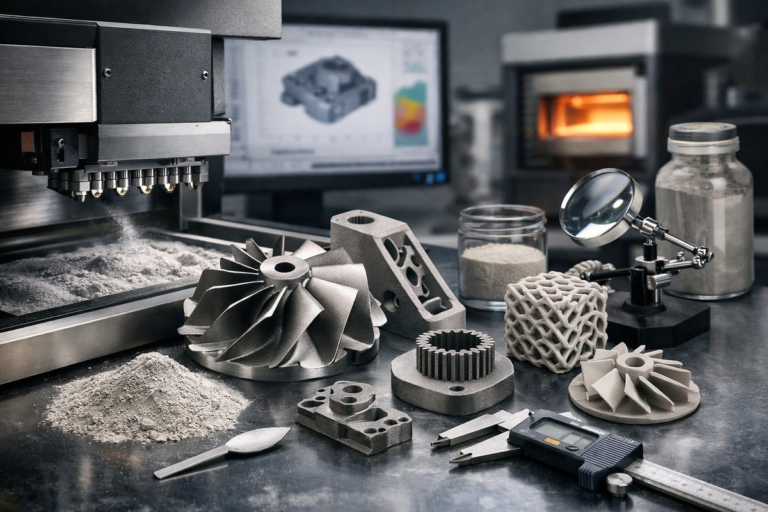
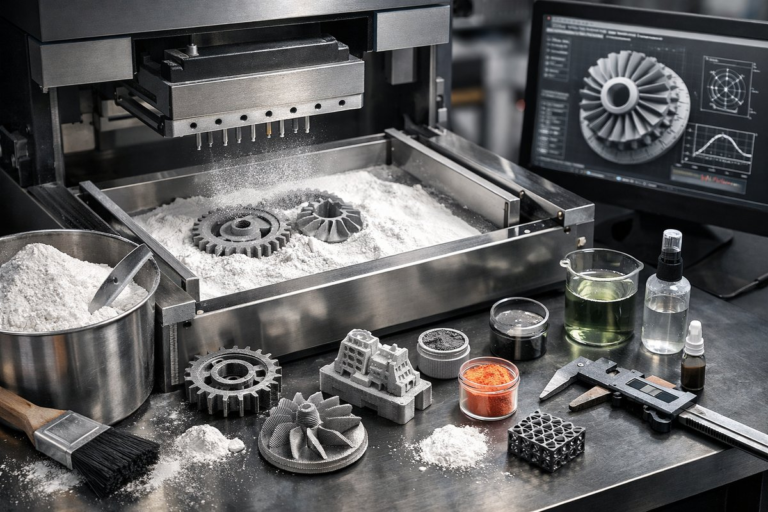
At its core, Binder Jetting involves spreading a thin layer of powder material across a build platform. A print head then deposits a liquid binder onto specific areas of the powder bed, adhering particles together to form a cross-section of the object. Once a layer is complete, the powder bed lowers slightly, and a new layer of powder is spread on top. This cycle repeats until the entire object is formed. The unbound powder surrounding the part acts as a natural support, eliminating the need for additional support structures common in other 3D printing methods.
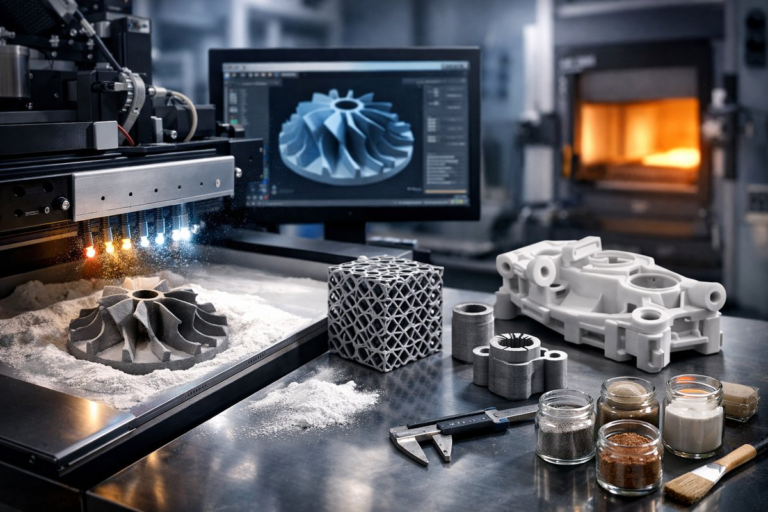
After printing, the “green” part is fragile and requires post-processing steps such as curing, sintering, or infiltration to achieve full mechanical strength and desired material properties. This flexibility in post-processing allows for customization of the final component’s density, strength, and surface finish.
Choosing the Right Components and Tools
To successfully implement Binder Jetting, certain components and tools are essential. A high-quality powder spreader or roller ensures even layering of the powder, critical for dimensional accuracy and surface finish. The print head must be precise in depositing the binder droplets, often utilizing piezoelectric or thermal inkjet technology.
For post-processing, a sintering furnace capable of reaching the necessary temperatures for the chosen material is vital. Infiltration materials, such as bronze or polymer resins, can be used to enhance strength and surface quality after sintering. Additionally, powder handling equipment, including sieves and storage containers, helps maintain powder quality and safety.
Practical Tips for Getting Started
1. Material Selection: Start with powders that are well-characterized and compatible with Binder Jetting, such as stainless steel, bronze, or silica sand. Each material requires specific binder formulations and sintering profiles.
2. Layer Thickness Optimization: Thinner layers yield finer details but increase build time. Experiment with layer heights to balance resolution and speed.
3. Binder Saturation Control: Adjust the binder saturation to ensure sufficient particle bonding without over-saturation, which can cause distortion.
4. Post-Processing Protocols: Develop consistent curing and sintering schedules tailored to your material to avoid warping and achieve optimal mechanical properties.
5. Safety Measures: Handle powders in well-ventilated areas with appropriate personal protective equipment to minimize inhalation risks.
Why Try Binder Jetting?
Binder Jetting offers several advantages that make it appealing for both hobbyists and industrial users. Its ability to print full-color parts (when using colored binders or powders) opens creative possibilities in design and prototyping. The absence of high-energy lasers reduces equipment costs and maintenance complexity. Moreover, because the powder bed supports the part during printing, complex geometries with internal channels and overhangs are achievable without extra supports.
The technique’s scalability and material versatility make it suitable for applications ranging from architectural models and sand casting molds to metal parts in aerospace and automotive sectors. For makers interested in exploring new frontiers of manufacturing, Binder Jetting provides a hands-on opportunity to engage with innovative materials and workflows.
Expanding Your Workshop
Integrating Binder Jetting into your workshop complements traditional subtractive tools like CNC mills and routers by enabling the creation of forms that would be difficult or impossible to carve out. Combining additive and subtractive methods can lead to hybrid manufacturing approaches, where a rough shape is printed and then finished with precision machining.
In summary, Binder Jetting is a powerful additive manufacturing technique that balances speed, material choice, and design freedom. By understanding the process, selecting the right components, and carefully managing post-processing, users can unlock new potentials in fabrication. Whether for prototyping, functional parts, or artistic creations, Binder Jetting invites makers to rethink how objects are brought to life-layer by layer, with a binder and a powder bed as their tools.