Location
Mount Vernon, WA 98274

Location
Mount Vernon, WA 98274

In an era where education and parenting increasingly intersect, nurturing children's emotional intelligence and curiosity has become paramount. This article explores innovative approaches that help parents support their children's growth with empathy and practical tools, encouraging agency and joyful learning.
Parenting and education today are more intertwined than ever, with families seeking ways to nurture not only academic success but also emotional resilience and curiosity in their children. The evolving understanding of child development highlights that fostering a child’s agency-their ability to make choices and engage meaningfully with the world-is just as crucial as imparting knowledge. This shift invites parents to embrace strategies that balance emotional support with opportunities for exploration and self-directed learning.
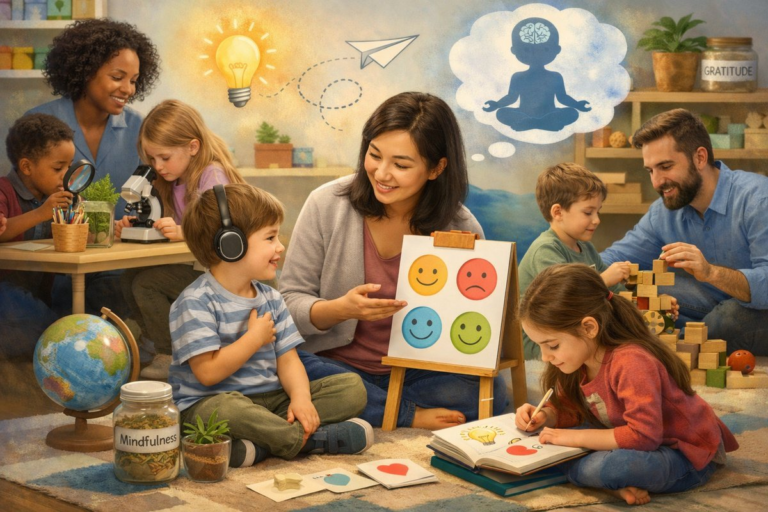
At the heart of this approach is the recognition that children thrive in environments where they feel emotionally safe and intellectually stimulated. Emotional intelligence, which includes skills like empathy, self-regulation, and social awareness, plays a foundational role in how children approach challenges, collaborate with others, and persist through setbacks. Research increasingly supports that children who develop strong emotional skills tend to perform better academically and maintain healthier relationships throughout life.
One effective strategy parents can adopt is intentional listening-truly tuning into children’s thoughts and feelings without immediate judgment or solutions. This practice validates children’s experiences and models emotional awareness. It also opens doors for meaningful conversations that can help children articulate their curiosities and frustrations, thereby fostering self-reflection and problem-solving skills.
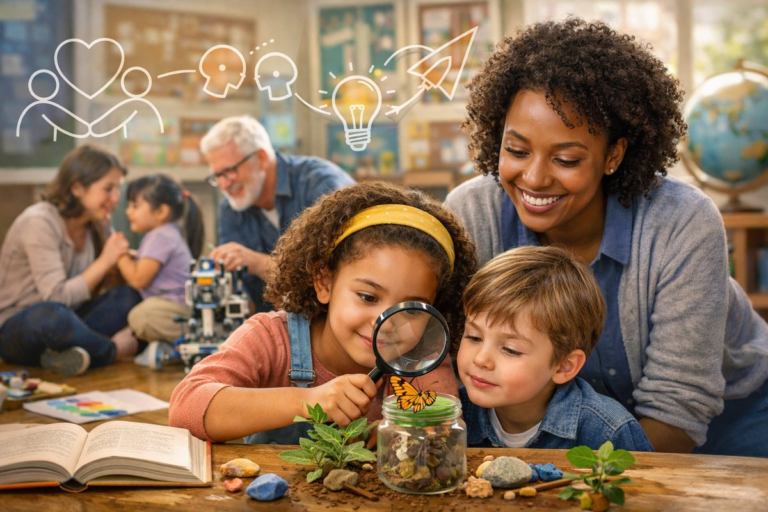
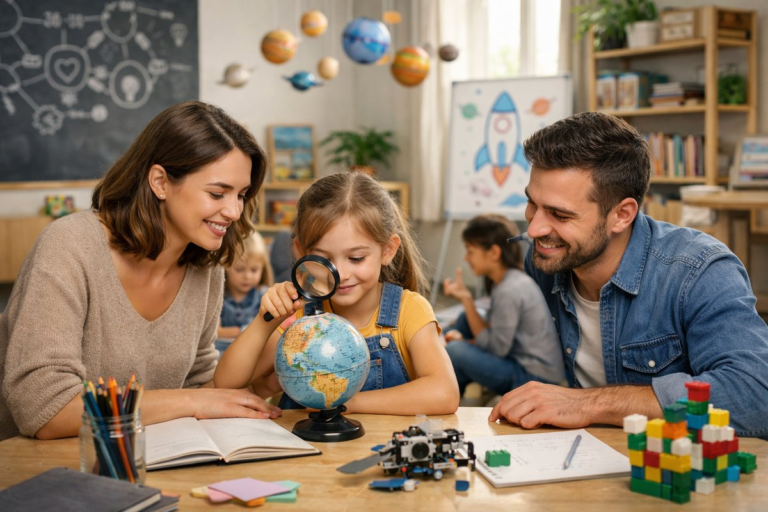
Alongside emotional nurturing, cultivating curiosity is essential. Curiosity drives children to explore, ask questions, and seek understanding beyond surface-level facts. Parents can encourage this by providing diverse learning materials that spark wonder and creativity. These might include open-ended toys that invite imaginative play, science kits that encourage experimentation, or books that present complex ideas in accessible ways.
Creating a home environment that balances structure with freedom is another pillar of effective parenting in education. While routines provide security and predictability, allowing children choice within those boundaries promotes autonomy. For example, letting a child select which science project to pursue or which book to read empowers them to take ownership of their learning journey.
Technology also plays a nuanced role. Thoughtfully chosen educational apps and tools can enhance learning experiences by adapting to individual interests and pacing. However, mindful use is critical to prevent overstimulation and to ensure technology complements rather than replaces hands-on, real-world exploration.
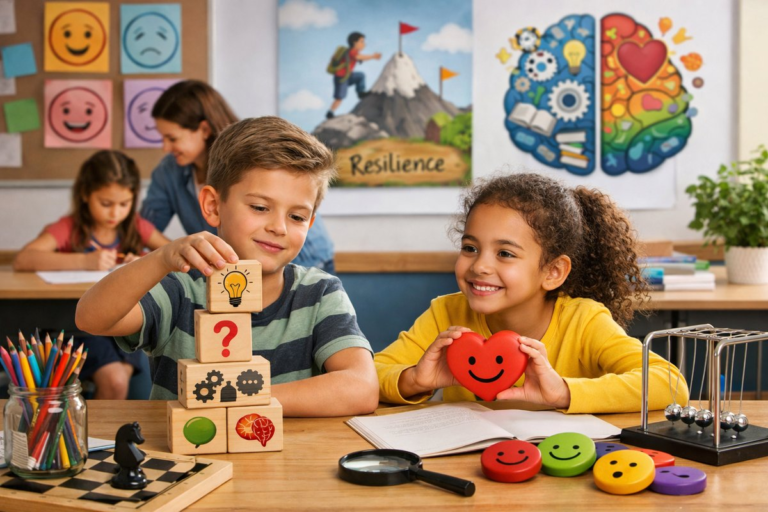
Importantly, parents themselves model lifelong learning attitudes. Demonstrating curiosity, admitting when they don’t know something, and showing enthusiasm for discovery inspire children to adopt similar mindsets. Celebrating effort over innate ability encourages resilience and a growth mindset, helping children view challenges as opportunities rather than obstacles.
In practical terms, incorporating emotional and intellectual growth into daily routines might look like family discussions about feelings after school, collaborative problem-solving during household tasks, or weekend nature walks where questions about ecosystems and animal behaviors are welcomed. These everyday moments become rich learning experiences that build confidence and a love of knowledge.
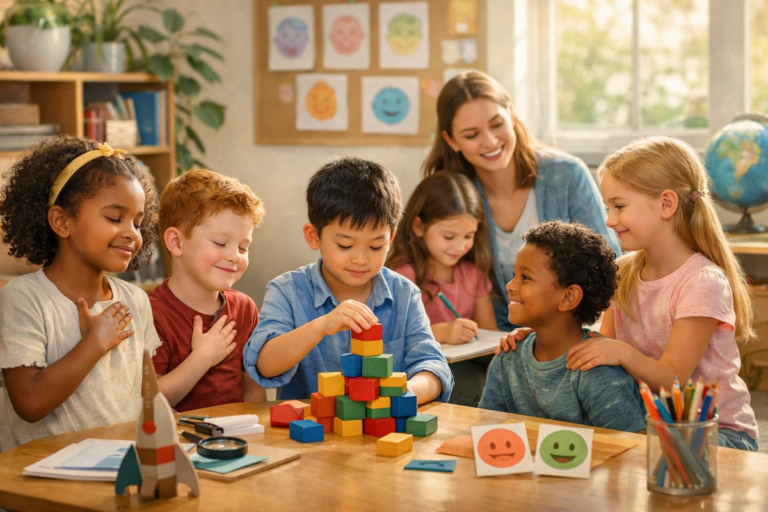
Schools and communities can support these parenting efforts by offering resources that blend social-emotional learning with academic content. Workshops for parents on emotional coaching, access to diverse educational materials, and spaces for peer interaction help sustain the holistic development of children.
Ultimately, parenting with heart means embracing the complexity of raising thinkers who are not only knowledgeable but also emotionally attuned and curious about the world. It requires patience, empathy, and a commitment to nurturing the whole child-mind, heart, and spirit. By weaving these elements together, parents can help their children become resilient learners equipped to navigate an ever-changing world with confidence and compassion.