Location
Mount Vernon, WA 98274

Location
Mount Vernon, WA 98274
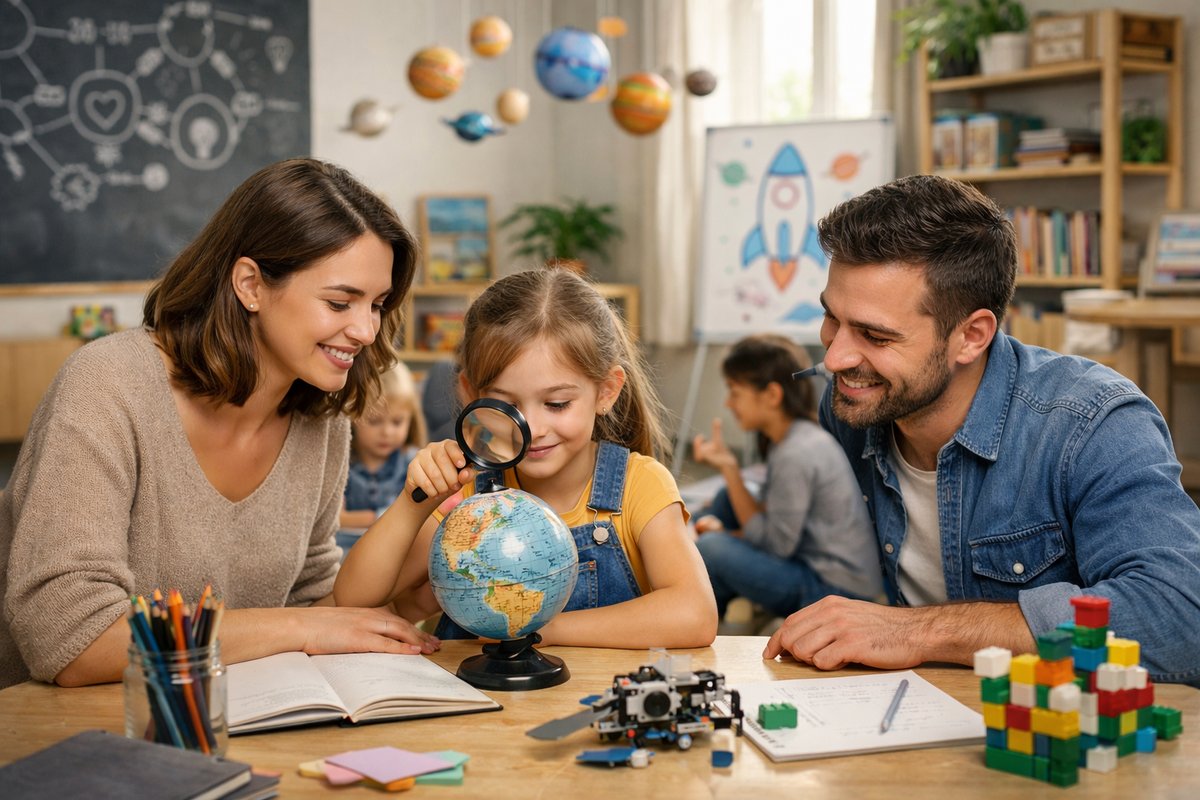
Modern parenting and education are increasingly intertwined, focusing on nurturing curiosity, emotional intelligence, and independent thinking. This evolving approach fosters environments where children thrive as confident, empathetic learners prepared for a complex world.
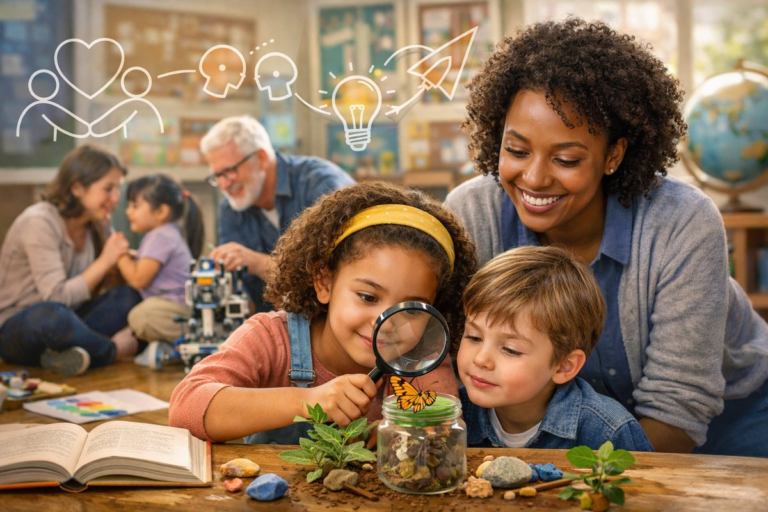
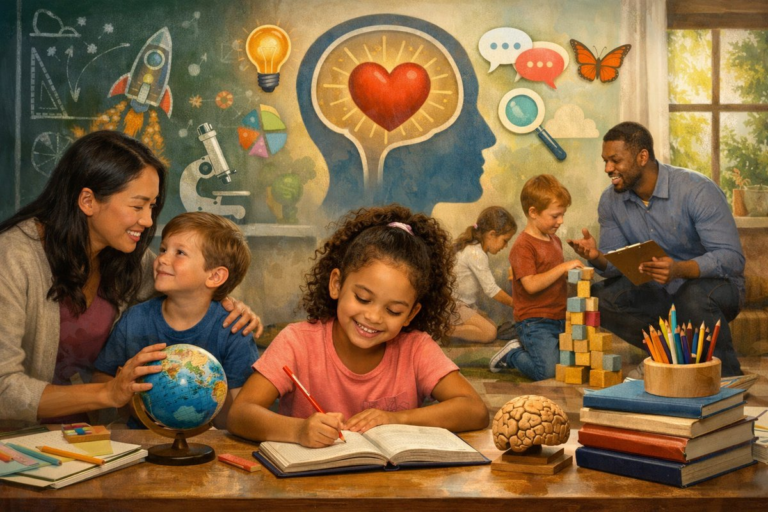
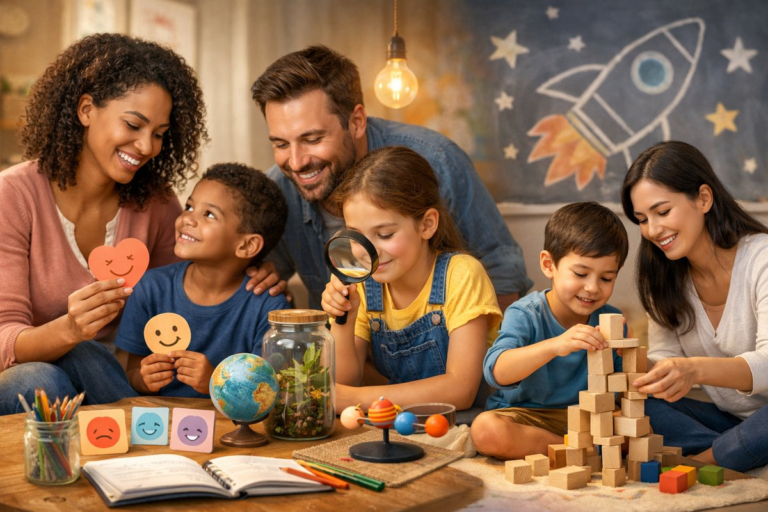
In recent years, the landscape of parenting and education has shifted profoundly, reflecting a growing recognition that children’s development extends far beyond academic achievement. Parents and educators alike are embracing holistic approaches that prioritize emotional intelligence, curiosity, and agency as essential components of raising thoughtful, resilient individuals. This transformation is reshaping how families and schools collaborate to support children’s growth with heart and intention.
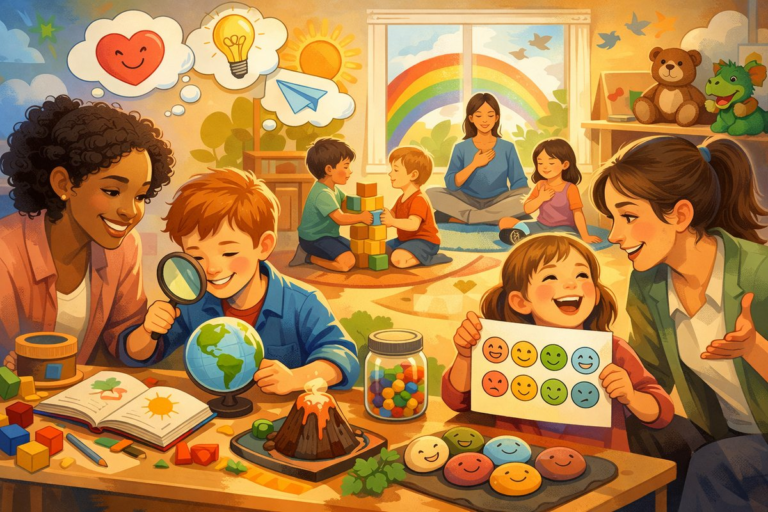
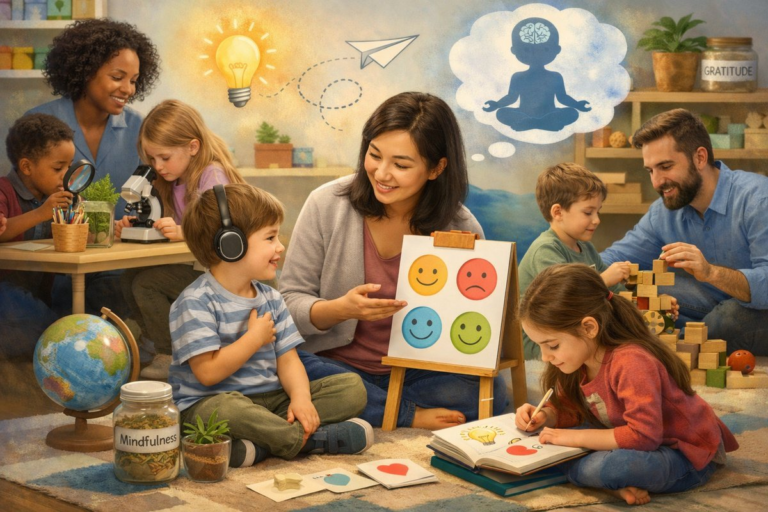
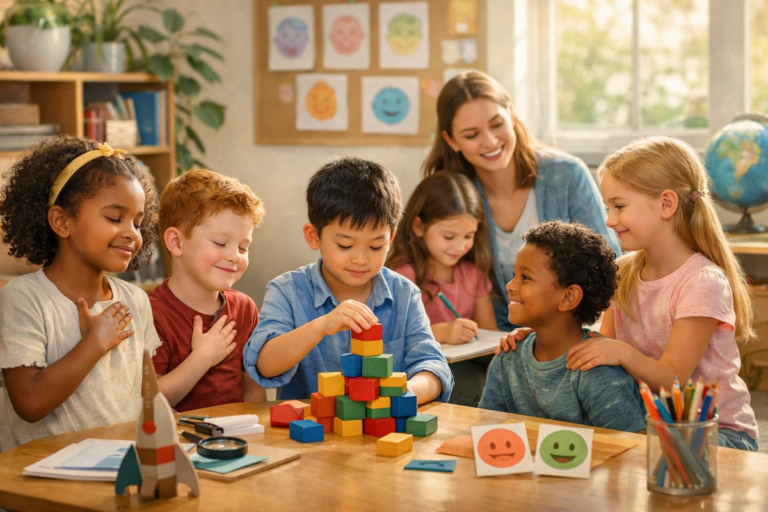
One of the most significant changes is the move away from rigid, standardized methods toward more personalized and exploratory learning experiences. Parents are increasingly advocating for educational environments that honor their children’s unique interests and emotional needs, fostering a sense of autonomy and intrinsic motivation. At the same time, schools are integrating social-emotional learning (SEL) frameworks into curricula, recognizing that skills like empathy, self-regulation, and effective communication are just as critical as literacy and numeracy.
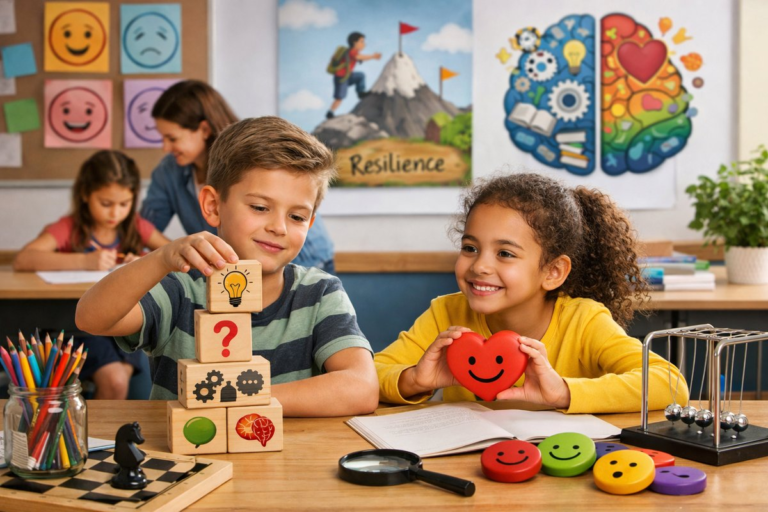
This dual focus on cognitive and emotional development reflects a deeper understanding of how children learn best. Neuroscience research underscores that emotional safety and engagement are fundamental to memory formation and problem-solving abilities. When children feel seen and supported, their natural curiosity flourishes, leading to richer, more meaningful learning experiences.
Parenting in this context requires a delicate balance of guidance and freedom. Encouraging children to ask questions, explore their environment, and express their feelings helps cultivate a growth mindset and emotional agility. Rather than shielding children from challenges, parents are learning to view setbacks as valuable opportunities for resilience-building and self-discovery.
Moreover, the rise of technology and digital media presents both opportunities and challenges. Thoughtful integration of educational tools-such as interactive learning apps and digital storytelling platforms-can enhance engagement and creativity. However, mindful use is essential to prevent overstimulation and ensure that screen time complements rather than replaces hands-on, real-world experiences.
Community and connection remain central to this evolving paradigm. Collaborative learning environments, whether in classrooms or at home, foster social skills and a sense of belonging. Parents are finding value in peer support networks and parent-educator partnerships that share insights and strategies for nurturing well-rounded learners.
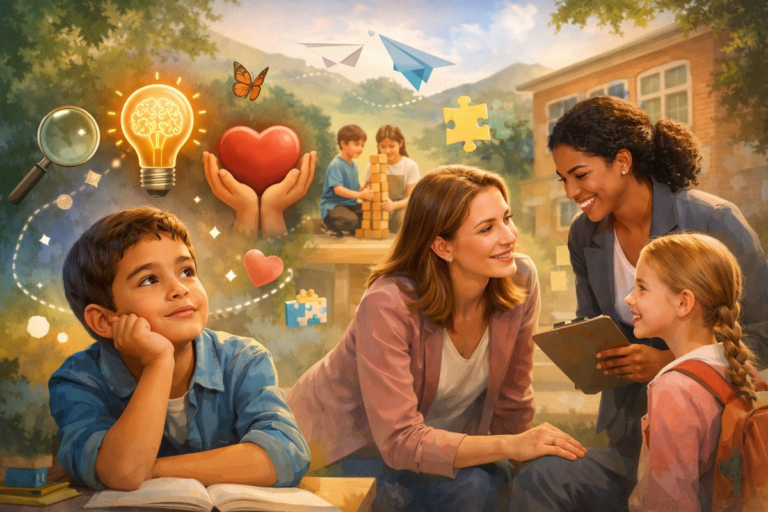
Ultimately, the journey of parenting and education today is about cultivating environments where children feel empowered to think critically, manage emotions, and pursue their passions. It is an invitation to honor each child’s individuality and potential, creating a foundation for lifelong curiosity and compassionate citizenship. As families and educators continue to evolve together, the promise of raising thoughtful, joyful thinkers becomes ever more attainable.