Location
Mount Vernon, WA 98274

Location
Mount Vernon, WA 98274
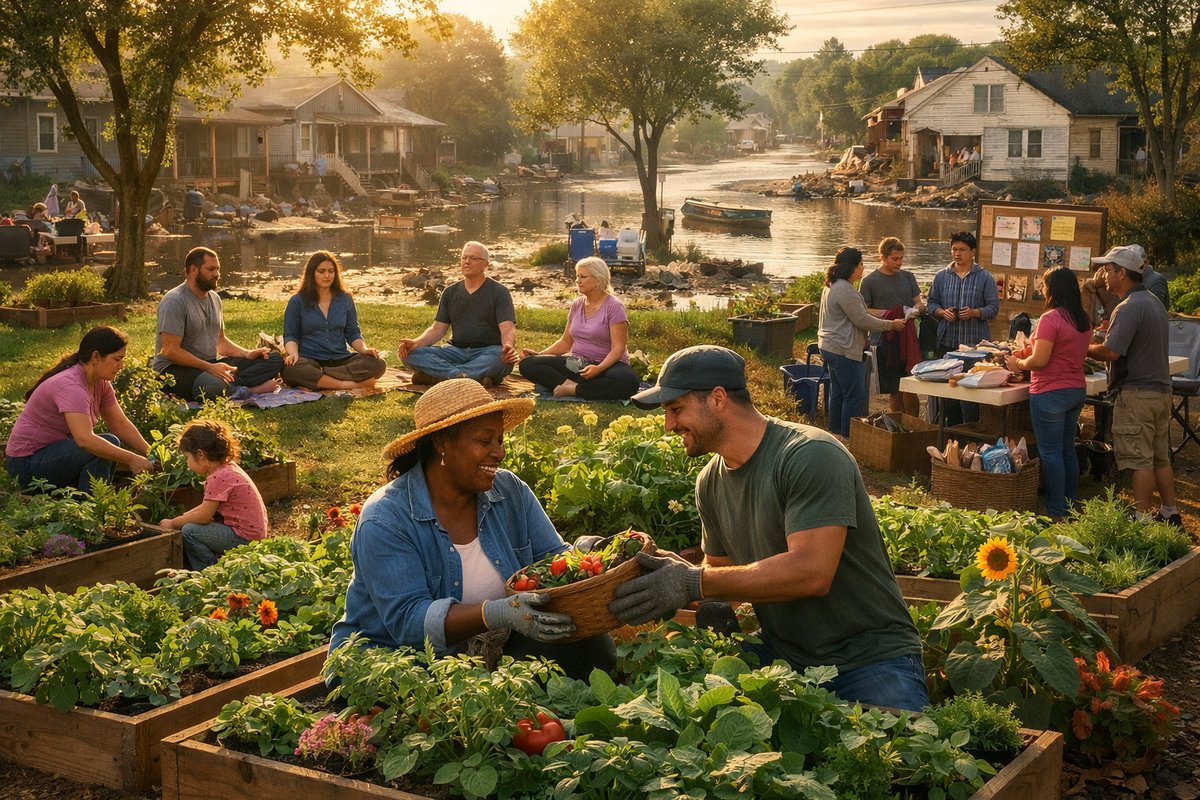
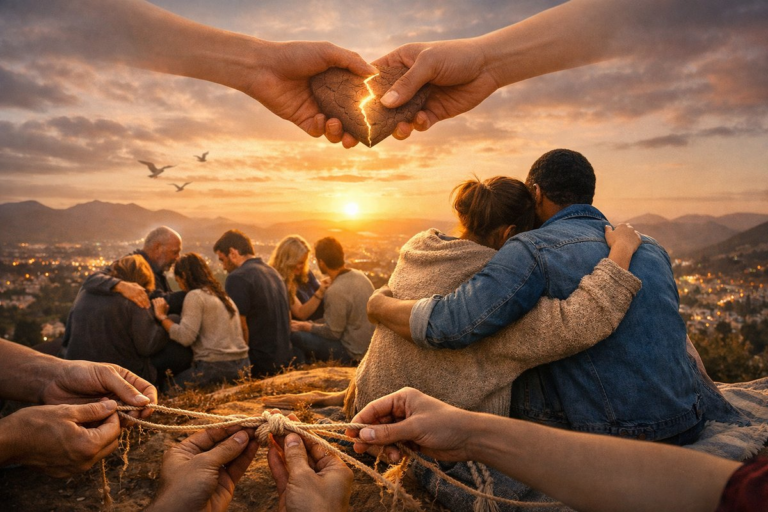
In a neighborhood scarred by relentless flooding and economic strain, residents have turned shared loss into collective hope. Through community gardens, mindfulness circles, and resource-sharing networks, neighbors are rediscovering purpose, unconditional care, and the quiet courage to rebuild together.
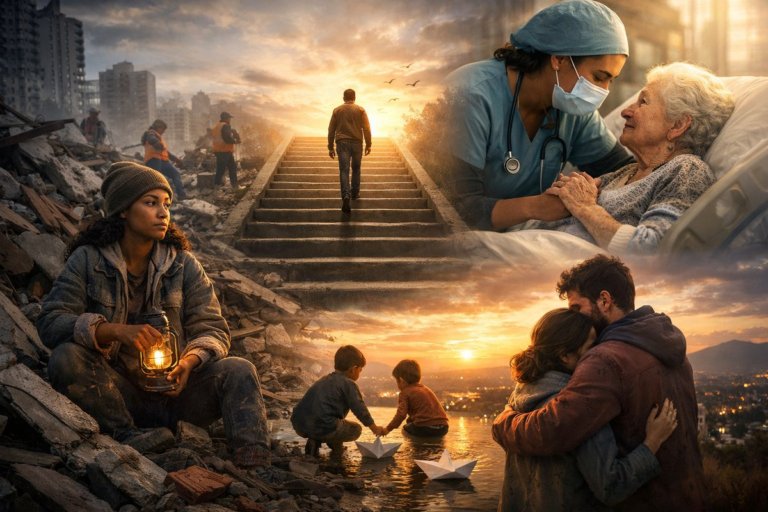
The night the river breached its banks, water seeped through front doors, up to kitchen counters, chasing families into neighbors’ living rooms and community centers. When dawn arrived, blankets and cardboard cups littered the sidewalks like fallen leaves. In the haze of damp carpets and broken furniture, a spark of solidarity emerged: people reached out, offering warm food, spare blankets, and a promise to rebuild. That first morning, amid cracked pavement and scattered debris, residents of the Riverside district grasped that renewal would have to start with each other.
Volunteers gathered along the street with wheelbarrows and garden trowels. They carved pathways through fallen branches, scooped soaked soil into wheelbarrows, and laid the groundwork for a community garden in an abandoned lot. One volunteer paused, closing her eyes as she pressed a trowel into softened earth, envisioning rows of lettuce and wildflowers where yesterday there had only been water and mud. The simple act of planting seeds became a symbol of resistance against despair, proof that even the deepest flood could not wash away the desire to nurture life.
Within days, the lot filled with raised wooden beds and small clusters of seedlings. A donated compost tumbler bin stood at the corner, turning kitchen scraps and torn cardboard into rich soil. Neighbors traded seeds-tomatoes in exchange for basil cuttings, spinach for marigold seedlings. Children finger-painted signs declaring “Grow Hope Here” and “Riverside Replants.” The raised beds rose like miniature monuments, each one bearing the name of a family or friend lost to illness or displacement, a testament to collective memory and the unbreakable human urge to cultivate beauty.
Behind the garden beds, a small table held a stack of mindfulness journals. Each notebook contained prompts for gratitude, simple breathing exercises, and blank pages for unfiltered reflection. On Sunday afternoons, residents huddled under a canopy of old elm trees for quiet writing circles, sharing passages about fear and healing. A retired teacher guided breathing techniques; a community nurse passed around herbal tea. Someone strummed a guitar softly, weaving chords between paragraphs, reminding everyone that healing often hums in silence.
In the evenings, families gathered at a makeshift reading nook under strings of solar-powered lanterns. A local artist painted murals of phoenixes rising from waves along the library walls. Volunteers brought donated novels, poetry anthologies, and children’s picture books. Some readers wore wireless earbuds to access audiobooks and guided meditations recorded by volunteers with soothing voices. The combination of turned pages, whispered voices, and the soft glow overhead offered a sanctuary from the persistent drone of repair saws and rescue sirens.
Mental health advocates formed listening circles in the old firehouse, now repurposed as a community hub. Folding chairs arranged in a loose circle, a handful of portable water filter straws and refill stations ensured everyone could stay hydrated during long conversations. Trained facilitators guided discussions about loss, stress management, and the importance of self-compassion. Participants passed around a gratitude jar, writing small messages-“I’m grateful for fresh air” or “I survived another night”-and dropping them in to be read at month’s end. The jar quickly overflowed, vibrating with hope, proof that voices left unheard for too long could find resonance in shared acknowledgment.
A local carpentry group built small kiosks where residents could borrow tools: a battery-powered drill, hand saws, measuring tapes, and protective gloves. The tool-sharing library operated on trust: each set tracked by a simple ledger, and each borrower responsible for timely returns. In the crisp mornings, people tiptoed through the neighborhood, toolbelt slung over a shoulder, ready to repair fences or reinforce rickety porch steps. Each repaired corner transformed a house from a battered shelter into a home again-a physical signpost of quiet determination.
Even the simplest items took on new significance. Electric kettles warmed herbal infusions shared during post-construction coffee breaks. Pop-up canopies provided shade for afternoon community lunches. A single portable projector, set up against a garage door, offered free outdoor movie nights featuring tales of courage and renewal. On one warm evening, neighbors watched a film about forest recovery after wildfire, drawing parallels to their own lives. The screen flickered with images of blackened trunks sprouting fresh green leaves, reminding everyone that nature’s cycle of destruction and rebirth mirrored human resilience.
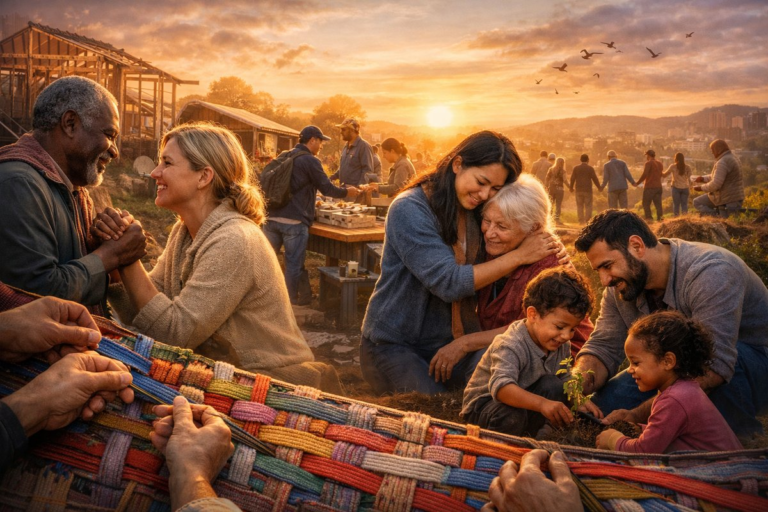
Through these efforts, the Riverside district’s streets hummed with renewed purpose. Sidewalk chalk declared intentions-“I will paint this bench,” “I will learn composting,” “I will teach my sister to read.” Conversations drifted to new ventures: a cooperative bakery using surplus produce from the garden, a weekend repair fair where volunteers mended bicycles and sewing machines, a pop-up yoga class in the park. Each initiative wove a tighter tapestry of support, showing that individual acts of kindness, no matter how small, compounded into a force strong enough to reshape lives.
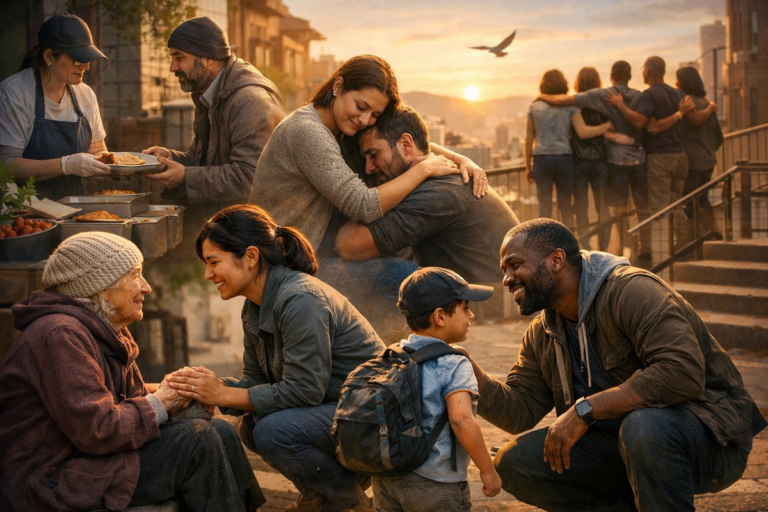
In the first months after the flood, the neighborhood had been fragmented by fear and loss. Today, it stands transformed-not defined by what was destroyed, but by what emerged in its wake: love given without measure, hands extended without hesitation. People discovered strength within themselves they hadn’t known existed, and equally important, they discovered strength in each other. In Riverside, there are no grand monuments to survival-only modest fences repaired by collective effort, only fresh cilantro sprouting among cracked sidewalks. But in those small details, in each quiet conversation and every shared seed packet, lives in motion are held together by stories worth telling, and hope keeps growing.