Location
Mount Vernon, WA 98274

Location
Mount Vernon, WA 98274
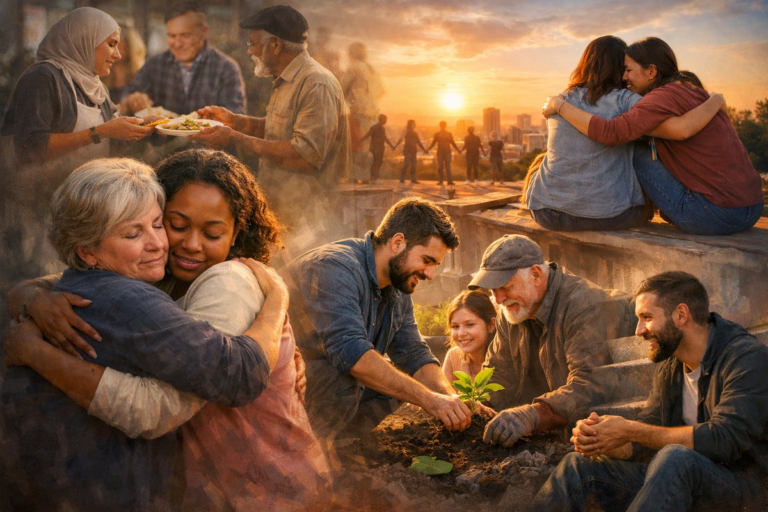
In neighborhoods across the country, residents are turning vacant lots and underused halls into vibrant shared spaces for cooking, gardening, art and conversation. Through mutual aid projects and pop-up workshops, strangers are discovering the quiet courage to rebuild trust, heal trauma and rediscover purpose together.
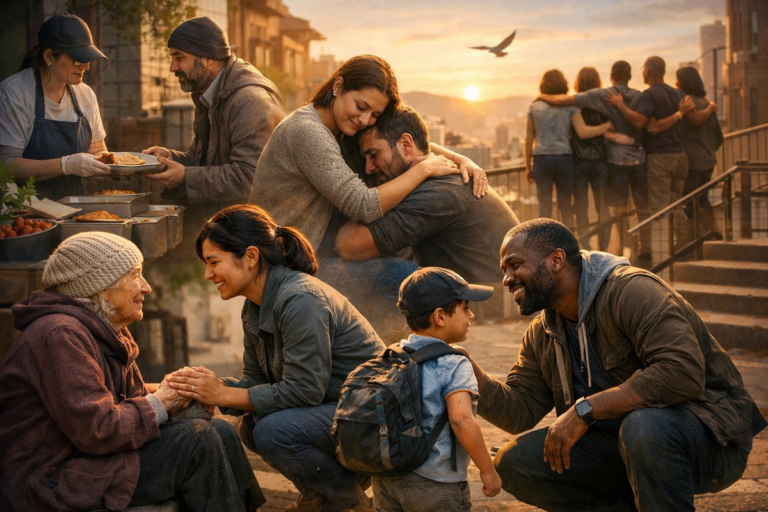
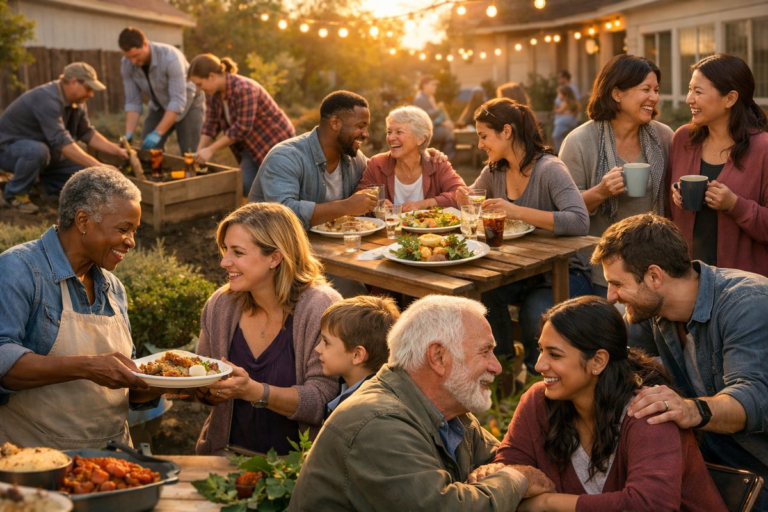
On a bright Saturday morning in a once-neglected section of the city, the hum of conversation drifts from a converted warehouse kitchen. Among the mismatched tables and secondhand cookware, a diverse group of neighbors gathers to prepare large pots of soup for local families in need. Volunteers chop onions, stir simmering broths and share stories of hardship and triumph. Fresh herbs from a nearby community garden lend an earthy aroma to the air. In that moment, what began as a small mutual-aid cooking circle has become a beacon of shared purpose – a testament to the power of everyday people rising in solidarity.
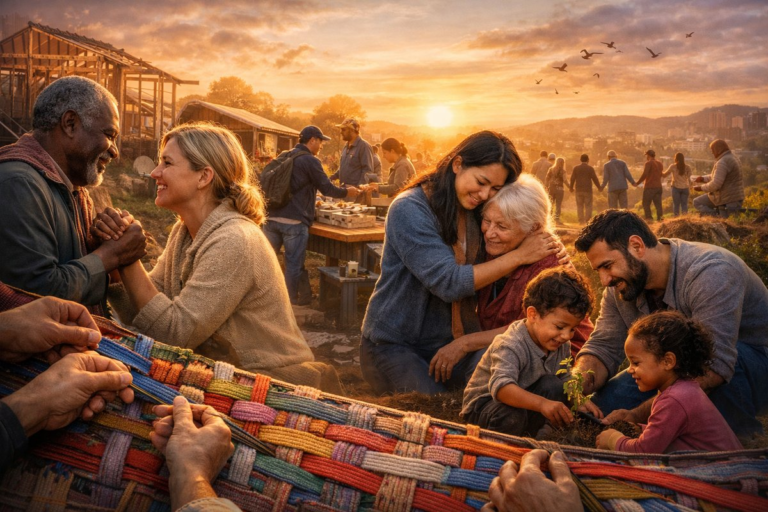
Across town, an abandoned lot that was once littered with debris now bursts with sunflowers, kale and heirloom tomatoes. Guided by a handful of urban gardeners, residents of all ages plant seedlings in raised beds, learning not only how to grow food but also how to cultivate connection. Elderly neighbors relay instructions passed down from parents who tilled soil in rural villages. Teenagers haul wheelbarrows of compost and marvel at the promise of green life sprouting from concrete cracks. For many participants, the garden is more than a source of fresh produce: it is fertile ground for healing the loneliness and isolation brought on by economic stress and social unrest.
A few blocks away, the local library has repurposed its community room for free weekly art workshops. Watercolor paints, sketch pads and rolls of butcher paper sit ready as aspiring painters and doodlers of every skill level gather. Some bring anxiety or grief, others arrive seeking creative escape after long shifts at work. Facilitators encourage experimentation over perfection, emphasizing the process of expressing emotion through color and form. Walls once bare now display collaborative murals that reflect themes of resilience: phoenixes rising, hands joined in circle, trees bending yet unbroken in storm winds. When a visitor pauses by the mural to ponder its meaning, they are witnessing the collective imprint of many voices finding solace in shared creativity.
Back at the warehouse kitchen, Rosa, a former social worker who lost her job when funding dried up, now leads community cooking sessions. She says the act of coming together over food reminds people of their innate worth. “When we feed each other, we reinforce that we matter – that our lives intersect in meaningful ways,” she explains. Several young participants credit Rosa’s program with giving them a sense of responsibility and belonging. One teenager who once struggled to finish high school now volunteers regularly, saying, “I never thought chopping carrots could change my life. But here, my work matters.” The soup is distributed at a local shelter, but the healing that takes place in the open kitchen resonates far beyond bowls of lentils.
In the community garden, a similar shift is underway. Coordinator Elise notes that urban green spaces can serve as informal counseling rooms. “We don’t charge for therapy, but planting a seed and watching it grow can be as powerful as any session,” she says. Participants report reduced stress, improved mood and a rekindled sense of purpose. Last spring, the garden hosted a grief circle at the base of an old oak tree, where neighbors spoke about loss and forgiveness. Watering cans in hand, they watered flowers planted in memory of loved ones. A study by a local university measured a 30 percent drop in reported anxiety among regular garden volunteers – a striking indicator of communal resilience in action.
These grassroots initiatives are catching the attention of city officials seeking to revitalize underfunded districts. Local councilmember Darren Liu has introduced modest grants to convert vacant buildings into community hubs for cooking, art and wellness classes. He congratulates residents for “taking the reins of renewal,” emphasizing that municipal support is meant to amplify, not dictate, local creativity. Liu’s office reports that social service referrals have declined in neighborhoods with active community spaces, while local businesses note increased foot traffic and new partnerships with volunteer groups.
Experts in social psychology point to the role of shared ritual in building trust and solidarity. Dr. Mira Patel, who researches collective healing, notes that “when people work side by side toward a tangible goal, whether it’s baking bread or building raised beds, they experience micro-moments of mutual reliance. These moments accumulate, forging bonds that can withstand future challenges.” Patel’s recent paper cites these community-led efforts as case studies of how local empowerment can buffer against widespread stressors like housing instability or social fragmentation.
For participants like Jose, a laid-off warehouse worker who showed up on a whim, that insight rings true. “I came to fix my mood after losing my job,” he admits. “But now I help maintain the garden. I arrive early, stay late. I feel needed again.” Such individual transformations speak to the promise of community projects as more than stopgap measures-they can reawaken identity and purpose when traditional support systems fall short.
On any given evening, you might find a pop-up conversation circle in a parking lot, where strangers sit on folding chairs under string lights and speak candidly about fear, loss and hope. Guided by trained volunteers, these sessions invite participants to practice honest listening and compassion. Stories of recovery from addiction, strategies for coping with job loss and dreams of futures unburdened by shame all find space. In these circles, vulnerability becomes a source of collective strength rather than stigma.
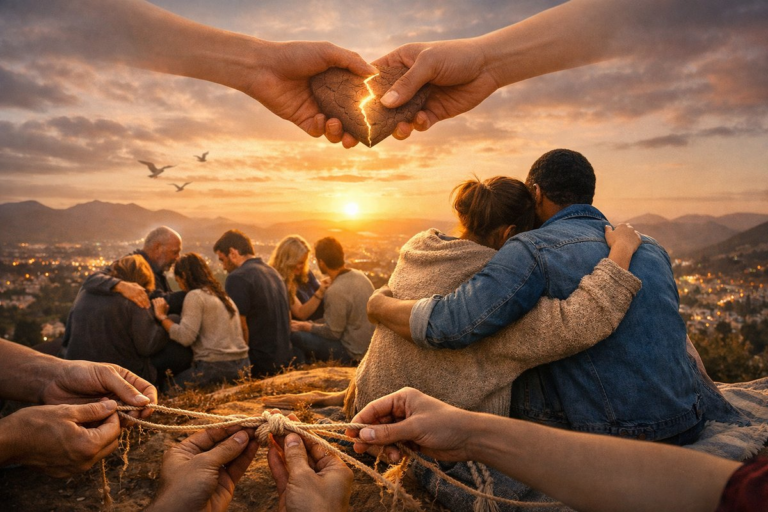
While none of these programs claim to have a single magic bullet, together they showcase a tapestry of simple but profound acts: sharing soup, planting seeds, picking up a paintbrush, lighting candles in memory. Each act affirms that resilience is not an individual trait but a social one. It emerges when people gather, share resources and witness each other’s struggles and victories.
Citywide surveys reflect growing support for such bottom-up initiatives. Eighty percent of respondents in neighborhoods with active community hubs believe their area has become more livable in the past year. More than half say they’ve made new friends through cooking circles or garden shifts. Local small businesses report that classes in the community spaces have become springboards for micro-entrepreneurs offering catering, floral arrangements and art commissions.
A couple of blocks from the garden, a once-empty storefront now houses a communal pantry, stocked by neighbors and local grocers. Families select fresh produce, dairy alternatives and pantry staples on a “take what you need, give what you can” basis. Parents bring curious toddlers and elderly neighbors shuffle through the aisles, greeting each other by name. For many, the pantry is both practical relief and a symbol of collective care.
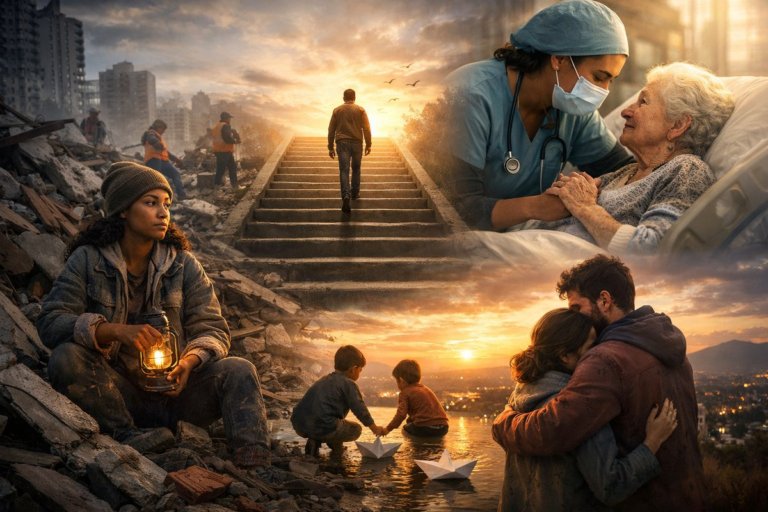
At dusk, as volunteers pack up tools and wipe down counters, there’s a sense of quiet celebration. The work continues; tomorrow brings another class, another planting day, another art workshop. But for tonight, the shared laughter and gentle fatigue bind the group in unspoken solidarity. There is no big headline for this kind of news-no flashy award ceremonies or high-budget ad campaigns. Yet, in these humble acts, something extraordinary unfolds: people choosing to stand together, to reach out, to trust again.
In an age often defined by division and upheaval, these community spaces are humble laboratories of hope. They remind us that when we come together to feed, to grow, to create and to speak honestly, we forge a collective resilience that no single person could sustain alone. And in that interwoven resilience, we discover new reasons to believe in ourselves, in our neighbors and in the quiet courage it takes to build something lasting: a life in motion, a story worth holding.