Location
Mount Vernon, WA 98274

Location
Mount Vernon, WA 98274
When a local factory shut its doors, residents felt the weight of uncertainty and loss. Yet through shared meals, community gardens, and open-mic nights, neighbors discovered the power of collective care and quiet courage to heal.
In the early hours before dawn, volunteers gather at the edge of an empty factory lot. Dirt under their nails, they prepare fresh beds for heirloom tomatoes and Swiss chard-an act of hope, and a signal that a community once defined by steady paychecks now measures its worth in rows of seedlings and shared embrace.
It all began when Greenwood Manufacturing, a local employer for decades, announced a sudden closure. Homes once humming with lively conversation fell silent. The hum of assembly lines vanished, bringing an ache of purpose unmoored. In the months that followed, unemployment claims rose and mental-health calls increased. When loss feels too vast to name, people often draw inward, bruised and uncertain where to turn.
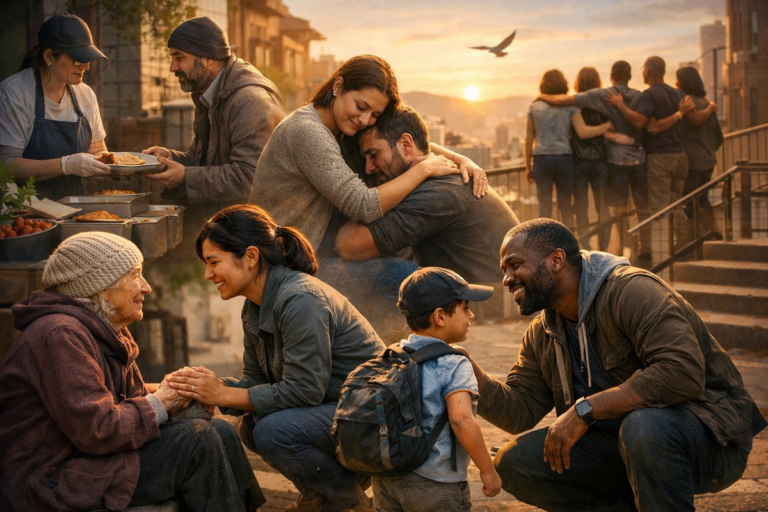
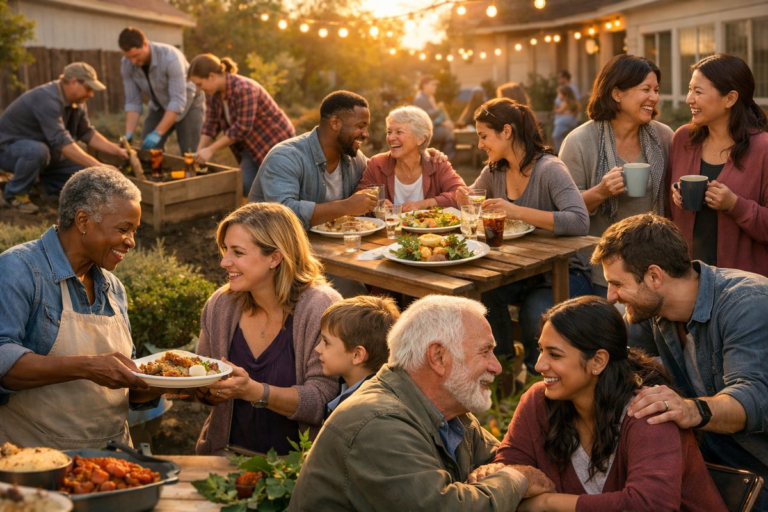
That winter, a handful of longtime neighbors-spurred by one baker’s suggestion to share extra loaves at the community center-began hosting potluck dinners. At first, attendance was sparse: a mother struggling with bills, an older worker who’d spent forty years behind a lathe, a young artist finding her footing. Yet each night, as steam rose from soup ladles and platefuls of beans changed hands, the flicker of conversation grew brighter. People realized that sharing food is also sharing stories, and telling stories is how we remember that we’re not alone.
At one gathering, an ex-industrial machinist unveiled a cracked leather journal. “I began writing down the jobs I lost,” he said softly, “but I’ve found I’d rather fill these pages with what I can build next.” By spring, dozens of these journals circulated, stuffed with plans for a community carpentry shop, designs for murals on boarded-up storefronts, and poems about stubborn sunflowers sprouting through asphalt. The pages captured sorrow and sparks of possibility in equal measure.
Alongside the meals and the writing, a group of teenagers transformed an abandoned warehouse wall into a collective mural. Bright figures danced across peeling paint, each character representing a dream reborn: a student in a graduation robe, an aspiring gardener with a watering can, an elderly couple planting seeds for the next generation. Passersby paused, finding in the colors a reminder that failure needn’t be the final stroke.
In the evenings, the community center’s auditorium hosts open-mic sessions. A young father singing a lullaby for his newborn; a retiree reciting her reflections on finding purpose beyond work uniforms; a shy teen reading an original short story. At first, hands stayed buried in pockets. Now, applause breaks barriers, and tears shared in a dimly lit room become threads of connection.
Therapeutic art classes meet mid-week. Supplies appear through donations: acrylic paints in every hue, charcoal sticks a thumb’s width thick, canvases made from reclaimed wood. Instructors guide residents through exercises in color play and image association, encouraging them to turn grief into brushstrokes. One participant, who once measured time by shift changes, described painting as “the rhythm my heart needed,” a beat unbound by wages or schedules.
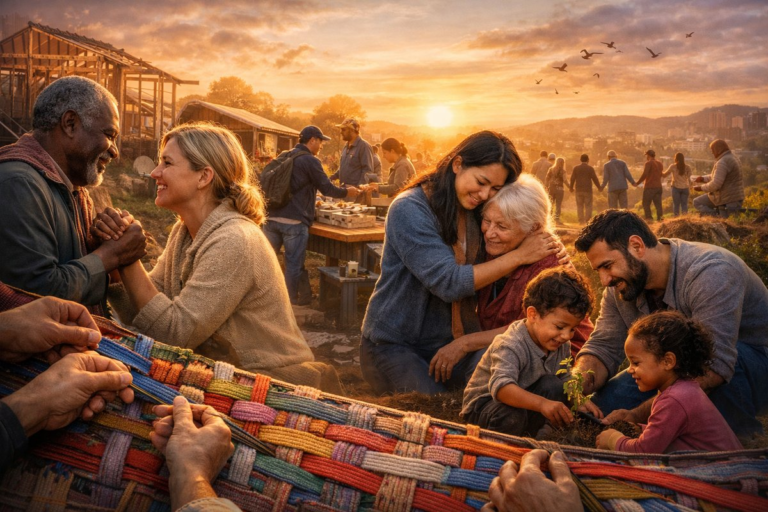
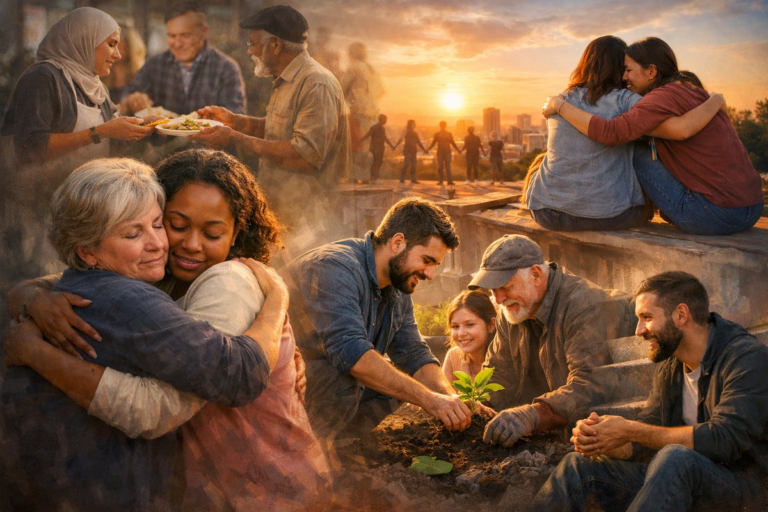
Above all, the community garden speaks most plainly of resilience. Seedlings-tender green promises-emerge side by side: basil, cilantro, kale. Gardeners swap tips about companion planting, confide in each other when lettuce leaves wilt, celebrate every ripe berry as a tiny triumph. Fences are strung with fairy lights, making twilight harvests feel like gentle ceremonies. Under the soft glow, volunteers share hopes for new cooperatives, small businesses, and a renewed confidence that roots established in care can hold firm through any storm.
Counselors from a nearby nonprofit began dropping by on Saturdays. With portable chairs set in a circle, they invite residents to explore stress management-and to learn simple breathing exercises in the very garden that had become a symbol of community revival. “When you inhale,” one counselor instructs, “imagine drawing up strength from these plants. When you exhale, let go of what weighs you down.” For many, it is the first time they’ve felt genuine relief in months.
Conversations turned practical, too. With donations of building materials and safety gear, a group started repairing the playground at the local elementary school. Families returned to see kids swinging freely again, laughter reverberating across the worn asphalt. Behind the swings, sunflowers now tower above fence posts, planted by the same hands that first tilled the lot where the factory once stood.
Through these unfolding stories-of meals shared, pigments mixed, seeds sown-Greenwood’s residents discovered that resilience is neither sudden nor solitary. It is built in small acts of trust and compassion, day by day. They learned that purpose can shift, from paycheck to potluck, from precision tooling to paintbrush. And in rising to rebuild one another, they found a sturdier bedrock than any pay stub ever offered.
Across the lot where machines once whirred, green tendrils curl toward the sun. A weathered placard now reads: “Planting Hope, Together.” It is a quiet testament to human tenacity-a reminder that when societies stumble, compassion offers the strongest scaffolding for renewal. And as the garden grows, so too does the conviction that a single seed, nurtured in solidarity, can bloom into lasting change.