Location
Mount Vernon, WA 98274

Location
Mount Vernon, WA 98274
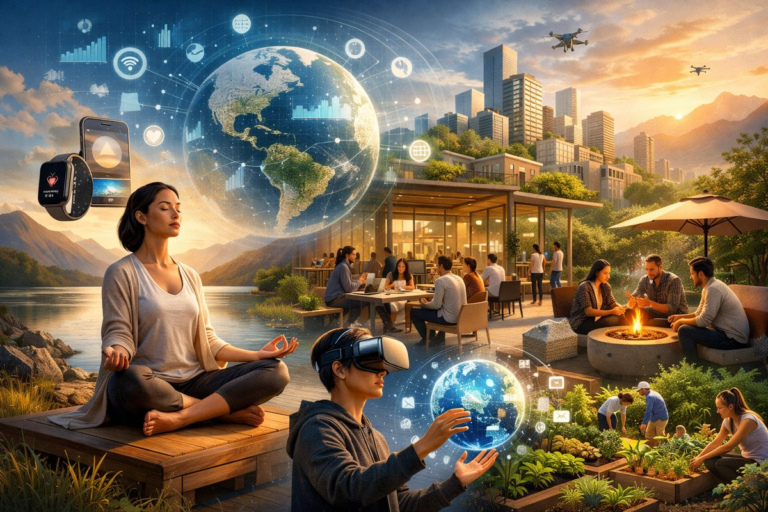
Signals of change appear in how we work, design our spaces, and engage with technology. From smart home assistants to local micro-communities and digital detox rituals, emerging patterns reflect priorities around sustainability, community, and mindful living. Observing these currents offers a roadmap to more balanced and resilient ways of connecting and creating in daily life.
In the daily whirl of notifications, product launches, and social shifts, some patterns start to emerge like currents guiding our collective journey. From the way we work and socialize to how we shape our living spaces and manage our mental wellbeing, signals of change reveal more than fleeting fads; they map where culture, technology, design, and daily life are headed. Tracking these currents offers insights into our priorities, deep anxieties, and aspirations as we navigate an increasingly complex world. Understanding the undercurrents of emerging patterns empowers individuals, communities, and businesses to position themselves where innovation, sustainability, and resilience intersect.
Artificial intelligence has moved beyond novelty demos into the fabric of everyday routines. Voice-activated home hubs coordinate family schedules, adjust lighting to circadian rhythms, and even suggest nutrition plans based on biometric data synchronized from wearable trackers. According to a recent global survey, over 62 percent of households intend to integrate AI assistants by leveraging smart speakers and connected devices within the next 12 months. This surge is powered by advances in natural language processing that enable more conversational, context-aware interactions without strict command syntax. Yet the rise of predictive algorithms also sparks debates around data privacy, algorithmic bias, and emotional dependency as machines begin to anticipate needs before we voice them. The push and pull between convenience and control is shaping a new social contract for our digital ecosystems.
As the boundary between home and office dissolves, hybrid work models continue reshaping rhythms from coast to coast and neighborhood to neighborhood. A recent workplace study reveals that nearly 45 percent of full-time professionals now engage in remote or hybrid arrangements, driving demand for satellite coworking spaces in small towns and pop-up work hubs in community centers, libraries, and even botanical conservatories. These micro-locations emphasize flexible seating, locally roasted coffee partnerships, and community boards where remote workers can organize skill shares, wellness breaks, and informal meet-and-greets. In one midsize city, an old train station was converted into a coworking incubator hosting acoustic live music on Fridays and book swaps at lunchtime, fostering connections that virtual meetings struggle to replicate. This grassroots approach proves hybrid work is not just a change of address but a reinvention of social architecture.
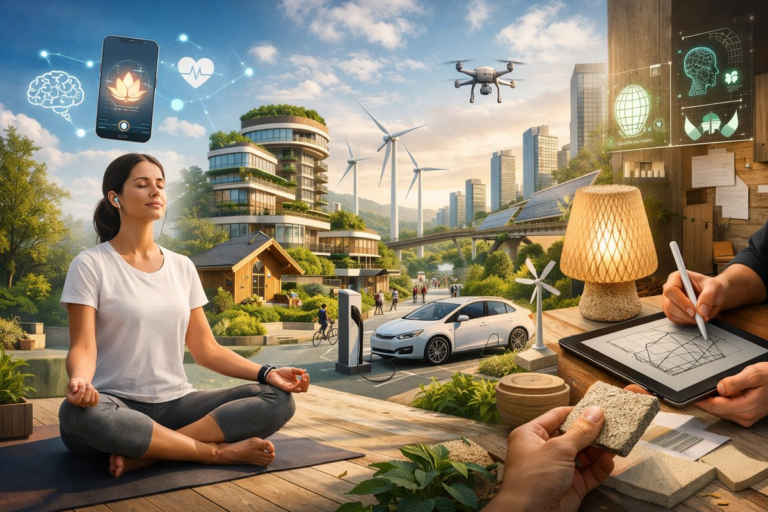
Sustainability has shifted from niche interest to mainstream expectation, seeping into product lifecycles and interior aesthetics alike. Designers embrace upcycled materials, modular furniture systems that evolve as needs shift, and circular economy principles that prioritize repair and reuse. Slow-fashion collectives champion capsule wardrobes of ethically sourced garments that encourage thoughtful curation over endless rotation. Biophilic interiors, featuring living moss walls, trailing vines, and jute-woven rugs, have become leading design tropes for both homes and offices. Workplace surveys indicate that employees surrounded by natural elements report up to a 15 percent boost in wellbeing and creative problem-solving. This trend toward merging organic textures with minimalist functionality speaks to deeper desires for grounding and continuity in a fast-paced world.
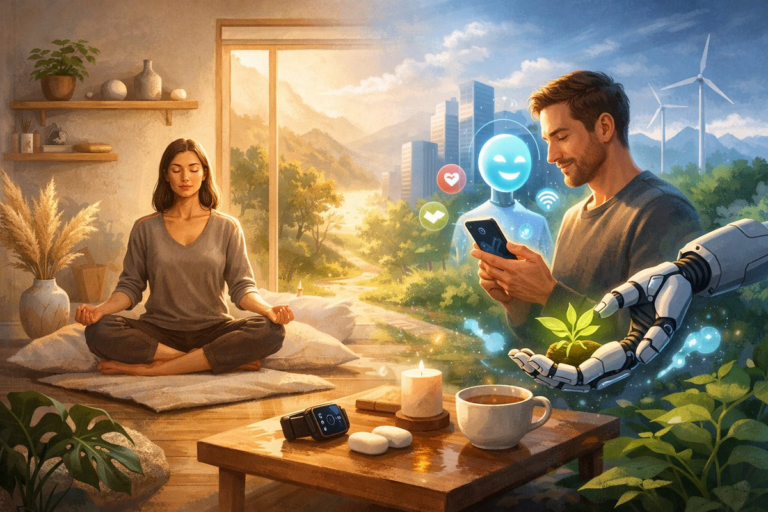
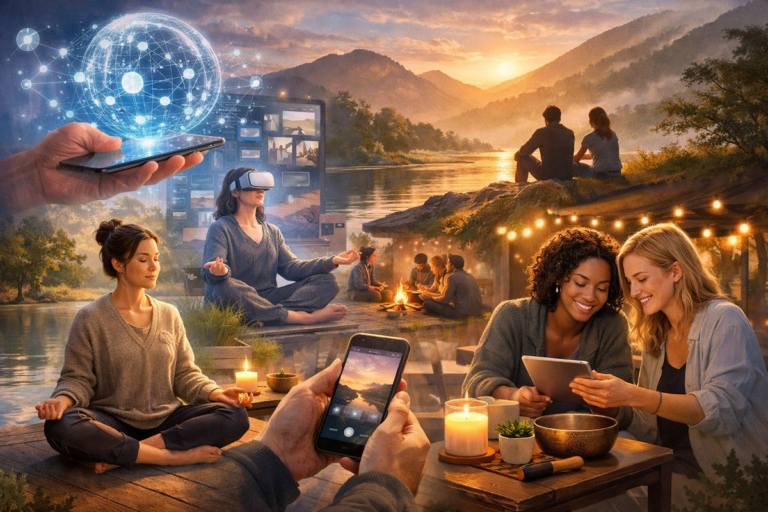
Amid the multiplatform frenzy, a growing number of individuals practice forms of digital minimalism and intentional disengagement. Daily routines might include analog morning rituals-scribbling gratitude lists in a journal, tending to a small plant, or completing morning pages by candlelight. Screen-time dashboards built into smartphones now spotlight usage patterns, while dedicated apps lock distracting programs during focus sprints. In college campuses and corporate offices, analog coworking rooms-no-screen zones equipped with whiteboards, paper pads, and noise-dampening materials-are offering refuge from digital overload. Early adopters report that carving out even brief periods of offline reflection can rewire compulsive checking behaviors, leading to deeper concentration, better sleep quality, and more meaningful face-to-face conversations.
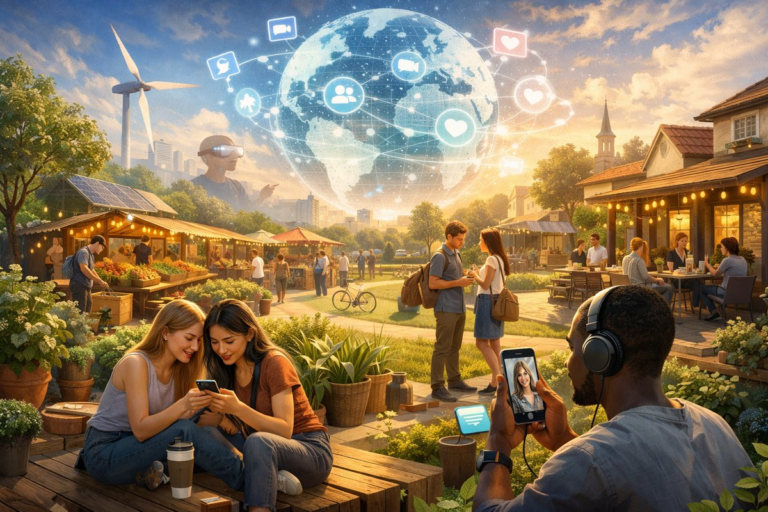
Parallel to global social networks, hyperlocal micro-communities are cropping up around shared interests and mutual support. Community gardens have doubled as classroom spaces for permaculture workshops, seed swaps, and neighborhood potlucks. Time banks enable residents to exchange services-guitar lessons swapped for language tutoring, bike repairs traded for cooking classes-without spending money. Dedicated local apps now facilitate block parties, tool-sharing circles, and youth mentorship meetups, fostering social capital that transcends digital friendships. In one urban neighborhood, a converted shipping container serves as a mini-library and coworking kiosk, offering free Wi-Fi and rotating volunteer-hosted seminars on anything from composting to cryptocurrency basics. Such hyperlocal initiatives reveal that social cohesion often thrives in the interstices overlooked by global platforms.
Wellness transcends the boundaries of fitness studios and standalone apps, integrating seamlessly into daily life. Micro-workouts-five-minute bodyweight circuits or discreet stretch sequences-are choreographed into app reminders that align with calendar openings. Wearable bands deliver gentle vibrations when stress indicators like elevated heart rate or poor sleep patterns appear, prompting users to practice guided breathing techniques or short meditation exercises. Smart hydration reminders sync with reusable water bottles equipped with sensors, encouraging consistent intake throughout the day. Combined with personalized health dashboards built on open standards, these devices aim to detect early markers of burnout and nudge users toward preventive self-care. This blended approach positions wellness not as an afterthought but as an ever-present companion to modern living.
The border between the physical and the virtual continues to blur in retail, art, and public space design. Augmented reality experiences reside not just on smartphones but in interactive storefront windows that respond to passerby movements, overlaying digital art or product demos directly onto glass facades. Muse-style pop-up exhibits leverage mixed reality headsets to guide visitors through historical reenactments or futuristic storytelling. In fashion retail, virtual try-on mirrors allow shoppers to experiment with digital wardrobes, complete with realistic fabric behaviors, before committing to a purchase. Urban planners test AR wayfinding apps that layer community-submitted stories onto street corners, creating an evolving living tapestry of local heritage. These immersive experiences invite participants to reinterpret familiar environments through a digital lens, fostering creative engagement at the intersection of two realms.
Climate anxiety weighs heavily on many, but emerging coping rituals grounded in action provide pathways to empowerment. Subscription plant kits deliver seasonal seedlings along with detailed care guides, helping urban dwellers cultivate desktop micro-gardens that purify air and soothe nerves. Home composters have become accessible appliances, turning kitchen scraps into rich soil for potted herbs and vegetables. Eco-conscious marketplaces offer upcycled home goods-from rugs woven from recycled plastics to statement furniture repurposed from salvaged timber-transforming waste streams into meaningful design features. Community-driven cleanup initiatives and neighborhood repair cafés invite participants to fix broken items rather than discard them, closing loops in material lifecycles. These small but impactful acts of stewardship build both environmental resilience and social solidarity in the face of larger uncertainties.
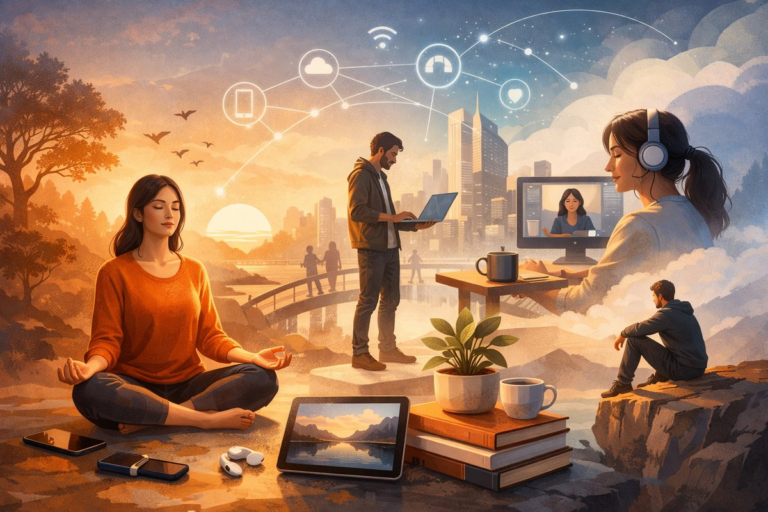
As these currents weave together, they reveal a tapestry of change defined by sustainability, connection, and mindful engagement with technology. Recognizing these signals invites us to participate consciously in shaping tomorrow’s landscapes-be they digital, physical, or somewhere in between. Whether that means incorporating a living wall into a workspace, scheduling daily screen-free moments, or joining a local time bank, each choice becomes a step toward more balanced, resilient futures. By tuning into emerging patterns and aligning personal actions with collective values, we gain the foresight and agency to navigate change with intention and creativity.