Location
Mount Vernon, WA 98274

Location
Mount Vernon, WA 98274
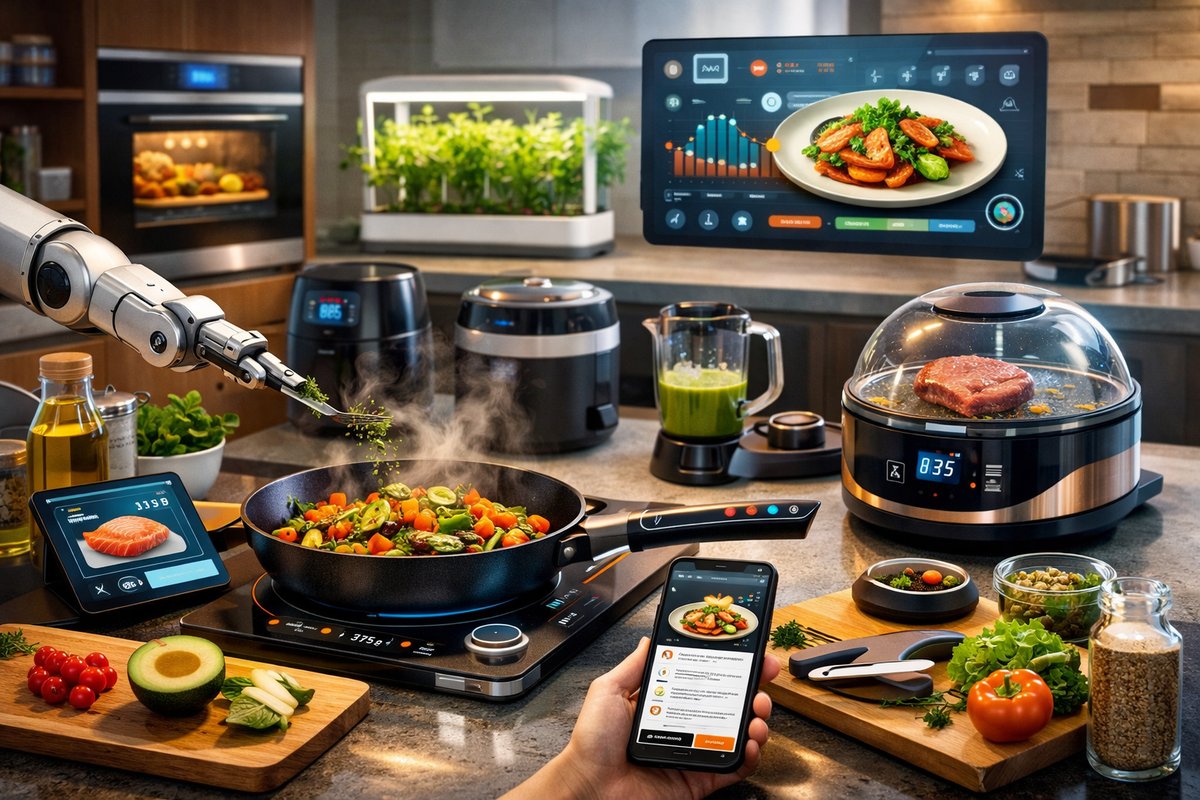
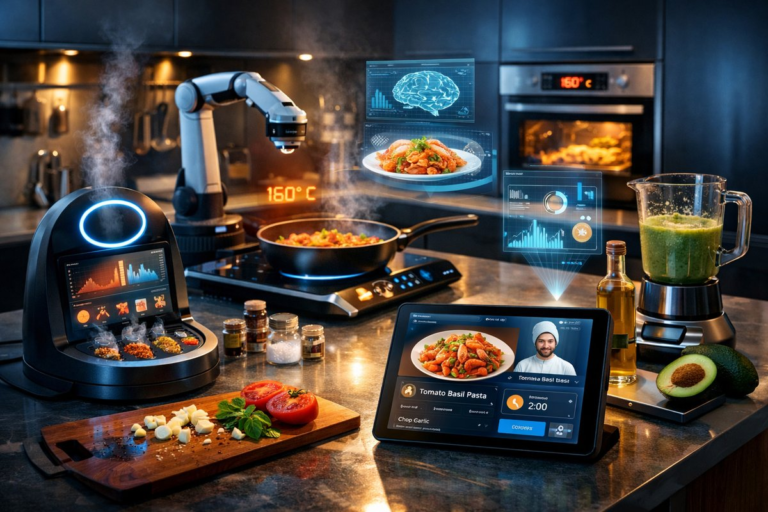
Home chefs are embracing a wave of connected cookware, sensor-driven appliances, and AI-powered recipe platforms that promise to elevate flavor and streamline every step from prep to plate. This surge in kitchen tech blends sustainability, personalization, and multi-sensory design-transforming everyday cooking into a frontier of culinary exploration.
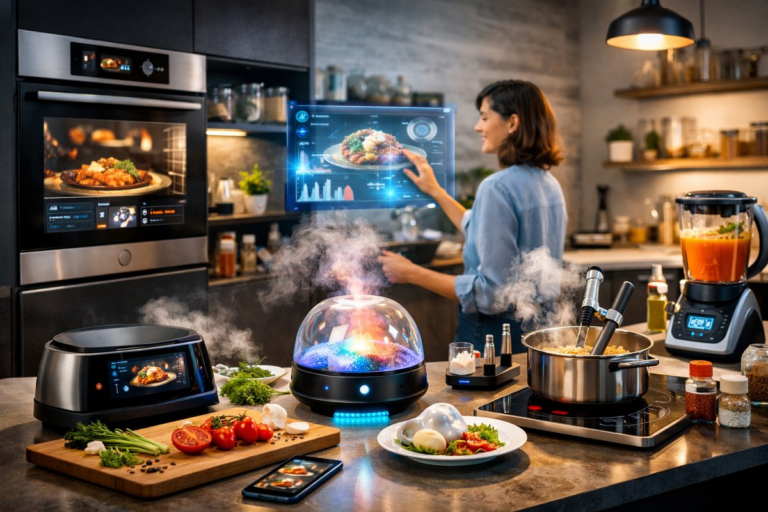
In kitchens around the world, a new generation of gadgets is quietly reshaping how we approach meal preparation. Once relegated to professional test labs, technologies like precision thermal controls, embedded sensors, and augmented reality recipe guides are finding their way into home cooking. From countertop appliances that network with your smartphone to smart utensils that monitor doneness in real time, these innovations promise not only consistency and convenience but also a deeper engagement with ingredients, technique, and sustainable practices.
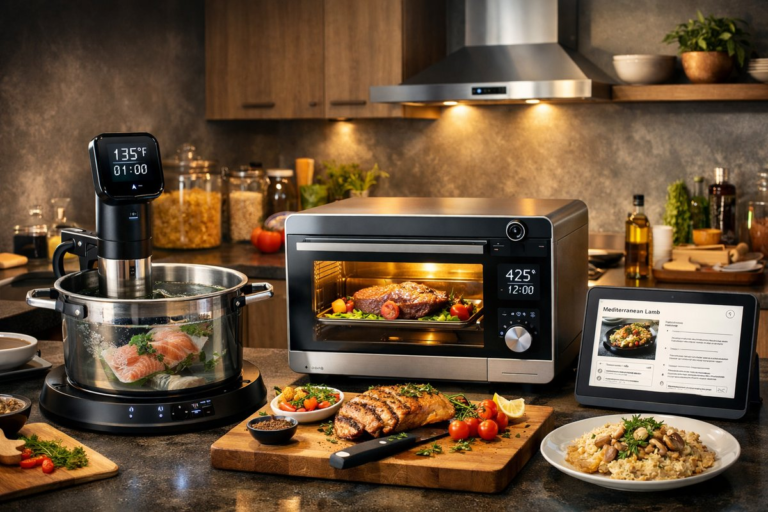
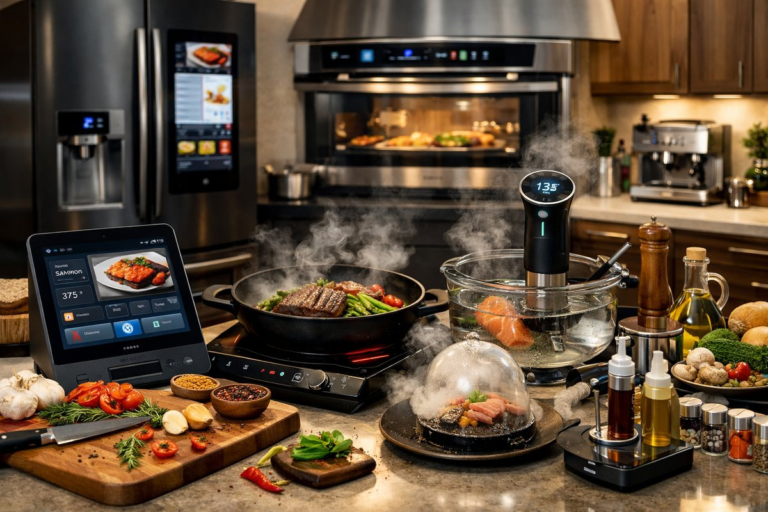
Early adopters describe it as a shift from passive cooking-following instructions in a book-to an active dialogue with technology. Imagine starting a roast by inputting precise weight and cut details into an AI recipe assistant, which then adjusts humidity in a connected counter-top oven, while a companion sensor pod nestled in the meat sends steak-specific progress reports to your phone. By the time dinner guests arrive, the system delivers an alert: “Perfect medium-rare achieved. Begin resting phase.” Far from a gimmick, proponents say these tools grant novice cooks the confidence to tackle complex dishes while empowering seasoned chefs to push flavor boundaries.
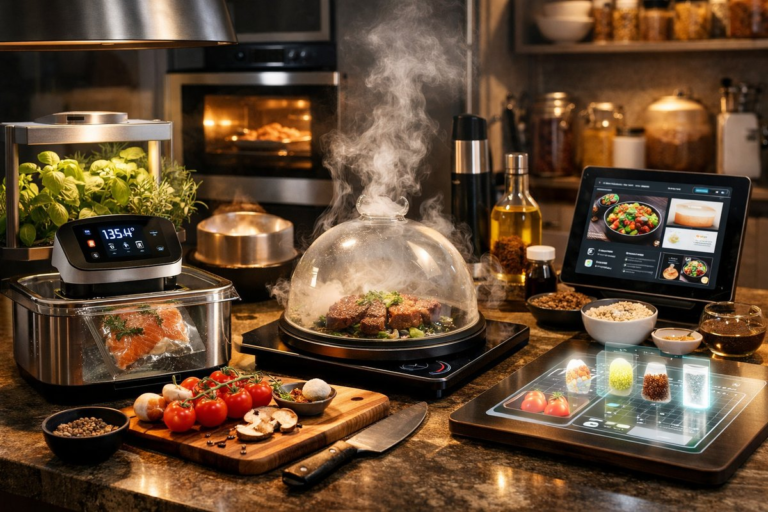
One of the standout trends this year comes from the proliferation of multi-sensor modules-compact, puck-shaped devices that clip to pots, pans, or even produce baskets. Each module can monitor temperature, humidity, pH, and air quality inside an airtight chamber or cooking vessel. As ingredients release moisture or acids, the sensors feed data to an app that offers real-time adjustments. If acidity climbs too fast during vegetable fermentation or temperature spikes beyond safe thresholds when slow-roasting pork belly, the system issues a corrective prompt-“Reduce heat by 3 degrees” or “Stir to redistribute heat.”
Sustainability advocates have also embraced these modules to reduce food waste. Predictive algorithms analyze past cooking sessions and grocery-delivery data to suggest portion adjustments, helping households avoid overbuying. Some apps even integrate with smart compost bins, logging scraps and generating recommendations for next-week meal plans that maximize leftover ingredients. The goal is not simply to dazzle with data, but to foster mindful cooking habits that align with environmental goals.
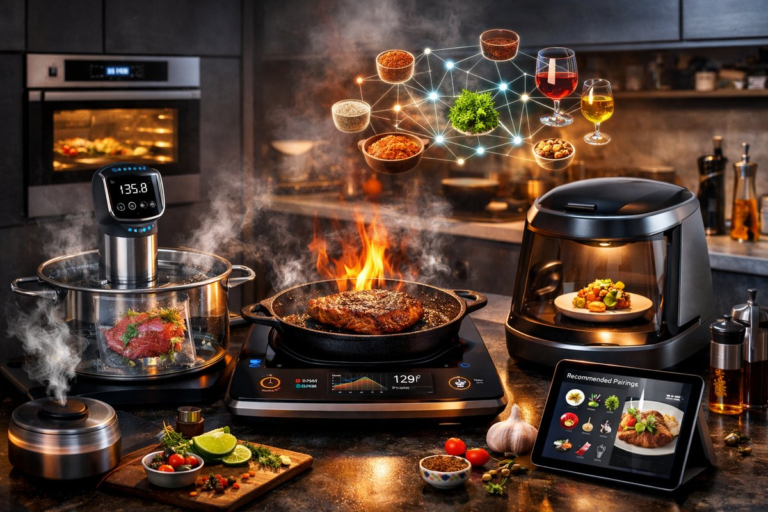
Beyond sensors, the induction cooktop has undergone its own reinvention. Next-gen models feature coil arrays partitioned into multiple zones that can recognize pot shape, size, and material. Instead of adjusting a single heat setting, the cooktop delivers differentiated heat maps, ideal for searing one side of a pan hotter while gently warming a sauce on the adjacent coil. The result is unprecedented control, akin to having multiple burners under a single surface. Combined with powerful magnets under glass surfaces, these units remain remarkably energy-efficient and easy to clean-trading off negligible heat loss for culinary precision.
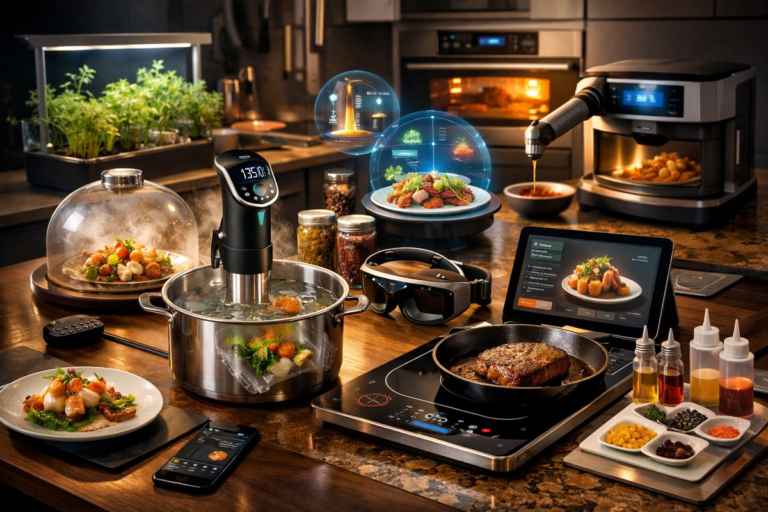
Augmented reality (AR) has emerged as another powerful tool for curious home cooks. By donning lightweight AR glasses or even using a smartphone camera, users can overlay step-by-step visual guides directly onto their work surfaces. Annotations show knife angles for julienne cuts, virtual timers float over simmering pots, and 3D models illustrate plating compositions. Recipes can originate from cloud-based chef networks or AI-driven culinary engines that generate personalized menus based on dietary preferences, seasonal produce availability, and even mood playlists synced to your smart speaker.
App developers are quick to stress data privacy. Cooking profiles-your favorite flavor profiles, allergy information, and shopping habits-remain encrypted on local devices unless you explicitly opt in to share anonymized insights. The philosophy: encourage experimentation without surveilling user behavior. This stands in stark contrast to earlier generations of smart appliances, which tended to collect broad usage data behind closed vendor ecosystems.
Meanwhile, tactile cookware is also getting smarter. High‐thermal-mass ceramic pots integrated with phase-change materials are resurfacing, wrapped in conductive graphene films that distribute heat evenly. When paired with wireless induction elements, these pans can receive power without exposing coils, resulting in seamless temperature adjustment and faster heating cycles. Chefs report that searing performance rivals cast iron, while cleanup remains as effortless as non-stick pans-bridging the gap between durability and ease of use.
The ripple effects extend to ingredient sourcing. Blockchain traceability platforms are emerging to verify seafood provenance, coffee bean origins, and even grain varietals. Scan a QR code on a seed packet or spice jar, and you can trace each step from farm harvest to packaging facility. This transparency aids cooks in making ethical choices and fosters deeper connections with growers. A virtual map might reveal that the heirloom tomatoes in your pantry were nurtured in a regenerative soil project halfway across the globe.
Student housing and co-living communities are also tapping into communal smart kitchens. Shared refrigerators track item check-ins and check-outs via RFID tags, automatically splitting grocery costs among roommates. Interactive recipe walls-vertical touchscreens mounted near communal prep areas-encourage collaborative meal planning by visualizing combined dietary preferences and local market specials. Residents can swipe through ideas, lock in meal slots, and assign group cooking tasks. What once was a logistical headache-coordinating dinner for six-becomes a gamified social experience powered by networked appliances.
Critics caution that too much automation risks dulling basic culinary skills. There’s a counter-movement amongst traditionalists who argue that mastering heat management, knife techniques, and ingredient intuition still matter most. In response, hybrid platforms are popping up, offering both “guidance mode” and “freestyle mode.” In the latter, sensors remain active but only log data passively, allowing cooks to experiment without instruction while capturing performance highlights for later review. It’s a compromise that acknowledges the value of craftsmanship, even in a data-rich kitchen.
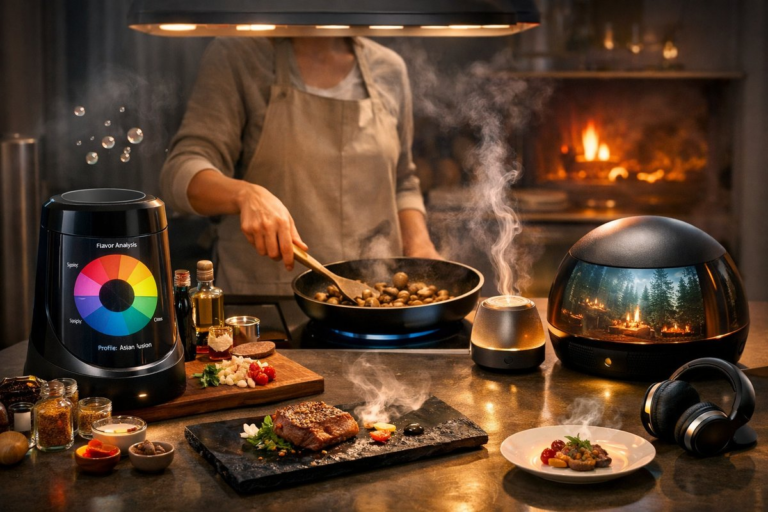
At high-end product trade shows, immersive flavor labs are becoming fixtures. Visitors don scent-stream nozzles to experience aromatic combinations in vapor form before attempting them in actual recipes. Ultrasonic extractors separate volatile aroma compounds from herbs and spices, so chefs can taste concentrated essence spritzes on palm pads. These same devices are finding smaller, consumer-priced siblings-desktop aroma dispensers that elevate sensory dinners by diffusing tailored scent clouds around each guest’s place setting.
Educational institutions are racing to integrate these technologies into culinary curricula. Students learn not only classical French cuts, but also how to calibrate sensor arrays, validate blockchain food data, and construct AR overlays. The next generation of chefs will graduate fluent in both sauce reduction and API integration, capable of conceiving recipes that blend traditional techniques with digital enhancements.
What’s clear is that the kitchen of tomorrow will merge tactile craft with invisible networks. The narrative is not about robots replacing home cooks, but about tools augmenting human creativity-amplifying flavor, reducing uncertainty, and promoting sustainable habits. As these technologies mature and prices fall, the divide between experimental test kitchens and everyday home stoves will continue to shrink.
For curious cooks ready to embrace this high-tech frontier, the key is to start small: integrate one sensor, trial a recipe assistant, or experiment with a connected cooktop zone. By doing so, each cooking session becomes not just a meal, but an opportunity to explore, learn, and co-create with the machines at hand. In this evolving landscape of flavor and function, every dish is an adventure waiting to be decoded, savored, and shared.