Location
Mount Vernon, WA 98274

Location
Mount Vernon, WA 98274
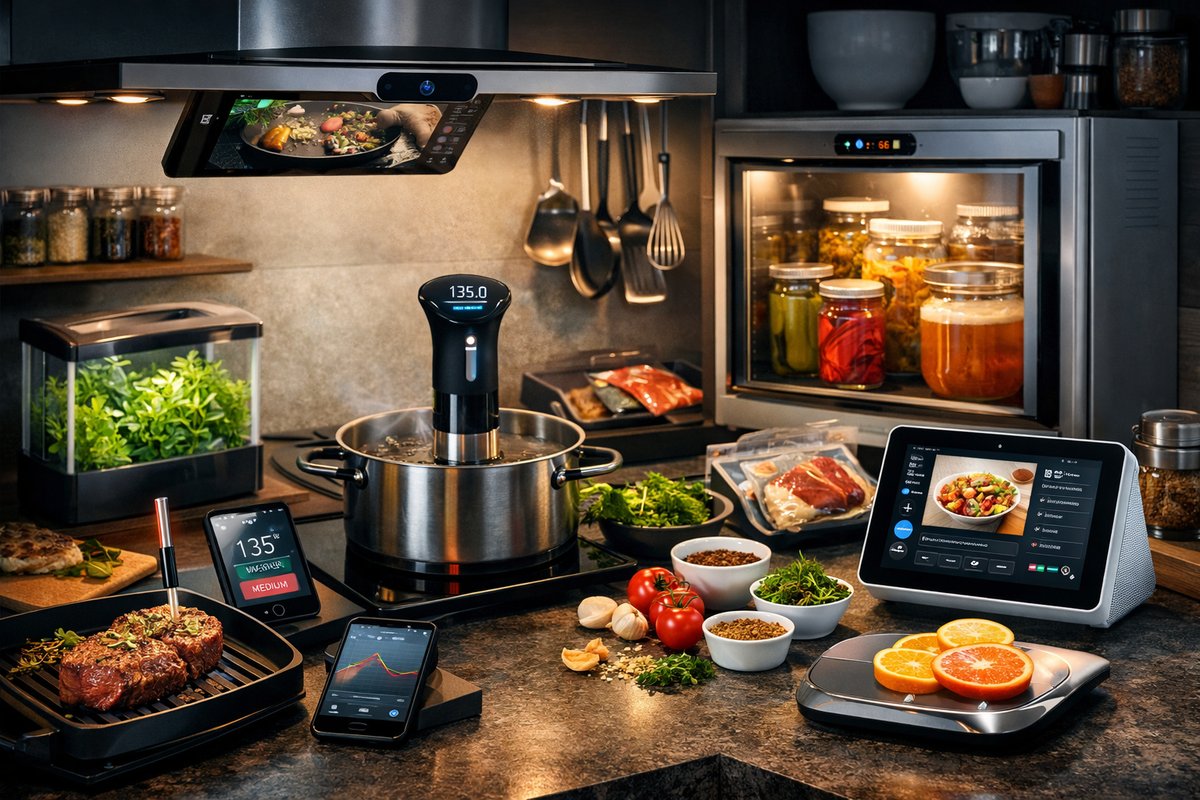
A wave of sensor-driven devices, AI-powered assistants, and precision tools is transforming home kitchens into flavor laboratories. From connected meat thermometers to fermentation chambers, discover how emerging culinary technology is crafting more consistent, sustainable, and playful cooking rituals.
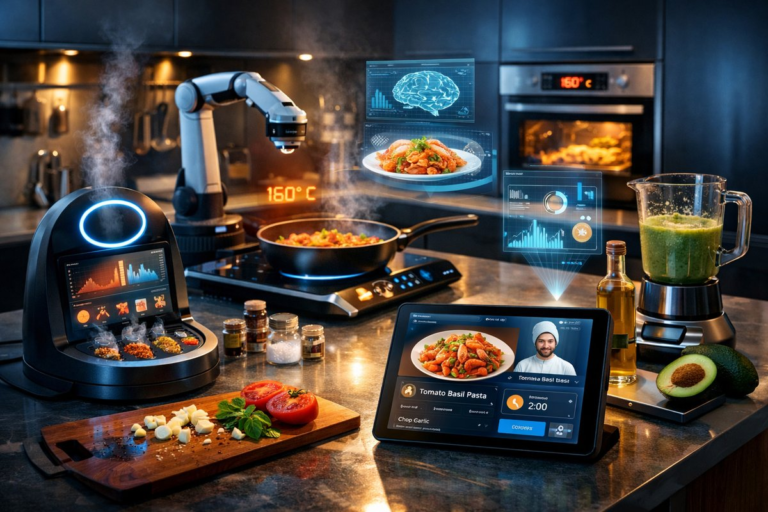
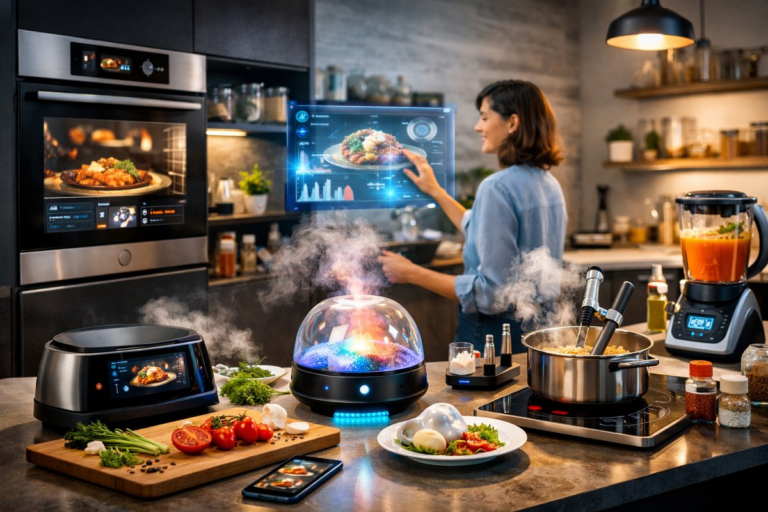
The modern kitchen is steadily evolving from a row of stovetops and cutting boards into a dynamic playground where data and design intersect. Gone are the days when home cooking was purely a sensory exercise guided by instinct and tradition. Today, a network of connected tools and smart devices is ushering in an era of precise temperatures, algorithmic flavor pairings, and real-time feedback. This is more than a shift toward convenience: it’s an invitation to explore flavor as adventure.
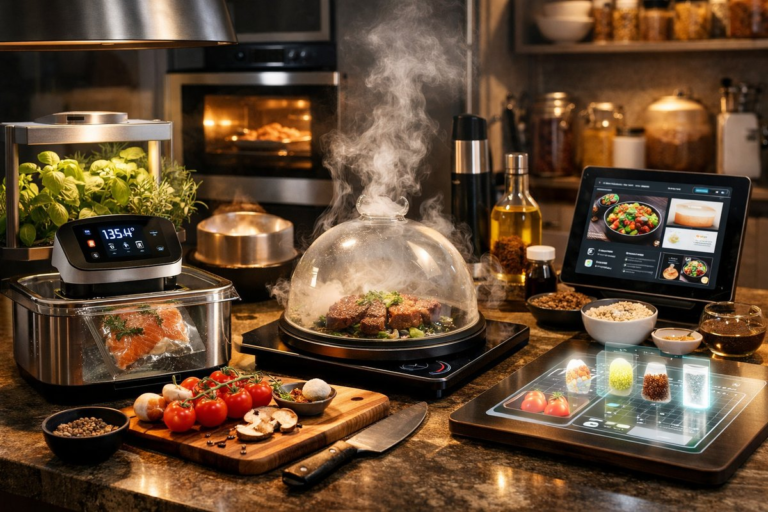
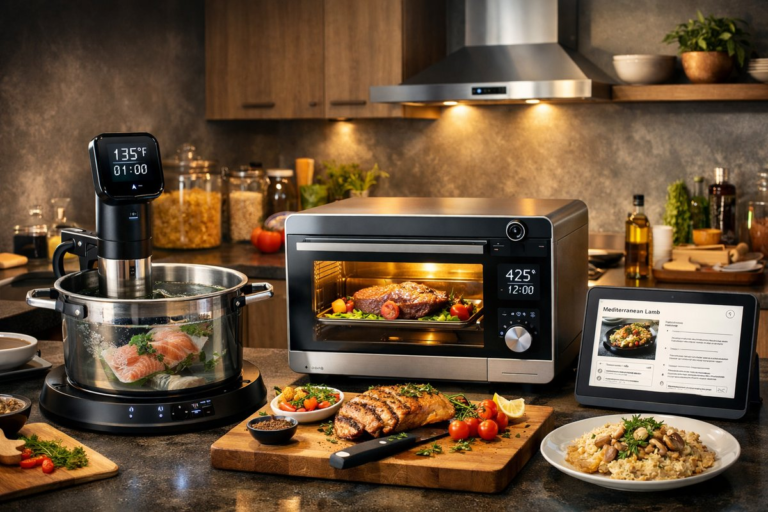
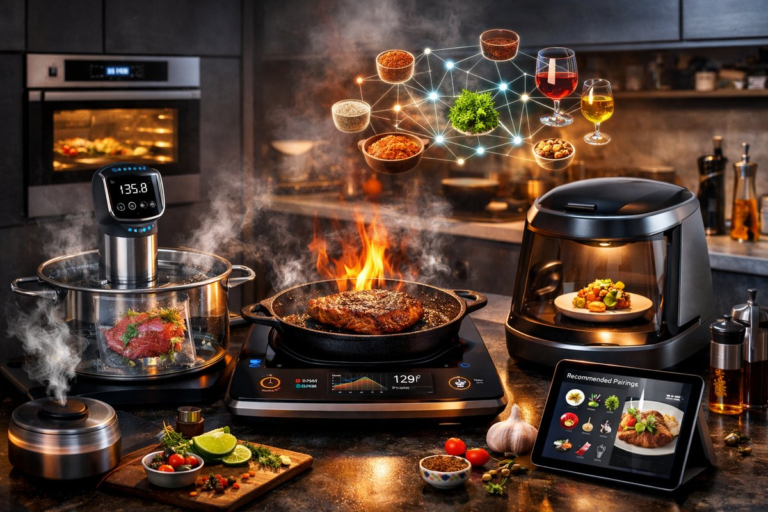
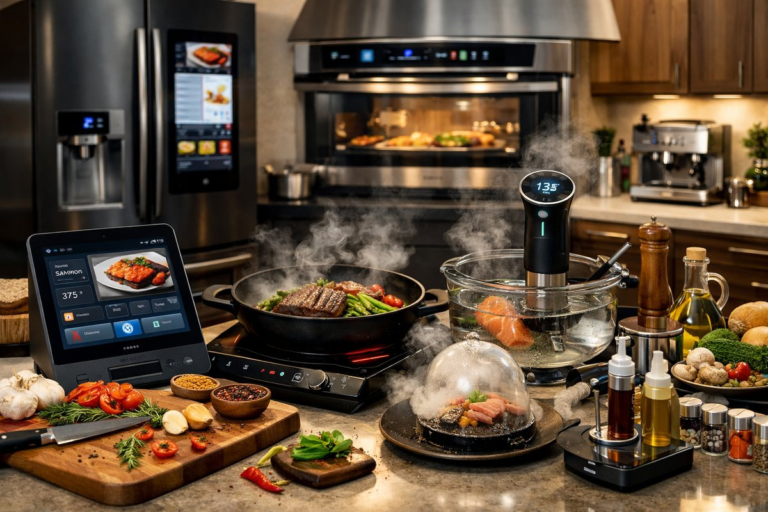
Imagine launching dinner service by scanning a piece of salmon with a handheld scanner that instantly relays optimal sear temperature and moisture targets. Paired with a wireless meat thermometer that sends progress alerts to your phone, each cut of protein emerges pink and succulent, free from guesswork. These sensors aren’t just gadgets-they form a feedback loop that demystifies techniques once reserved for professional chefs. Instant heat readings, weight-based recipe scaling, and automated stir rates allow cooks to focus on creative choices rather than kitchen anxiety.
A growing roster of AI-powered recipe platforms takes this journey deeper. After analyzing ingredient inventories and preference profiles, intelligent apps propose novel pairings-think black tea-infused mole sauce for roasted cauliflower or caramelized banana puree to complement savory curry. Behind the sleek interface lies a database of thousands of taste compounds and historical pairings. As cooks rate dishes and tweak seasoning levels, the system learns, refining its suggestions to each kitchen’s unique palate. What starts as an experimental mash-up can evolve into a signature dish, grounded in scientific insight yet driven by personal taste.
Beyond sensors and software, robotics is making its mark on home cooking. Automated stirrers glide across pots, ensuring perfect risotto texture without standing guard, while pancake-flipping bots produce uniformly shaped griddles in seconds. Compact robotic arms can even assemble simple dishes layer by layer-ideal for burrito bowls or stacked desserts-allowing multitasking without sacrificing precision. These machines choreograph repetitive tasks, freeing cooks to handle more creative or hands-on moments in a meal’s rhythm.
The frontier of flavor adventure extends into molecular gastronomy kits and 3D food printing. Solo cooks can experiment with edible gels, foams, and flavor pearls that were once the exclusive province of high-end restaurants. Compact 3D printers extrude vegetable- and legume-based pastes into intricate shapes, turning pureed carrots into flower petals or beetroot into delicate lattice domes. Although still nascent, this tech promises to merge nutrition science with sculptural plating, offering novel ways to engage diners’ eyes and taste buds simultaneously.
Fermentation, long celebrated for its role in kimchi, kombucha, and yogurt, is also embracing precision. Digital fermentation chambers regulate temperature, humidity, and airflow to cultivate consistent batches of sauerkraut, miso, or sourdough starters year-round. Automated timers and pH probes send alerts when a fizzing brew hits its flavor peak. By removing environmental variables, these units encourage experimentation with exotic cultures-think koji from East Asia or tepache from Central America-expanding home cooks’ microbial toolkit while reducing waste through intentional preservation.
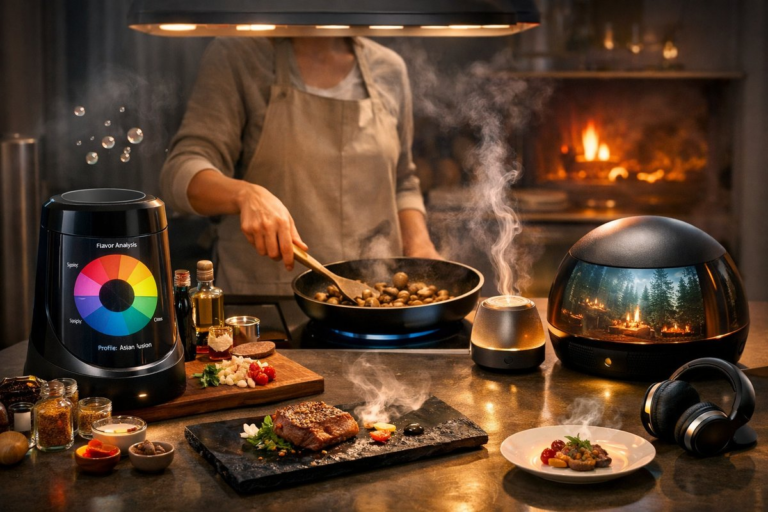
Multisensory dining experiences are another frontier, extending flavor adventure beyond taste and aroma to sight and sound. Smart aroma diffusers release complementary fragrances during each course-citrus bursts for salad, earthy pine for mushroom ragout-while dynamic lighting adjusts hue and intensity to evoke autumnal warmth or seaside freshness. Specialized speakers play subtle soundscapes that can enhance perceived sweetness or acidity in a dish. By orchestrating senses in unison, these immersive setups deepen emotional engagement with meals, turning weekly dinners into memorable events.
Yet technology’s role isn’t limited to novelty. Sustainability has become a central driver behind many kitchen innovations. Smart compost bins analyze waste streams, suggesting recipes that repurpose vegetable scraps into pesto or broth. AI scales calculate precise ingredient quantities, avoiding over-purchases and leftover waste. Connected grids of solar-powered cooking surfaces allow off-grid meal prep, while induction cooktops deliver fast, efficient heat that trims energy consumption compared to fossil-fuel burners. These eco-friendly features empower home cooks to craft delicious meals with a lighter footprint.
Privacy and data security present new considerations as kitchens get smarter. Each device-from scales to ovens-captures usage patterns. Tech providers need transparent policies about how that data is used, whether for recipe improvement, targeted marketing, or product development. Open-source firmware and local-only data processing are emerging as options for privacy-minded cooks. Ultimately, sustaining consumer trust hinges on granting clear visibility into data flows and giving users straightforward controls to opt in or out of analytics features.
The embrace of kitchen tech also shapes the social dimension of cooking. Virtual dinner parties connect friends across continents, with synchronized smart timers ensuring everyone at the video table is flipping steak at the same moment. Remote cooking classes leverage live camera feeds and sensor data, letting instructors monitor dough temperature or garnish technique as if they were beside each participant. This blend of digital connectivity and real-world ritual fosters community, turning meal prep into a shared adventure rather than a solitary chore.
Of course, new tools bring learning curves. Cooks accustomed to intuitive tasting and smell-based adjustments may balk at screens and alerts. Overreliance on technology can dull sensory instincts, making it tempting to follow algorithms instead of trusting one’s palate. The most successful home chefs will strike a balance-using devices for consistency and insight, while retaining the joy of experimenting with textures, colors, and seasonings by hand.
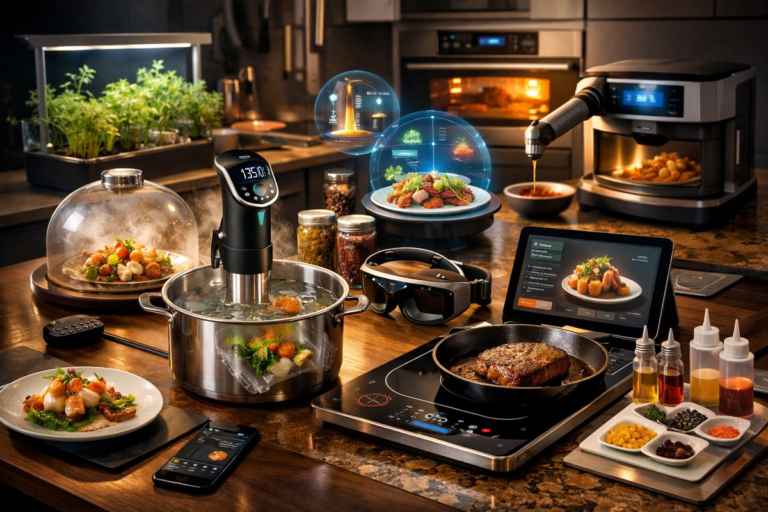
Looking ahead, augmented reality (AR) glasses could project step-by-step plating guides directly onto countertops, highlighting where to place microgreens or swirl sauce trails. Haptic-feedback utensils might vibrate when a sauce reaches the right viscosity, translating sensory cues into gentle pulses. Emerging materials like edible films and smart packaging could release bursts of flavor at designated stages, coaxing restaurant-quality finesse from home setups. Each new development promises to knit technology more seamlessly into the fabric of cooking traditions.
Kitchen tech is not a one-size-fits-all revolution; it’s an evolving toolkit that invites personalization. Enthusiasts can customize dashboards, tinker with open-source modules, or integrate modular components to suit their culinary interests-be it plant-based innovation, artisanal baking, or globally inspired fermentations. As the boundaries between data, design, and flavor continue to blur, cooking transforms from routine task to an ongoing experiment where every meal becomes an opportunity for discovery.
In the end, adventure in cooking arises from both tradition and innovation. Technology amplifies human creativity, offering new textures to explore, timelines to master, and connections to forge. Whether you’re searing the perfect steak with sensor-guided precision, coaxing tangy kombucha in a digital incubator, or sculpting vegetable spirals with a handheld 3D extruder, these tools invite you to depart from the familiar and chart courses toward thrilling new taste horizons.