Location
Mount Vernon, WA 98274

Location
Mount Vernon, WA 98274
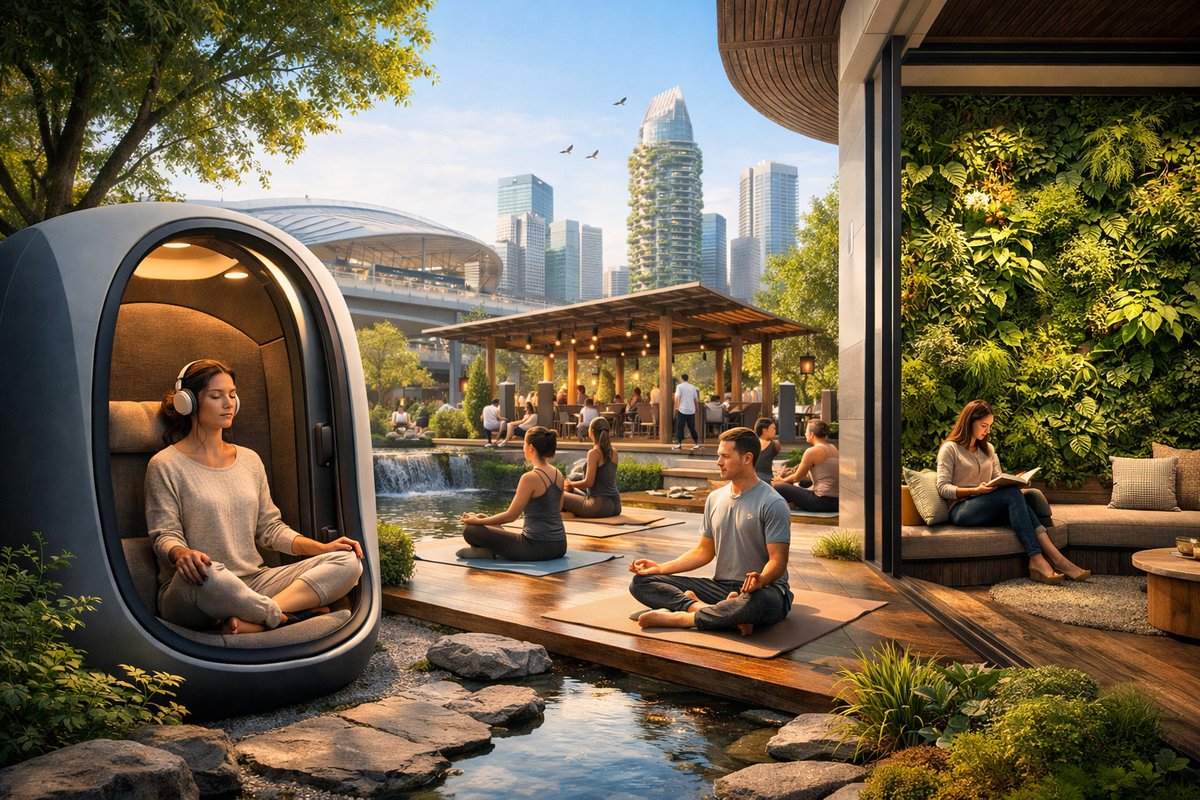
A new wave of health innovations is blending technology, communal spaces and nature to create holistic well-being environments. From digital detox pods at transit centers to biophilic living walls in apartments, this movement refocuses wellness as a foundational pillar for cities and homes alike.
Wellness is no longer confined to fitness studios or spa retreats. Across cities worldwide, a quiet revolution is reshaping how we approach vitality, rest and emotional clarity. New installations in public transit hubs, community centers and residential buildings are presenting modular, technology-infused experiences designed to help people pause, breathe, move and reflect. These efforts reflect a growing understanding that well-being must be embedded in our daily routines-on the way to work, in shared courtyards and even in living rooms.
One of the most visible signs of this transformation has been the proliferation of digital detox pods at commuter rail stations and airport terminals. These sound-proof booths offer guided breathing sessions, gentle light therapy and ambient noise reduction. A recent survey by a global transit study group found that over 60 percent of frequent riders reported lower stress levels after using such pods during busy morning commutes. The concept has expanded into library alcoves, university commons and even mall corridors, providing quick resets without requiring a full retreat.
Sleep health has also earned its place in public design. Corporate campuses are installing dedicated nap zones furnished with cushioned recliners, gentle timed lighting and white-noise machines. Meanwhile, smart sleep trackers and companion mobile apps are now mainstream, enabling users to monitor sleep cycles, ambient temperature and daytime activity correlations. According to industry analysts, the global sleep tech market has grown by nearly 25 percent in the past two years, reflecting concerns over rising insomnia rates among urban professionals.
Movement is being reimagined beyond traditional gyms. Pop-up yoga studios in parks appear alongside modular balance beams and stationary pedal desks integrated into public plazas. Office buildings are experimenting with staircase challenges that light up as people climb, turning daily routines into playful fitness bursts. In one pilot program, employees who chose the interactive stairs logged 30 percent more steps than those using standard escalators-proof that small design tweaks can spark meaningful behavior change.
Mindfulness practices are also migrating into community settings. Neighborhood meditation meetups leverage augmented-reality headsets to transport participants into virtual forests or oceanfront sanctuaries. Local nonprofits have partnered with wellness app developers to offer guided stretch breaks in coworking lounges, enabling remote workers to join simple routines over video. In addition, schools are introducing short, instructor-led breathing workshops before exams, helping students sharpen focus and reduce anxiety.
Nature integration-or biophilic design-has moved inside homes, too. Apartment complexes are hosting rooftop forest-bathing decks, while interior designers build living green walls that purify air and buffer noise. Advances in air purification now combine HEPA filtration with plant-based biofilters, creating small “wellness gardens” under controlled lighting. Research from an environmental health institute indicates that spaces enriched with live plants can boost mood and productivity by up to 15 percent.
Sustainability remains a core value driving this wellness wave. Consumers are opting for eco-friendly yoga mats made of natural tree rubber and recycled cork. Refillable glass water bottles with built-in mineral diffusers have replaced single-use plastic, and plant-powered cushion fillings are emerging as alternatives to synthetic foams. Even packaging for supplements and herbal teas has shifted to compostable materials, reinforcing a mindset that personal health and planetary health go hand in hand.
Emotional clarity tools are gaining traction as well. Journaling apps equipped with sentiment-analysis algorithms encourage users to track their moods and identify recurring triggers. Simple tactile items-such as weighted blankets and fidget rings-are being distributed in shared lounges to help people manage anxiety in real time. Some coworking spaces now stock guided journal prompts by the front desk, inviting members to take five minutes each morning to set intentions for the day.
In one mid-size city, local government launched an innovative micro-wellness initiative this spring. Transit stretch stations have been added at major bus stops-complete with retractable resistance bands and illustrated instructions. Pop-up nap tents operate during peak commute hours in partnership with downtown cafes, while quiet “breathing corners” offer minute-long guided sessions via wall-mounted screens. Preliminary feedback shows riders feeling up to 20 percent less rushed during transfers, a statistic that has city planners considering further rollouts in suburban hubs.
Back home, individuals are creating personal sanctuaries with minimal budget. Sound-masking speakers play custom field recordings of waterfalls or wind through bamboo at adjustable volumes. Compact light therapy lamps simulate sunrise to ease the transition out of sleep, while smartphone-controlled diffusers disperse plant-derived essential oils in measured bursts. These modular setups can be rearranged for yoga stretches one evening and seated journaling the next, underscoring the flexible nature of modern wellness design.
Because data privacy concerns are top of mind, many new wellness apps and devices explicitly avoid cloud-based analytics, storing sleep logs and mood entries locally on the user’s own smartphone. Others employ end-to-end encryption to ensure personal health metrics remain confidential. Transparency dashboards allow people to see exactly which data points are collected and how they are used, reinforcing trust in a field that straddles intimate personal insights.
Looking ahead, experts forecast even deeper convergence between physical and digital experiences. Immersive virtual reality meditation retreats, guided by AI coaches that adapt in real time, are already in early trials at specialized wellness centers. Hybrid membership models blend app-based challenges with in-person events, encouraging accountability through both screen reminders and community meet-ups. The next frontier may involve robotic companions offering posture corrections during desk work or sleep-stage-aware blankets adjusting temperature throughout the night.
For those eager to adopt elements of this new landscape, small steps can yield big gains. Begin by scheduling a daily two-minute breathing break using a free guided audio track. Add a few potted plants to a desk corner and observe any shifts in focus. Experiment with an eco-friendly movement accessory-like a compact balance board-to inject micro-exercise into routine. Integrate a simple mood-tracking journal entry each evening, then review trends at week’s end. By layering these approachable tools, individuals can craft a wellness ecosystem tailored to their own rhythms.
Wellness is no longer a luxury or a weekend escape: it has become a dynamic tapestry woven into our city streets, work routines and living spaces. As technology, community programs and sustainable design continue to converge, people everywhere are discovering that well-being can be both an accessible daily practice and a shared civic asset. In this evolving landscape, the true foundation of health lies not only in isolated choices-but in the environments and social systems that invite us to rest, move and reflect wherever we go.