Location
Mount Vernon, WA 98274

Location
Mount Vernon, WA 98274

Wellness transcends fleeting trends, anchoring itself in the consistent nurturing of body and mind. By embracing holistic practices that harmonize physical movement, restful sleep, and emotional clarity, individuals can cultivate sustainable vitality and resilience in today's fast-paced world.
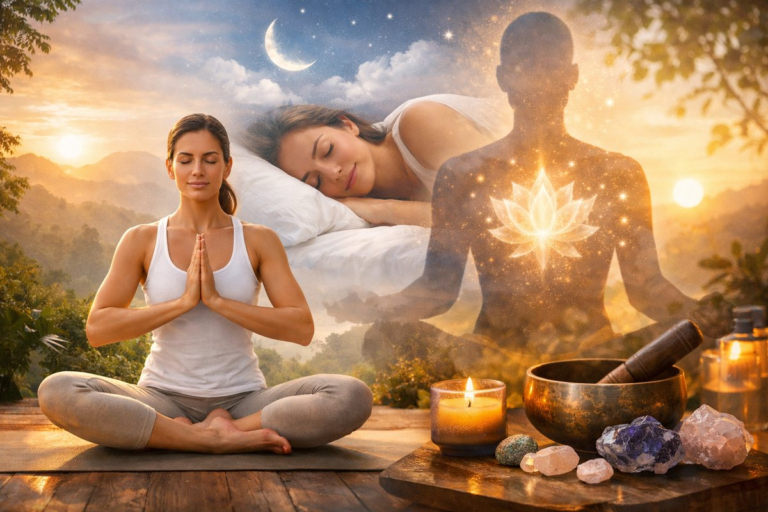
In an era marked by rapid technological advances and constant connectivity, the pursuit of wellness has become more vital than ever. Yet, wellness is often misunderstood as a series of quick fixes or trendy fads. True wellness is a foundational commitment to nurturing the intricate balance between body, mind, and environment. This article explores practical approaches to cultivating vitality through mindful movement, restorative sleep, and emotional clarity-pillars that support a resilient and flourishing life.
Movement is often the most accessible gateway to enhanced vitality. Beyond conventional exercise routines, movement can be an expressive and mindful practice that reconnects us with our bodies. Recent research highlights the benefits of integrating gentle, intentional movement such as yoga, tai chi, or even mindful walking into daily life. These practices not only improve cardiovascular health and flexibility but also foster a deeper awareness of bodily sensations and emotional states. For example, mindful walking encourages presence with each step, grounding the mind and reducing stress.
The quality of sleep is another cornerstone of wellness. Sleep is not merely a period of rest but an active process of physiological restoration and cognitive processing. Sleep science has advanced our understanding of circadian rhythms and the impact of environmental factors such as light exposure and temperature on sleep quality. Creating a sleep-friendly environment-cool, dark, and quiet-combined with consistent bedtime routines can significantly enhance restorative sleep. Additionally, practices like progressive muscle relaxation or guided meditation before bed can ease the transition to sleep and improve overall sleep architecture.
Emotional clarity-the ability to recognize, understand, and manage one’s emotions-is equally essential for holistic wellness. Emotional intelligence contributes to resilience, better decision-making, and healthier relationships. Techniques such as journaling, breathwork, and mindfulness meditation cultivate emotional clarity by encouraging introspection and self-compassion. Neuroscientific studies reveal that regular mindfulness practice can rewire neural pathways to reduce reactivity and enhance emotional regulation.
Integrating these pillars requires intentional lifestyle adjustments rather than isolated actions. For instance, combining movement with mindfulness transforms exercise into a meditative experience that benefits both body and mind. Similarly, prioritizing sleep hygiene supports emotional regulation by replenishing cognitive resources needed to manage stress. The synergy between these elements creates a feedback loop that amplifies overall wellness.
Environmental sustainability also plays a subtle but significant role in personal wellness. Choosing eco-friendly materials for sleep and movement aids, reducing exposure to synthetic chemicals, and spending time in nature can enhance physical and mental health. Nature exposure, in particular, has been linked to reduced cortisol levels and improved mood, reinforcing the interconnectedness of personal and planetary well-being.
Technology can be both a challenge and an asset in the wellness journey. While excessive screen time disrupts sleep and fosters distraction, thoughtfully selected digital tools can support mindfulness, track sleep patterns, and guide movement practices. The key lies in mindful technology use-setting boundaries, curating content, and leveraging apps that promote wellness without overwhelming the user.
Social connection is another vital dimension often overlooked in wellness discussions. Engaging with supportive communities encourages accountability, shared learning, and emotional nourishment. Whether through group classes, wellness workshops, or online forums, social engagement enriches the wellness experience and mitigates feelings of isolation.
Ultimately, wellness is a dynamic, evolving process that invites curiosity and compassion. It is less about perfection and more about consistent, compassionate choices that honor the complexity of human experience. By embracing movement that feels good, cultivating restful sleep, nurturing emotional clarity, and fostering sustainable habits, individuals can build a resilient foundation for lifelong vitality.
This holistic approach to wellness encourages us to listen deeply to our bodies and minds, to respect natural rhythms, and to engage with the world around us in ways that promote balance and flourishing. In doing so, wellness becomes not a destination but a lifelong journey of discovery and growth.