Location
Mount Vernon, WA 98274

Location
Mount Vernon, WA 98274
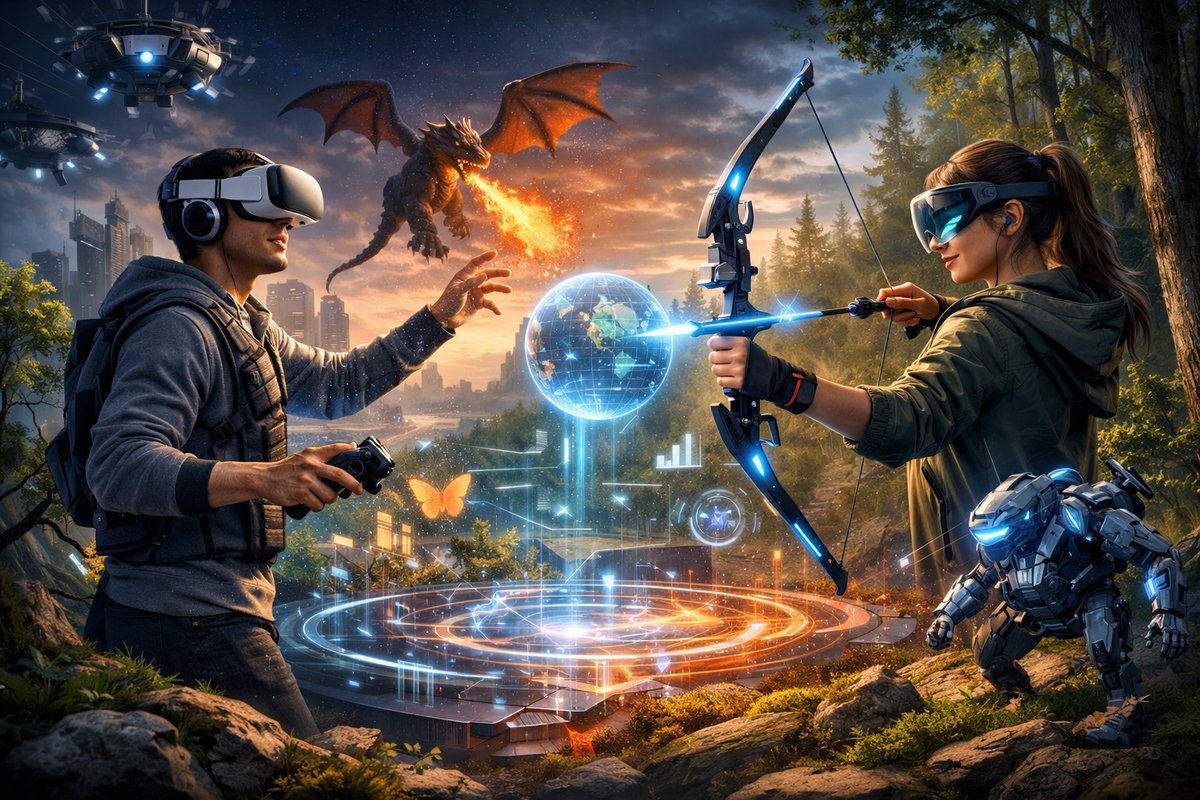
As gaming technology evolves beyond traditional screens, players are immersing themselves in experiences that blend physical and digital realities. From adaptive environments to emotionally intelligent gameplay, the entertainment landscape is reshaping how we play, connect, and engage.
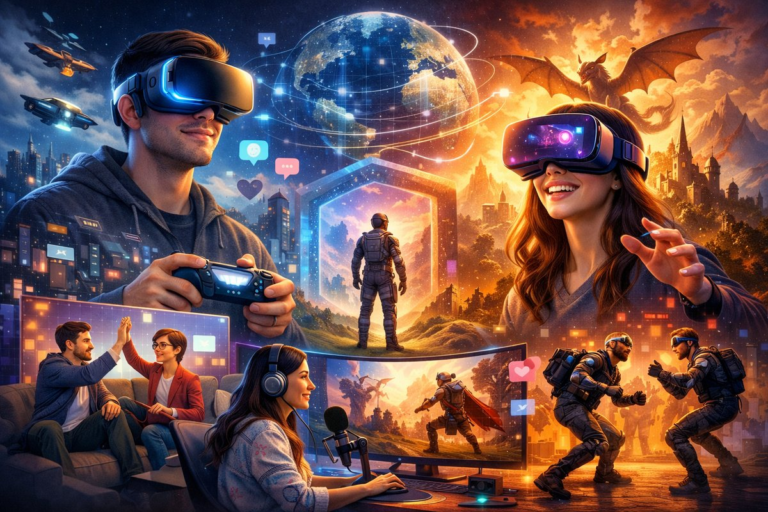
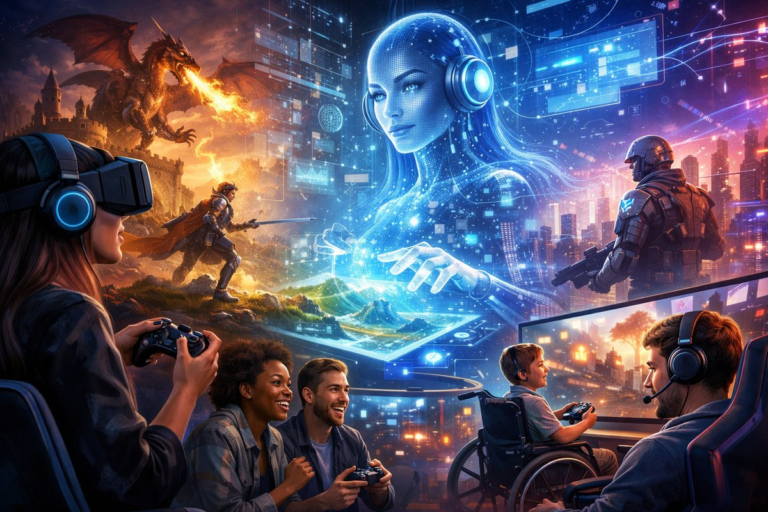
Gaming and entertainment have entered a phase of rapid transformation, driven by advances in technology and a deepening understanding of player psychology. What was once a pastime limited to consoles and screens is now a multidimensional experience that integrates immersive environments, adaptive storytelling, and emotional responsiveness. These innovations not only redefine how games are played but also how they impact our social connections and mental engagement.
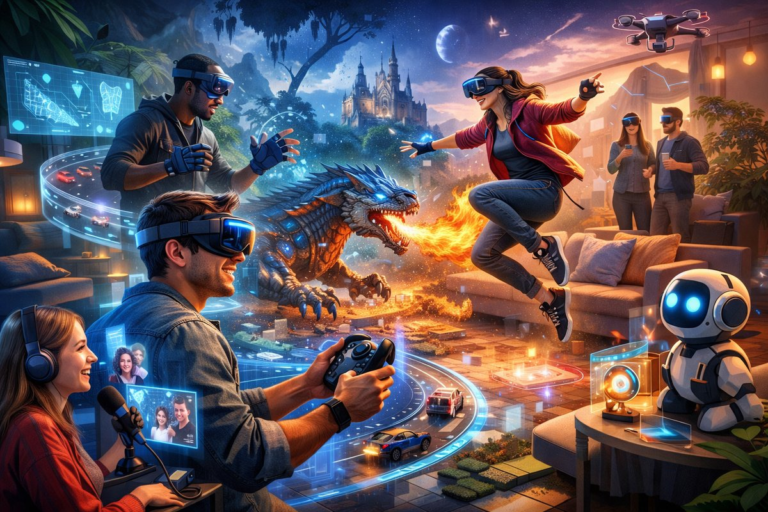
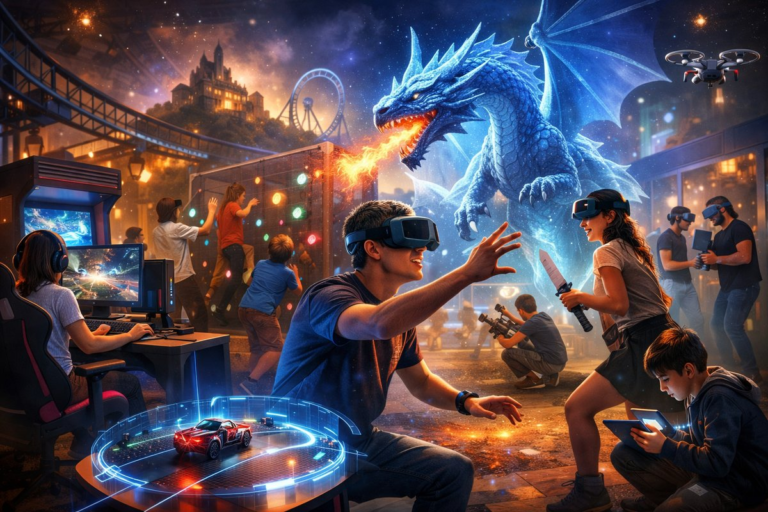
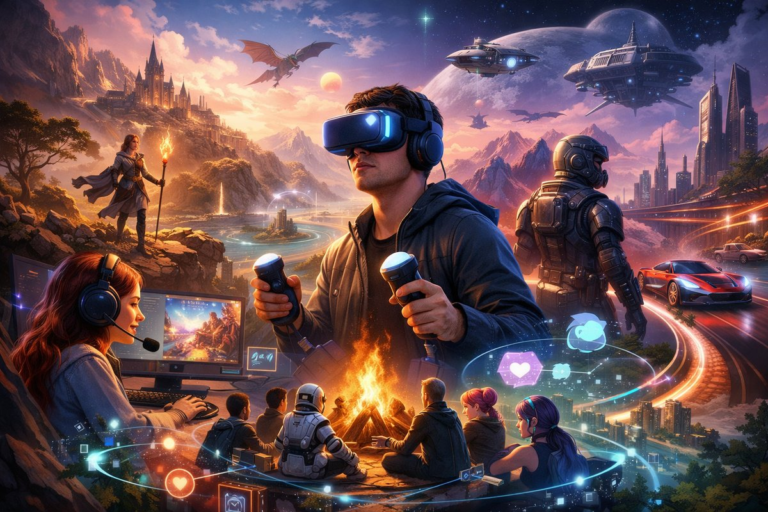
One of the most striking developments is the expansion of immersive play spaces. Beyond virtual reality headsets, players are increasingly interacting with games that respond dynamically to their physical surroundings. Mixed reality environments use spatial sensors and real-time mapping to blend digital elements seamlessly into the real world, allowing players to navigate hybrid spaces where virtual and physical objects coexist. This creates a sense of presence and agency that traditional gaming setups struggle to replicate.
At the heart of these advancements is a commitment to player-centric design, which prioritizes individual preferences, emotional states, and cognitive styles. Games now incorporate adaptive difficulty algorithms that learn from a player’s performance and adjust challenges accordingly, maintaining engagement without causing frustration. Moreover, emotionally intelligent NPCs (non-player characters) use machine learning to recognize player moods and respond with empathy or encouragement, fostering a more meaningful narrative experience.
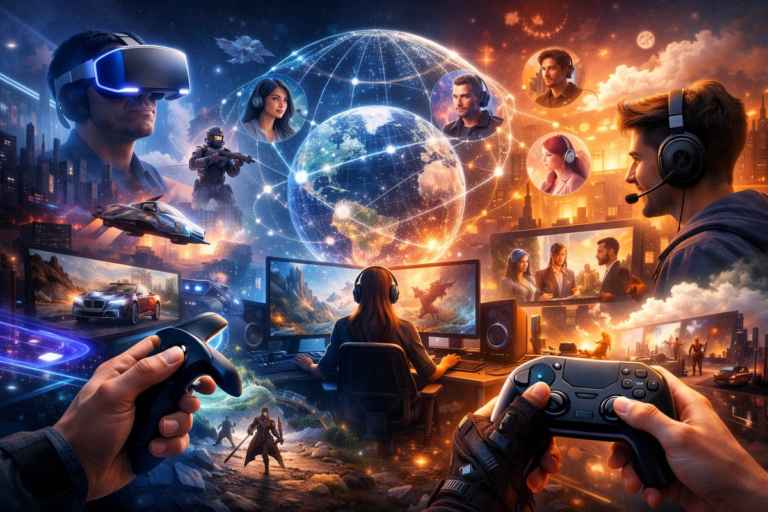
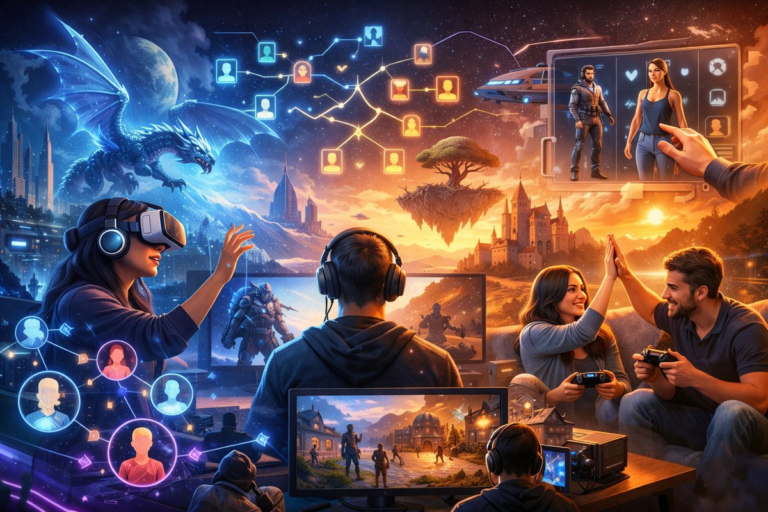
Social connectivity remains a core pillar of entertainment evolution. Modern multiplayer platforms emphasize not only competition but collaboration and community-building. Innovative matchmaking systems pair players based on shared interests, play styles, and even complementary emotional dynamics. This approach nurtures supportive networks that extend beyond the game, enhancing player well-being and sustaining long-term engagement.
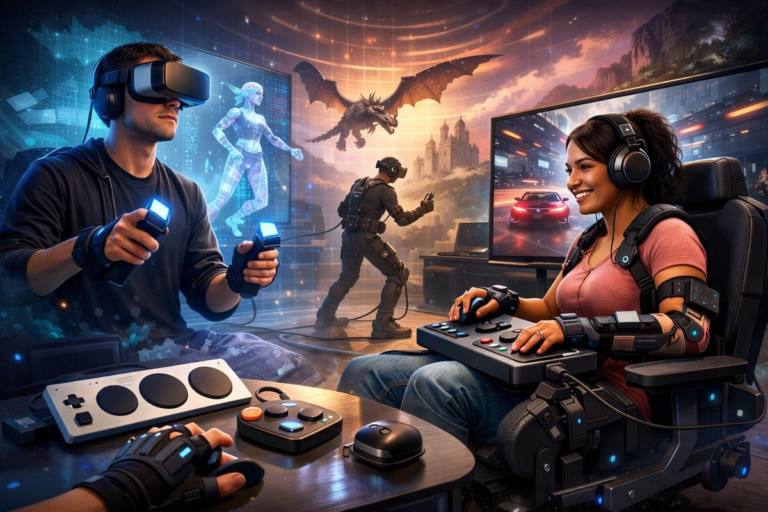
Meanwhile, accessibility is becoming integral to game design. Developers are integrating customizable controls, adaptive audio-visual feedback, and inclusive narratives to ensure that diverse audiences can fully participate. This inclusivity broadens the cultural and demographic reach of gaming, enriching the community and inspiring creative storytelling from varied perspectives.
Complementing these digital advances is a renewed focus on physical gaming setups that enhance immersion and comfort. Ergonomically designed chairs, haptic feedback devices, and spatial audio systems are now standard components for serious players seeking to deepen their engagement. These tools not only improve gameplay precision but also promote healthier play habits by reducing strain and fatigue.
Environmental sustainability is also gaining traction within the gaming industry. From energy-efficient hardware to recyclable packaging, both developers and consumers are becoming more conscious of their ecological footprint. Some games integrate themes of environmental stewardship directly into their narratives, encouraging players to reflect on real-world issues through interactive storytelling.
The convergence of these trends points toward a future where gaming and entertainment are deeply intertwined with everyday life, offering experiences that are as emotionally rich as they are technically impressive. As players continue to seek out novel ways to connect, challenge themselves, and express creativity, the industry’s innovations will no doubt shape cultural landscapes for years to come.