Location
Mount Vernon, WA 98274

Location
Mount Vernon, WA 98274
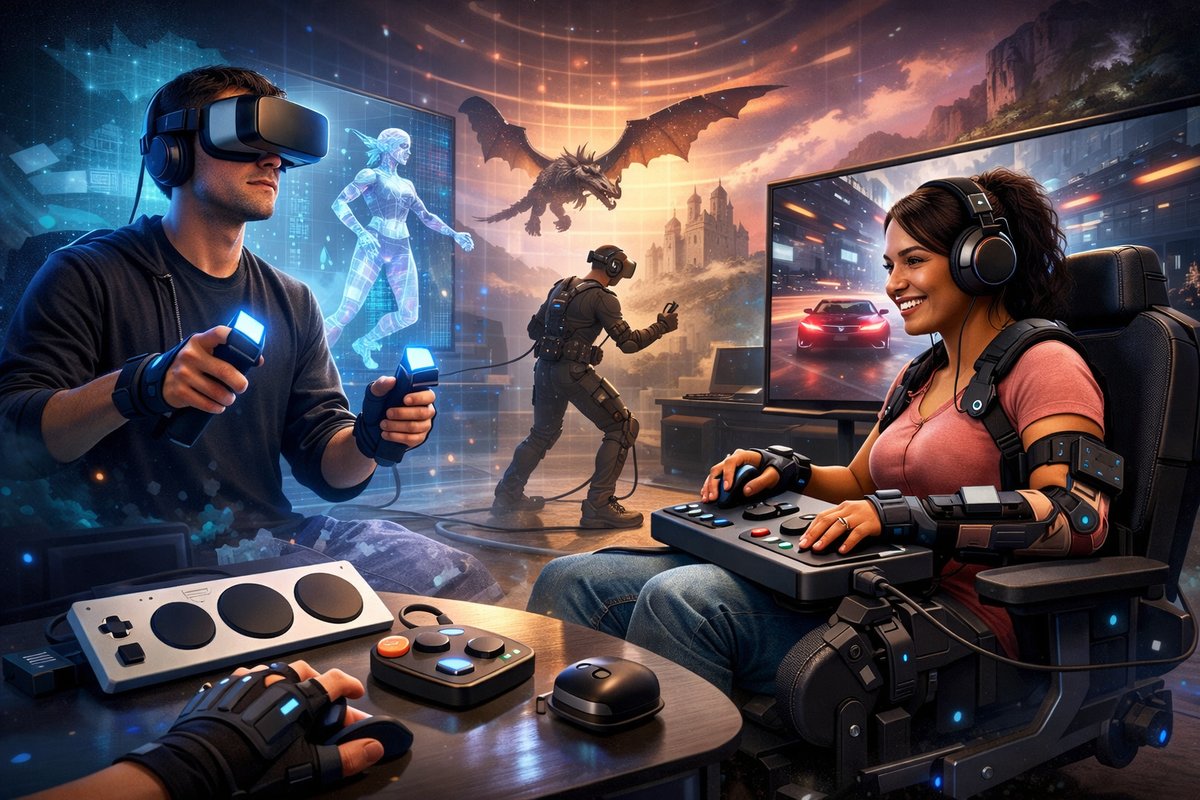
Gaming continues to evolve beyond mere screens, embracing adaptive technology and player-centric design to create deeply immersive experiences. This shift not only redefines how players interact with games but also how entertainment ecosystems support diverse playstyles and accessibility needs.
The landscape of games and entertainment is undergoing a remarkable transformation, driven by technological advances and a growing emphasis on player empowerment. No longer confined to traditional controllers and flat screens, modern gaming experiences increasingly integrate adaptive hardware, AI-driven personalization, and community-centric design principles to craft immersive worlds that respond dynamically to individual players. This evolution challenges the conventional boundaries of play, inviting users to engage more meaningfully with content while supporting a broader spectrum of accessibility and emotional connection.
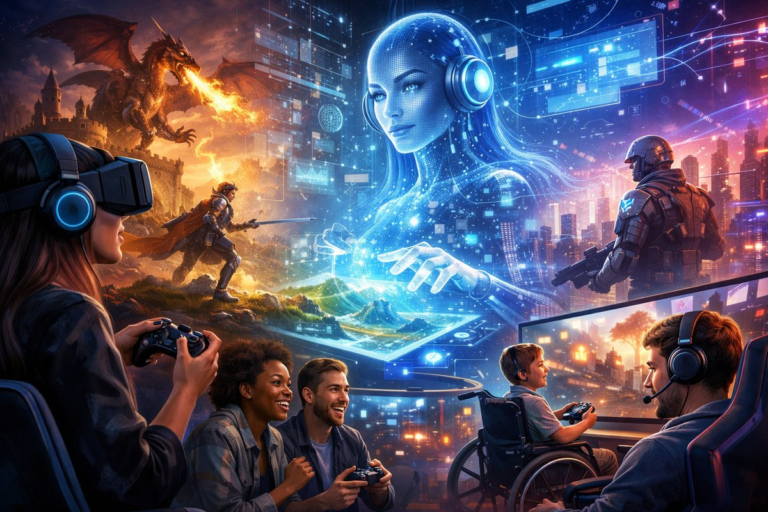
One of the most significant shifts in recent years is the move toward adaptive gaming technologies. These innovations are designed to accommodate players with varying physical abilities and preferences, breaking down barriers that historically limited participation. For example, customizable controllers with remappable buttons and modular components allow players to tailor input devices to their unique needs. This not only fosters inclusivity but also enhances comfort and precision, which can profoundly impact gameplay quality and immersion.
Beyond hardware, software is becoming increasingly player-centric. AI algorithms now analyze player behavior and preferences to adjust game difficulty, narrative branching, and environmental interactions in real-time. Such responsiveness ensures that players remain challenged without frustration and are emotionally engaged with the story arcs that resonate most deeply with them. This form of adaptive storytelling is redefining narrative experiences, making games feel more like personalized journeys than static adventures.
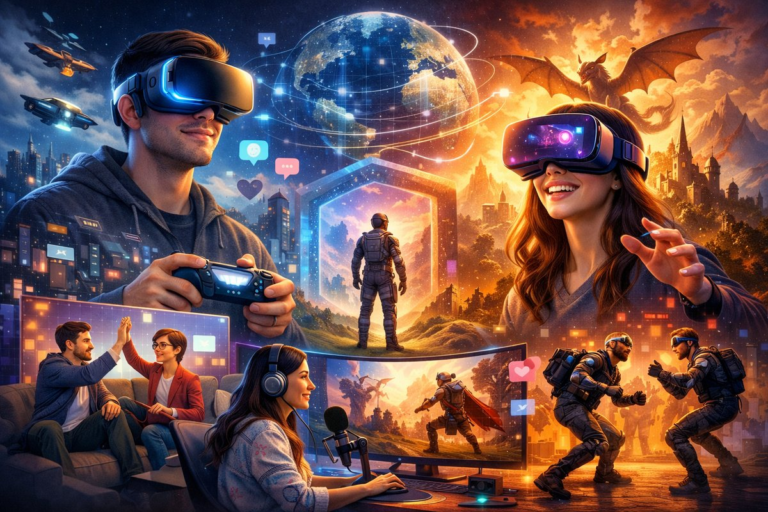
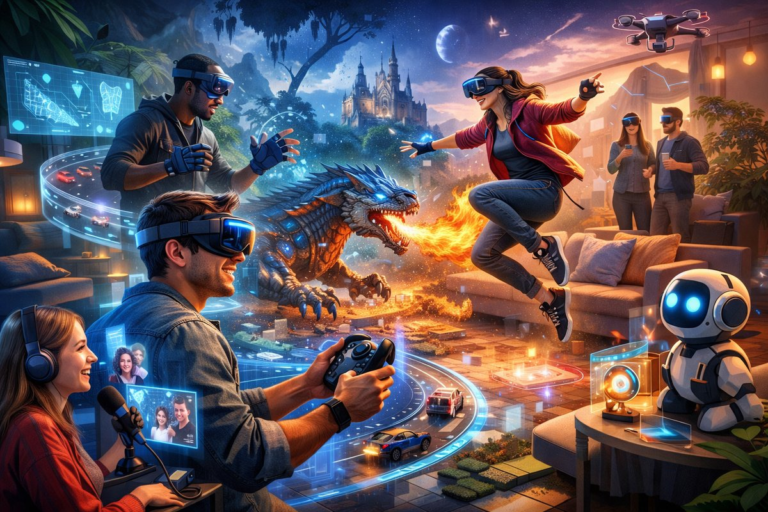
Immersive technologies such as virtual reality (VR), augmented reality (AR), and mixed reality (MR) continue to push the envelope of presence and interaction. While VR headsets have gained mainstream traction, the integration of haptic feedback suits and spatial audio systems amplifies sensory immersion, enabling players to feel subtle environmental cues and physical sensations that deepen emotional investment. Meanwhile, AR applications blend digital content seamlessly with real-world environments, expanding the playground beyond the screen and into everyday life.
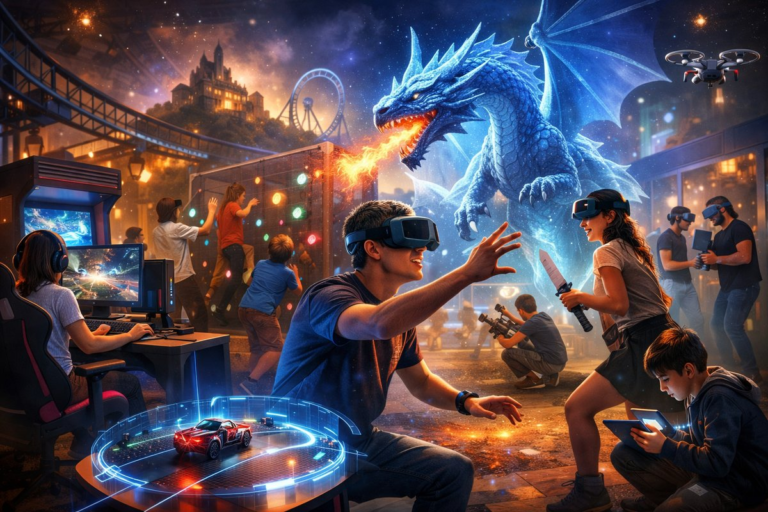
Community and social interaction remain at the heart of modern gaming ecosystems. Platforms that facilitate cooperative gameplay, content creation, and shared experiences cultivate vibrant communities that extend the life and meaning of games. These social dynamics encourage players to collaborate, compete, and co-create, fostering a sense of belonging and shared purpose. Moreover, user-generated content tools empower players to influence game worlds directly, blurring the lines between creators and consumers.
Sustainability and ethical design are emerging priorities within the industry as well. Developers and hardware manufacturers increasingly recognize the environmental impact of production and energy consumption. This awareness has spurred innovation in energy-efficient consoles, recyclable materials, and longer-lasting components, aligning entertainment technology with broader ecological values. Likewise, privacy-conscious game design respects player data and promotes transparent digital interactions, building trust in an era of heightened online scrutiny.
For players and enthusiasts seeking to level up their setups, a curated selection of gear now supports these cutting-edge experiences. Ergonomic gaming chairs and desks optimize physical comfort for extended sessions, while high-fidelity headsets with surround sound deliver immersive audio cues critical for competitive and narrative play. Mechanical keyboards with customizable switches and RGB lighting enhance tactile feedback and personalization, complementing the adaptability theme. Streaming devices and media players facilitate seamless access to game-related content, documentaries, and eSports events, integrating entertainment beyond the gameplay itself.
As the industry continues to innovate, the future of gaming promises even more profound integration of technology, storytelling, and human-centered design. Players are no longer passive recipients but active participants shaping their adventures and communities. This democratization of play, supported by adaptive tools and immersive tech, invites everyone to discover new worlds and forge meaningful connections through entertainment that respects individuality, accessibility, and sustainability.