Location
Mount Vernon, WA 98274

Location
Mount Vernon, WA 98274
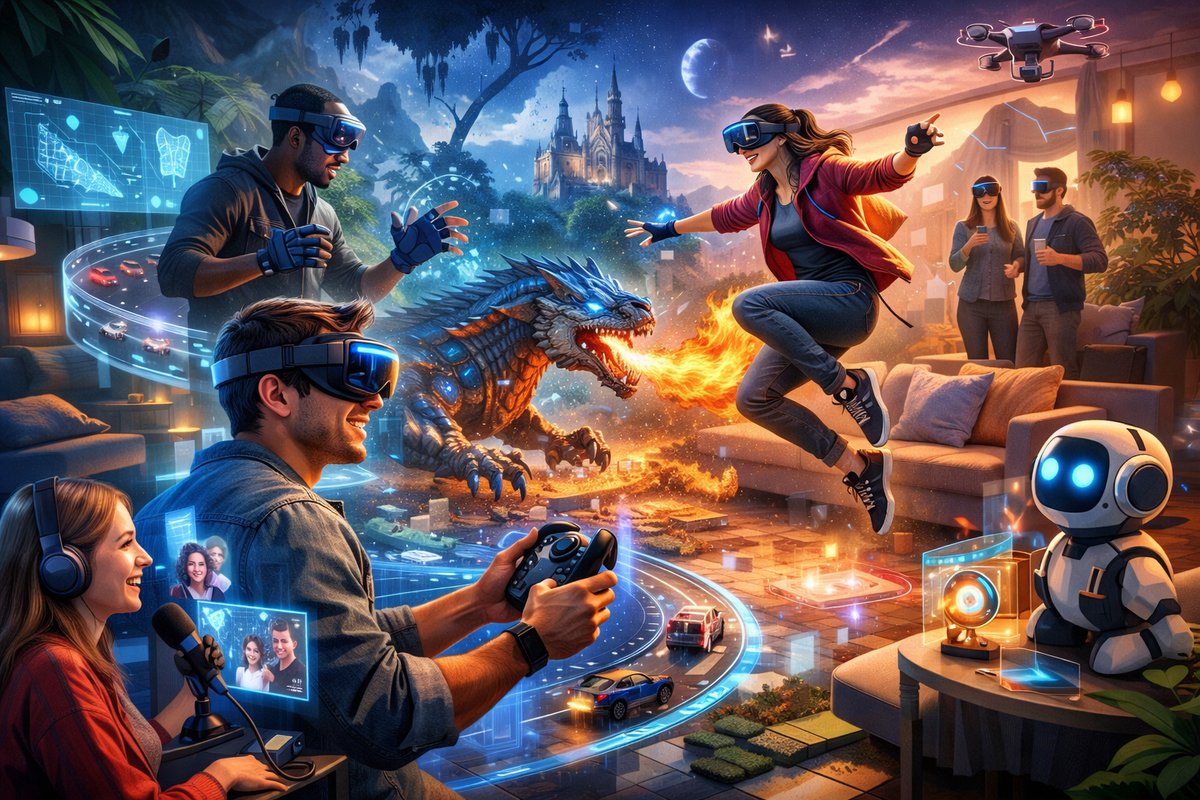
Gaming is evolving beyond traditional screens, blending physical and digital realms to create hybrid experiences that captivate players in new ways. This shift toward mixed-reality play, enhanced social connectivity, and adaptive hardware is redefining how we engage with games and entertainment.
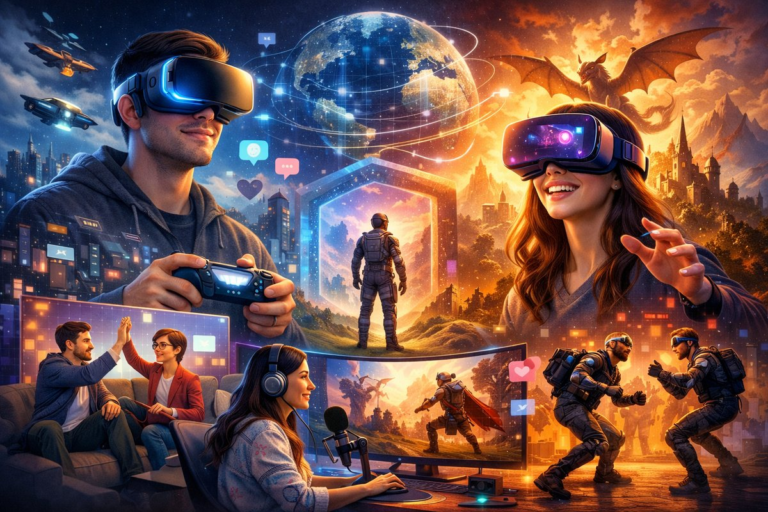
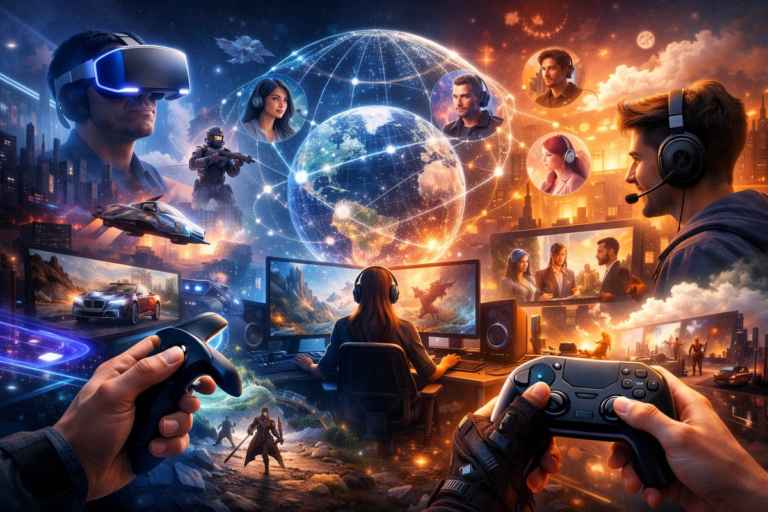
In recent years, the landscape of games and entertainment has undergone a profound transformation. No longer confined to static screens or singular modes of interaction, gaming now embraces hybrid experiences that fuse the physical and digital worlds. This evolution is not merely about technological novelty; it represents a deeper shift in how players connect with content, communities, and themselves.
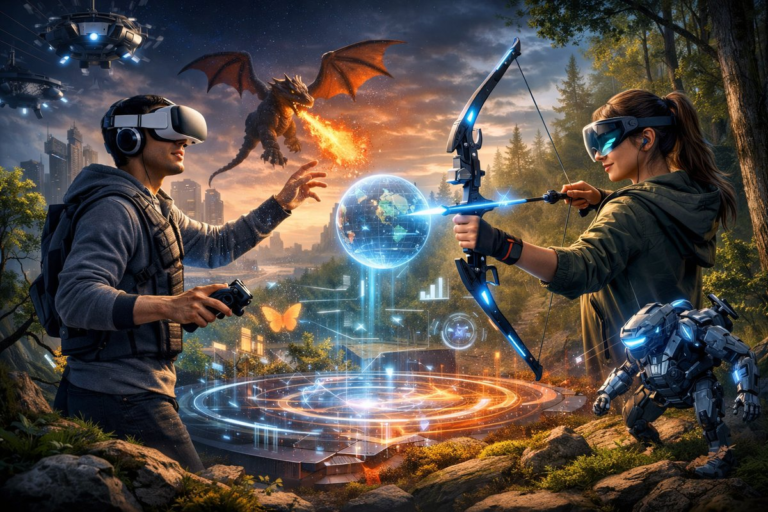
One of the most compelling trends reshaping gaming is the rise of mixed-reality environments. By leveraging augmented reality (AR) and virtual reality (VR), developers are crafting worlds that extend beyond the pixels on a screen, inviting players to immerse themselves fully in interactive spaces. These experiences often combine tactile elements with digital overlays, allowing users to manipulate virtual objects as if they were tangible. This fusion enhances emotional engagement, deepens immersion, and sparks curiosity by challenging traditional boundaries between the real and the virtual.
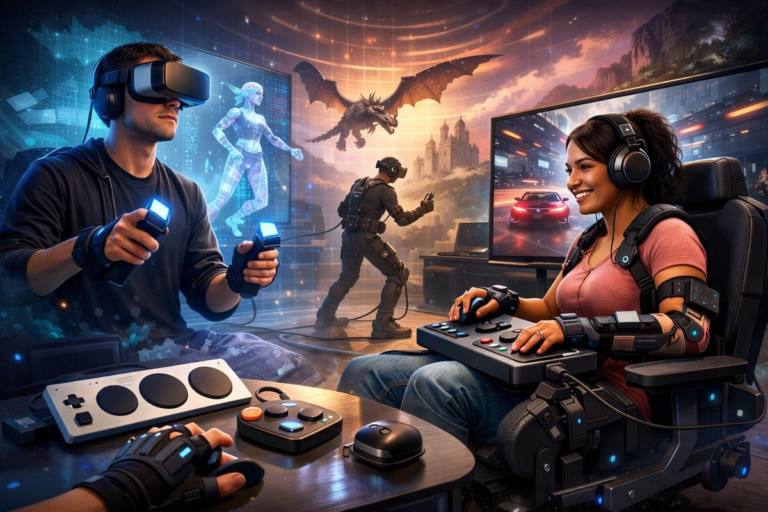
The success of these hybrid experiences depends heavily on hardware designed for comfort, precision, and adaptability. Lightweight VR headsets with improved resolution and wider fields of view make extended play sessions more accessible, while haptic feedback devices provide nuanced physical sensations that mirror in-game actions. Meanwhile, modular gaming controllers and peripherals support a variety of play styles, enabling users to customize setups that best suit their preferences and accessibility needs.
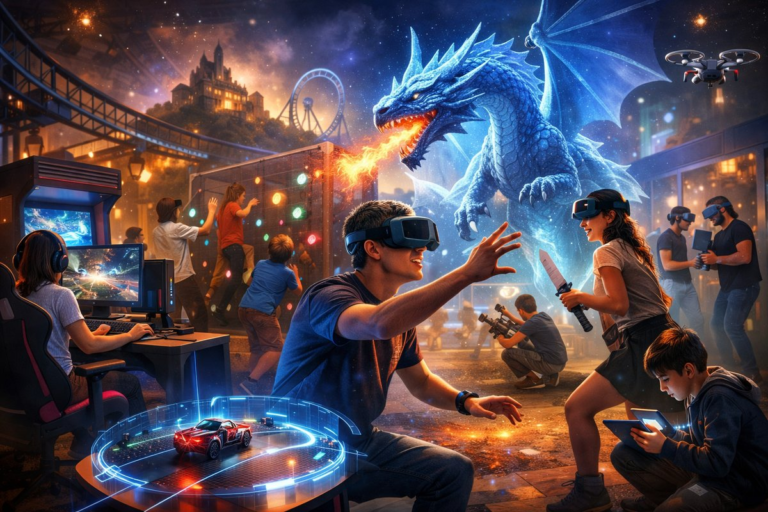
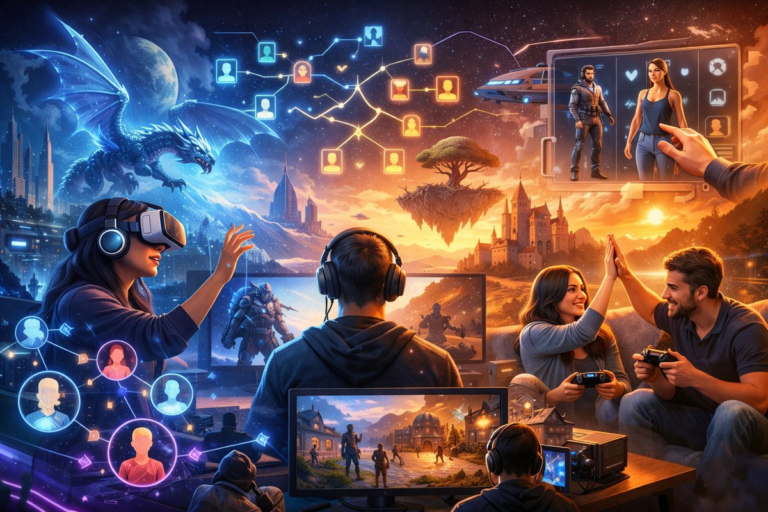
Social connectivity remains a cornerstone of modern gaming culture. Hybrid play experiences often incorporate collaborative and competitive multiplayer elements that span both online and physical spaces. For example, location-based AR games encourage players to explore real-world environments while interacting with others through digital interfaces. This blending of social dynamics fosters community building and shared adventures, elevating entertainment beyond passive consumption to active participation.
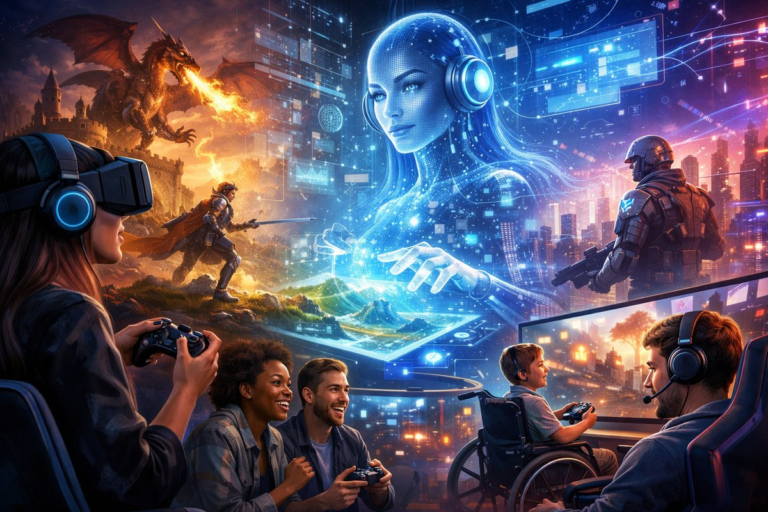
Beyond the technology, game design itself is evolving to leverage these new capabilities. Narrative structures are becoming more fluid and player-centric, allowing individuals to influence story outcomes through choices that resonate both virtually and tangibly. Procedural generation and adaptive AI create personalized challenges that respond to player behavior, maintaining engagement over time and reducing repetitive patterns.
This evolution also raises important considerations around privacy and sustainability. As games collect richer data to tailor experiences, developers and players alike must navigate ethical questions about data ownership, consent, and digital wellbeing. Concurrently, the environmental impact of producing and powering advanced gaming hardware calls for innovation in energy efficiency and responsible manufacturing practices.
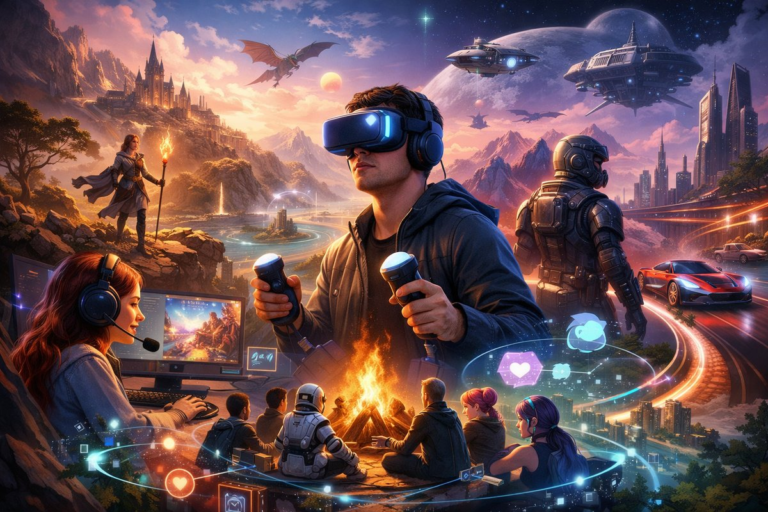
Looking ahead, the convergence of hybrid play, immersive technology, and community-driven design promises a vibrant future for games and entertainment. As players continue to seek meaningful connections, emotional depth, and novel forms of expression, the industry is poised to meet these desires with creative solutions that honor curiosity, inclusivity, and human-centered values.
Whether you’re a casual player curious about new ways to engage, a lifelong gamer seeking fresh challenges, or an administrator managing a community or event, embracing this hybrid frontier offers exciting opportunities. By thoughtfully integrating technology, social interaction, and ethical mindfulness, games can become not just entertainment but powerful tools for connection, learning, and joy.