Location
Mount Vernon, WA 98274

Location
Mount Vernon, WA 98274
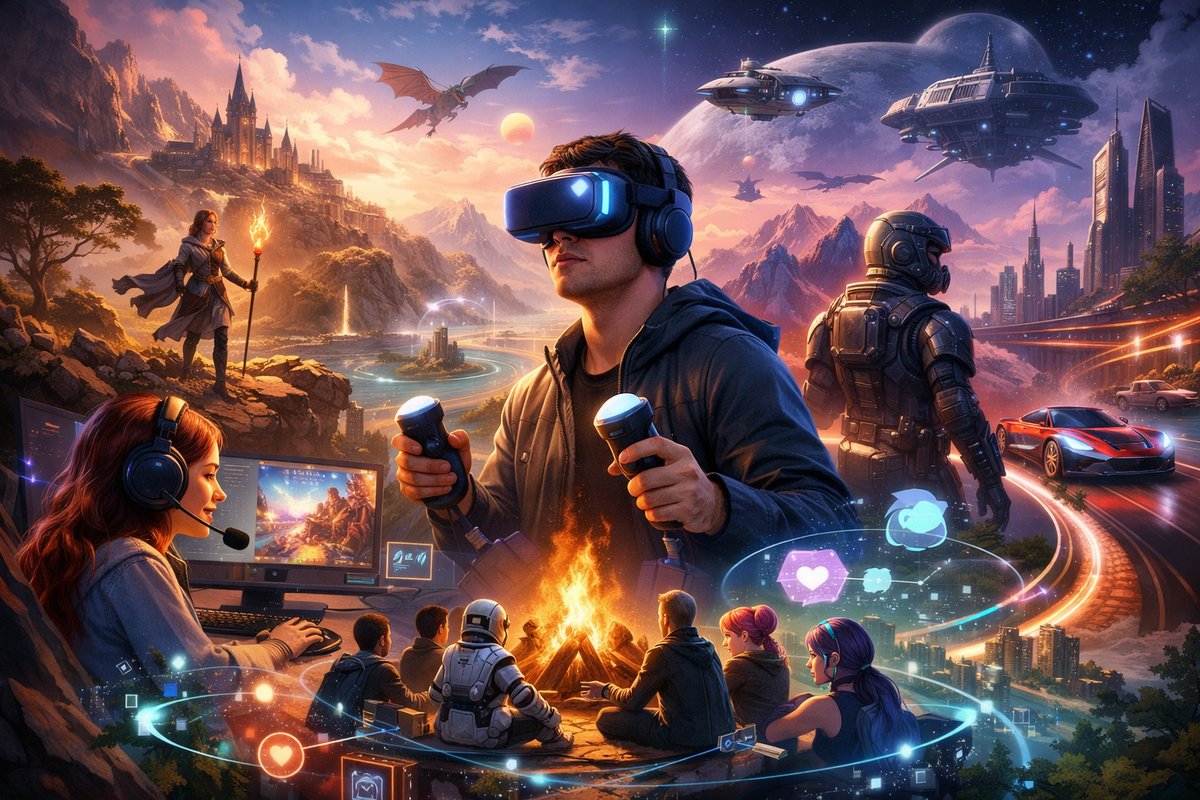
The landscape of games and entertainment is evolving rapidly, driven by advancements in immersive technology and a renewed focus on player connection and experience. From adaptive gameplay environments to community-driven content, these trends are redefining how we engage with digital play and storytelling.
Games and entertainment have long been a playground for innovation, reflecting broader cultural shifts and technological progress. In recent years, however, the pace of transformation has accelerated dramatically, fueled by breakthroughs in immersive technology, artificial intelligence, and social connectivity. This wave of change is not merely about more realistic graphics or bigger worlds; it’s about fundamentally rethinking what play means in a digital age and how entertainment can foster deeper emotional engagement and social connection.
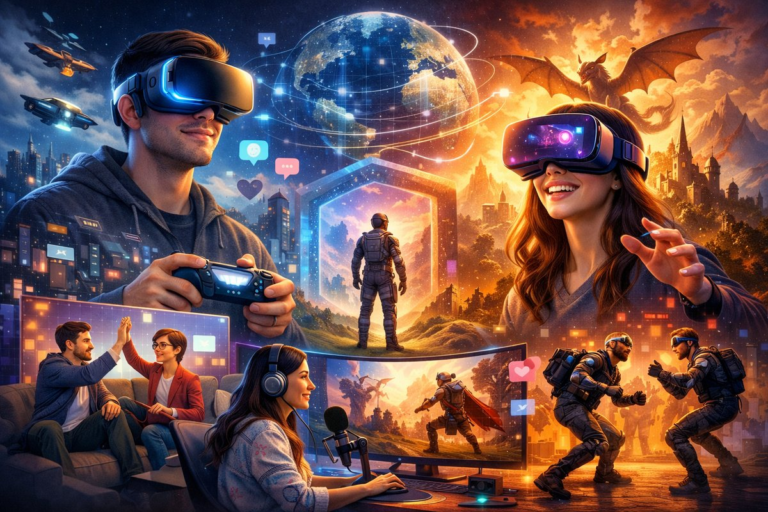
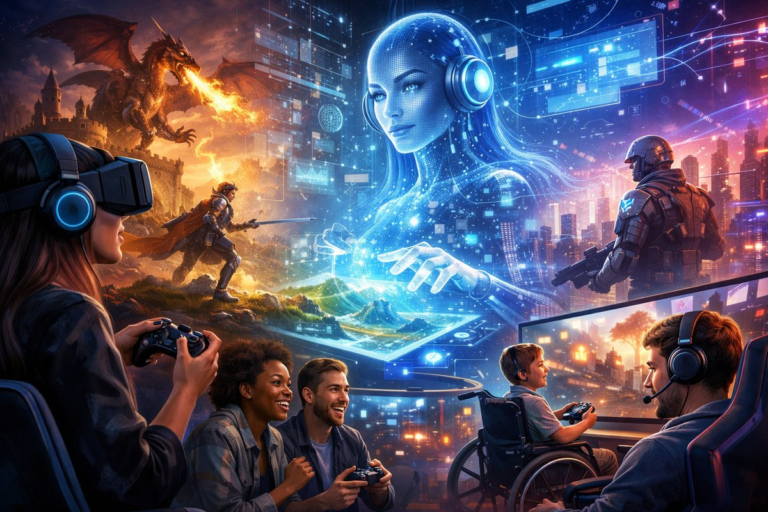
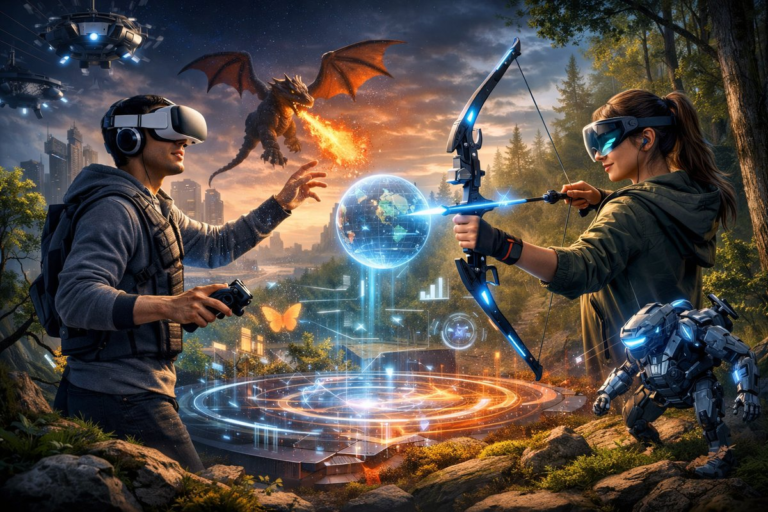
One of the most profound shifts is the rise of immersive technologies that blur the boundaries between the virtual and physical realms. Virtual reality (VR), augmented reality (AR), and mixed reality (MR) experiences are no longer niche curiosities but increasingly accessible platforms for storytelling and gameplay. These technologies enable players to inhabit worlds with a level of presence and agency previously unimaginable, making the experience deeply personal and emotionally resonant.
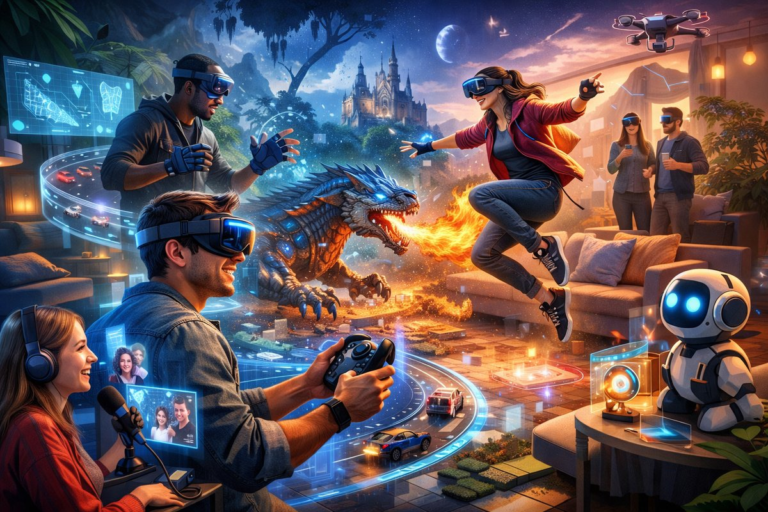
The impact of immersive tech goes beyond just the visual and auditory senses. Haptic feedback devices and spatial audio systems create multi-sensory environments that engage players on a more holistic level. This sensory richness enhances immersion and can even influence emotional states, drawing players into narratives in ways that traditional media cannot replicate. For example, adaptive environments respond dynamically to player choices and physical movements, crafting unique experiences that evolve in real time.
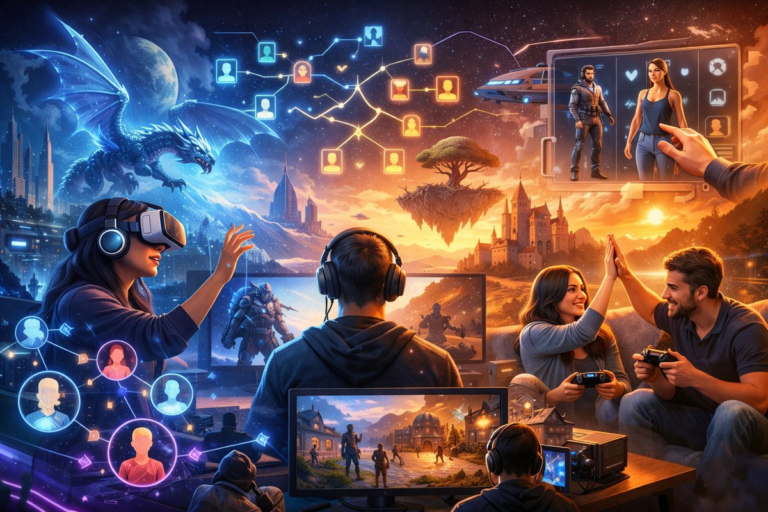
Alongside technological innovation, there is a growing emphasis on community and social interaction within gaming and entertainment ecosystems. Players are no longer passive consumers but active contributors and collaborators. Social features, cooperative gameplay, and user-generated content empower players to shape their experiences and build meaningful connections. This trend reflects a broader cultural yearning for shared experiences and belonging in digital spaces.
Games have become platforms for social activism, education, and creative expression, demonstrating their potential as tools for empathy and understanding. Storytelling within games is increasingly player-centric, offering branching narratives and moral dilemmas that challenge players to reflect on their values and decisions. This shift toward more nuanced, emotionally intelligent content resonates with a diverse audience seeking depth and authenticity.
The convergence of AI and procedural generation is also transforming game design. AI-driven characters and environments adapt intelligently to player behavior, creating personalized challenges and storytelling arcs. Procedural content generation allows for vast, varied worlds that remain fresh and unpredictable, extending replayability and sustaining player engagement over time.
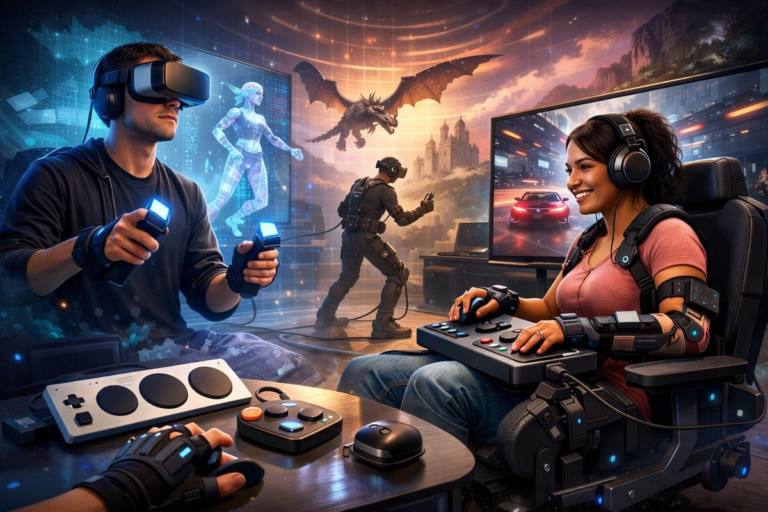
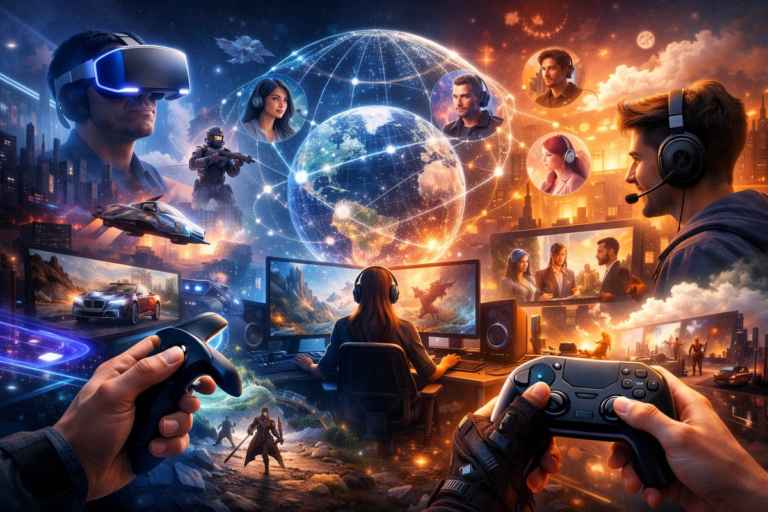
In parallel, the hardware supporting these experiences continues to advance. Lightweight VR headsets, wireless controllers with advanced motion tracking, and ergonomic gaming peripherals contribute to comfort and accessibility, making immersive play more inclusive. The integration of cross-platform play further dissolves barriers, enabling friends to connect and compete regardless of their device.
Despite these exciting developments, there are important considerations around privacy, data security, and the ethical use of AI in entertainment. Players and creators alike are increasingly aware of the need for transparency and control over personal data and content creation processes. Sustainable practices in hardware production and energy consumption are also gaining attention, aligning the gaming industry with broader environmental responsibility goals.
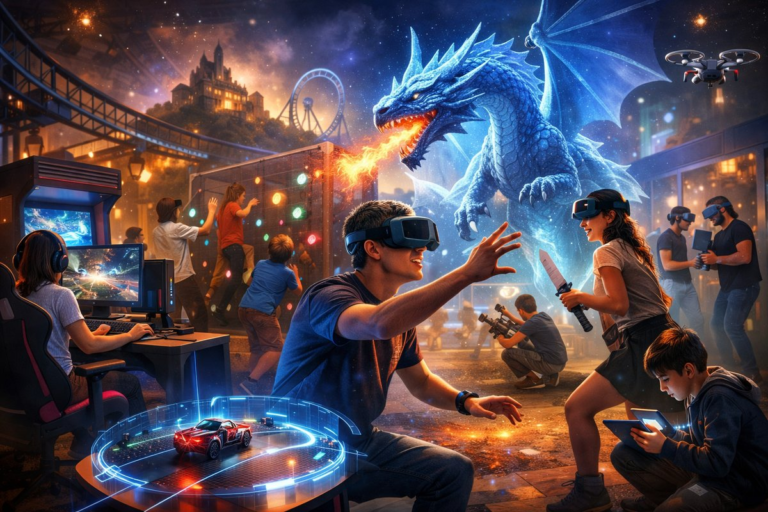
Looking ahead, the future of games and entertainment is poised to be a rich tapestry of innovation and human connection. The fusion of cutting-edge technology with a renewed commitment to emotional depth and community engagement promises experiences that are not only fun but meaningful. This evolution invites players to explore new worlds, challenge their perspectives, and forge bonds that transcend screens.
As the lines between play, storytelling, and social interaction continue to blur, the opportunity to craft experiences that inspire curiosity, empathy, and joy has never been greater. Whether through immersive VR adventures, AI-driven narratives, or vibrant online communities, the next chapter of games and entertainment invites everyone to participate in a shared journey of discovery and delight.