Location
Mount Vernon, WA 98274

Location
Mount Vernon, WA 98274
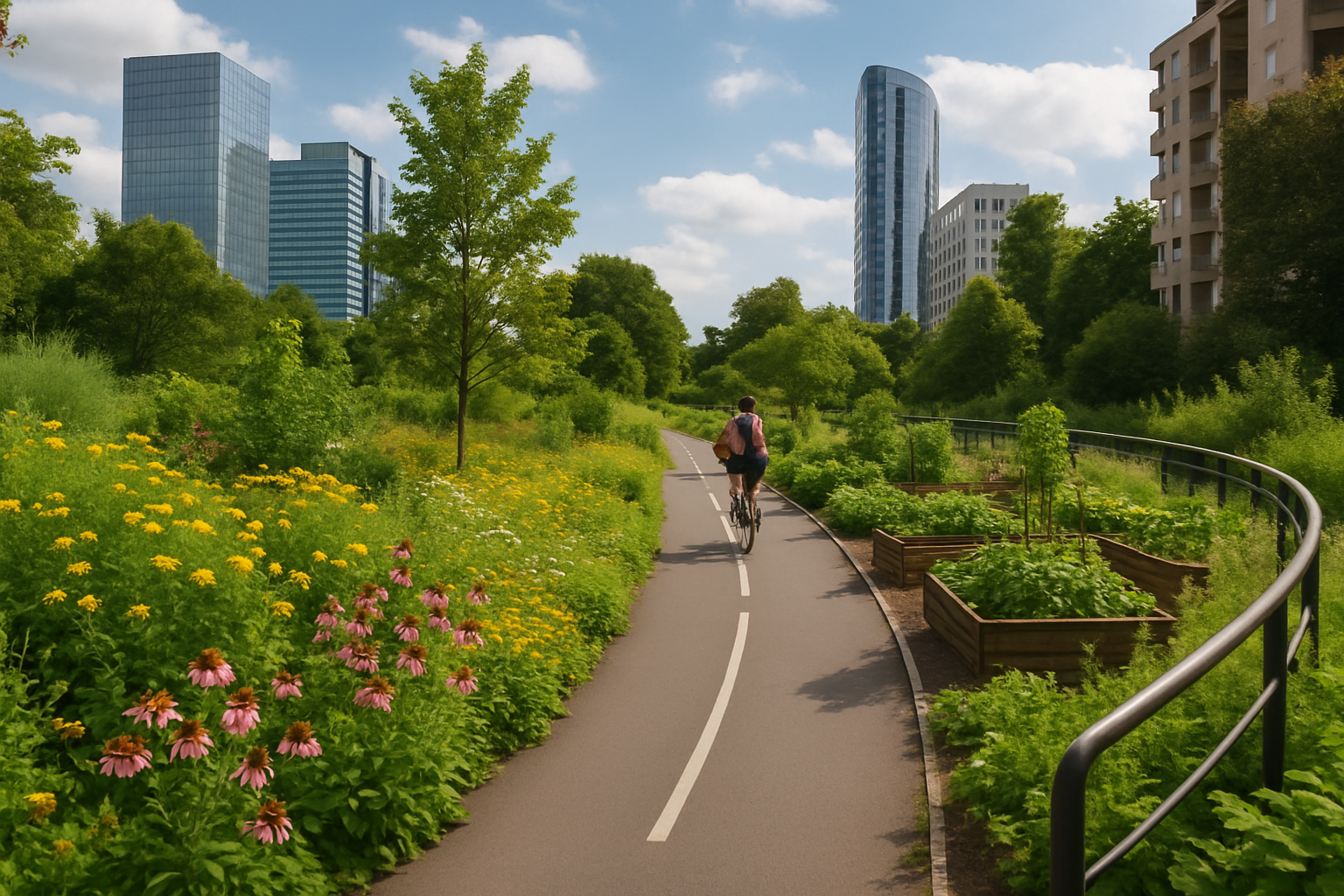
As cities worldwide begin weaving green veins through concrete jungles, new corridors of native plants, pollinator habitats, and community gardens are boosting biodiversity, improving air quality, and strengthening climate resilience. From Singapore's Park Connector Network to grassroots pollinator pathways in European capitals, urban rewilding is proving that nature and metropolis can thrive side by side.
Across five continents, city planners, ecologists, and resident volunteers are collaborating to break down the concrete barriers that isolate pockets of green space. Known as urban rewilding, this movement seeks to reconnect fragmented habitats by installing biodiversity corridors-continuous or stepping-stone networks of native vegetation that run through parks, median strips, rooftops, and underutilized lots. Rather than treating parks as isolated islands, these corridors stitch together ecosystems, allowing pollinators, birds, and small mammals to move freely through dense urban grids. Beyond ecological impacts, rewilded spaces offer social and health benefits: reduced heat-island effects, improved mental well-being, enhanced stormwater management, and new opportunities for community engagement.
Singapore’s Park Connector Network launched in the 1990s and now spans more than 360 kilometers, linking neighborhoods, nature reserves, and waterways. Originally designed as recreational trails, many segments have been replanted with native trees and understory plants to support local wildlife. A 2022 study by the National University of Singapore reported a 28 percent increase in butterfly species richness along restored stretches.
In London, a municipal program introduced “urban meadows” on unused city land in 2020, transforming over 120 sites with native grasses and wildflowers. Surveys conducted in 2023 by Royal Holloway found that pollinator abundance doubled in those meadows compared to adjacent mown lawns. Local beekeepers have also reported healthier colonies near urban meadows, suggesting a ripple effect on insect biodiversity.
Paris has encouraged neighborhood associations to establish pollinator pathways by planting lavender, honeysuckle, and native herbs along street verges. Since the initiative’s launch in 2021, more than 1,000 small plots have been registered in a city database. Researchers at AgroParisTech observed a 34 percent uptick in hoverfly and solitary bee sightings within these micro-habitats.
Los Angeles recently announced a plan to plant 1.5 million trees by 2030, prioritizing areas with few existing green spaces. Along major boulevards, landscapers are replacing concrete medians with native shrubs and grasses to create linear parks. Early monitoring by the University of Southern California indicates that air temperatures under these corridors are up to 3 °C cooler on hot afternoons.
Implementing biodiversity corridors in densely built cities presents unique obstacles. Space competition is fierce: parking lots, underused road verges, and brownfields often compete with proposals for tree planting or meadow restoration. Securing long-term funding can be difficult when municipal budgets prioritize critical infrastructure and housing. Maintenance is another concern-native plantings require occasional weeding and adaptive management to prevent invasive species from taking hold. To address these issues, innovative governance models are emerging. Public-private partnerships, green bonds, and volunteer stewardship programs share costs and labor. In Stockholm, a ‘buddy’ system pairs neighborhood associations with local landscapers who provide pro-bono guidance on seasonal maintenance.
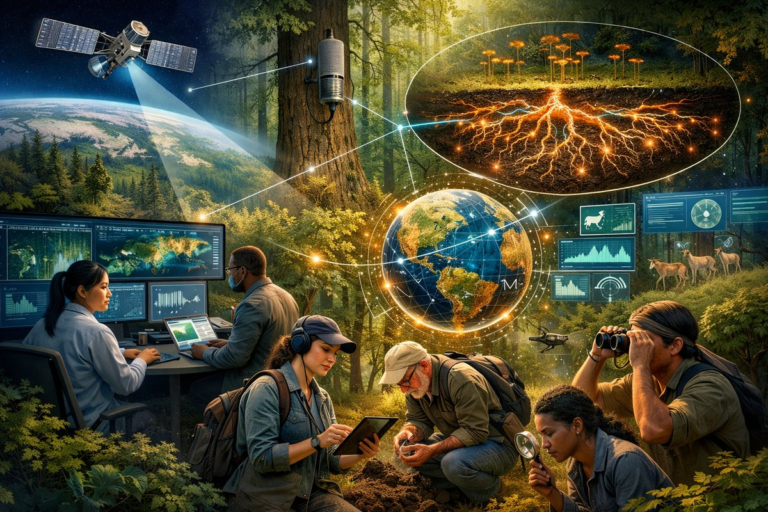
Rewilding projects often rely on local advocates to document wildlife and steward plantings. Mobile apps like iNaturalist enable residents to record species sightings, feeding into city biodiversity atlases. Air quality monitors installed on streetlamp posts provide real-time data that can be layered with vegetation maps to assess co-benefits. Schools and youth organizations are also joining the effort: in Melbourne, high school students design pollinator “hotel” boxes and use GPS devices to strategize their placement along green corridors. Such participatory initiatives not only supply valuable data to researchers but foster a sense of ownership and stewardship among urban dwellers.
As climate change accelerates, the resilience provided by connected green infrastructure becomes ever more crucial. Cities are exploring dynamic corridors that adapt to shifting conditions: floating wetlands on waterways that expand during rainy seasons, and modular green walls that can be reconfigured based on heat-map analyses. Advances in remote sensing and machine learning are enabling planners to optimize corridor design by predicting species movement and habitat suitability. International networks, such as the Global Forum on Urban Forests, facilitate cross-city collaborations to share best practices and open-source planting palettes of climate-adapted native species.
Urban rewilding is more than a trend; it is a necessary strategy for building cities that can withstand environmental pressures while nurturing human and non-human life. By weaving biodiversity corridors through our streets, rooftops, and waterways, we transform concrete ecosystems into living landscapes. The convergence of scientific research, community engagement, and innovative policy is proving that nature thrives when given a voice among skyscrapers and sidewalks.