Location
Mount Vernon, WA 98274

Location
Mount Vernon, WA 98274

In the dim hush beneath a verdant canopy, a hidden orchestra of life unfolds. From fleeting seasonal pools to the vast fungal networks entwined in the soil, the forest understory reveals patterns of resilience and renewal. This exploration invites you to slow down, listen, and belong to nature's subtle rhythms.
Morning light filters through shifting leaves, painting dappled patterns on a carpet of moss. Beneath towering trunks, the understory hums with activity: salamanders slink along damp logs, spring ephemeral blooms push through decaying leaf litter, and microscopic fungi thread their way between roots. This quiet realm, often overlooked, is the forest’s secret chamber-a place of transformation, connection, and survival.
At first glance, the understory appears calm. But delve deeper and you’ll find a dynamic web of interactions. Seasonal pools form after winter rains, providing vital breeding grounds for amphibians. In summer, moisture-gathering mosses cradle insect larvae and tiny crustaceans. Come autumn, fallen leaves become food for decomposer communities that return nutrients to the soil. Each stage sets the stage for the next, weaving a living tapestry that sustains both flora and fauna.
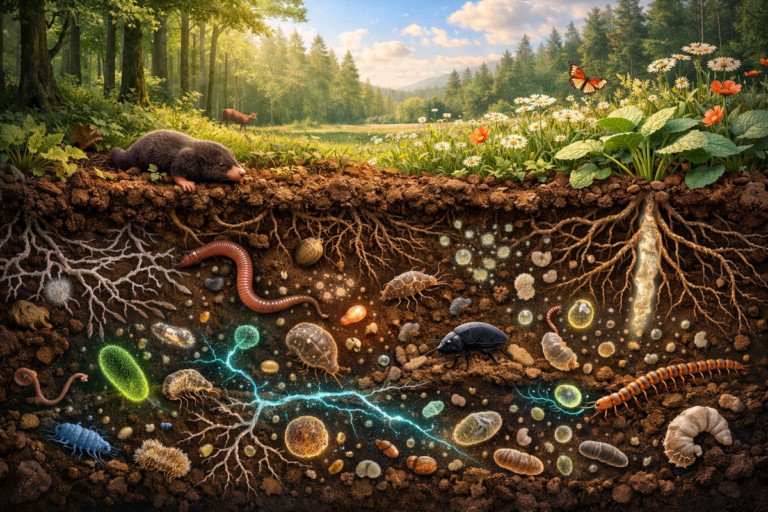
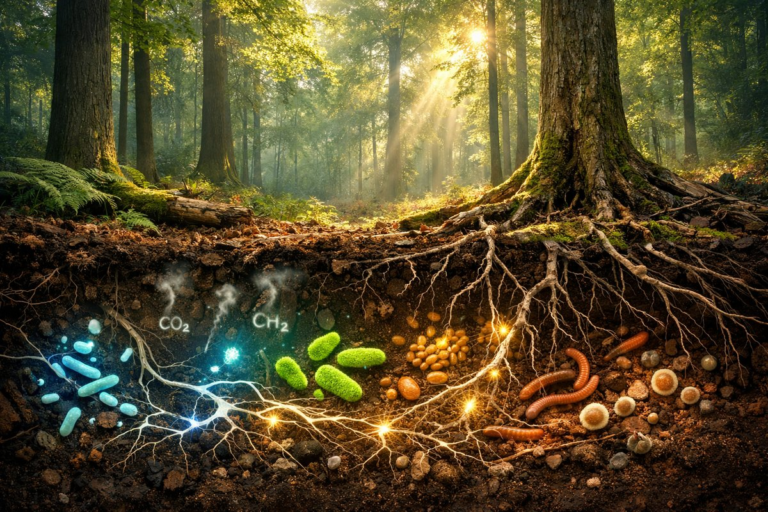
Field ecologist Maya Jensen notes that up to a quarter of a temperate forest’s biodiversity resides in these lower strata. While lofty branches capture our eyes, the real labor happens near the ground. Fungi deliver water and minerals to tree roots in exchange for sugars manufactured through photosynthesis. Insect frass and decayed wood feed bacteria and nematodes that enrich soil structure. It’s an underground marketplace where resources are traded, debts are repaid, and the entire community thrives.
Consider the ephemeral vernal pools that appear in hollows after spring rains. These shallow basins host fairy shrimp, wood frog egg masses, and migrating toads. Their transient nature means fish can’t establish populations, giving vulnerable amphibians a safe nursery. Within weeks, the pools evaporate, and the creatures disperse into the leaf-strewn forest floor, leaving behind organic deposits that nourish spring wildflowers.
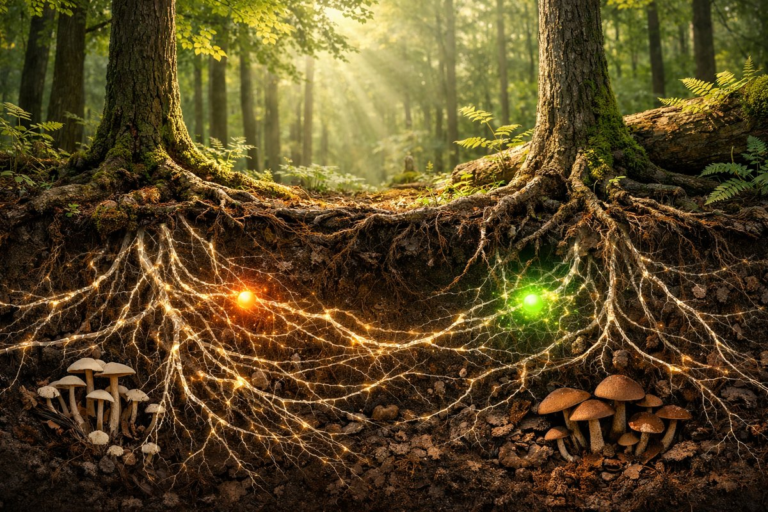
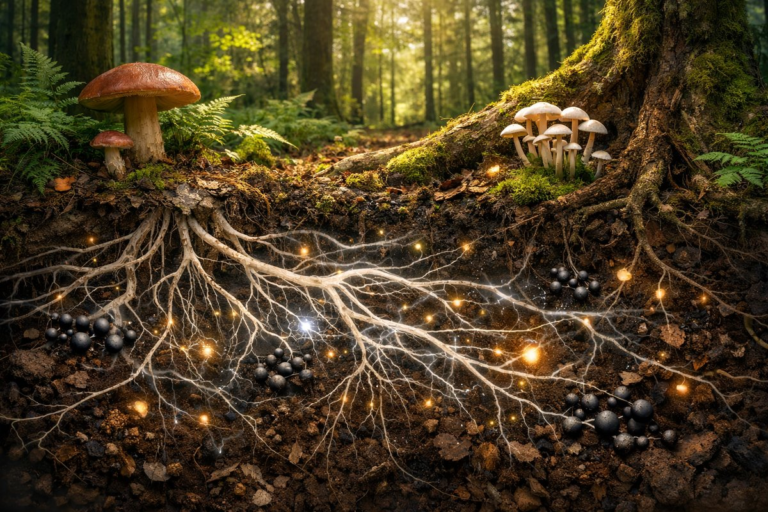
Meanwhile, a network known as the mycorrhizal web stretches unseen beneath the surface. Some studies estimate that a single gram of forest soil can contain miles of fungal hyphae. Through this web, trees communicate chemical warnings, share nutrients, and even allege support to weaker neighbors. When a sapling struggles in a shaded gap, mature trees may funnel resources through mycorrhizal bridges, ensuring forest regeneration and diversity.
Despite this intricate balance, the understory faces mounting pressures. Logging, invasive plants, and climate shifts threaten moisture regimes and nutrient cycles. In areas where the canopy thins from drought-induced dieback, increased sunlight dries the forest floor, hampering mosses and fungi. Without their moisture-retention capacity, soil erosion intensifies and amphibian breeding grounds vanish.
Yet pockets of resilience endure. Restoration projects in Eastern woodlands have reintroduced native understory shrubs and ferns, reducing invasive groundcover. Seasonal pool conservation initiatives have mapped hundreds of vernal basins, guiding land managers to protect key breeding habitats. Citizen scientists armed with simple dip nets and waterproof field journals record amphibian calls and fungal fruiting patterns, building datasets that inform climate-adaptive strategies.
One compelling example comes from the Appalachian highlands, where volunteers monitor salamander populations in shaded ravines. By overlaying rainfall measurements with sighting logs over five years, researchers discovered that salamanders appear earlier in wetter springs and retreat to deeper soil layers during extended droughts. This information helps predict downstream effects on insect populations and nutrient cycling, illustrating the interconnected fate of all forest residents.
Observing the understory demands patience and curiosity. Armed with soft-soled boots, a headlamp for twilight surveys, and an identification guide, you can record observations of leaf litter dwellers, spore-bearing fungi, and tiny crustaceans. A soil moisture meter reveals how quickly different microhabitats dry out. A portable magnifier brings to life the delicate branching of lichens and the gossamer threads of fungal cords.
There’s profound satisfaction in cataloging the first spring mushroom flush or noting the emergence of a rare sedge in an old-growth stand. Each entry in a field journal anchors a memory: the pungent tang of wet earth, the chorus of peepers at dusk, the ghostly shapes of ghost pipe flowers drawing pollinators underground. Over seasons, these diaries chart patterns-how March’s rainfall surge triggers moss green-up or how autumn’s cooler temperatures synchronize leaf drop and fungal fruiting.
Beyond data collection, this mindful practice fosters emotional bonds to the forest. As you observe, you become part of the story rather than an outsider. Noticing the subtle shift from early oak leaf buds to the vibrant green of new-fallen larch needles stirs an instinctive gratitude. Realizing that your footsteps can crush a delicate fungus fruiting body or disturb a salamander’s refuge instills a sense of responsibility.
Environmental educators are harnessing this awakening. Woodland workshops guide participants in foraging understory plants-stinging nettles for nutrient-rich teas, mayapples whose ripe fruit supports pollinators, or ramps that sustain ephemeral herbivores. When collected sustainably and with respect, these practices strengthen human-forest relationships and underscore the importance of preserving habitat integrity.
Ultimately, understanding the forest’s quiet cycles equips us to advocate for its welfare. Land trusts and park stewards increasingly integrate mycorrhizal health into reforestation plans, choosing seedling stock inoculated with local fungal strains. Watershed managers monitor vernal pool hydrology to anticipate changes in amphibian breeding windows. Even urban planners look to woodland understories as blueprints for green infrastructure-living roofs, rain gardens, and shaded walkways that mimic natural moisture retention.
In a world racing toward concrete horizons, the forest understory reminds us to pause. To notice the fungi that digest last season’s fallen leaves. To trace the life of ephemeral pools from birth to evaporation. To marvel at the mycorrhizal superhighway beneath our feet. It is here, in these hushed corners, that nature speaks softly of interdependence and renewal. And if we listen closely, we discover a sense of belonging woven into every spore, root, and raindrop.
The next time you wander into a forest, stoop low. Let your senses attune to the chorus of rustling leaf litter, the faint sheen of moss on bark, and the fleeting glint of a salamander’s eye. Bring a journal, measure a pool’s depth, photograph a mushroom’s gills. Each act of observation is an act of stewardship, weaving your own thread into the living tapestry. In reverence and curiosity, we find not only knowledge but kinship-and in that kinship, hope for forests yet to come.