Location
Mount Vernon, WA 98274

Location
Mount Vernon, WA 98274

When seasonal floods washed out a century-old railway line on the town's edge, residents faced a stark reminder of loss. But out of cracked ballast and rusted rails emerged a vibrant, cobbled path where neighbors dig their hands into shared gardens, artists paint hope on concrete, and volunteers rebuild more than just public space.
The floodwaters came without warning late one summer night, sending mud and debris sweeping through the skeletal remains of a disused railway line that had slumbered at the town’s outskirts for decades. By morning, the tracks lay twisted and buried, a fragmented echo of industrial ambition. For many, the derelict line was a relic, a faint promise of past connectivity. For others-especially those living just uphill-the disruption threatened isolation and the creeping ache of a forgotten neighborhood.
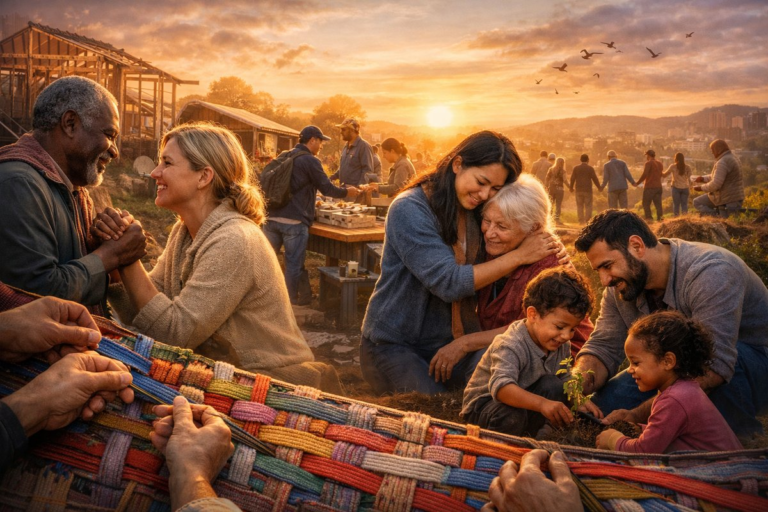
Yet within weeks, a handful of neighbors convened under makeshift tents, buoyed by the conviction that the railway’s bones could be repurposed. They called themselves the Trackside Revival Collective. Their vision drew on late-night conversations, shared cups of tea, and a growing hunger for connection. Local shopkeepers donated lumber and paint. Volunteers hauled away wreckage. Architects sketched slip-resistant paving and low benches alongside communal garden plots. What started as small acts of defiance against the flood’s devastation quickly wove itself into the fabric of community hope.
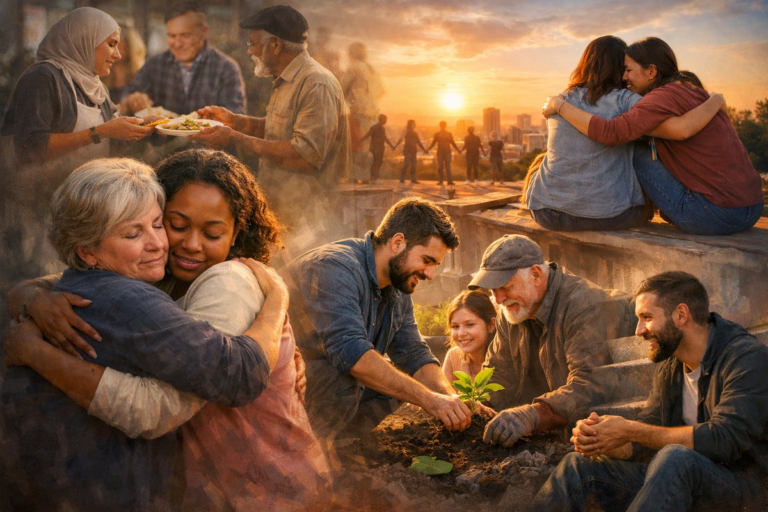
Among the earliest converts was Emma, a retired schoolteacher whose front yard overlooked the broken tracks. She rallied neighbors to build raised beds from salvaged sleepers. By planting marigolds and lettuces, she taught passersby the art of regeneration-both in soil and in spirit. “Every seed we tuck into that bed is a promise,” she says, one morning while anchoring a row of heirloom tomatoes. “Even if the rails vanish, life pushes through.”
Not far from Emma’s beds, 17-year-old Malik balanced on a discarded concrete pillar, brush in hand. What began as a simple memorial mural for lost commuter dreams expanded into a 30-foot tapestry of local faces: schoolkids in uniforms, grandparents tending to seedlings, joggers pausing for water. Malik sketches in charcoal before burying each stroke in vibrant acrylics, each color chosen to reflect the spectrum of voices that once relied on those rails. As evening light softens the edges of his painting, neighbors pause to watch, offering stories that inform his next brushstroke.
In weekends past, the space might have felt lonely and overgrown. Today, it hums with chatter and the clink of pruning shears. A mothers’ group meets at dawn for mindfulness stretches on repurposed railroad ties turned benches. They sip tea from enamel mugs and swap parenting tips beneath a canopy of newly planted birch trees. The soft whisper of leaves offers a counterpoint to the rush of memory: in this linear garden, time doesn’t march forward as it once did under trains but unfurls in circles of care.
Local artisans have also found new purpose. A handful of woodworkers transformed scrap pallets into wooden planters and signposts etched with inspirational verses. Nearby, a ceramicist hosts weekend workshops, guiding participants in crafting mosaic tiles for a low retaining wall. Children press fingerprints into wet clay, leaving colorful authorship on a barrier that had once only held back underbrush. These creative interventions fill gaps between tracks and gardens, crafting a patchwork narrative of collective authorship.
The project’s mental-health impact has proven profound. A group of residents partnered with a community counselor to stage weekly “walk-and-talk” sessions. Participants stroll the renovated path while sharing stories of loss, recovery, and aspiration. For many, the simple act of walking side by side along the sunlit corridor has shattered isolation. “I lost my job during the floods,” admits one participant. “But planting that row of basil and watching it flourish reminds me I can rebuild more than just terrain.”
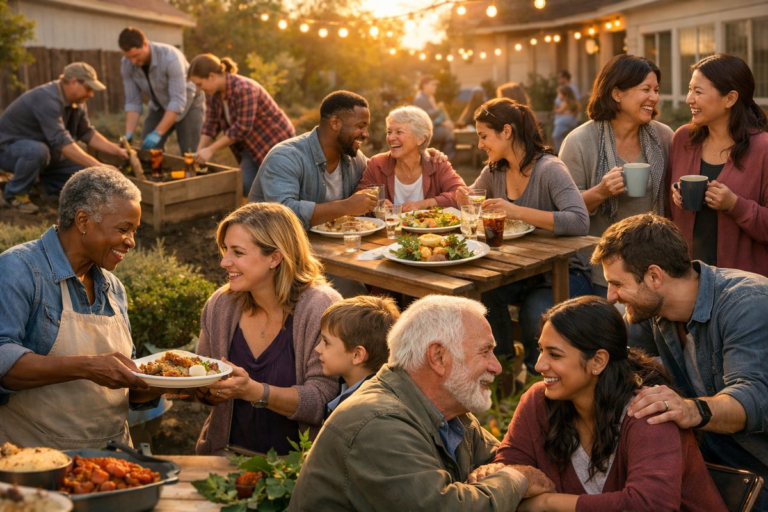
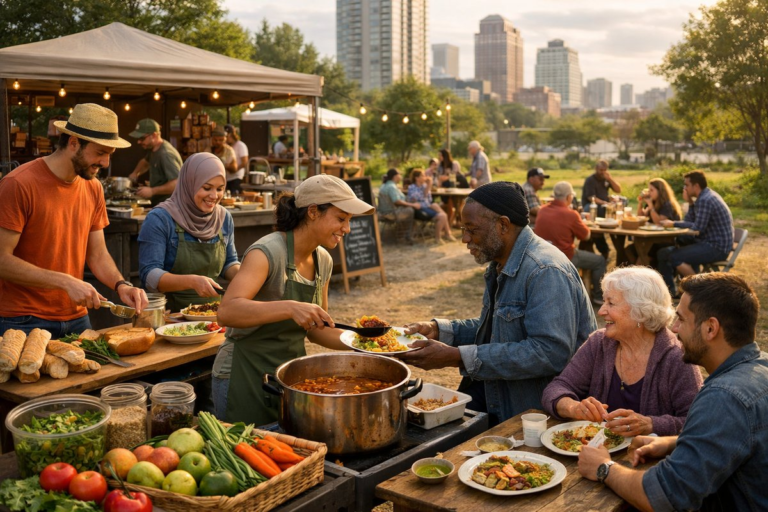
Economic ripples have followed social revitalization. On weekends, mobile vendors line the pathway offering coffee brewed from locally roasted beans, handmade granola bars, and crafted herbal teas. A young couple, inspired by the communal dinners hosted on repurposed freight-crate tables, launched a pop-up kitchen where neighbors trade recipes cooked over portable stoves. The once dormant corridor doubles as a market, and each transaction binds customers and creators more tightly together.
The Trackside Revival Collective soon collaborated with the city council to secure microgrants for lighting and signage. Solar-powered lanterns now arc overhead, tossing pools of warm light onto the paving at dusk. Informational plaques share flood facts, historical anecdotes, and tips for sustainable gardening. What was once an unlit liability has become a safe, well-waymarked artery linking two neighborhoods that rarely conversed before. Council members admit they had underestimated the dormant potential hidden beneath rot and rust.
Getting here wasn’t without trials. Vandals tagged freshly painted walls, forcing quick turnarounds on cleaning and repainting. Heavy rains washed away topsoil from newly planted beds, demanding tarps and extra manpower. Volunteers sometimes arrived with mismatched tools or limited experience. Yet each setback prompted a creative workaround: gardens on pallets when soil eroded, wire mesh trellises to protect young seedlings, neighborhood tool exchanges bridging skill gaps. The message was clear: resilience blooms in the space between failure and reinvention.
The path’s success has also ignited conversations about equity. Several organizers are pushing for a sister corridor in a more underserved district where a parallel rail line once ran. They envision mentorship exchanges, shared seed banks, and rotating art exhibits. The original site has become a living lab, a proof of concept that citizen-driven renewal can reshape not just public space, but civic identity.
Psychologists who’ve studied the area describe the project as an “emerging model of communal resilience.” They note that by converting destructive forces into creative energy, residents practice hope in real time. The result is a composite memory of survival-one built from painted murals, rippling lettuce leaves, and the steady rhythm of footsteps on reclaimed ballast.
As the corridor edges toward its first anniversary, Trackside Revival Collective members plan a festival featuring local musicians, poetry readings, and a silent auction of community-made ceramics. They’ll unveil a time capsule filled with seed packets, photographs, and a field journal chronicling the floods. When buried beneath the path, it will serve as an invitation to future generations: here’s how we loved this space, and how it loved us back.
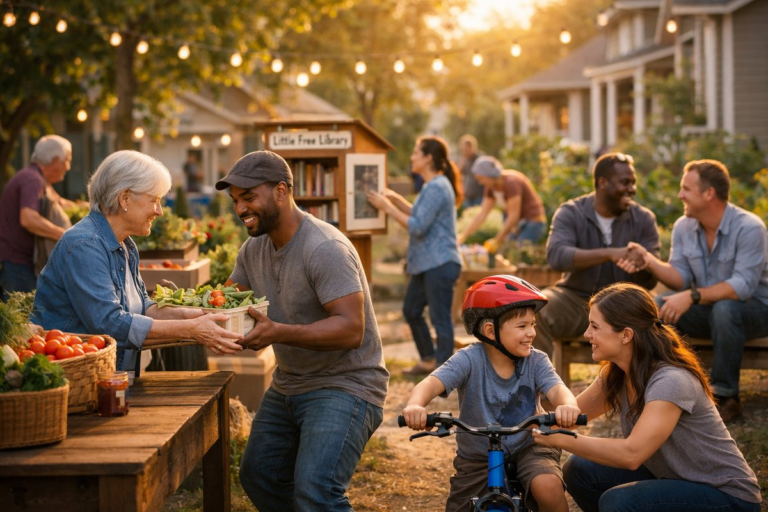
Today, as the sun dips low and lanterns flicker on, the path shows no sign of closing. Neighbors stroll hand in hand, dogs trot at heel, and children chase fireflies between flower beds. The old railway may have been irreparably severed, but the line of human connection it once carried has never been stronger. In this ribbon of reclaimed earth, a community discovered its own potential to transform loss into living art-and in doing so, offered a blueprint for renewal wherever trackbeds lie unused and hope needs rekindling.
In that shared reclamation, we see the quiet courage it takes to imagine beauty amid debris, and the resilience required to carry that vision through every storm. These are the lives in motion, the stories worth holding, and the simple pathways where human hearts find their way home.