Location
Mount Vernon, WA 98274

Location
Mount Vernon, WA 98274
From misty mountain passes in Sri Lanka's tea country to refurbished rail links in China's water towns and e-bike circuits through Colombia's Coffee Triangle, travelers are discovering new corridors that blend sustainability, culture, and slow-paced exploration. These fresh routes invite us to step off beaten paths, connect with communities, and reflect on how journeys shape our inner landscapes.
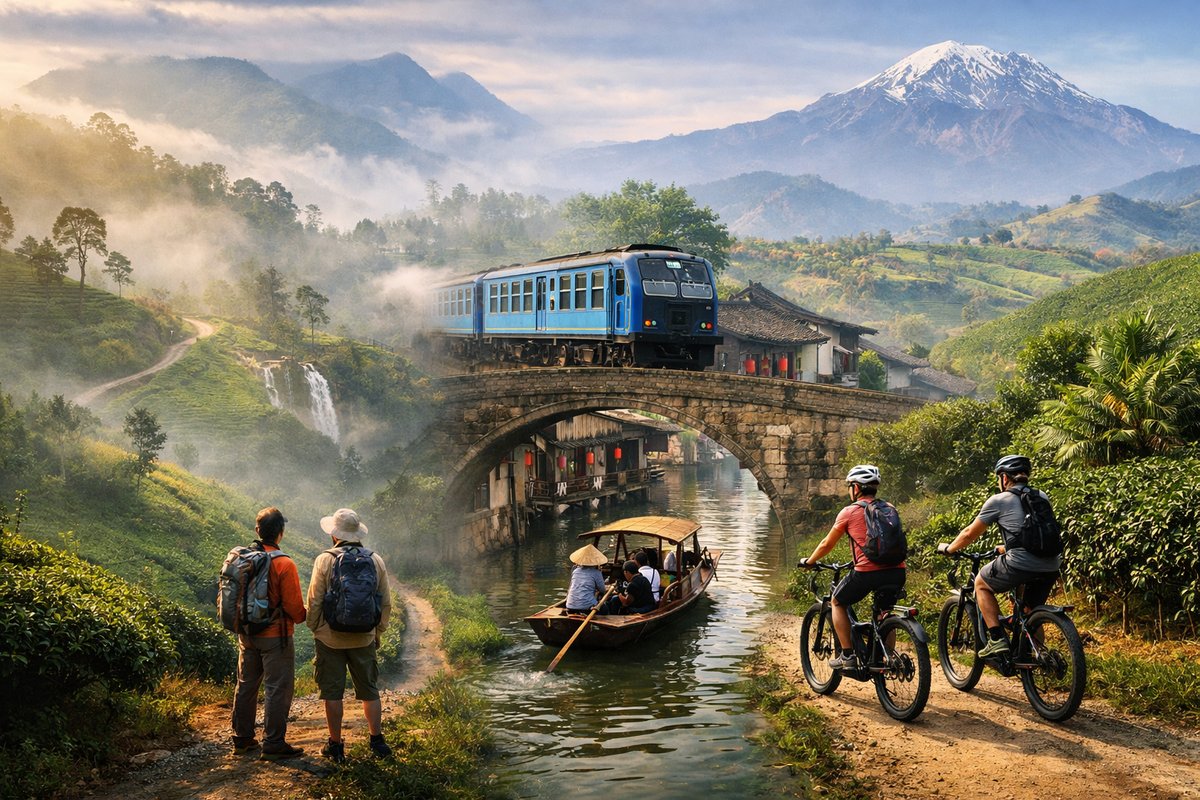
At dawn in Colombia’s Coffee Triangle, a row of electric bicycles hums quietly against a backdrop of mist-shrouded valleys. Tours here have transformed in recent months, opening up a network of dedicated greenways that traverse small villages once reached only by rugged dirt roads. Riders set off along the railbed of a century-old coffee transport line, repurposed as a dedicated cycling route linking farm stays, local roasteries, and artisan workshops. Beyond the novelty of electric assist, the ride invites questions about the future of travel: can modern technology and centuries-old tradition coexist to foster deeper connections and lighter footprints?
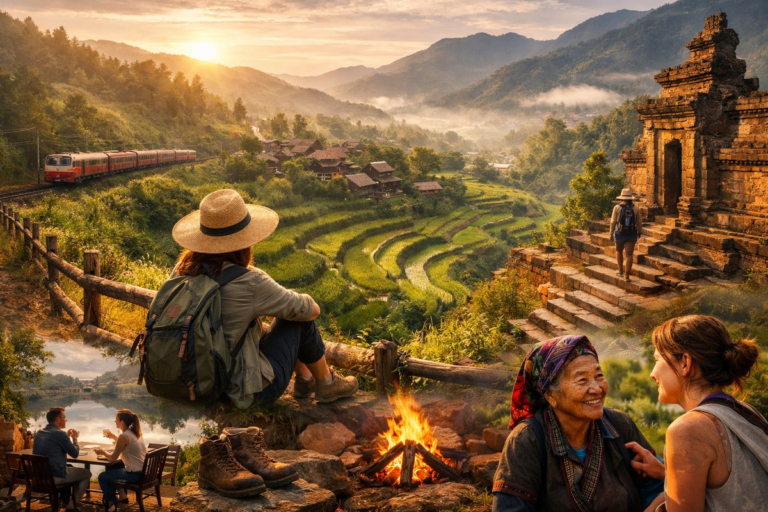
Meanwhile, more than 7,000 miles away along China’s lower Yangtze River, an upgraded high-speed rail service has begun weaving through ancient water towns that inspired poets for generations. Stations have been redesigned with local artisans in mind: waiting rooms feature hand-painted ceramics, and platforms open onto pedestrian bridges where fishermen still cast bamboo-woven nets. Travelers step off a sleek train to find themselves in villages where footpaths wind past lotus ponds and tea-leaf drying racks. The contrast between the ultramodern train and the centuries-old cobblestone streets offers a poignant lens on progress: how infrastructure can support both efficiency and cultural preservation.
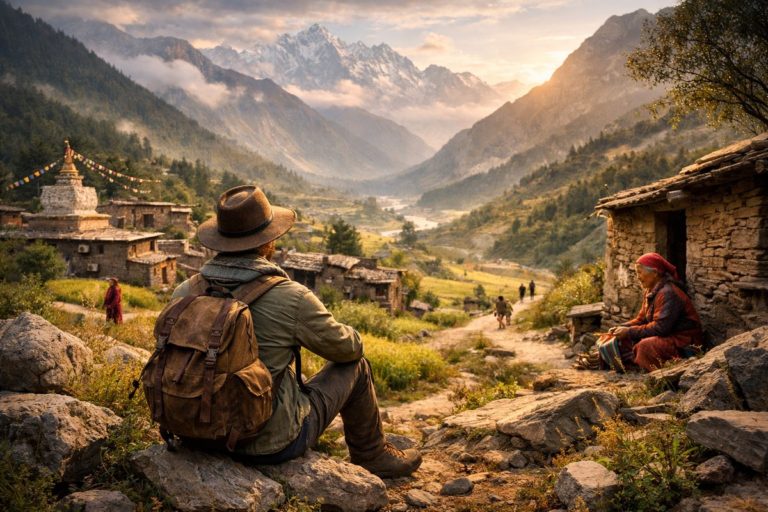
On the emerald slopes of Sri Lanka’s central highlands, a new UNESCO-endorsed trail is winding its way through tea plantations, cloud forests, and remote hill villages. This 75-mile trekking corridor stitches together local pathways that were once used for gathering wild herbs, delivering milk, and carrying harvests to valley markets. Along the route, travelers camp beneath a canopy of giant palms, share meals with families who have tended tea bushes for generations and learn the delicate art of leaf plucking. At midday, guides explain how agroforestry systems protect soil health and biodiversity. By evening, hikers gather around fire pits to swap stories under a tapestry of stars.
These emerging routes share a common thread: they are not merely transportation projects, but invitations to slow down and engage with a region’s people, ecology and heritage. The Coffee Triangle’s e-bike network was funded in part by a local cooperative formed after the pandemic, aiming to revitalize rural economies and reduce reliance on fossil fuels. In China, the rail extension was accompanied by grants for cultural preservation, enabling villages to restore wooden bridges and mosaic facades. Sri Lanka’s mountain trail was mapped by an alliance of trekking clubs, conservationists, and tea-farm families, working together to balance visitor interest with habitat protection.
For many travelers, these routes offer a chance to exit the relentless pace of global cities and rethink the meaning of a trip. Electronic assist on the Colombian greenway allows riders of varying fitness levels to tackle steep climbs without sweating out the experience. In China, a four-hour rail hop replaces a day-long bus journey and leaves time to explore local ceramics studios or try fermented rice wine in a street-side stall. The Sri Lankan corridor’s staged campsites, complete with composting toilets and solar lighting, demonstrate how low-impact accommodations can be both comfortable and restorative.
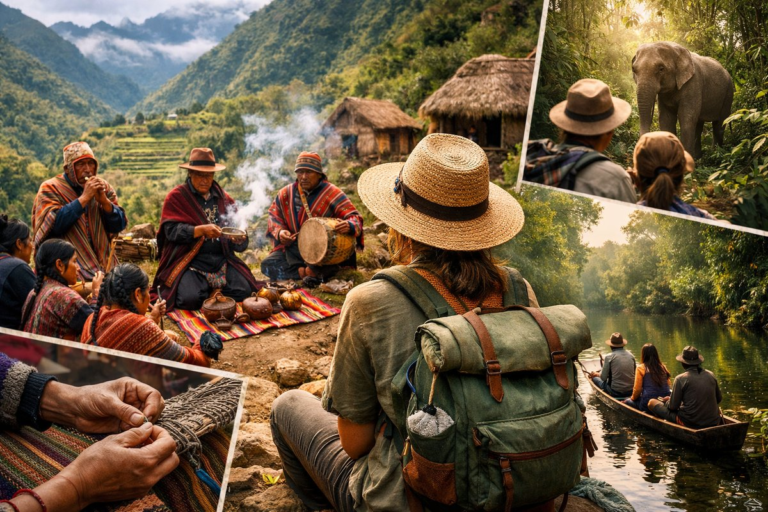
Local voices shape each itinerary. In Manizales, a community leader explains how the e-bike path follows ancient mule trails once used to transport coffee beans over mountain passes. She gestures toward a ridge where sunlight breaks through the fog, revealing neatly terraced fields. “This was our only route to market,” she says. “Now, we welcome guests to share our morning mist and hear our stories.” Further north, a tea-farm matriarch in Sri Lanka recalls trekking uphill as a child to collect herbs for her mother’s kitchen remedies. Today she guides hikers to a hidden spring, where clear water bubbles from volcanic rock. “I want people to find wonder here,” she says.
Sustainability is more than a buzzword on these journeys-it’s woven into every mile. The Colombian greenway uses repurposed rail ties and recycled asphalt to protect local ecosystems. Rail stations in China incorporate rainwater collection and green roofs planted with native wildflowers. Sri Lanka’s campsites run entirely on solar power and compost visitor waste on-site. Across continents, local cooperatives manage operations, ensuring that profits remain in host communities and fund conservation efforts.
Yet these new routes pose challenges as well. Managing visitor numbers on a fragile mountainside trail requires careful coordination. Too many e-bikes on narrow forest roads risk erosion, while trains running at high frequency can overwhelm small town squares. Local governments are experimenting with timed-entry permits, capacity limits, and digital reservation systems to spread impact across days and weeks rather than hours. Travelers are asked to plan ahead, respect silence zones, and follow leave-no-trace principles.
The emotional resonance of these corridors goes deeper than conservation talking points. Along the Sri Lankan trail, hikers report moments of profound stillness when dawn mist lifts to reveal verdant crags. On the Colombian greenway, couples and friends pause atop ridgelines to watch how sunlight fractures through coffee-flower blossoms. In China, passengers on late-evening trains gaze out to see paper lanterns drifting toward the river, part of a centuries-old festival that marks the lunar mid-autumn.
These experiences remind us why travel matters. It’s not about knocking off checklists, but about inhabiting moments of wonder, empathy and reflection. It’s about tracing the echoes of history in a restored water town, feeling the hum of a bicycle motor beneath your feet or witnessing how a community repurposes its own past to build a greener future. It’s about stories carried home-tales of mist-filled valleys, lantern-lit canals and lantern-lit stages around campfires-that linger long after suitcases have been unpacked.
So what makes a route truly transformative? It begins with respect: for the landscapes we traverse, for the people who call them home and for the fragile balances that sustain them. It deepens when infrastructure prioritizes local values over mass transit speed, when travelers listen more than they photograph, and when communities earn both economic opportunity and agency over their heritage.
In the months ahead, keep an eye out for other emerging corridors: a solar-powered ferry route in Southeast Asia, a glacial valley shuttle in Patagonia powered by renewable energy, or perhaps a desert caravan trail newly marked by stargazing platforms. Each promises its own lessons in sustainability, culture and self-discovery. But above all, they share an invitation: to travel not just across landscapes but into fresh perspectives, new dialogue and deeper connections that stay with us long after the journey ends.
As you plan your next adventure, consider how you might step beyond the familiar. Seek routes that honor the land, uplift local voices and invite you to slow down. Because in an ever-connected world, the most meaningful distance traveled may be the one that transforms how we see ourselves and the places we pass through.