Location
Mount Vernon, WA 98274

Location
Mount Vernon, WA 98274

From sustainable materials to privacy-first features, a new wave of gadgets is reshaping how we live, work, and play. Explore the real-world innovations-from foldable screens to emotion-sensitive assistants-that are driving convenience, personal data protection, and ecological responsibility.
Every year, consumers face a deluge of shiny announcements at tech conferences and splashy product launches. But behind the headlines, a quieter revolution is taking place: an evolution of gadgets that prioritize usability, privacy, sustainability, and genuine emotional intelligence. Instead of chasing the next viral trend, today’s most impactful devices blend modular design, upgrade paths, and extendable ecosystems so they adapt to individual needs rather than forcing users into a one-size-fits-all narrative.
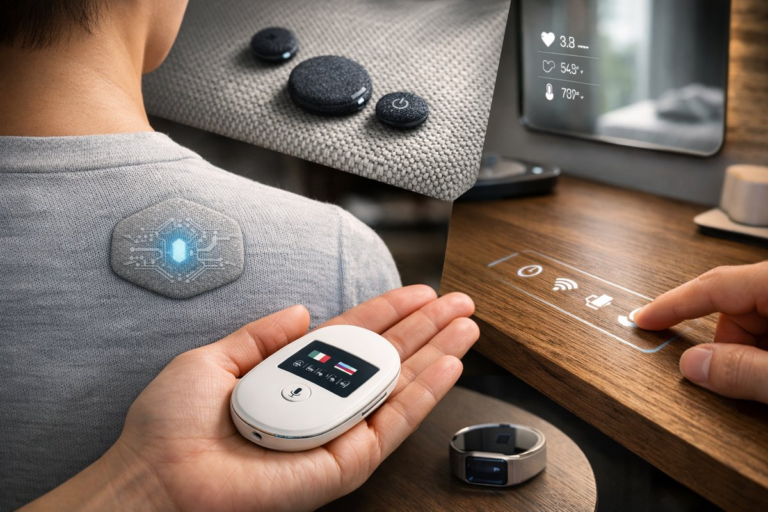
Modular hubs are at the heart of this shift. Imagine a compact base station that handles charging, network routing, and voice-assistant functions, then swells with snap-on modules for environmental sensing or secure hardware wallets. This concept mirrors the ethos behind right-to-repair movements in Europe, where new legislation encourages manufacturers to design electronics that last longer and can be serviced or expanded. It means fewer cables, less landfill waste, and gadgets that evolve with your routine instead of ending up obsolete after a single software update.
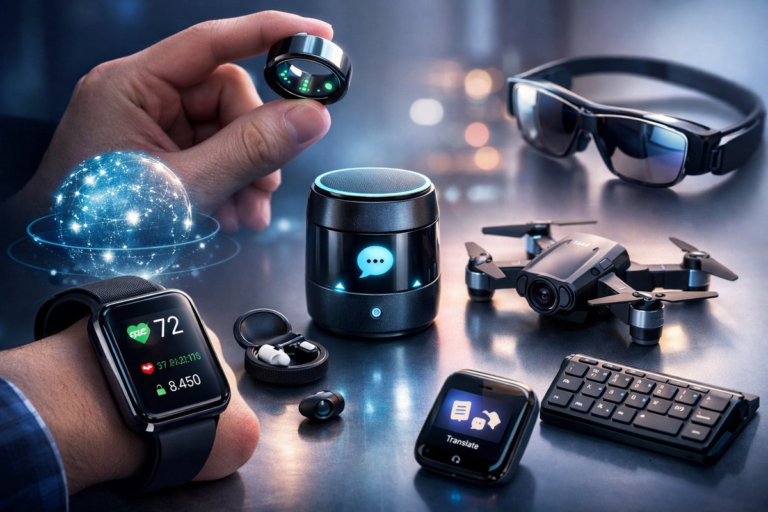
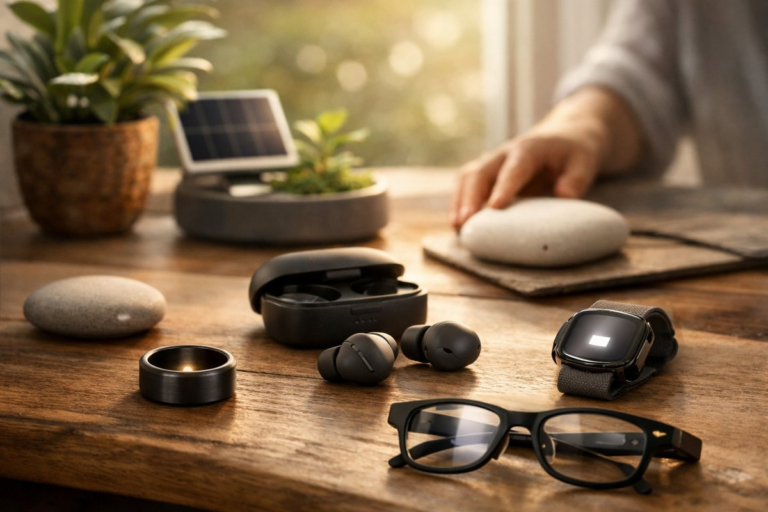
Privacy-first wearables are also moving beyond token gestures. Rather than sending raw biometric data to the cloud, next-gen smartwatches and fitness bands use on-device enclaves to analyze heart rate variability, sleep stages, and movement patterns. Only anonymized or aggregated insights leave the device, and firmware updates are digitally signed to guard against tampering. Open-source communities have rallied around a handful of microcontroller platforms, producing companion apps that can be self-hosted on local servers-a boon for anyone wanting to keep health logs under personal control.
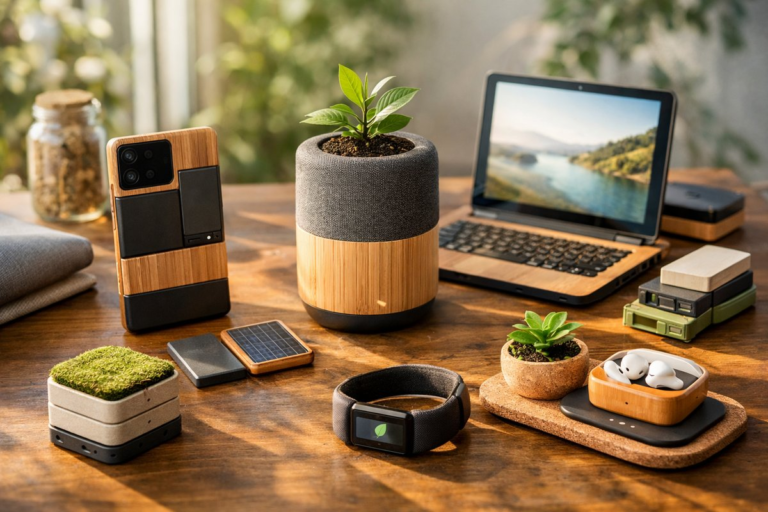
On the sustainability front, recycled polymers and ethically sourced metals are becoming standard in many gadget designs. In 2019, UN research estimated global electronic waste at over 53 million metric tons, with the figure projected to exceed 74 million by 2030 if nothing changes. The newest portable speakers, headphones, and smartphone shells now incorporate up to 30% post-consumer recycled content, and battery packs boast replaceable cells rather than sealed units. Combined with community repair guides and swappable parts, these efforts address both environmental impact and cost of ownership.
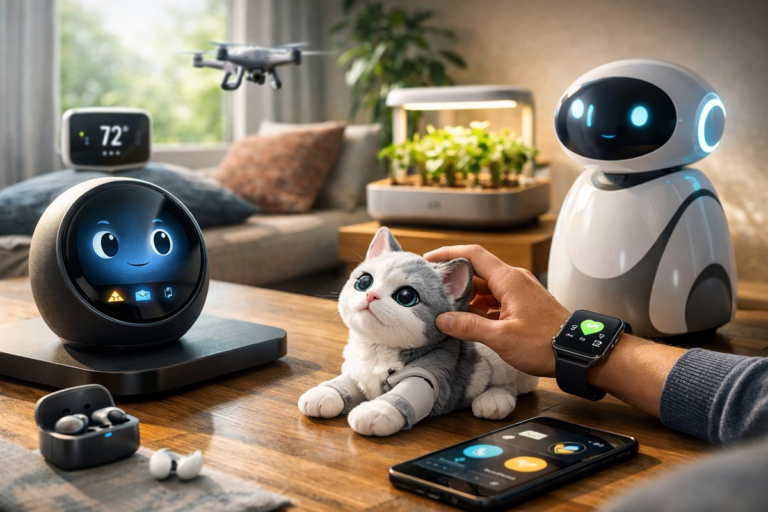
Emotional intelligence in devices is no longer science fiction. AI assistants trained on large language models can now gauge user mood through vocal tone, word choice, and pacing. When stress is detected, some speakers lower notifications or suggest calming playlists. Others mirror supportive language patterns, offering empathetic responses and sleep-friendly white noise when nightly rest is a struggle. According to a recent study published by a leading research institute, these adaptive voice interfaces improved user satisfaction by 19% compared to static responses.
Bridging new gadgets with legacy systems has also become a priority. Bluetooth mesh technology lets smart bulbs, door locks, and sensors communicate reliably across a home network-even if some devices use older wireless standards. As a result, you won’t have to replace every light fixture to install a handful of color-tunable Philips Z-Line bulbs or integrate a modern smart lock with a decades-old deadbolt. Multi-protocol hubs will translate Zigbee, Thread, Wi-Fi, and Bluetooth, ensuring your smart ecosystem grows organically rather than demanding a full overhaul.
Customization is another pillar of this emerging landscape. Community-maintained firmware for routers and earbuds unlocks advanced privacy settings and audio profiles that would never ship on a consumer-grade device. Enthusiasts are sharing prebuilt images that enable VPN at the router level, granular traffic filtering, or even local voice-assistant engines that never touch the cloud. This DIY spirit empowers novices and hobbyists alike to tailor devices to exact needs without sacrificing security or performance.
When selecting gadgets, start by evaluating battery longevity and upgrade pathways. Choose products with swappable cells or high-density USB-C charging over proprietary power bricks. Look for ecosystems backed by clear software roadmaps: devices with committed developer support and transparent privacy policies often outlast flashy but short-lived market entrants. Early reviews from trusted sources can illuminate hidden subscription fees or forced obsolescence cycles, so take a few extra minutes to read hands-on tests before committing.
Behind the scenes, battery innovation continues at a steady pace. Solid-state batteries promise higher energy density and faster charging without the risk of thermal runaway. Meanwhile, supercapacitor research is edging closer to practical use, potentially enabling ultra-fast top-ups for devices that see heavy daily use. Although mass deployment remains a few years out, some power banks already employ graphene components to shave minutes off charge times for both phones and laptops.
Foldable and dual-screen devices are finding their niche beyond mere novelty. According to industry data, foldable smartphone shipments jumped more than 120% in the first quarter of last year, driven by users who want larger canvases without lugging a tablet. Designers optimize hinge mechanisms and use shock-resistant glass layers to ensure durability. Productivity-focused apps now support split-screen multitasking, making it feasible to draft a document on one panel while referencing research on the other.
Health and environmental monitoring gadgets are spreading into everyday routines. Portable air quality sensors detect VOCs and particulate matter, syncing data to smartphone dashboards that track pollution hotspots. Wearable UV detectors warn about excessive sun exposure, nudging users toward shade or sunscreen. In workspaces, circadian-friendly lighting systems adjust color temperature throughout the day, aiming to support alertness in the morning and wind down for sleep at night.
Maker culture continues to thrive in parallel with commercial offerings. Low-cost microcomputers like the latest single-board models provide enough horsepower for home automation controllers, media servers, or custom security cameras. Open hardware kits let you build your own environmental sensor networks, moisture detectors for houseplants, or temperature-based ventilation controls. This hands-on approach demystifies underlying technologies and fosters skill development-an invaluable asset in a world powered by code and silicon.
Integrating these gadgets into everyday workflows can enhance productivity and well-being when handled thoughtfully. Craft a morning routine by pairing a smart coffee maker with a circadian alarm app that monitors sleep cycles. Automate evening lighting scenes that dim gradually and cue warming hues to signal the end of the workday. Use location-based triggers on your phone to disarm security systems when you return home, or sync a luggage tracker for travel peace of mind.
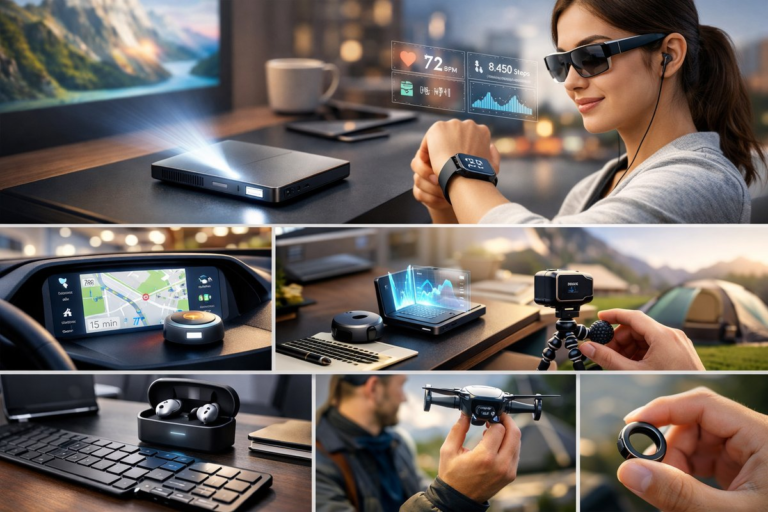
Looking ahead, 5G mmWave hotspots promise gigabit-class mobile performance for on-the-go creativity, while augmented reality headsets inch closer to mainstream utility with slimmer profiles and longer battery life. Biometric authentication via palm-vein scanners and embedded fingerprint modules may supersede passwords entirely. As these trends converge, the key takeaway remains constant: the gadgets best worth investing in are those that respect your data, adapt to evolving routines, and promote a lighter footprint on the planet.
The next generation of practical gadgets will blur the line between utility and empathy. Devices that anticipate needs, maintain user autonomy, and leave minimal environmental footprints are well within reach. By focusing on upgradeability, privacy preservation, and emotionally attuned interactions, the industry is charting a course toward genuinely human-centered technology. For curious readers and lifelong learners alike, this evolution offers both inspiration and tangible ways to shape the digital tools that sustain our lives.