Location
Mount Vernon, WA 98274

Location
Mount Vernon, WA 98274
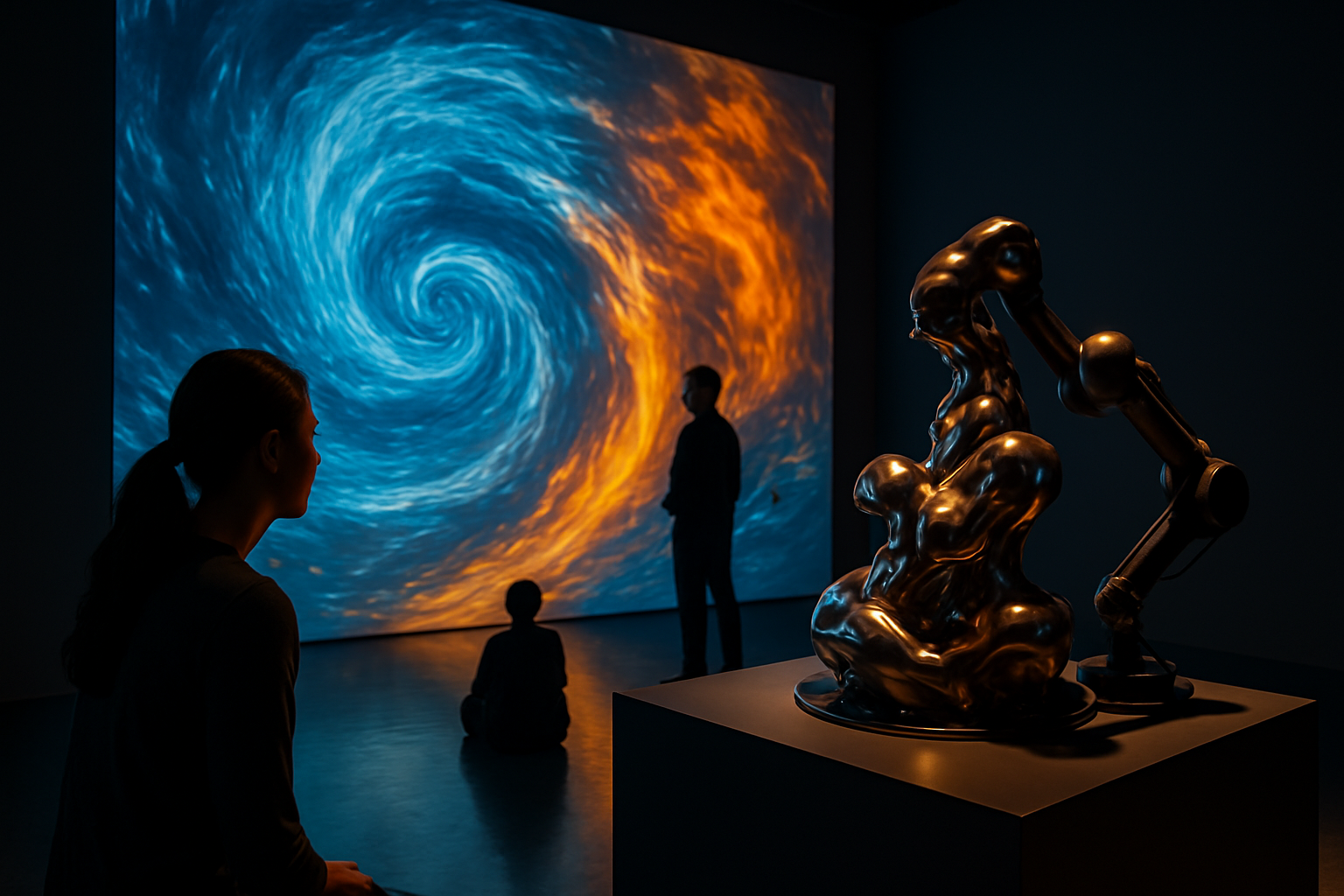
Artists and designers are harnessing the unpredictable beauty of fluids alongside the generative power of AI to craft installations that ebb and flow with audience engagement. From swirling projections that mimic water vortices to robotic sculptures that shift like molten metal, this convergence is reshaping immersive art. We explore how sustainability, interactivity, and machine learning join forces to paint the next chapter of creative expression.
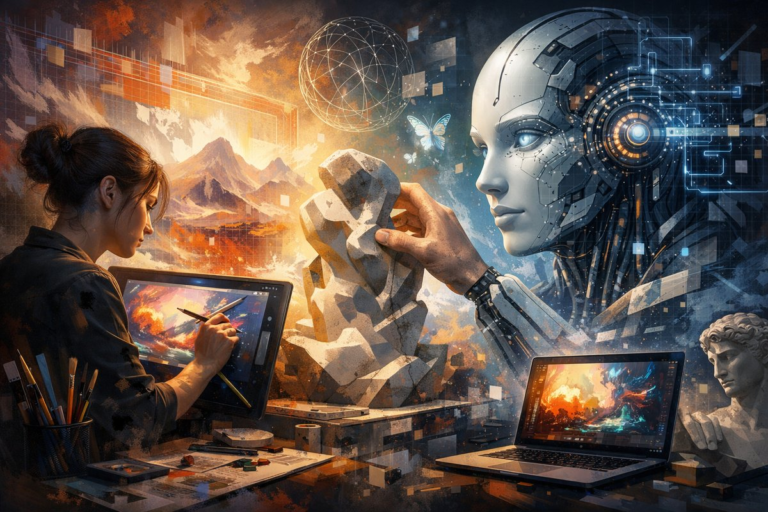
Since installation artists first began using projectors to overlay graphics onto surfaces, the quest for dynamic expression has only accelerated. Today, a new wave of creatives is blending fluid dynamics simulations with generative machine learning algorithms to produce living canvases that ripple in space and time. These liquid pixel environments respond to passersby, adapt to environmental data, and even reshape themselves through robotic actuators. What was once the domain of experimental science labs has moved into galleries, public squares, and biennales around the globe, promising art that never stands still.
Beneath the surface of any droplet of water lies a complex interplay of viscosity, pressure, and temperature. Designers have turned to open source fluid dynamics tools to map these forces into virtual realms. Teams at a recent festival employed smoke machines paired with depth cameras to capture swirling patterns and feed them into generative adversarial networks. The result: projections that morph in real time, tracing the dance of air currents while obeying the physics of liquids. Visitors circulating through the exhibit described feeling as if they were submerged in a dreamlike ocean of color and motion.
Generative AI has matured from producing static stills to animating complex systems. Neural networks trained on simulation data can now anticipate how a fluid vortex will evolve milliseconds ahead, enabling smooth transitions between configurations. When these predictions feed into robotic arms controlling sheets of metallic film, the installations gain a sculptural dimension: folds and ripples appear, unfold, then cascade across the surface. The narrative emerges organically, as if the artwork were an autonomous being exploring its own potential.
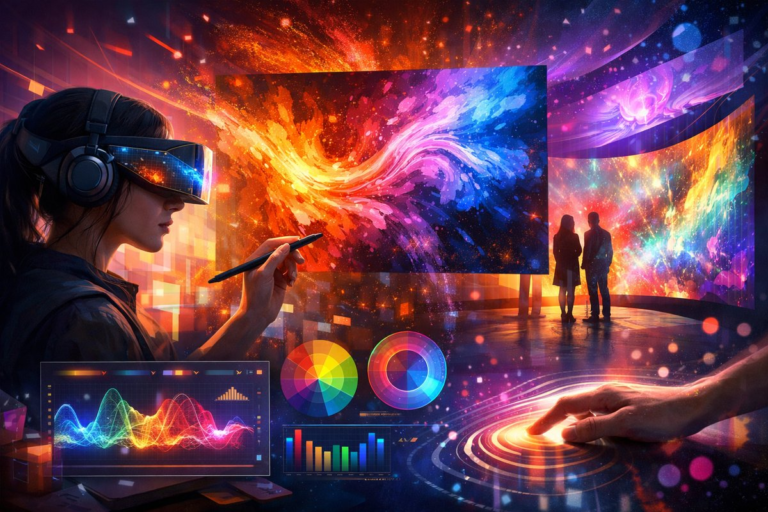
Despite the technical underpinnings, human intuition remains central. Designers sketch initial patterns, select palettes based on emotion or theme, and decide how user input alters the system. Tactile controllers like pressure-sensitive pads or haptic gloves translate gestures into fluid simulations, turning the audience into co-creators. One studio devised a circular interface where participants could grip a ring, squeeze to thicken the virtual fluid, or twist to direct its path. Such collaborations blur the line between maker and viewer, turning gallery walls into living organisms.
As environmental concerns rise, so does the desire for sustainable practice. Instead of water or chemical dyes, some installations use biodegradable fluids and recycled materials for physical components. Virtual representations of water reduce resource use, while solar panels or human-powered generators supply energy. An eco collective in Berlin recently unveiled an installation that ran entirely on kinetically harvested energy from visitors walking on a pressure-sensitive floor. The data harvested then influenced the fluid visuals, closing the loop between human action, renewable power, and art.
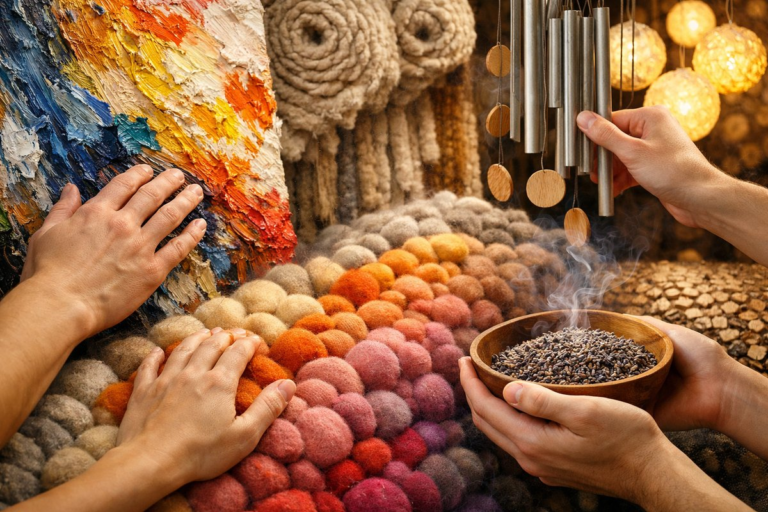
Effective interactivity relies on sensing technologies. Infrared motion trackers, pressure mats, and computer vision systems capture discrete moments of engagement. Emerging lidar devices create volumetric maps of a space, feeding AI subsystems that adjust flow patterns around each visitor. Imagine art that parts like a school of fish as observers pass through, or walls that swell and recede to your heartbeat. By layering biometric data – heartbeat, temperature, even galvanic skin response – artists can evoke emotional resonance and craft personalized journeys.
Public art projects have embraced these techniques to turn streets into fluid theaters. In one initiative, municipal waste data was converted into a dynamic visualization projected onto a building facade. Streams of virtual water pulsed down the structure according to daily recycling rates, driving communal awareness through aesthetic immersion. Residents gathered nightly to see their collective action literally flow across the walls, fostering dialogue about consumption, waste, and responsibility.
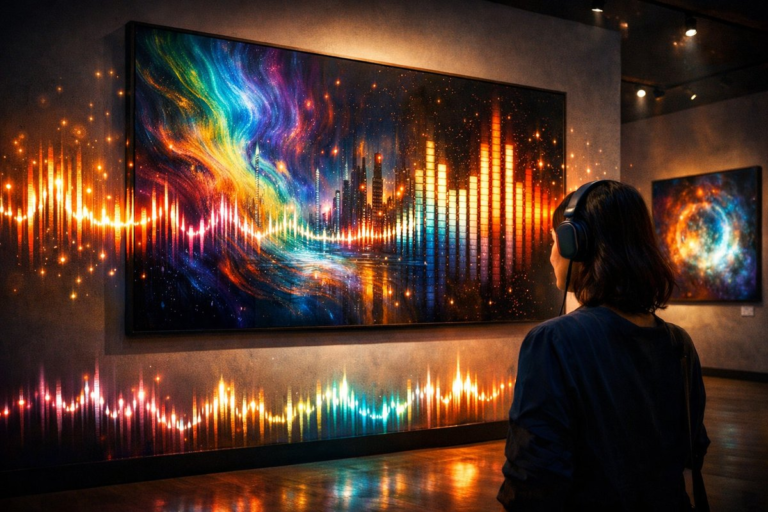
Coupling fluids and sounds transforms installations into synesthetic experiences. By embedding hydrophones in transparent reservoirs or mapping fluid simulation parameters to audio synthesis engines, designers create environments where color and acoustics ebb as one. An ensemble at a recent digital art showcase used sonic granular synthesis driven by virtual vortices, producing drones that swelled with each swirl of projected ink. Visitors described sensing the water before seeing it, as low-frequency hums vibrated through the floor. This layered approach deepens emotional impact, attuning perception to the interplay of sight and sound.
The feedback loop between street experimentation and studio refinement accelerates innovation. Field tests in urban environments generate fresh data sets – wind patterns between skyscrapers, pedestrian density at rush hour – feeding back into lab simulations. Conversely, breakthroughs in algorithm efficiency and hardware miniaturization make street installations more accessible and cost-effective. Small collectives can now rent portable computation rigs and microfluidic pumps to stage pop-up exhibits in underused lots or community centers.
Looking forward, artists and designers foresee deeper integration of augmented reality, edge computing, and biohybrid materials. Imagine watercolor portraits that breathe when you gaze at them through AR glasses or sculptures that self-heal using engineered bacteria. As processors shrink and neural models become more efficient, even independent creators will wield the tools once reserved for well-funded labs. Fluid art may soon saturate every public space, each drop and swirl carrying stories of community, environment, and shared humanity. The future of immersive design is not a static masterpiece but an ever-changing tide, inviting us to flow along with its currents.