Location
Mount Vernon, WA 98274

Location
Mount Vernon, WA 98274
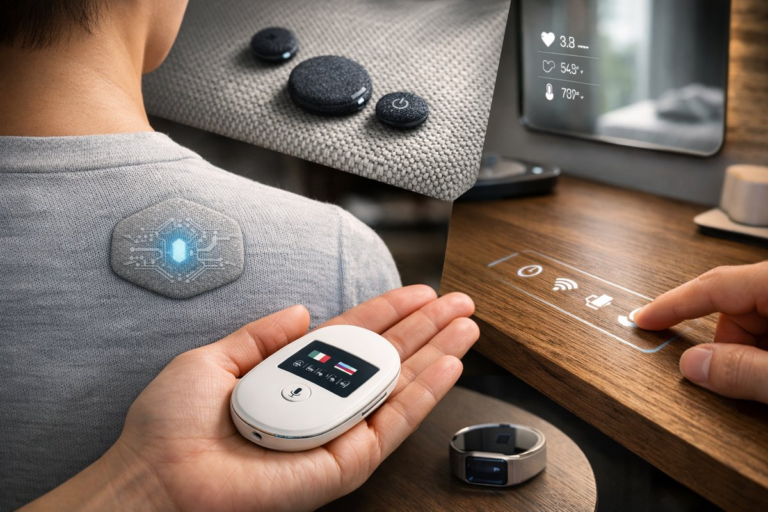
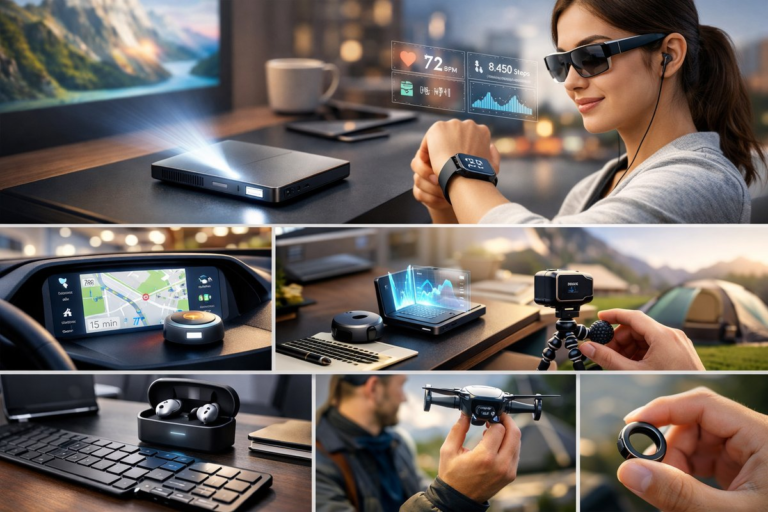
A hush surrounds the latest wave of gadgets that operate out of sight and earshot. From battery-free sensors woven into walls to emotion-adaptive earbuds, a new breed of devices promises to blend into daily life while respecting privacy and sustainability.
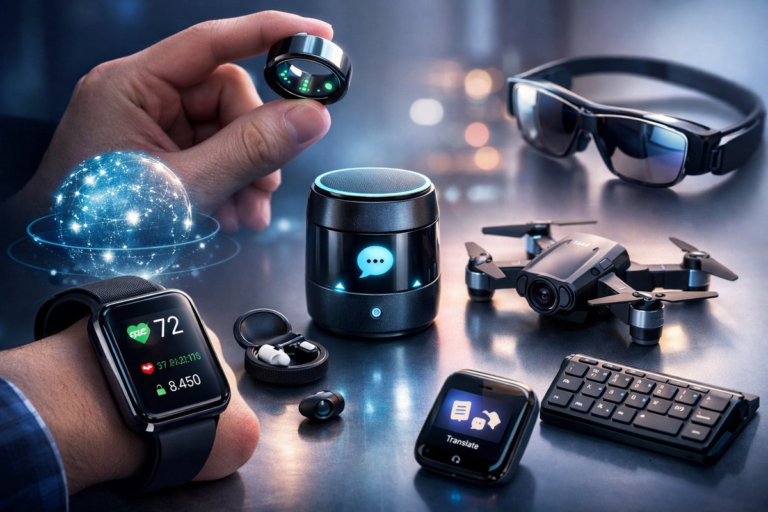
In conference halls and online forums alike, attention has shifted away from high-profile gadget unveilings toward subtler breakthroughs that promise impact rather than spectacle. Under the radar, engineers and designers are stitching intelligence into the fabric of homes, offices, and wearables in ways that minimize user disruption while maximizing utility. These stealthy innovations avoid flashy marketing campaigns in favor of quiet optimization-detecting room humidity, adapting light temperatures, tracking health metrics without intrusive cameras, and even harvesting energy from ambient sources. By embedding compact, edge-computing modules in everyday objects, these gadgets process information locally, reducing reliance on remote servers and cutting data transmission overhead. The result is an ecosystem where devices can learn from and adapt to individual habits without exposing sensitive personal details to the cloud.
One hallmark of this emerging trend is a swath of battery-free sensors that draw power from ambient energy fields-radio frequency waves, indoor lighting, or thermal differences. By stripping away conventional cell power supplies, designers eliminate regular maintenance tasks like battery replacement, which has long been a barrier to widespread sensor deployment. These miniature devices can discreetly monitor parameters such as air quality, temperature fluctuations, and structural strain within buildings. Installed behind drywall or embedded into window frames, they stream unobtrusive updates to local controllers, helping occupants fine-tune heating, ventilation, and air conditioning with unprecedented granularity while generating minimal e-waste.
Lighting has also become smarter without becoming showy. New adaptive illumination systems incorporate tiny on-board processors and spectral sensors that gauge ambient light and adjust color temperature to align with human circadian rhythms. Unlike models that rely on camera feeds or cloud analytics, these fixtures carry out all computations on-device, preserving occupant privacy. Early adopters report subtler transitions between warm and cool tones, leading to improved sleep patterns and daytime alertness. The absence of visible lenses and the omission of networked video streams allay common surveillance concerns, ushering in an era of ‘private lighting’ that respects both biological and civic boundaries.
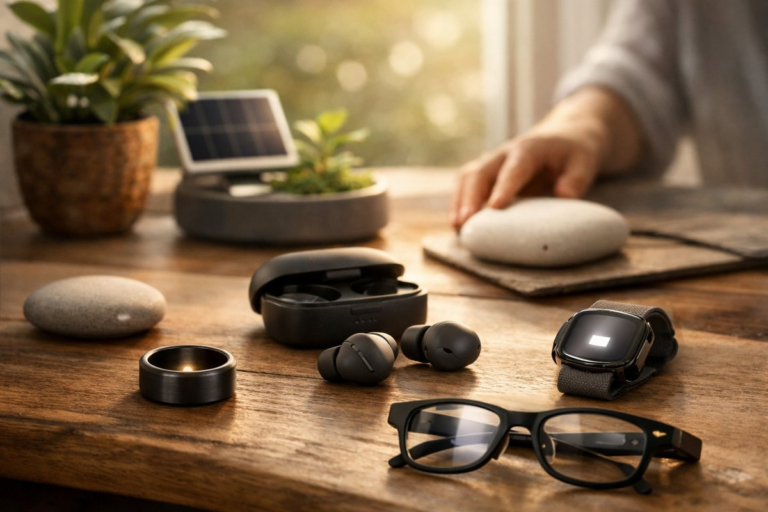
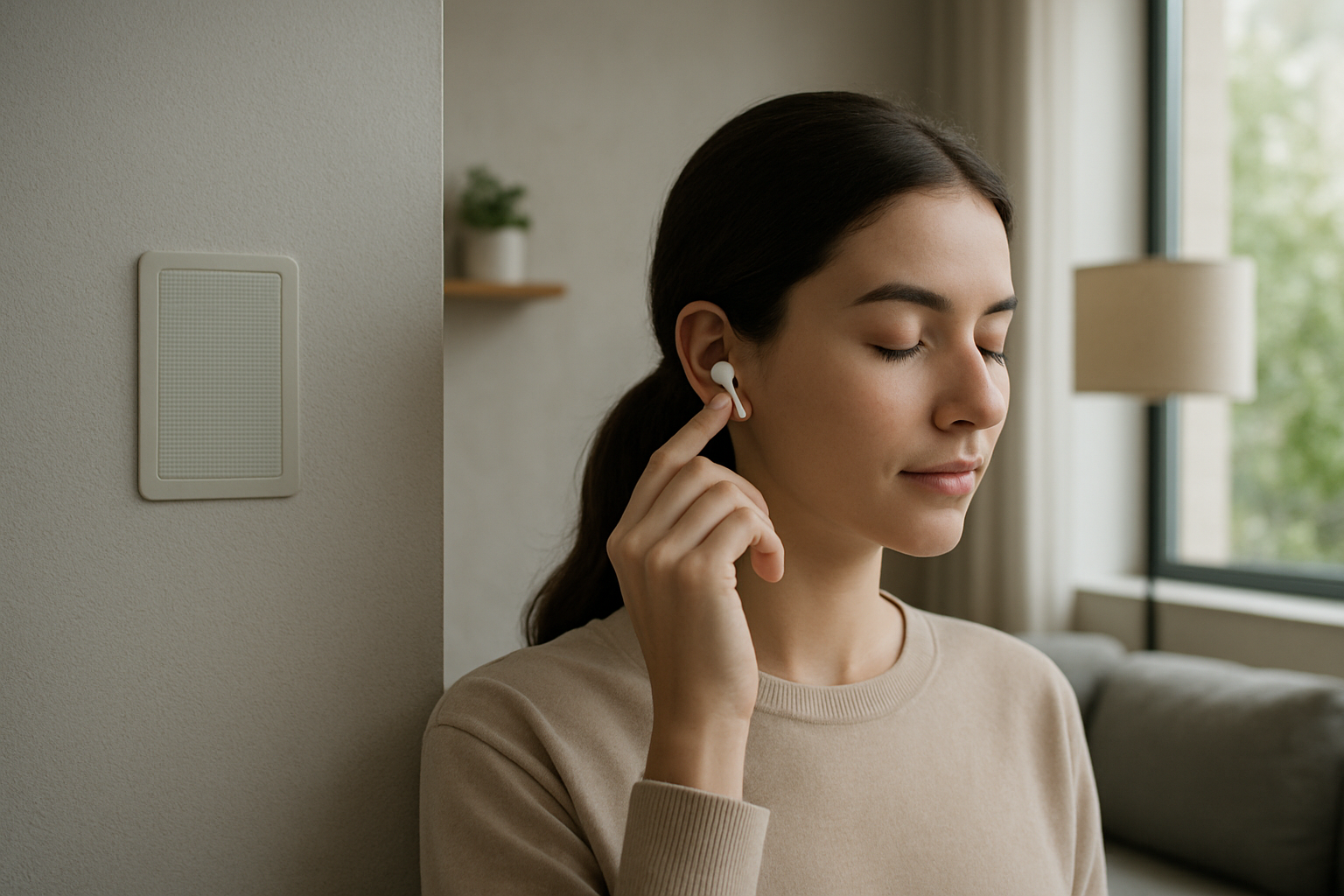
Audio gear, too, is learning to read emotions. Researchers at several labs have prototyped earbuds equipped with skin-conductance sensors and subtle inertial measurement units that detect physiological stress indicators like perspiration and micro-movements. When elevated stress is sensed, the devices can alter playback-slowing down music tempos, boosting ambient soundscapes, or pausing notifications to give users a moment of calm. Rather than collecting vast voice data or relaying user profiles to centralized servers, these earbuds execute signal processing locally, instantly adapting to individual comfort levels without storing sensitive biometric patterns.
Perhaps most intriguing are the privacy-centric AI hubs emerging from the fringes of the consumer market. These compact boxes pack specialized neural processors optimized for common tasks-voice recognition, facial analysis, gesture control-yet they operate in a fully offline mode. Households can train voice assistants or gesture-driven controls directly on the device, ensuring that conversations stay private. Companies behind these hubs emphasize on-device learning, open firmware, and transparent data policies. The strategy appeals to professionals in small businesses and co-working spaces who worry about corporate espionage and data breaches when relying on mass-market cloud services.
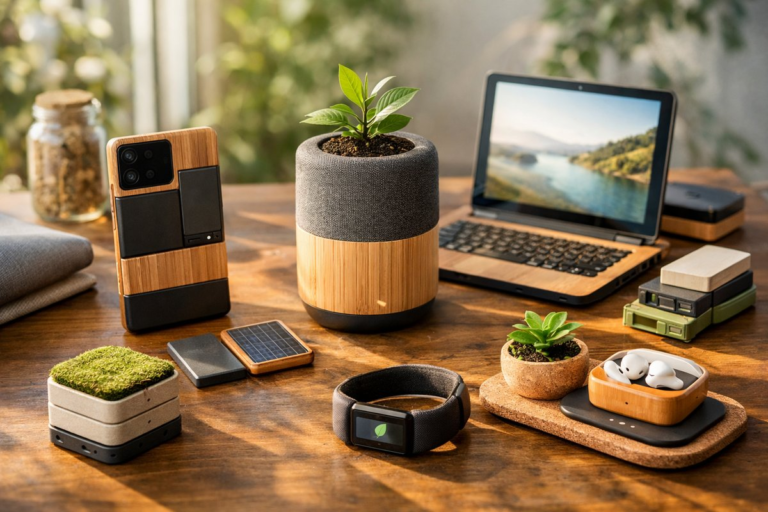
The sustainability narrative is woven tightly into these developments. Hardware manufacturers are adopting modular enclosures crafted from recycled plastics and reclaimed metals. Internal components snap together without soldering, making upgrades or repairs straightforward. Instead of discarding entire units when one sensor fails, technicians or even end users can swap a single module, keeping more electronics in circulation. Some startups have introduced refundable deposit schemes to encourage returns for refurbishing or responsible recycling, signaling a shift away from disposability toward durable, circular design.
In one telling example, a small agriculture-tech company unveiled a self-powered environmental sensor tailored for indoor hydroponic farms. Clinging to vertical plant racks, the sensor gathers humidity, pH, and nutrient flow data while drawing energy from nearby Wi-Fi routers. Growers reported a 20-percent increase in crop yield variability control after integrating the devices with local edge servers. Without batteries to swap or signal repeaters to install, the system built itself into existing infrastructure with minimal overhead-freeing up staff to focus on plant care rather than equipment maintenance.
On another experimental front, engineers at a university spin-off are testing a wristband that harvests body heat to power a suite of health trackers. A series of thermo-electric modules sandwiched beneath flexible silicone draws small voltage gradients from skin temperature differences, feeding them into a microcontroller that logs heart-rate variability, sleep stages, and hydration levels. While the harvested energy currently suffices for intermittent updates rather than continuous monitoring, researchers project that future iterations will merge energy-scavenging fabrics with low-power neural nets, unlocking truly maintenance-free wearables.
Early market traction is most visible in compact environments where unobtrusive devices hold the greatest appeal. Urban micro-apartments, tiny retail outlets, and satellite offices are among the hotspots for adoption. Landlords are installing discreet air-quality and occupancy sensors to optimize HVAC scheduling, cutting energy bills by upwards of 15 percent in some properties. Independent professionals favor light fixtures that adapt to daylight shifts without camera permissions. Meanwhile, gamers and streamers experiment with emotion-sensing peripherals to calibrate their broadcasting setup for optimal audience engagement.
An analyst from a leading research firm notes that this under-the-radar approach defies the normal product life cycle. Rather than chasing quarterly hype, hardware teams iterate quietly, releasing minimal viable products, gathering feedback directly from niche users, and refining features before committing to big-scale production runs. This model contrasts sharply with blockbuster gadget launches, where shortcomings get exposed under public scrutiny. The slow-build strategy can yield more robust, less obtrusive solutions-though it also poses risks, as companies must secure enough funding to bridge the gap between prototyping and mass adoption.
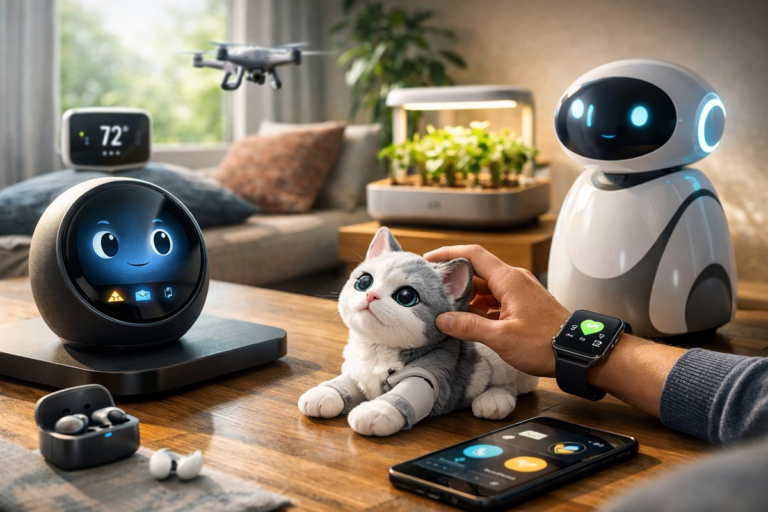
Looking ahead, the interplay between stealth sensors and local AI promises ambient environments that understand us without intruding. Imagine walls that adjust thermal comfort in real time, desks that remind you to stand when they sense restlessness, and audio halos that mute notifications when stress levels rise-all while assuring users that no personal data ever leaves their premises. This paradigm hinges on expanded support for tiny neural accelerators, energy-smart components, and open software stacks that empower communities to audit and customize behavior.
For consumers intrigued by these innovations, the path forward involves balancing curiosity with due diligence. Seek products that publish clear energy-harvesting specifications, rebate or deposit programs for recycling, and open interfaces for firmware updates. Prioritize gadgets whose data handling policies are transparent and local processing dominates. To avoid lock-in, look for modular designs or platforms that support third-party modules. Ultimately, the goal is to foster an environment where technology blends into the background, supporting health, efficiency, and environmental stewardship without grabbing headlines or personal information.
The quiet revolution of stealthy gadgets is less about gadgetry itself than about a shift in ethos-crafting tools that fade into daily routines, respect our privacy, and serve planetary health. As these innovations mature, their true value will emerge not in flashy demos but in the subtle ways they enhance comfort, well-being, and sustainability. Sometimes, the most profound change happens when no one notices the change at all.