Location
Mount Vernon, WA 98274

Location
Mount Vernon, WA 98274
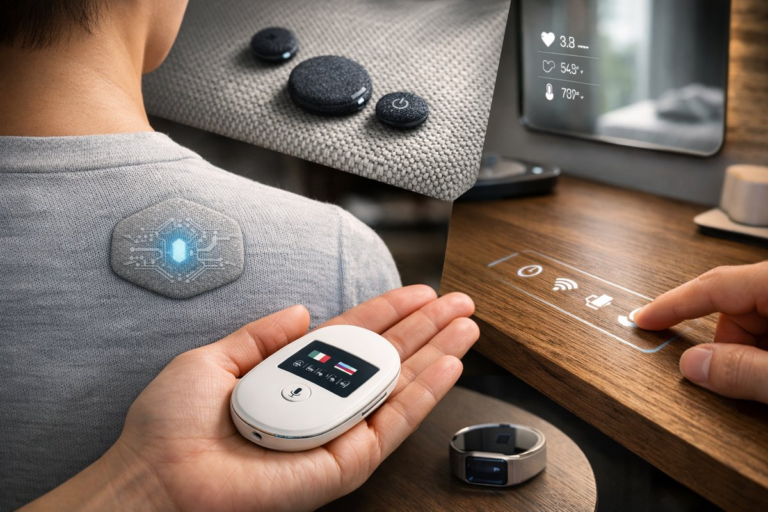
A quiet technological revolution is unfolding in homes and pockets worldwide as everyday gadgets adopt smarter, greener, and more intuitive features. From energy-harvesting sensors that run without batteries to AI-infused devices respecting our privacy, the latest wave of consumer tech is as practical as it is forward-thinking.
In living rooms, kitchens, and backpacks around the globe, a subtle shift is taking place. Gadgets once defined by raw processing power or sleek aesthetics are now evolving toward deeper integration with our lifestyles-anticipating our needs, shrinking their environmental footprint, and blending into our daily routines with near-invisibility. This is a departure from flashy launches and headline-grabbing specs; it’s an era of quiet innovation prioritizing seamless function and emotional resonance.
At the heart of this change lies a rethink of artificial intelligence’s role in mid-tier devices. Once reserved for high-end smartphones and enterprise servers, AI SoCs (systems on a chip) are trickling down into earbuds, smart thermostats, and kitchen appliances. But rather than feeding every bit of audio or home sensor data back to distant cloud servers, today’s designs emphasize on-device inference. By processing speech commands and usage patterns locally, these gadgets reduce network traffic, preserve battery life, and keep personal data stored securely at home. The result is a new generation of voice assistants that respond in milliseconds-no internet connection required-and treat user privacy as a feature, not an afterthought.
Meanwhile, energy harvesting is dissolving one of tech’s most persistent pain points: battery fatigue. Advances in ultra-low-power radio chips, combined with microgenerators that scavenge ambient light, motion, or radio-frequency energy, are powering sensors that run effectively forever. Picture a window sensor in your home security system that draws electricity from indoor lighting, or a wearable fitness tag energized by the motion of your wrist. These battery-free devices sidestep planned obsolescence, reduce e-waste, and lower maintenance demands-transforming smart homes, industrial monitoring, and personal health tracking into more sustainable ecosystems.
Designers are complementing these technical breakthroughs with materials drawn from the circular economy. Recycled plastics, bio-derived polymers, and metals recuperated from decommissioned electronics are finding their way into casings and internal components. Instead of colors that scream “future tech,” many gadgets now feature muted, nature-inspired finishes: mossy greens, sandstone beiges, and ocean blues. This aesthetic shift is more than cosmetic. It signals a broader ethos in which products are built to be disassembled, repaired, and returned to the material cycle, rather than tossed into landfill once a single component fails.
Interfacing with these devices is also undergoing a reinvention. Touchscreens, while still ubiquitous, are sharing center stage with gesture recognition, haptic feedback on fabrics, and nascent attempts at optical contact lenses capable of overlaying notifications directly in the user’s field of vision. Early prototypes of gloves studded with microvibration motors let users feel digital textures in augmented reality, while wearable patches relay discreet alerts against the skin. These interface experiments point toward a future where our fingers, palms, and eyes connect with software in ways less tactile than tapping and swiping, yet more intuitive and context-sensitive.
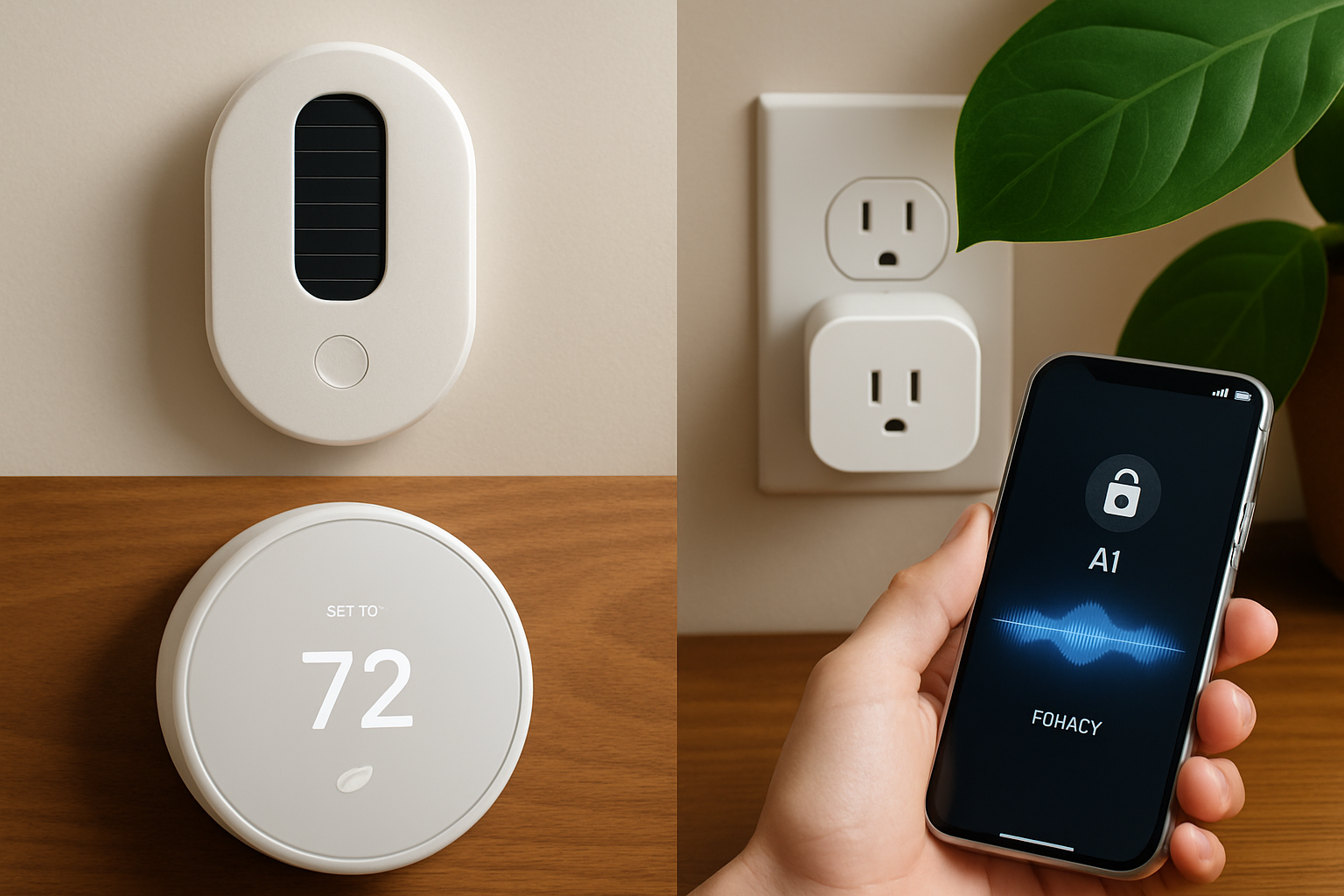
In the smart home, modularity is making a comeback. Rather than selling monolithic hubs and bundled sensors, some companies now offer plug-and-play modules that clip onto existing devices-transforming a standard outlet cover into a voice-controlled switch or a simple wall plate into a wireless network extender. Homeowners can mix and match these modules to customize functionality room by room, upgrade features without replacing entire systems, and troubleshoot faulty modules in isolation. This composability fosters affordability for entry-level users while giving power users the freedom to tinker with emerging protocols like Matter and Thread.
Sustainability and connectivity converge most vividly in off-grid and rural applications. Nonprofit organizations and agile startups are deploying solar-powered IoT gateways that mesh with local wireless networks to monitor water quality, agricultural parameters, and microgrid performance. In communities without stable electricity, these self-reliant systems deliver actionable data to farmers via SMS, alert technicians to equipment failures, and trigger microirrigation systems when soil moisture dips below critical thresholds. By designing for resource-constrained environments, engineers are uncovering low-bandwidth, low-power networking techniques that may soon influence urban deployments as well.
Back in the urban jungle, commuters are embracing portable devices that adapt to shifting contexts. Noise-canceling earbuds now detect stress markers in voice patterns, offering soothing ambient soundscapes when tension rises. Pocket-sized projectors can beam presentations onto any flat surface, then fold silently into a coat pocket. And foldable displays are edging beyond smartphones into smart notebooks and compact e-readers, offering an unbroken canvas for reading, sketching, and note-taking-all while reclaiming precious pocket real estate.
Yet as devices grow smarter and more interconnected, they also face new hurdles. Ensuring firmware stays updated on thousands of distributed modules demands robust over-the-air delivery systems-and clear user consent flows to avoid turning update prompts into headaches. Privacy regulations in multiple jurisdictions compel manufacturers to safeguard data, encrypt communications end-to-end, and minimize onboard storage of personal metrics. Meanwhile, supply-chain pressures continue to underscore the value of uncommon materials, prompting research into recycled chip substrates and alternative semiconductor chemistries.
For consumers navigating this evolving landscape, a few guiding principles can help separate enduring innovations from transient novelty. First, look for gadgets designed with modular repairability in mind-products that provide replacement parts or detailed teardown guides. Second, prioritize devices that process sensitive data locally or avoid retaining information altogether. Third, seek out energy-harvesting features or ultra-low-power modes that extend runtime and reduce your reliance on disposable batteries. Finally, consider interoperability: does your lock, speaker, or thermostat play nicely with open standards, or will it trap you in a siloed ecosystem?
The quiet elegance of these emerging technologies lies in their service to real human needs. They don’t demand to be the most powerful or the most expensive; rather, they slip into routines, anticipate friction points, and vanish behind the scenes. Whether it’s a sensor that never dies, a speaker that hears you without sending every word to the cloud, or a charger that runs on office lighting, the best gadgets of this generation are defined by empathy as much as engineering.
In the coming months, expect to see broader launches of AI-enabled audiovisual bars that auto-adjust sound based on room acoustics and ambient noise, or smart fabric patches that detect early signs of muscle fatigue for athletes and laborers alike. Look for more mainstream adoption of battery-free sensors in retail and logistics, tracking stock levels and temperature without the logistical burden of changing batteries. Watch as modular smart home modules reach price points under fifty dollars, making custom home automation accessible to new demographics.
Ultimately, the next wave of gadget releases won’t aim to outshine one another with flashy unveilings, but rather to complement our lives with subtlety and sincerity. As we grow accustomed to technology that fades into the background, we may find ourselves liberated from the constant friction of charging cables, software bloat, and data leaks. The stage lights are dimming on dramatic specs wars; instead, the quiet revolution is all about crafting gadgets that resonate at a human scale-sustainable, secure, and supremely intuitive.