Location
Mount Vernon, WA 98274

Location
Mount Vernon, WA 98274

A new generation of gadgets-from wrist-worn health monitors to voice-activated home assistants-is elevating how people manage wellness, productivity, and security. These devices blend advanced sensors, intuitive design, and local AI processing to offer seamless support throughout daily routines.
In recent months, a fresh wave of devices has begun to change the way people interact with everyday technology. From sleek wristbands to AI-infused speakers, these gadgets are no longer just accessories; they’ve become extensions of personal routines and wellness strategies. As more users demand seamless integration between their devices and daily lives, manufacturers have responded with hardware that blends design elegance and data-driven insights. This evolution reflects a broader shift in consumer expectations: technology should anticipate needs rather than simply respond to commands. Developers are embracing this challenge by combining advanced sensors, intuitive interfaces, and cloud-based intelligence, resulting in products that feel both magical and indispensable.
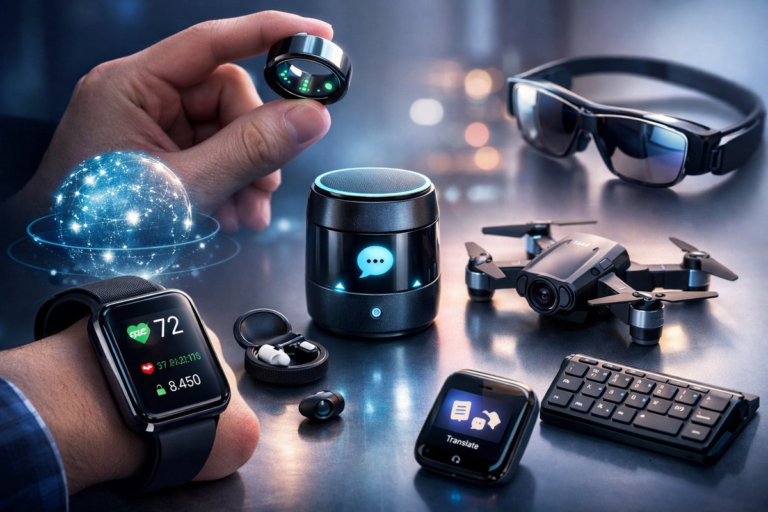
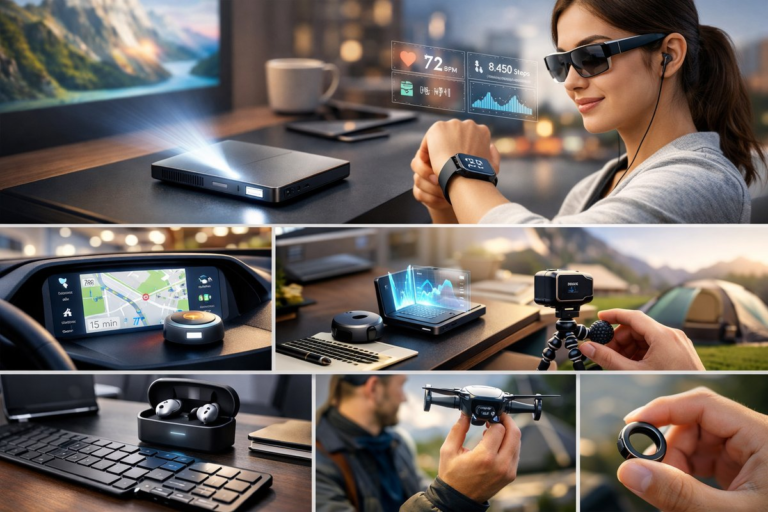
Wearable devices continue to lead this charge, offering features once reserved for medical laboratories on the comfort of a wrist or pendant. Modern fitness trackers now go beyond step counts and heart rate monitoring, providing electrocardiogram snapshots, blood oxygen readings, and stress-level assessments. A growing number of these wearables even use subtle haptic alerts to encourage posture correction or mindful breathing exercises when tension levels rise. With companion apps that visualize months of data and offer personalized coaching, users report higher engagement with their fitness goals. The design emphasis on lightweight materials and customizable bands means these gadgets can transition from a workout session to a business meeting without disrupting personal style.
At the same time, AI-powered assistants have found new homes beyond smartphones and smart speakers. Compact smart displays, for example, offer a blend of voice control and visual feedback that lends itself to home offices and kitchen counters alike. Voice queries can pull up recipe steps, update calendars, or stream educational videos, all without lifting a finger. In urban apartments where space is at a premium, these all-in-one devices minimize clutter and reduce the need for multiple screens. Developers are exploring multilingual capabilities, enabling households with diverse language needs to interact in their preferred tongue, and even integrating emotion-detection algorithms that adjust lighting or music based on the tone of a user’s voice.
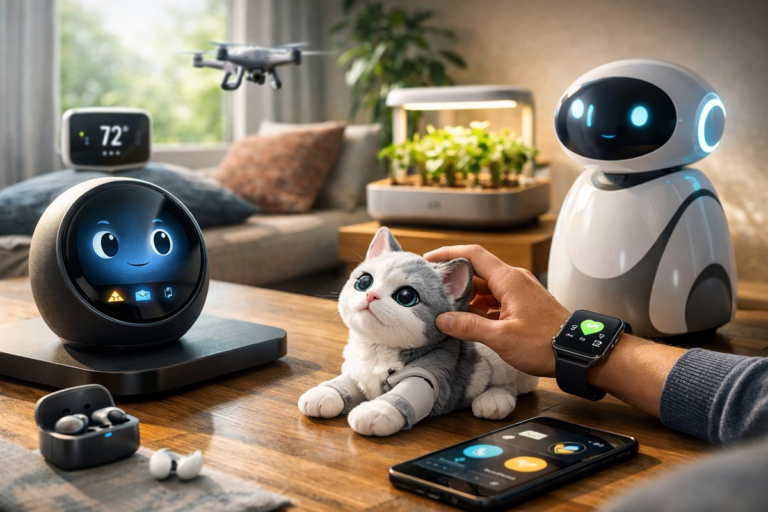
In parallel with wearable and voice-driven gadgets, the smart home ecosystem has matured into a tightly woven tapestry of sensors, cameras, and controllers. Wireless motion sensors can trigger lights in hallways, while door sensors and smart locks provide real-time status updates on home security. Indoor and outdoor security cameras feature high-dynamic-range imaging and low-light enhancements to capture crisp footage around the clock. Many of these devices now include on-device processing, which helps preserve privacy by analyzing footage locally before uploading event notifications. With intuitive mobile apps, homeowners can review alerts, customize activity zones, and grant temporary access codes to visitors, turning a simple doorbell into a comprehensive remote-monitoring solution.
Productivity tools are also undergoing rapid innovation to support hybrid work and digital nomad lifestyles. Mechanical keyboards with hot-swappable switches allow professionals to tailor tactile feedback to their preference, improving typing speed and reducing fatigue. Portable monitors have slimmed down dramatically, offering plug-and-play USB-C connectivity that extends a laptop’s display into a dual-screen setup in seconds. Magnetic wireless chargers can secure a smartphone in place while delivering fast, cable-free power. Accessories like adjustable laptop stands and noise-isolating headphones further enhance focus during video calls or deep-work sessions, creating a mini office environment anywhere from a coffee shop table to a co-working lounge.
Health monitoring has taken on new dimensions as emotional intelligence features are woven into device ecosystems. A growing class of wrist-worn wearables now tracks variations in skin conductance and temperature as proxies for stress or emotional arousal. Companion platforms use machine learning to identify patterns-perhaps linking poor sleep to midday cortisol spikes-that empower users to fine-tune their schedules and self-care habits. Some devices offer personalized breathing exercises guided by real-time biofeedback, aiming to restore calm during high-pressure moments. The result is a more holistic approach to wellness, one that acknowledges mental and emotional health alongside physical activity and nutrition.
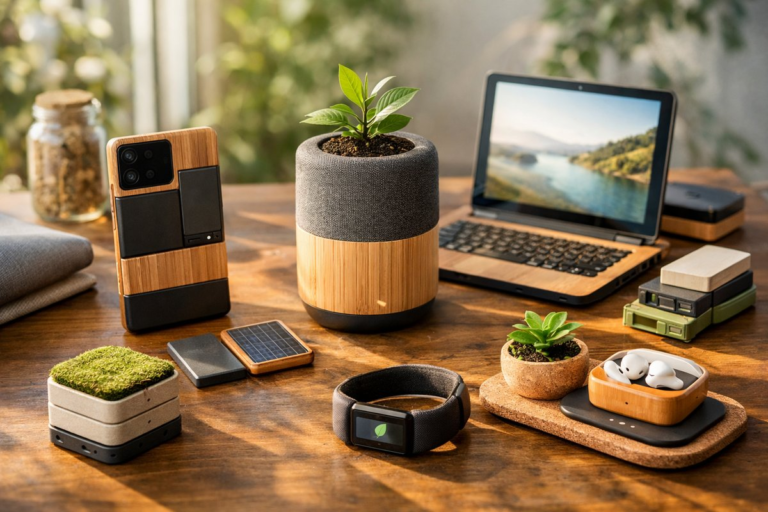
Sustainability has emerged as a key value in product design, with modular gadgets and repair-friendly construction gaining traction among conscious consumers. Several device lines now feature replaceable batteries, standardized screws, and detachable components that make routine maintenance and upgrades straightforward. Manufacturers are publishing repair manuals and selling spare parts directly to users, reducing electronic waste and extending product lifecycles. Biodegradable packaging and carbon-neutral shipping options further align technology releases with environmental goals. In some cases, trade-in programs incentivize the return of aged hardware, which can be refurbished or recycled responsibly, closing the loop on material stewardship.
Behind the scenes, a growing open-source ecosystem is fueling innovation at an unprecedented pace. Developers are sharing firmware tweaks that unlock new functionalities in existing devices, from enhanced sensor calibration to community-driven security patches. Crowdsourced hardware platforms allow hobbyists to design custom circuit boards and 3D-print cases, giving rise to unique wearables and smart gadgets tailored to niche interests. Collaborative marketplaces enable small-scale inventors to prototype and bring specialized products to market, bypassing traditional manufacturing bottlenecks. This democratization of hardware development accelerates iteration cycles and fosters a creative cross-pollination of ideas that benefits mainstream consumers.
Despite these advances, challenges remain on the horizon. Battery life continues to restrict how aggressively devices can sample data or run continuous AI analytics. Interoperability issues persist when ecosystems compete on proprietary protocols, forcing users to juggle multiple apps for device management. Privacy considerations loom large as sensors proliferate: location tracking, biometric data, and voice recordings present new attack surfaces that demand robust encryption and transparent user controls. Moreover, fairness and bias in AI-driven insights call for standardized governance frameworks to ensure that personalized recommendations serve diverse populations ethically and equitably.
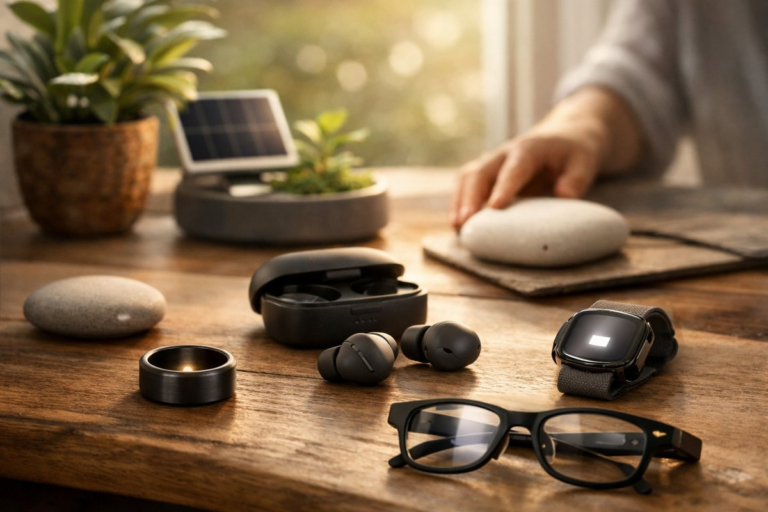
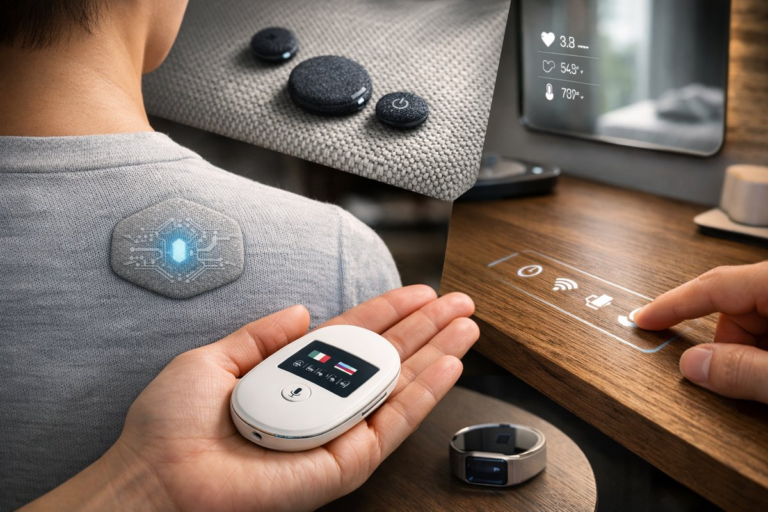
Looking ahead, the coming wave of technology promises even deeper integration between hardware, software, and human context. Ultra-low-power chips designed for always-on awareness may power garments, eyewear, or even adhesive patches, transforming how we track health and interact with digital services. Advances in on-device machine learning will enable smarter local processing, reducing reliance on cloud servers and enhancing both speed and privacy. Users can anticipate an era where their devices not only respond to voice or touch, but learn to anticipate needs based on routines, preferences, and subtle environmental cues. In this unfolding landscape, curiosity and emotional intelligence will remain vital, guiding consumers and creators alike toward gadgets that enrich life while respecting individual autonomy.