Location
Mount Vernon, WA 98274

Location
Mount Vernon, WA 98274
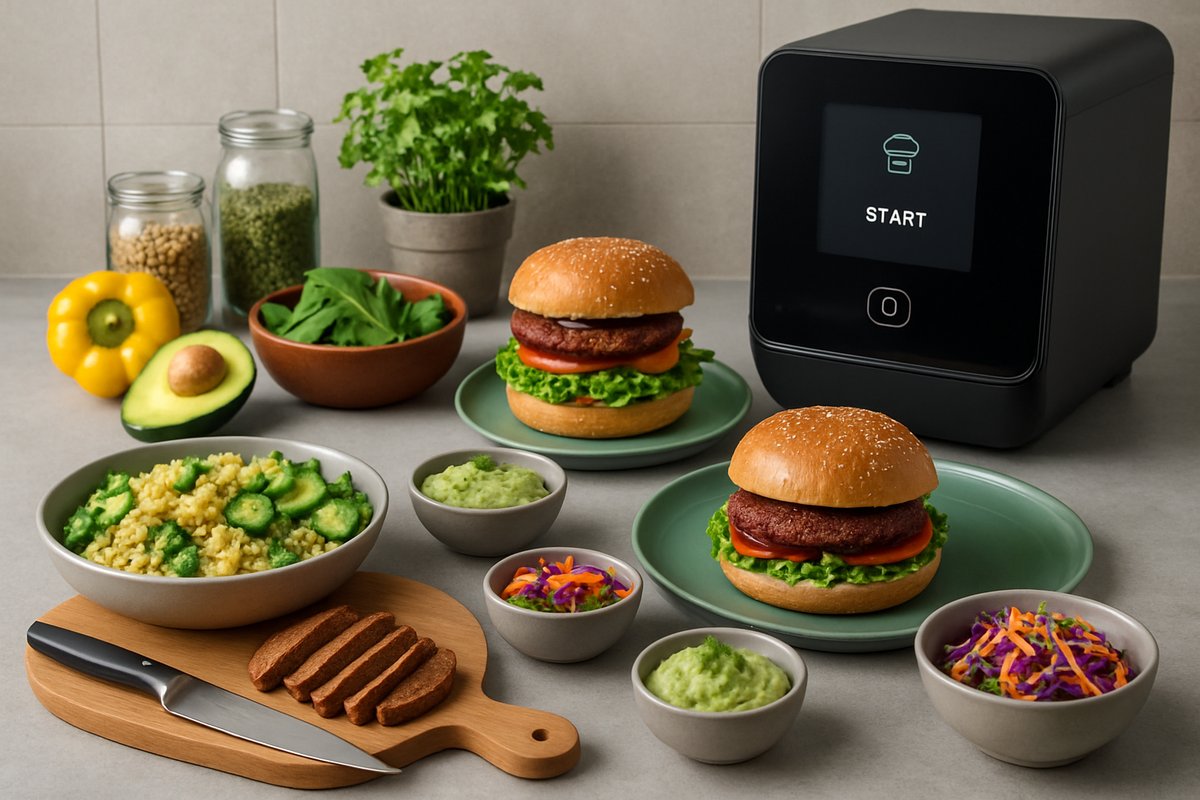
In kitchens around the world, cooks are reimagining what's on the plate by blending sustainability, global flavors, and cutting-edge tech. From plant-based breakthroughs to zero-waste strategies and smart appliances, this wave of innovation is as much about emotional connection as it is about taste. Discover how these culinary currents are reshaping home cooking and what tools can help you ride the wave.
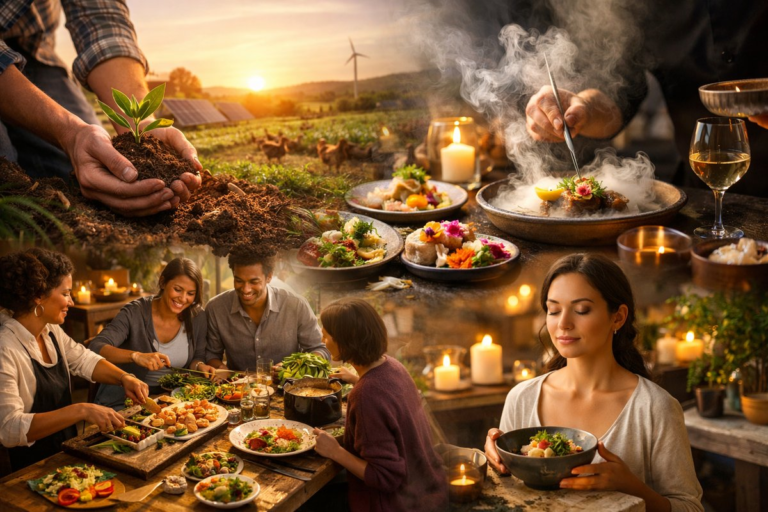
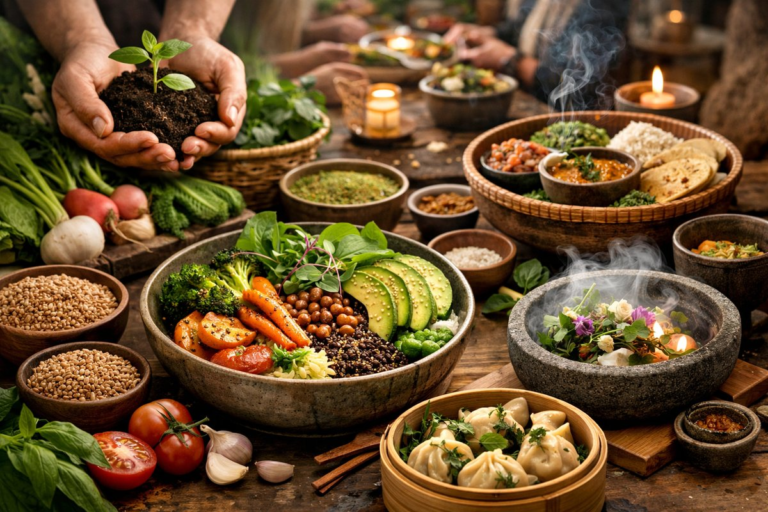
Across bustling metropolitan lofts and quiet suburban homes, an unmistakable energy is pulsing through modern kitchens. It’s a blend of curiosity and purpose: curiosity about new textures, aromas, and techniques; purpose in reducing waste, supporting local producers, and nourishing both body and planet. While any given stovetop might bubble with curries, stews or experimental desserts, there’s a deeper narrative weaving these dishes together-one of cultural exchange, technological innovation, and a redefined notion of what constitutes a satisfying meal.
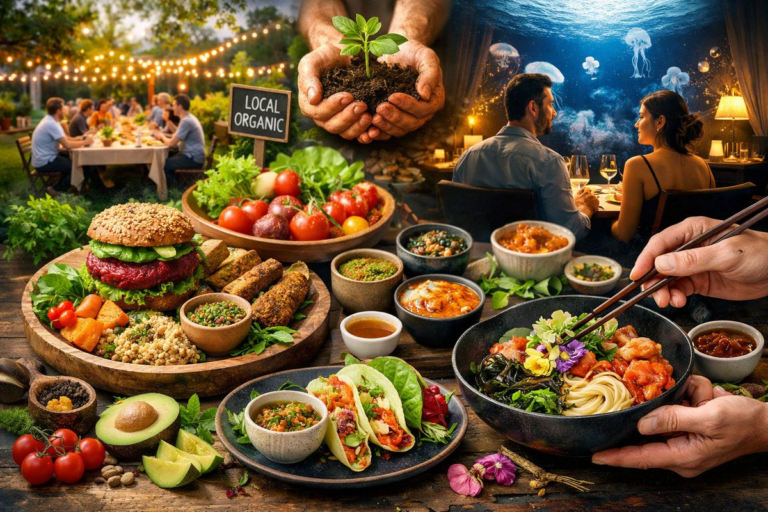
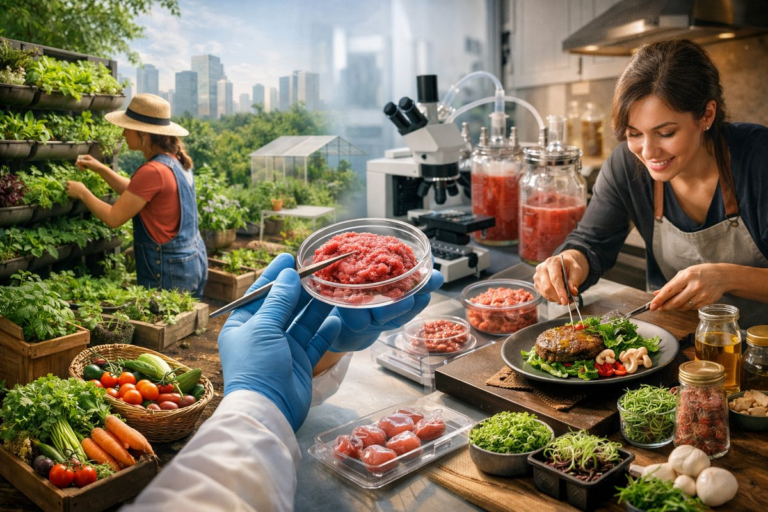
The rise of plant-based cuisine has been one of the decade’s most seismic shifts. Alternative proteins, from pea-based ground crumbles to mycelium-derived “steak,” have gone mainstream. Recent market analysis shows that plant-based food sales grew by over 25% in the past two years alone, a testament to consumers’ hunger for options that align with environmental and ethical values. Yet it’s not just about replicating familiar favorites. Many chefs are showcasing vegetables and legumes in their own right-think black garlic ramen broth or roasted cauliflower steaks drizzled with fermented chili oil-allowing produce to take center stage without meaty mimicry.
Parallel to the green revolution is the unstoppable wave of global flavors. As travel resumes and social media feeds teem with street-food stories, home cooks are exploring beyond their pantry staples. Korean gochujang and fermented kimchi marinades meet North African ras el hanout in weekend dinners while Japanese umami powders and Mexican achiote paste swap spaces on crowded spice racks. This fusion isn’t haphazard: it’s informed by storytelling. Each sauce or spice blend carries a lineage-of farmers, artisans, migrants-and weaving these threads together enriches our understanding of taste as much as our plates.
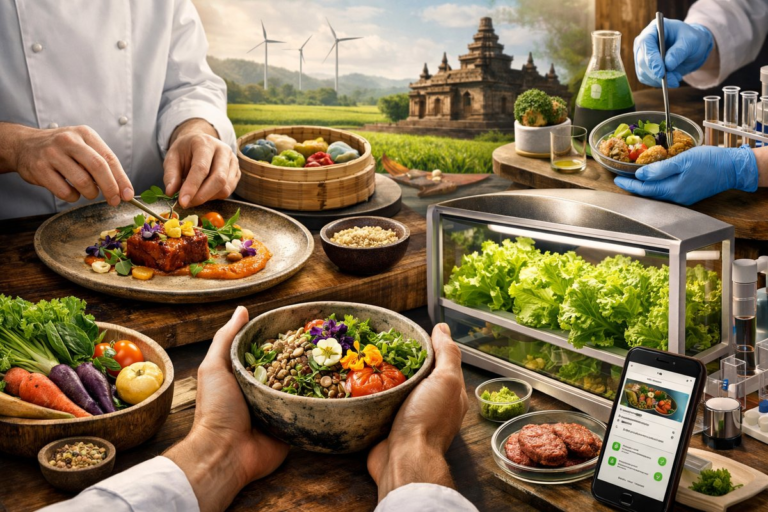
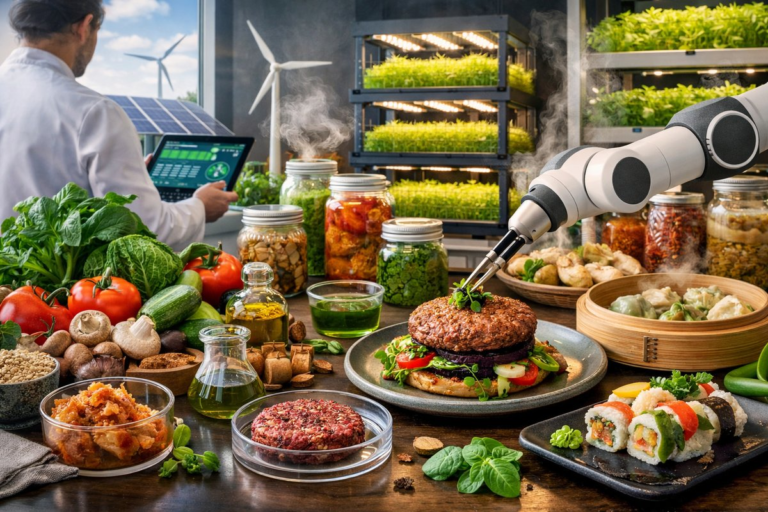
Behind the scenes, technology is quietly revolutionizing how those flavors come to life. Precision cooking tools, once the domain of professional test kitchens, are now attainable for enthusiastic home chefs. Immersion circulators circulating water baths let anyone sous-vide tender salmon or perfectly poached pears. High-speed blenders pulverize fibrous stems into silky nut milks. Smart ovens equipped with sensors adjust temperature and humidity in real time, ensuring the crust on sourdough emerges with a crackle worthy of a bakery window. Even simple air fryers, with their rapid-air circulation, are transforming ordinary vegetables into crunchy, oil-sparing delights.
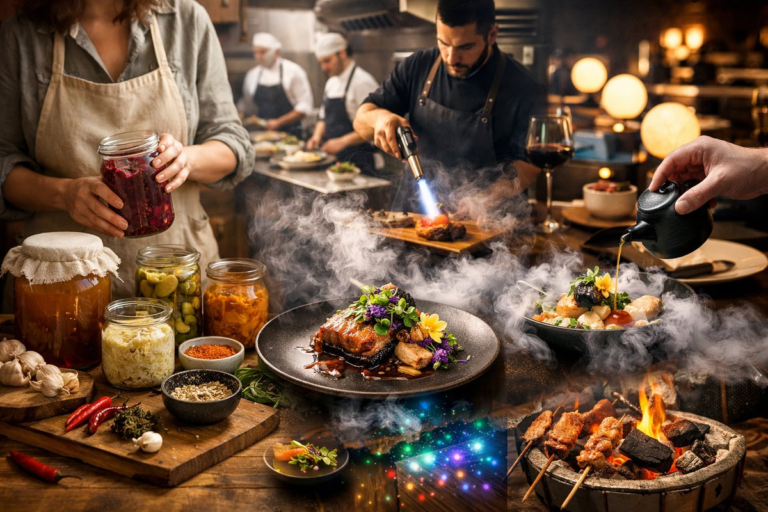
But culinary innovation isn’t solely dependent on gadgets. A fundamental movement toward zero-waste cooking is transforming how ingredients are sourced and used. Scraps-citrus rinds, vegetable peels, even coffee grounds-are being upcycled into flavor-packed stocks, infused oils, or tangy ferments. Community kitchens are hosting peel-and-preserve workshops, turning what was once trash into compostable materials or pantry staples. By rethinking waste as resource, cooks cultivate mindfulness around every carrot top and onion skin, reducing household trash while expanding their ingredient repertoire.
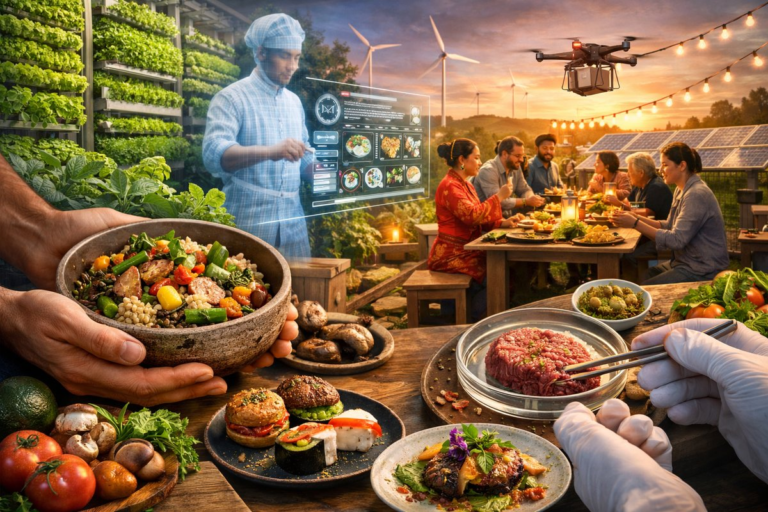
Complementing these zero-waste efforts is a resurgence in homegrown produce and microgreens. Countertop herb gardens and small hydroponic setups allow urban dwellers to harvest fresh basil, arugula, and sun-ripened tomatoes year-round. Not only does this deliver peak-freshness flavor, it reconnects cooks to the growth cycle, reinforcing the relationship between seed, stem, and supper plate. Local farms are also responding by offering direct-to-door seasonal boxes, brimming with oddball varieties-purple carrots, watermelon radishes, heritage grains-that invite adventurous meal planning and creative plating.
Amidst all these trends, the emotional core remains simple: cooking is a form of care. Whether you’re whipping up a weekday stir-fry for family or crafting an elaborate dinner party spread, the act of preparing food can foster connection and well-being. But the tools you choose and the ingredients you source also shape your impact-on community, climate and culture. As we glance ahead, expect artificial-intelligence recipe platforms that adapt to your pantry, kitchens designed for circular resource use, and an even greater chorus of underrepresented cuisines finding mainstream recognition.
In a time when so much feels uncertain, the culinary landscape offers both grounding ritual and endless discovery. With each new flavor profile embraced, each repurposed peel, each perfectly sous-vide filet, we demonstrate that the future of cooking isn’t just about taste-it’s about values. And in that space, every home cook has the power to create meals that are nourishing, sustainable and profoundly personal.