Location
Mount Vernon, WA 98274

Location
Mount Vernon, WA 98274
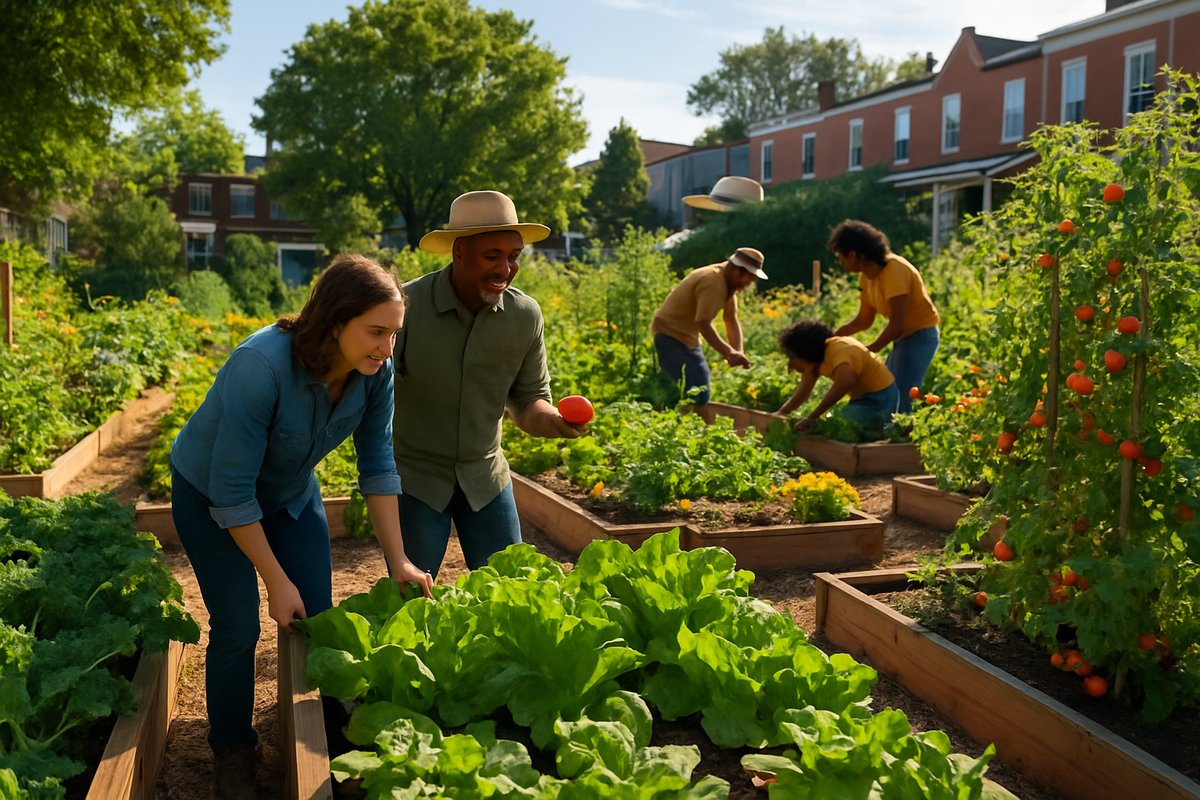
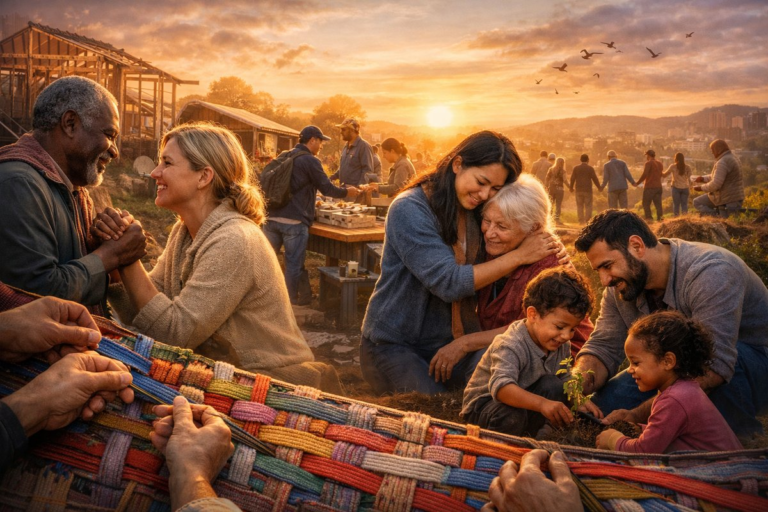
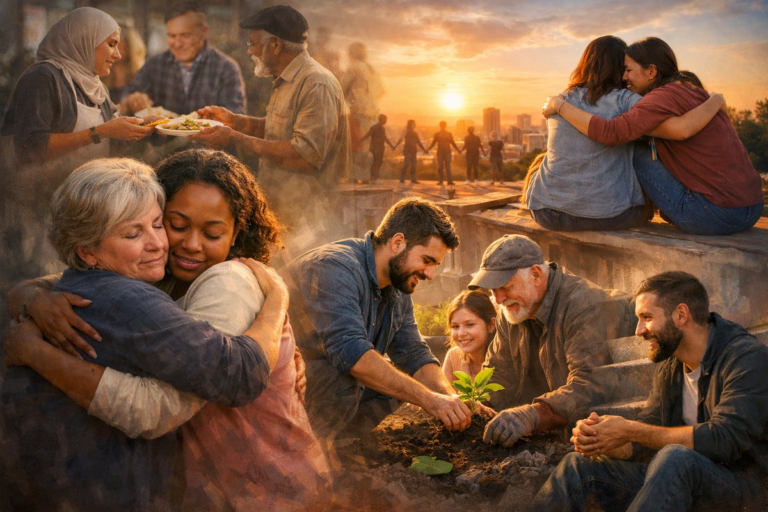
In neighborhoods across the country, a quiet revolution is underway as residents transform vacant lots into flourishing community gardens. These green oases are not only supplying fresh produce but also nurturing social connections, mental well-being, and a renewed sense of purpose.
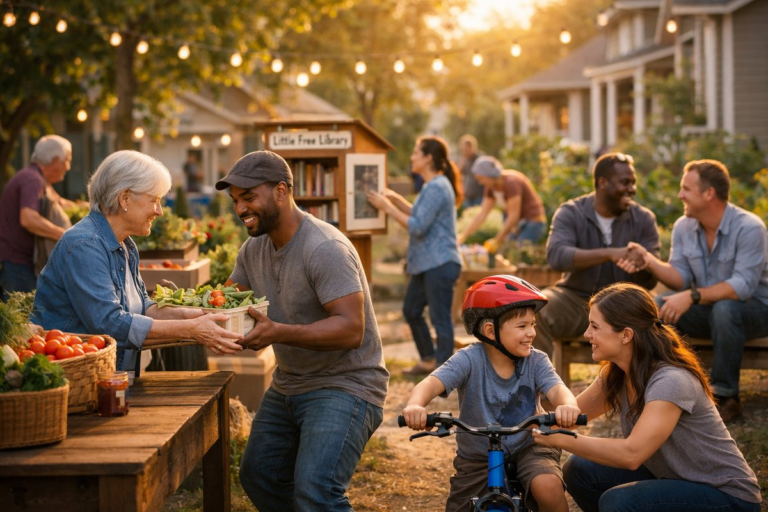
In the heart of once-derelict city blocks, rows of tomato vines climb trellises, sunflowers tower over raised beds, and the hum of conversation drifts across pathways. What began as a handful of volunteers laying sod in a former parking lot has grown into a network of community gardens that are quietly reshaping urban life.
Across major metropolitan areas, vacant parcels have long symbolized neglect and economic disparity. Yet over the past two years, local residents, civic organizations, and municipal governments have joined forces to reclaim these spaces. According to a recent urban planning report, more than 1,200 new community gardens were established last year alone, representing a 35 percent increase since 2019. This grassroots movement is more than a trend-it’s a response to rising concerns about food security, social isolation, and mental health in the wake of extended social distancing measures.
On a crisp spring morning in a Brooklyn neighborhood, neighbors gather to plant lettuce seedlings. Among them is a retired schoolteacher who lost her husband to illness during the pandemic. She now finds solace in tending rows of kale alongside teens who discovered gardening through an after-school program. “There’s a kind of healing that happens when you dig your hands into soil,” she reflects. “You’re nurturing something alive, and in return, you feel more alive.”
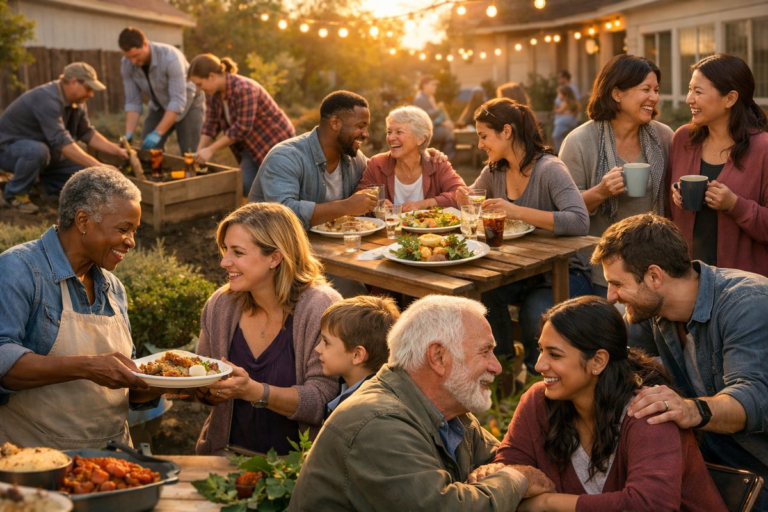
In Chicago’s South Side, a similar story unfolds. A coalition of local nonprofits secured funding to convert an empty lot into a six-block corridor of greenery. The project draws families who share stories while harvesting peppers, swap recipes for homemade salsa, and exchange gardening tips. “I never thought I’d know my neighbors’ names,” says one resident, cradling a basket of zucchinis. “Now I get homegrown gifts every week-and friendships, too.”
Beyond social bonds, community gardens are addressing nutritional gaps. A health survey conducted this spring found that households participating in urban agriculture programs consume 40 percent more fresh vegetables than the city average. Nutritionists point out that easy access to produce can help reduce risks of diet-related illnesses such as diabetes and hypertension, especially in historically underserved districts.
Funding and logistical support have been crucial to sustaining this expansion. In several cities, local governments have provided small grants for soil remediation, tools, and irrigation systems. Philanthropic groups have underwritten educational workshops on composting and organic pest management. Volunteers coordinate seed exchanges and seedling sales to keep costs low. Even real estate developers have chipped in by donating land or covering the cost of fencing and raised beds in exchange for recognition on community signage.
Yet the movement faces challenges. Securing long-term leases on privately owned parcels often requires complex negotiations. Soil contamination from previous industrial use must be addressed before planting can begin. Water usage restrictions during summer droughts threaten to dry out newly established beds. To overcome these hurdles, organizers have experimented with rainwater-harvesting barrels, solar-powered drip irrigation, and partnerships with local universities for soil testing services.
Mental health professionals are taking note as well. A psychologist studying the impact of outdoor activities reports that participants in community gardening programs experience significant reductions in stress and anxiety. The act of caring for plants, combined with social interaction, exercises both the body and the mind. One volunteer described it as a form of moving meditation: “You’re focused on the rhythm of planting, watering, weeding. Your thoughts settle.”
Entrepreneurs have even stepped into the fray, offering farm-to-table pop-up events at garden sites, cooking classes with homegrown ingredients, and artisanal preserves made from surplus harvests. These small-scale enterprises generate income for garden upkeep and enable participants to see the full cycle of food production-from seed to sale.
Community gardens are also evolving into civic hubs. Town hall meetings, youth mentorship workshops, and outdoor exercise classes now take place under the canopy of fruit trees and climbing vines. An urban planner explains that these multifunctional green spaces serve as informal “third places”-neutral grounds that foster connections outside of home or work.
In Los Angeles, where space is at a premium, rooftop gardens have emerged as a vertical extension of ground-level efforts. Five-story apartment buildings now sport terraces planted with herbs, salad greens, and decorative shrubs. Residents share harvests with local food banks and host rooftop potlucks. “It’s amazing how a few square feet of soil can reshape community dynamics,” says an organizer overseeing one of the city’s largest rooftop sites.
Looking ahead, experts believe this movement could dovetail with larger sustainability goals. Urban agriculture reduces the carbon footprint associated with long-distance food transport. Green spaces help mitigate the urban heat island effect. Pollinator habitats built into garden plots support local bee and butterfly populations. Municipal sustainability offices are incorporating community gardens into climate resilience plans.
Despite the optimistic momentum, organizers underscore the importance of inclusivity. Ensuring that space and resources are equitably distributed remains a top priority. Outreach programs aimed at Spanish-speaking residents, wheelchair-accessible beds, and free seedling giveaways for seniors are among the measures designed to broaden participation.
As cities continue to evolve, these patches of green offer a model for how residents can reclaim public space, strengthen ties, and build more resilient communities. What began as scattered seed-planting events has blossomed into a movement transforming urban landscapes and human connections.
In the words of one gardener standing amidst her thriving tomato vines, “This isn’t just about food. It’s about planting hope.”