Location
Mount Vernon, WA 98274

Location
Mount Vernon, WA 98274

From fabrics woven with recycled fibers to eye-catching statement pieces, a growing wave of designers and consumers are redefining fashion as a means of self-expression rooted in ethics. This movement blends mindful production with daring accessories, inviting each person to wear their values on the sleeve-and beyond.
In a climate where every purchase carries both social and environmental consequences, the narrative woven into our clothing matters more than ever. A garment no longer speaks only of runway trends or seasonal color palettes; it carries tales of resource stewardship, fair wages and creative resilience. Walk into any urban neighborhood today, and you’ll find a streetwear brand using textile waste to craft fresh silhouettes, or a local pop-up featuring jewelry reclaimed from discarded electronics. Fashion has transcended its traditional role as the guardian of style, becoming a living manifesto of personal and planetary priorities.
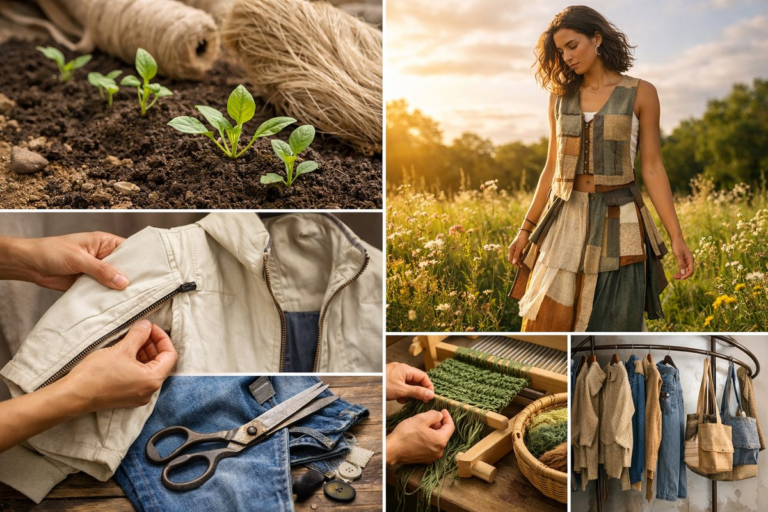
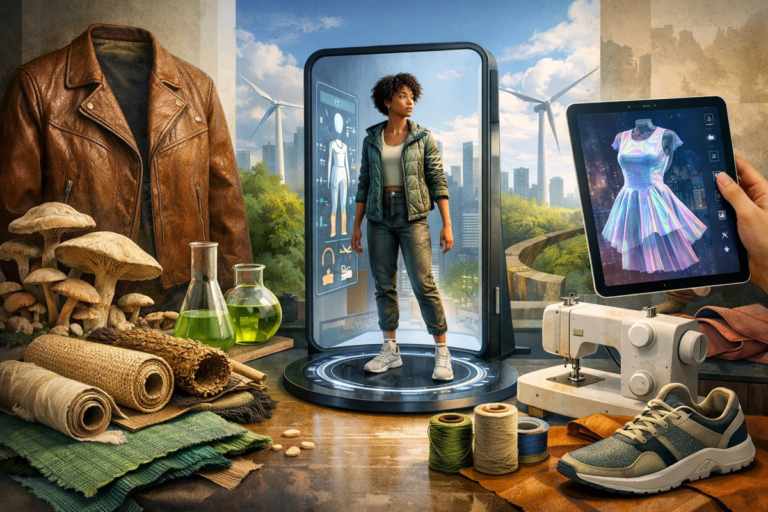
Gone are the days when sustainable fashion meant an austere palette locked behind steep price tags. The latest wave embraces a spectrum of creative techniques-natural dyes derived from avocado pits, fabrics engineered to break down harmlessly at end of life, and innovative blends of agricultural byproducts. One emerging material is a leather-like textile made from crushed pineapple leaves, offering durability without animal impact. Another, derived from algae blooms, delivers vibrant color while pulling carbon dioxide from the air. Behind each yard of fabric lies a story: local artisans collaborating with technology partners, small-scale farms experimenting with alternative fibers, or collaborative workshops teaching underserved communities how to spin thread into opportunity.
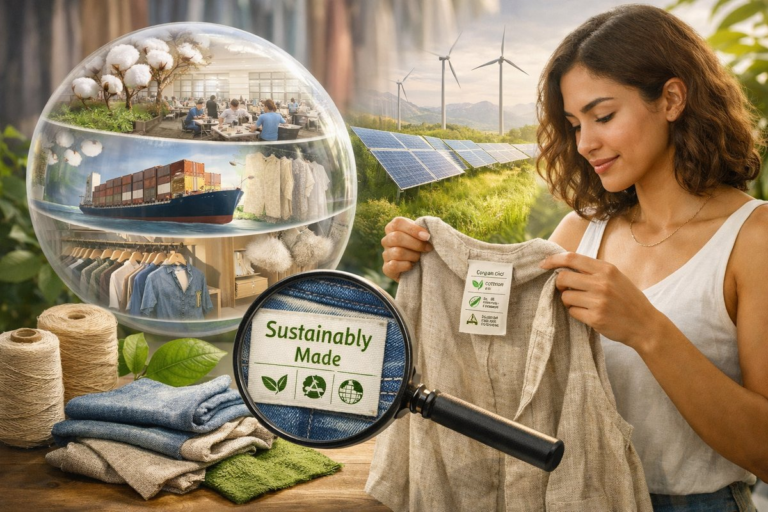
This focus on transparency is more than marketing copy. Recent surveys show that nearly 70 percent of consumers now research a brand’s sourcing practices before clicking “add to cart.” Shoppers are scanning QR codes stitched into garment labels, tracing the journey from raw material to finished piece. In response, forward-thinking brands have opened virtual factory tours and published full ingredient lists-detailing which farm grew the cotton, which plant yielded the dye and how many liters of water went into a single shirt. The result is a new kind of trust economy, built on verifiable commitments to circularity and human dignity.
While sustainable threads are the backbone of this transformation, bold accessories propel it forward. Imagine a pair of oversized earrings forged from upcycled metal salvaged after urban demolition, or a sleek wrist cuff woven from recycled climbing ropes. These tactile statements do more than catch the eye-they spark conversations about consumerism, waste and the potential for regenerative design. One designer collective in Europe has even turned abandoned fishing nets into intricately knotted handbags, each piece carrying the imprint of its maritime origin.
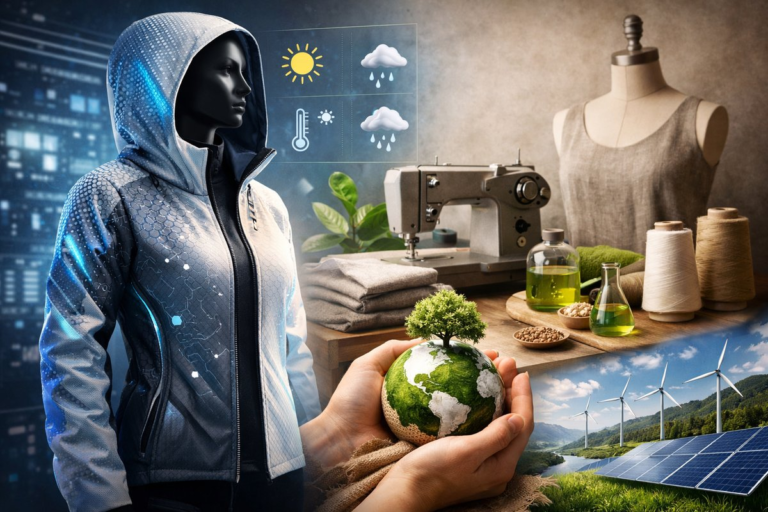
New technology has also fueled a renaissance in accessory design. Digital looms can now pattern scarves with high-resolution photography of endangered species, raising awareness through wearable art. Laser cutters carve geometric shapes out of vegan leather alternatives, creating shimmering earrings that feel part sculpture, part social commentary. Even color-changing finishes are entering the arena, allowing wearers to shift a belt buckle from emerald to rust with a touch of sunlight.
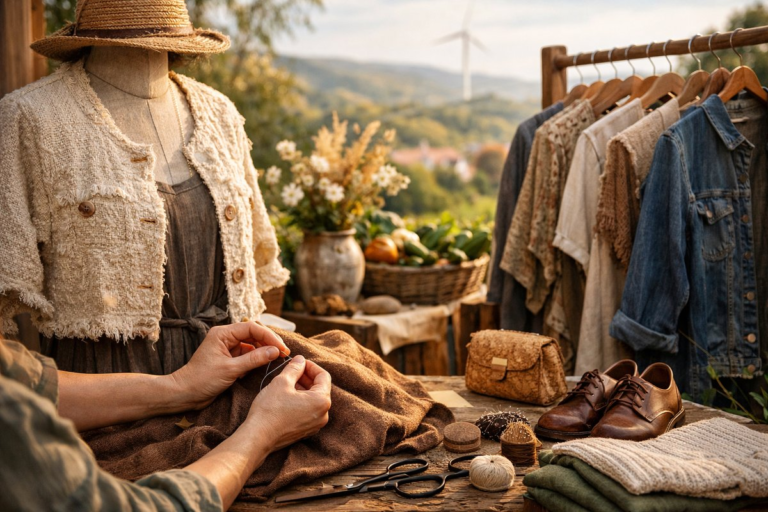
At the heart of this revolution lies a deep yearning for authenticity. Handmade details-hand-stitched seams, artisanal beadwork, one-off tie-dye patterns-imbue a sense of human touch that fast fashion cannot replicate. Community pop-up markets brim with vendors demonstrating techniques at live tables: mending stations where torn denim is patched with floral appliqué; printmaking booths where shoppers choose their own botanical motifs. These immersive experiences draw people into the creative process, reminding them that fashion is as much about participation as consumption.
It isn’t just designers innovating-consumers are hacking their wardrobes too. A growing DIY movement shows up on social platforms, where TikTok tutorials teach viewers how to bleed excess pigment from old tee shirts to craft pastel ombré creations. Others upcycle thrifted finds into festival-ready ensembles, pairing a vintage blazer with hand-embroidered patches celebrating climate justice. This grassroots creativity underscores a larger shift: fashion as personal activism, a canvas where beliefs and aesthetics intersect.
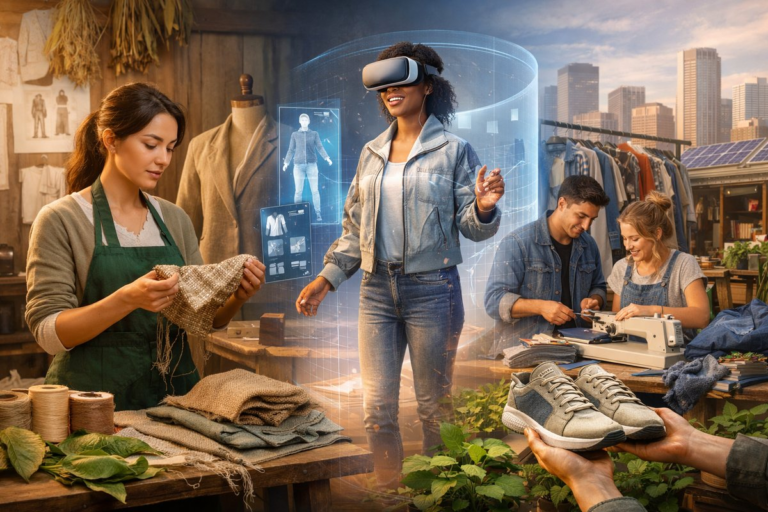
Even traditional retailers are adapting. A handful of department stores have adopted in-house repair services, inviting customers to drop off garments for free patchwork, resealing torn seams and refreshing buttons. Rental closets for special occasions have become commonplace in major cities, reducing the appetite for one-time outfits while making designer labels accessible on a fractional-use model. Virtual fitting rooms-powered by augmented reality-let shoppers try on ethical brands from home, reducing return rates and the associated carbon footprint of shipping.
Artists and activists are also harnessing the power of performance to highlight fashion’s potential for change. Street theater ensembles perform in living galleries of upcycled costumes, staging pop-up fashion shows in vacant lots to spark dialogue on waste management. Eco-fashion film festivals showcase short documentaries that track the lifecycle of a dress from seed to stitch. These events blur the line between culture and commerce, reframing clothing as a medium for civic engagement.
But this movement isn’t without its challenges. Scaling eco-friendly production while maintaining affordability remains a critical hurdle. Many sustainable fabrics still cost more than mass-produced synthetics, creating an access gap. Some critics point out that fragmented sourcing can lead to inconsistent quality or limited availability. And while digital traceability platforms increase transparency, they also raise questions about data privacy and supply-chain security.
To address these hurdles, some innovators are forging cross-sector partnerships. Agricultural cooperatives are collaborating with fashion incubators, ensuring a stable supply of ethically grown fibers. Blockchain startups are working with cooperative mills to embed tamper-proof provenance data into every tag. New financial models-like impact investment funds and micro-grants for small artisan workshops-are helping tailor production to community needs rather than mass demand.
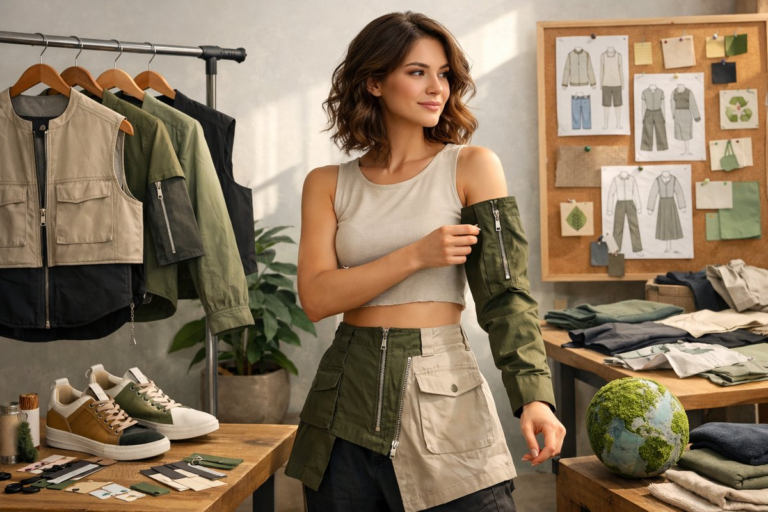
The real triumph of this era lies in how these efforts converge: a single outfit can carry the weight of environmental healing, social equity and creative storytelling all at once. When someone steps out wearing a jacket knitted from recycled fishing nets, a shirt dyed with hand-harvested flowers and a bracelet crafted from circuit-board remnants, they send a message that style and substance need not be separate paths.
Ultimately, fashion’s future hinges on the choices we make at every level-what we buy, how we care for our clothes, how we tell their stories. A single stitch can carry hope for a cleaner planet; a single accent piece can spark conversations that stretch beyond the closet door. As bold accessories and sustainable threads intertwine, they weave a narrative of purpose and possibility. And in that tapestry, every wearer finds a place to express who they are-and the world they wish to see.