Location
Mount Vernon, WA 98274

Location
Mount Vernon, WA 98274

Subtractive manufacturing-where raw blocks of metal, plastic, or wood are shaped by removing material through milling, cutting, and turning-remains at the forefront of industrial production. Fueled by advances in automation and sustainability initiatives, the sector continues to expand across aerospace, medical, and automotive markets, balancing tradition with digital innovation.
Recent forecasts from industry analysts place the global subtractive manufacturing market at approximately $120 billion in value, with projections suggesting growth beyond $160 billion by the end of the decade. While additive methods like 3D printing often capture headlines, subtractive processes such as CNC milling, routing, and turning sustain their essential role in high-precision production. From microscopic medical implants to aircraft engine components, the ability to remove material with exacting control underpins countless applications where tolerances of a few microns can determine performance and safety.
In aerospace and defense, subtractive machining equips manufacturers to meet ever-stricter standards. A recent contract awarded by a leading airframe builder specified ten thousand titanium brackets for new jetliner assemblies. Each part undergoes multi-axis milling to achieve both light weight and structural integrity. Despite the premium cost of titanium, skilled machinists working alongside automated setups deliver batch consistency that additive alternatives struggle to match at this scale. Toolpath verification software and in-process probing ensure every bracket adheres precisely to the digital design intent.
Yet the roots of subtractive manufacturing trace back centuries, when master woodworkers honed their craft on manual lathes and mills. Today’s shops honor that heritage while incorporating automation. High-torque spindles and hardened linear guides echo the rhythms of traditional operations, yet they run under the direction of computer numerical control. The discipline of material removal-the push-and-pull of cutting forces, the fine balance between feed rate and spindle speed-remains central to the maker’s pursuit of form emerging from mass.
Digital innovation has further refined subtractive techniques. Artificial-intelligence-driven toolpath generators analyze part geometries and automatically optimize cutting strategies for minimal cycle time and maximal tool life. Digital twin environments simulate each operation, detecting collisions or chatter before a single chip flies. In recent pilot programs, merging sensor feedback from vibration monitors with adaptive control algorithms has slashed scrap rates by nearly 30 percent-a boon for high-volume producers of automotive transmission components.
At PrecisionCraft, a mid-sized shop in the Midwest, owner Martina Lewis recalls the shift to full CNC integration as “lean and liberating.” Two years ago, she invested in a five-axis mill that automated complex contours for medical-grade molds. “We used to spend hours manually tramming and dial-indicating,” she explains. “Now, the machine handles alignment and offers sub-millimeter precision with every setup change.” Local vocational programs partner with her shop to train new machinists on digital interfaces and safety protocols, addressing the industry’s widening skills gap.
Environmental considerations have also taken center stage in subtractive workflows. Advanced coolant filtration systems extend fluid life by capturing fine swarf and contaminants, reducing landfill disposal by 40 percent. Dry machining operations-once confined to specific polymers-are emerging in metal cutting through novel tooling coatings that lower friction and minimize heat generation. These eco-friendly approaches are gaining traction in regions with strict wastewater regulations, such as the European Union, where machining firms report quarterly savings on both chemical purchases and waste treatment costs.
The democratization of subtractive technology is visible in makerspaces and small-business incubators. Open-source CNC router kits allow hobbyists to carve intricate wooden panels or prototype plastic enclosures without the overhead of a full machine shop. Online communities share G-code libraries, post tool selection tips, and troubleshoot spindle resonance issues. This grassroots enthusiasm fuels interest among students and designers who might one day advance into high-end CNC milling or routing for aerospace and medical industries.
Recent supply-chain disruptions have underscored the strategic importance of local machining capacity. When semiconductor shortages rattled global electronics manufacturing, some OEMs turned to in-house subtractive shops to fabricate custom prototypes and replacement parts. Short lead times and proximity enabled rapid iteration, keeping production lines moving. As companies reconsider long international supply chains, investment in domestic subtractive infrastructure has become a pillar of resilience strategies.
Nevertheless, challenges endure. An aging workforce and competitive hiring environment leave shops scrambling for skilled operators. Industry associations are ramping up apprenticeship initiatives, and a handful of machine-tool manufacturers now offer virtual reality training simulators. These immersive programs teach spindle setup, fixture alignment, and safe handling of chip blowers before trainees ever step foot near a live machine, accelerating their readiness for the shop floor.
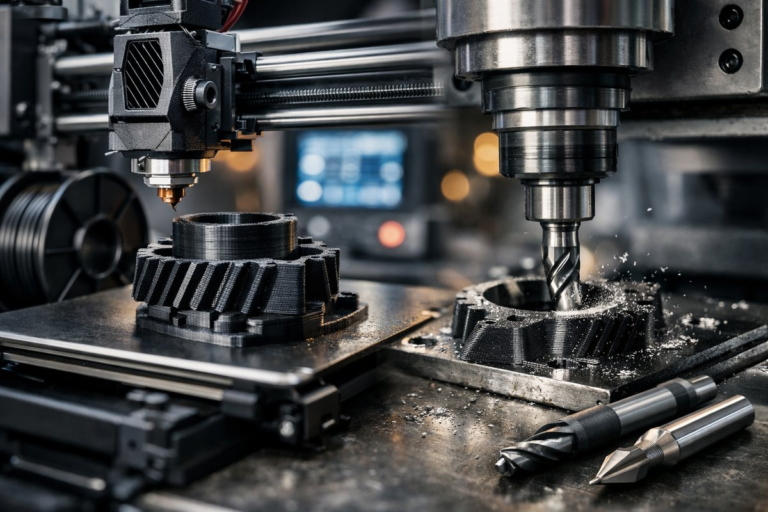
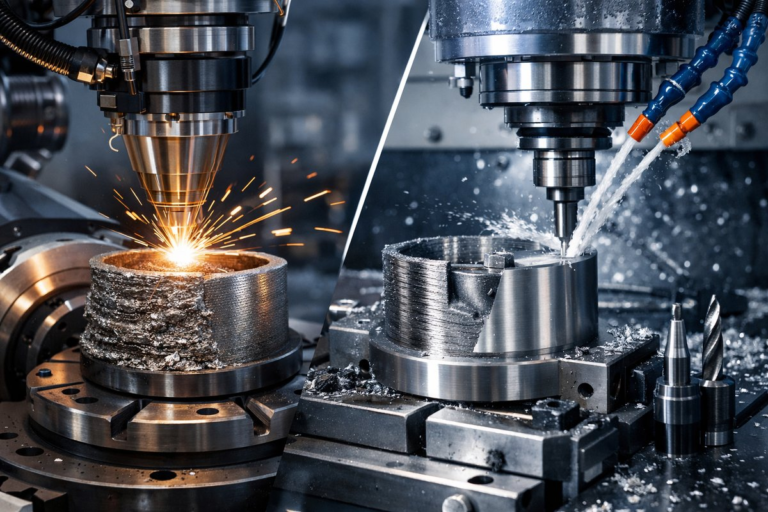
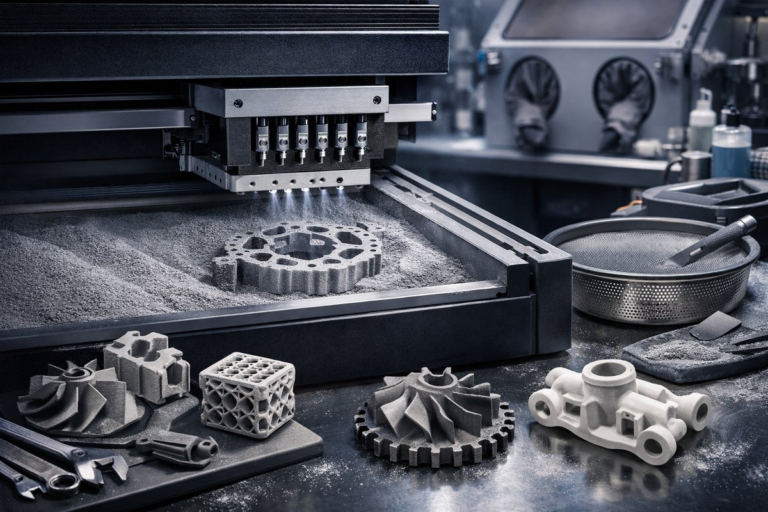
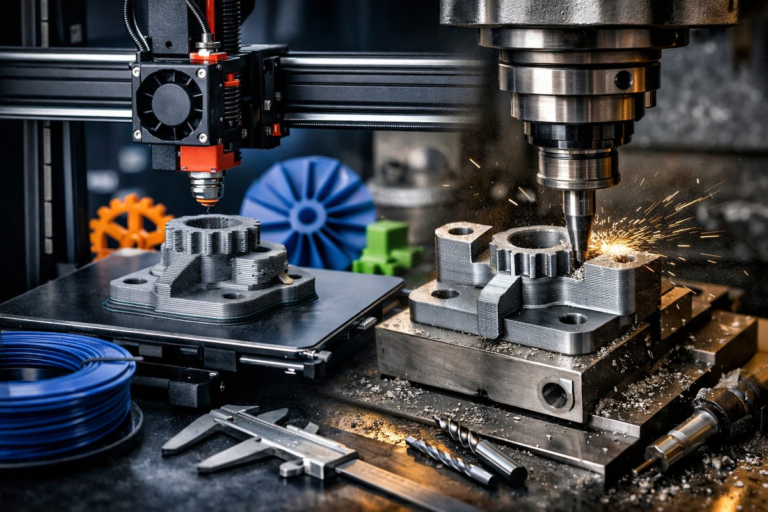
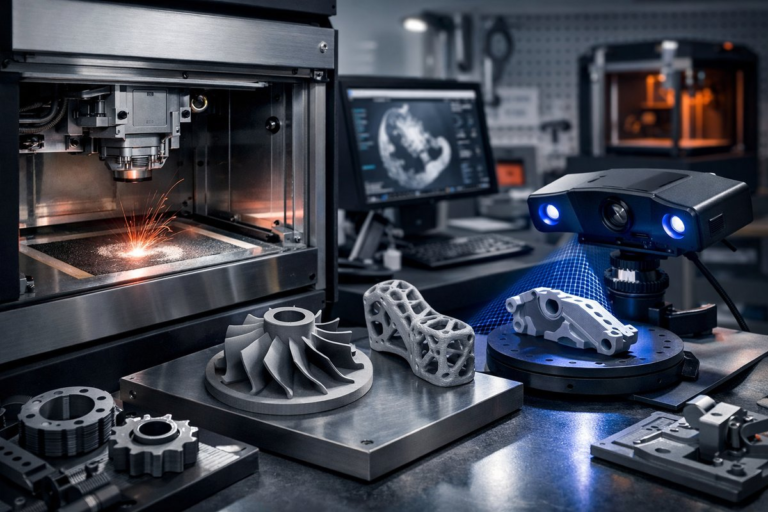
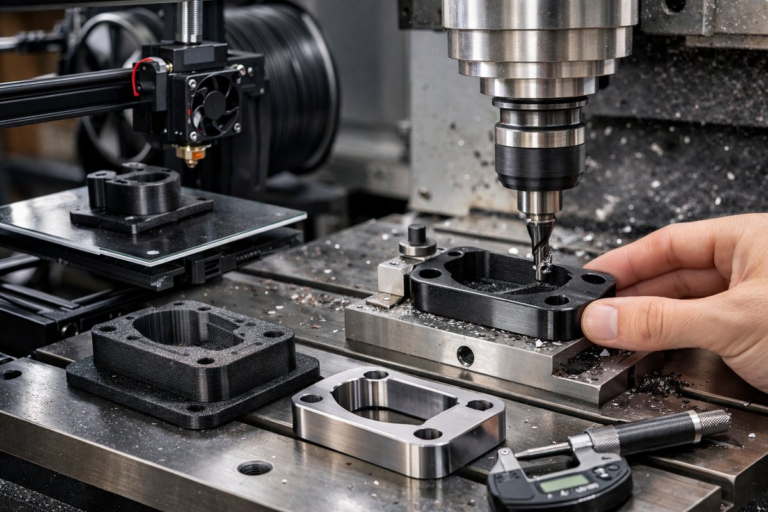
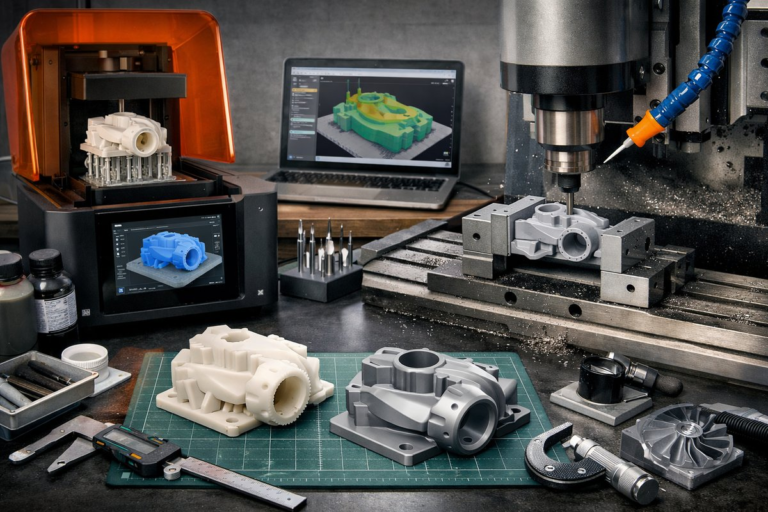
Looking ahead, hybrid manufacturing systems that combine additive and subtractive operations promise new possibilities. One such platform prints metal powder layers before a high-speed spindle carves final features. This integration reduces material waste, addresses support-structure concerns inherent to metal printing, and yields finished parts in fewer steps. Automotive suppliers exploring small-batch runs of custom engine brackets report cycle-time reductions of up to 25 percent using hybrid cells.
At the recent Industrial Manufacturing Technology Expo, innovators showcased energy-efficient linear motors and spindle-coolant systems designed for 24/7 operation. Exhibitors highlighted routers capable of handling carbon-fiber composites without delamination, and mills with real-time acoustic sensors that detect tool wear. The convergence of data analytics, networked control, and sustainable tooling solutions generated palpable excitement among attendees seeking competitive edges.
Industry analysts anticipate that as smart-factory initiatives proliferate, subtractive manufacturing will increasingly tie into broader digital ecosystems. Remote monitoring via edge computing platforms allows managers to oversee machine health from anywhere, scheduling preventive maintenance before costly failures. Integration with enterprise resource planning systems fosters seamless job quoting, material ordering, and traceability-features critical for regulated sectors like medical device production.
Despite rising automation, the essence of subtractive manufacturing remains an enduring dialogue between resistance and revelation-where each pass of the cutter uncovers the shape imagined. As shops invest in new spindles, tooling, and software, they carry forward a craft rooted in patient mastery. Whether shaping aerospace alloys or sculpting custom wood furniture, practitioners continue to find both technical challenge and artistic fulfillment in the quiet precision of material removal.
The story of subtractive manufacturing is still unfolding, driven by sustainability goals, digital transformation, and the unshakeable need for reliable, high-precision parts. In a world that often favors adding layers, there is profound beauty in the subtraction that reveals design, form, and function beneath the surface.