Location
Mount Vernon, WA 98274

Location
Mount Vernon, WA 98274
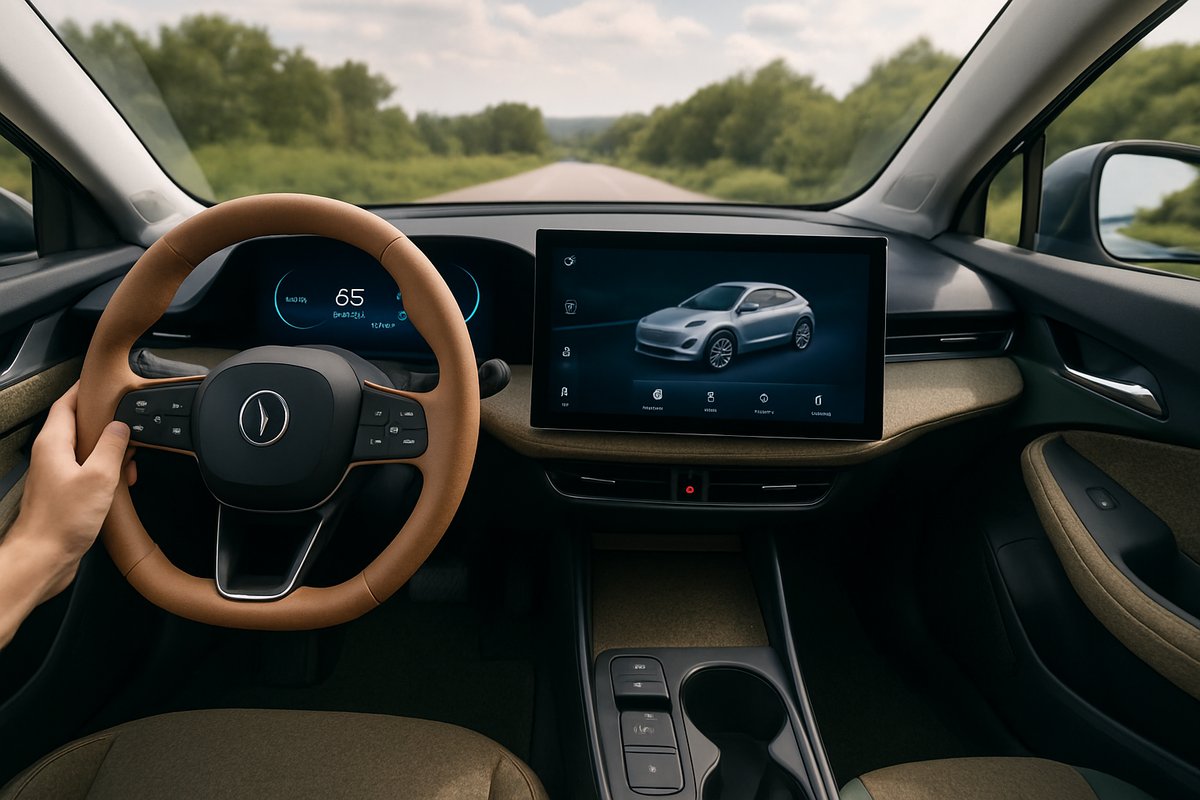
Automakers are redefining what it means to drive by blending advanced sensors, AI-driven personalization, and eco-friendly materials into the modern cockpit. From haptic feedback steering wheels to recycled bioplastics lining door panels, the vehicles of tomorrow promise a more intuitive, efficient, and sustainable experience behind the wheel.
The automotive cockpit has always been the bridge between driver and machine, evolving from simple gauges and mechanical levers to sprawling digital control centers. Today, as electric vehicles (EVs) surge past records set just a few years ago and software-driven updates become the norm, designers and engineers are racing to create interiors that are not only functional but also responsive, responsible, and deeply personal.
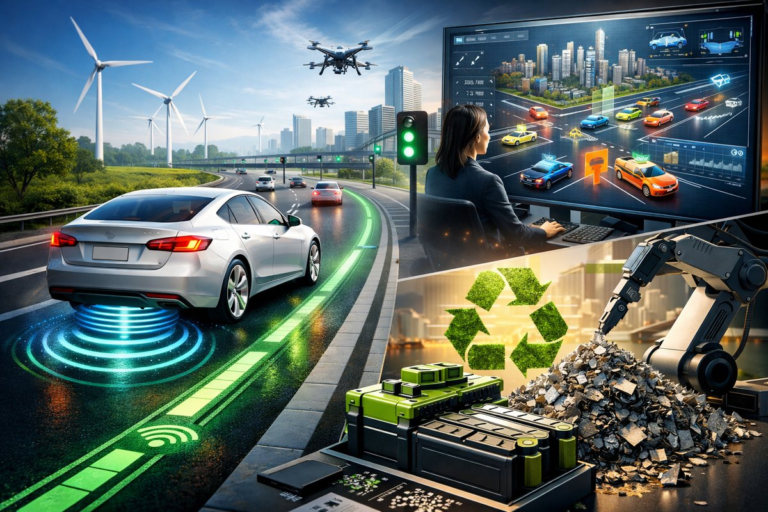
The shift toward sustainability has taken center stage in many recent concept cars and production models. Leading manufacturers are experimenting with lab-grown leather alternatives derived from microbial fermentation, and door panels are being crafted from post-consumer recycled plastics bound with natural fiber reinforcement. A handful of test vehicles even incorporate trim pieces from rapidly renewable bamboo or fungus-based foams that promise the tactile warmth of traditional upholstery without the environmental toll. This attention to material origin and end-of-life disposal reflects a broader industry commitment to reducing carbon footprints and toxic waste streams at every stage of a vehicle’s lifespan.
As the physical cabin transforms, so too does its digital personality. AI-driven personalization engines, trained on anonymized user data, recognize individual occupants within seconds. Seat positions, mirror angles, climate controls, and even ambient scent diffusers can adjust automatically based on stored profiles. Some systems go further with emotion-sensing cameras and voice analysis, detecting stress or fatigue and gently shifting cabin lighting to calming hues or cueing up an invigorating audio playlist. These features aim to enhance safety by reducing cognitive load rather than merely adding gimmicks.
Multi-sensory feedback has emerged as a powerful tool to keep drivers informed without overwhelming them. Steering wheels embedded with pressure-based actuators can deliver directional prompts or collision warnings through subtle pulses. Pedals fitted with haptic actuators can simulate road textures or alert drivers when adaptive cruise control is ready to re-engage. Cabin lighting arrays-once mere mood setters-now change color and intensity in sync with driving modes, guiding attention toward critical events like lane departure or blind-spot alerts.
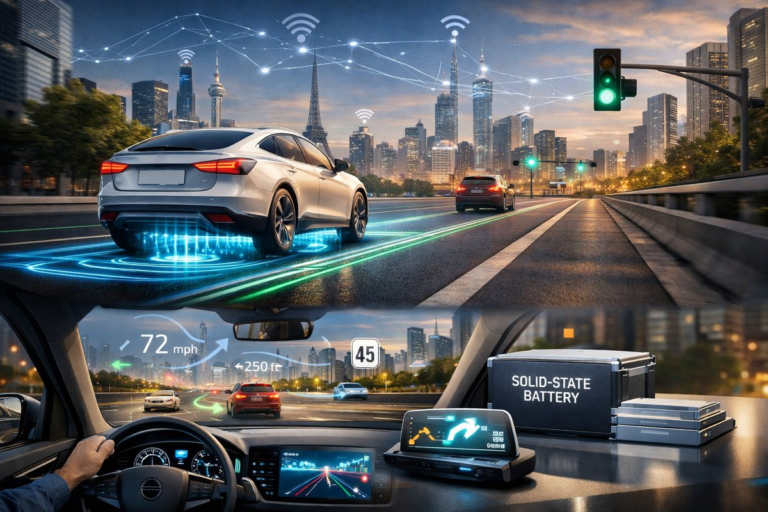
Infotainment systems are undergoing a radical transformation beyond oversized touchscreen dashboards. Augmented reality head-up displays are being trialed by multiple brands, projecting navigation cues and safety warnings directly onto the windshield. Imagine a digital arrow hovering above a distant junction or highlighting pedestrians detected just beyond the headlight beam. These overlays aim to keep eyes forward and heads up, a trend backed by recent studies showing a significant drop in distraction-related incidents when AR guidance is integrated into the driver’s line of sight.
Predictive maintenance is another frontier where cockpit tech intersects with fleet management and private ownership alike. Modern vehicles are bristling with vibration, temperature, and voltage sensors feeding real-time data to onboard diagnostic cores. Machine-learning models sift through this torrent of information to forecast component wear and flag anomalies long before a breakdown occurs. Early adopters of these systems report a reduction in unscheduled repairs by up to 30 percent, translating into lower ownership costs and less downtime for busy drivers.
Just as smartphones receive app updates, cars now regularly get over-the-air upgrades to their operating software. These updates range from security patches for telematics modules to entirely new driver-assistance features unlocked via subscription. This modular approach not only extends the usable life of a vehicle but also allows manufacturers to respond to emerging safety standards and consumer feedback without recalling entire fleets.
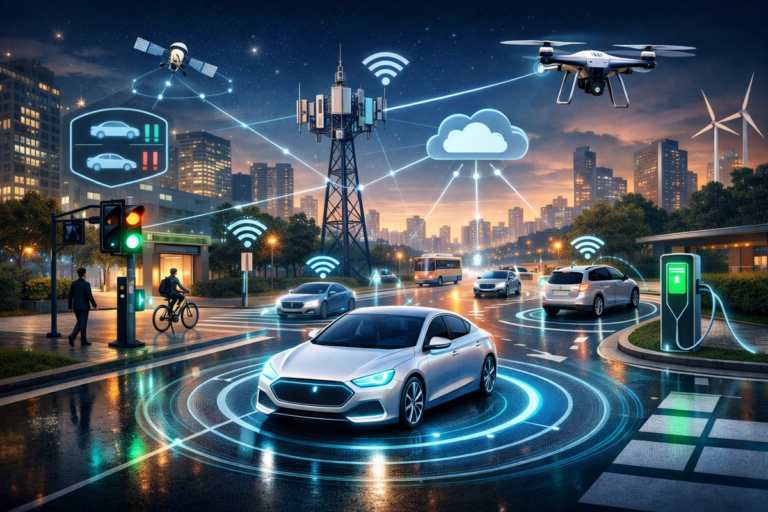
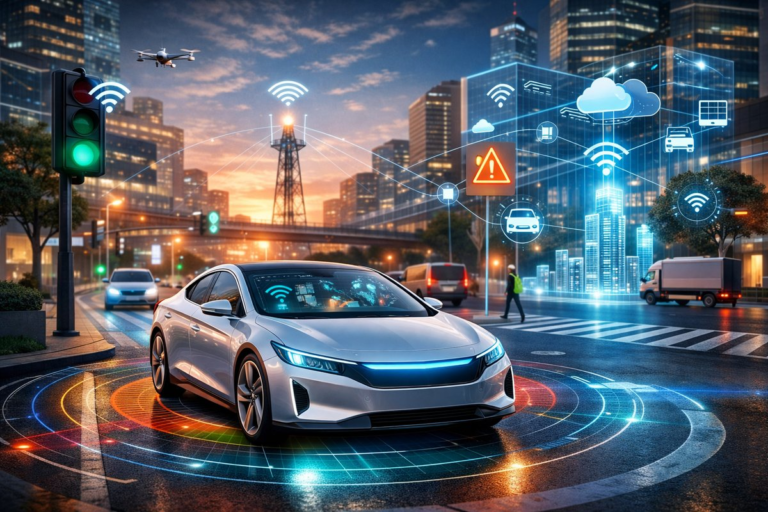
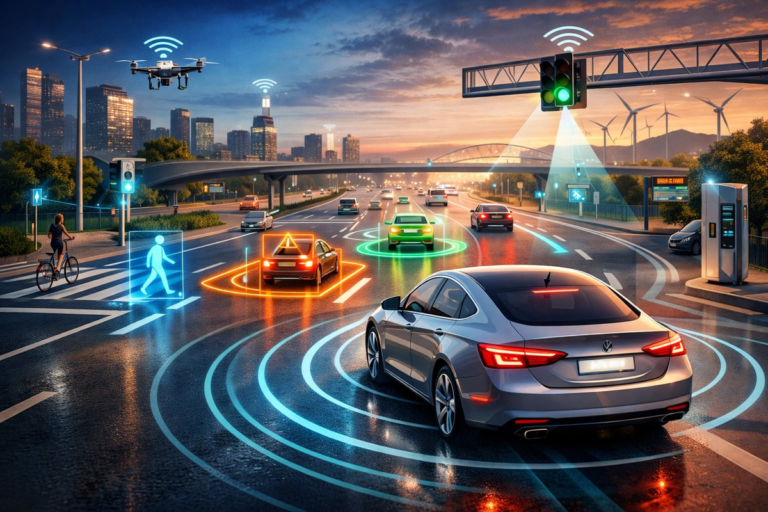
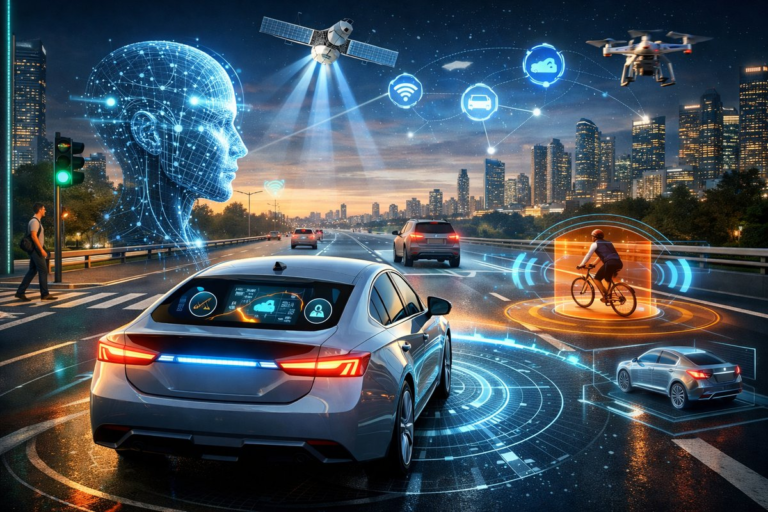
Connectivity has expanded beyond driver focus to embrace vehicle-to-everything (V2X) communication. By exchanging encrypted messages with traffic signals and roadside sensors, enabled cars can optimize speed to catch green lights, receive early warnings about road hazards, and seamlessly adapt to dynamic toll pricing. Early field tests in several European smart-city districts have demonstrated smoother traffic flow and measurable drops in idling-related emissions where V2X is fully deployed.
For drivers with limited mobility, cockpit innovation has also delivered more inclusive solutions. Advanced voice interfaces now support natural language commands for climate, audio, and navigation, reducing reliance on small touch targets. Seats with automated lateral assistance help occupants slide in and out of tight garages, while adjustable-height consoles and customizable pedal extensions ensure a secure driving posture for people of varying heights and abilities.
Behind these advancements lies a growing focus on privacy and data security. With sensitive biometric and behavioral data flowing through a vehicle’s network, automakers are embedding secure enclave processors and end-to-end encryption to safeguard personal profiles. Some brands even process user data locally on edge modules rather than uploading it to central servers, granting drivers greater control over what information leaves their car.
The influence of digital features on user behavior should not be underestimated. Subscriptions for advanced driver-assistance packages and in-cabin entertainment are becoming commonplace. Drivers now swap vehicle profiles remotely when lending their cars to family members, and ride-share operators can preload individual settings to ensure consistent experiences across fleets. This trend toward feature flexibility echoes the app-based model familiar to smartphone users.
Open software platforms are unlocking new possibilities for collaboration between traditional automakers and agile technology startups. By adopting standardized application interfaces, each player can focus on its strengths-be it sensor hardware, data analytics, or user experience design-without reinventing the entire stack. This model promises to accelerate innovation while mitigating the risk of vendor lock-in common in monolithic systems of the past.
Despite rapid progress, challenges remain. Regulators worldwide are racing to define safety and interoperability standards for AI-driven cockpits, while environmental agencies scrutinize the full life-cycle impact of novel materials. Cybersecurity experts warn that every new connected feature presents a potential attack vector, driving home the need for ongoing vigilance and robust update mechanisms.
Looking ahead, the boundary between driver, vehicle, and environment will continue to blur. Holographic overlays could replace flat screens, enabling gesture-based controls in midair. Biometric authentication-such as fingerprint or iris scanning-may secure vehicle access and payment transactions without physical keys or cards. Energy-harvesting surfaces in upholstery and side panels might feed low-power sensors or auxiliary electronics, reducing the load on the main battery.
As these trends unfold, one thing is clear: the cockpit of tomorrow will be more than a mere control cabin. It will serve as a personalized sanctuary, a responsive partner in navigation and safety, and a testament to sustainable design choices. By balancing high-tech functionality with thoughtful material use and data ethics, automakers have the opportunity to redefine not just how we drive, but how we feel behind the wheel.
Drivers, fleet managers, and urban planners alike will play a role in shaping this ongoing revolution. Whether it’s choosing models built with recycled composites or supporting open-platform ecosystems, consumer demand will guide the tone of innovation. In the end, the smartest cockpits will be those that remain adaptable, secure, and deeply attuned to human needs-driving us toward a future where technology and sustainability share the same road.