Location
Mount Vernon, WA 98274

Location
Mount Vernon, WA 98274
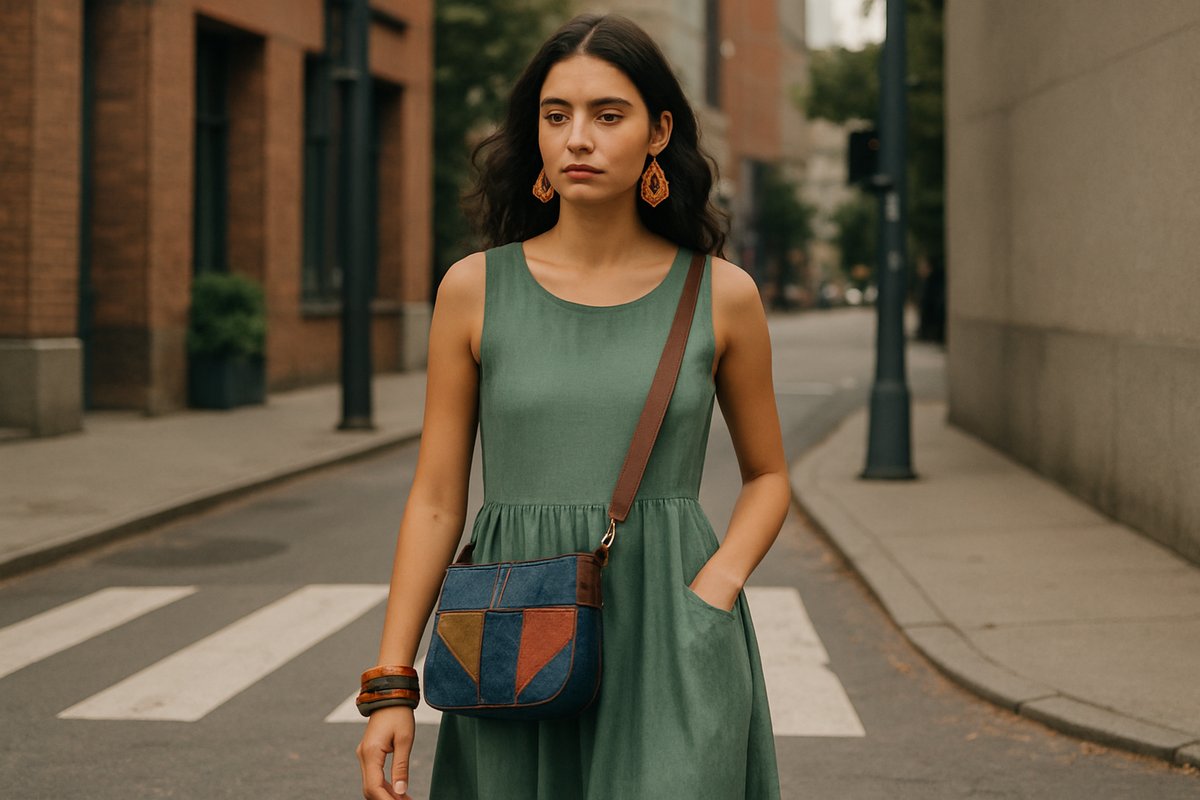
An emerging wave of eco-conscious design is transforming runways and street corners alike. From soft Tencel dresses grown from responsibly managed forests to bold upcycled accessories that carry a story of revival, modern wardrobes are aligning personal expression with environmental stewardship.
In a scene once defined by trend cycles and seasonal drop dates, a new narrative is weaving its way into closets around the world. Designers, artisans, and shoppers are all asking the same question: how can what we wear carry meaning beyond mere appearance? The answer is rising from a grassroots movement that places values at the heart of the garment, merging sustainable fabrics with hand-crafted touches that speak to both conscience and creativity.
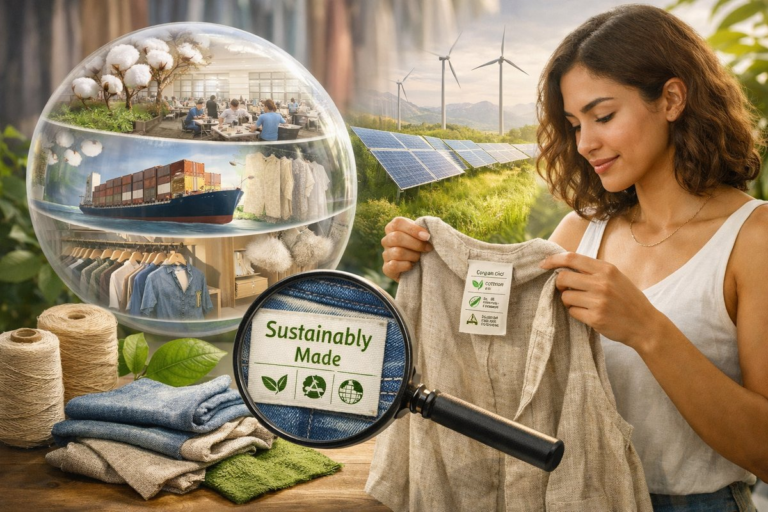
Decades of disposable fast fashion left mountains of unsold pieces and textile waste in its wake, prompting a reckoning across the apparel industry. Today, forward-thinking labels are replacing synthetic blends with fibers harvested from renewable sources, while brands large and small embrace traceable supply chains. Biodegradable Tencel sourced from sustainably managed forests, organic cotton farmed without toxic pesticides, and recycled polyester spun from reclaimed plastic bottles are all finding their way into everyday staples.
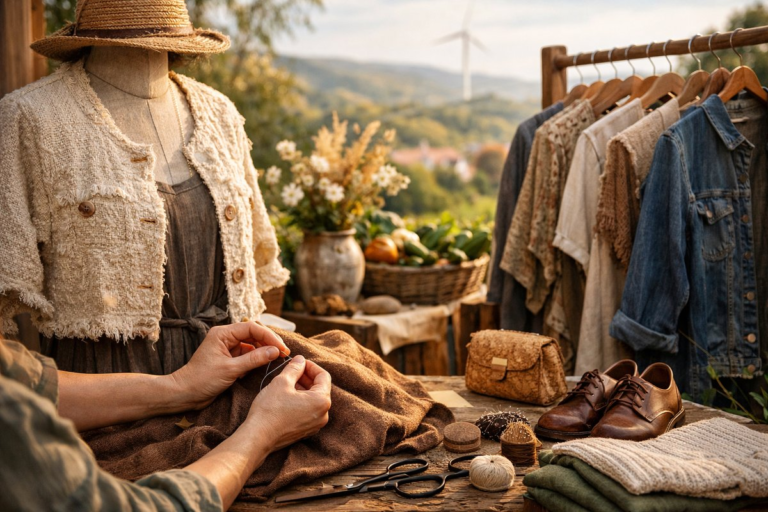
Not far from mass-market factories, small workshops around the globe are rediscovering old-world techniques. Artisans hand-dye textiles with natural pigments drawn from indigo plants or turmeric roots, lending rich, nuanced hues that defy the plastic brightness of conventional colorways. Slow loom weaving brings a subtle texture to scarves and shawls-each thread moving with intention. These handcrafted elements elevate a basic tunic or pair of trousers into an heirloom piece that can be passed on rather than tossed.
Fair trade collaboration has become more than a buzzword. By ensuring secure wages and safe working conditions, emerging labels are forging partnerships with cooperative guilds that span Andean alpaca farmers, West African weavers, and Southeast Asian batik masters. Independent reports show that cooperatives reinvest profits into community health programs and education, turning every sale into a small act of social change. Wearers not only look good-they feel good knowing their purchase uplifts a network of makers.
If sustainable threads provide a quiet confidence, statement accessories deliver the bold punctuation mark. Oversized hoop earrings cast from recycled brass, crossbody bags built from upcycled denim scraps, and layered necklaces featuring ethically sourced gemstones all invite viewers to ask about the story behind the piece. Patchwork tote bags patched from deadstock fabrics combine functional durability with a free-form collage aesthetic, each panel a record of rescued material.
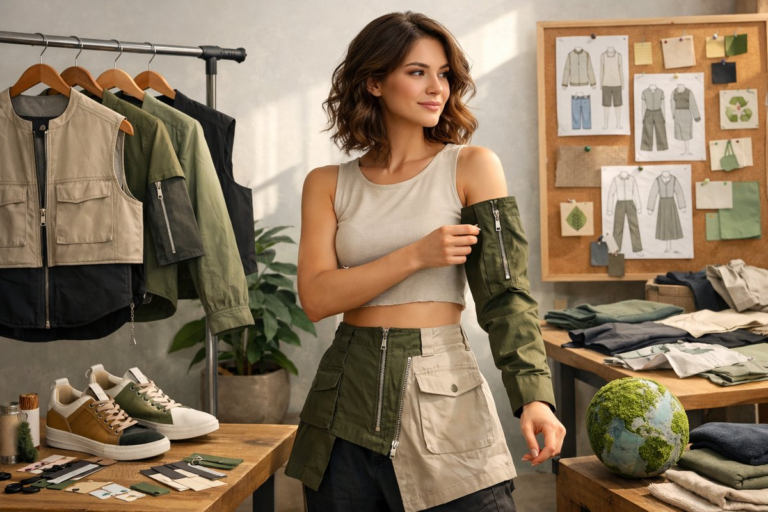
Upcycling isn’t limited to small accessories. Decommissioned military tents have been reborn as weather-resistant outerwear, while shredded post-consumer garments are being rewoven into plush boucle coats. On the shop floor, racks of vibrant jackets carrying mismatched pockets and playful hems showcase the beauty of imperfection. Garment repair stations are popping up in urban hubs, offering free mending workshops that encourage wearers to fix rather than replace.
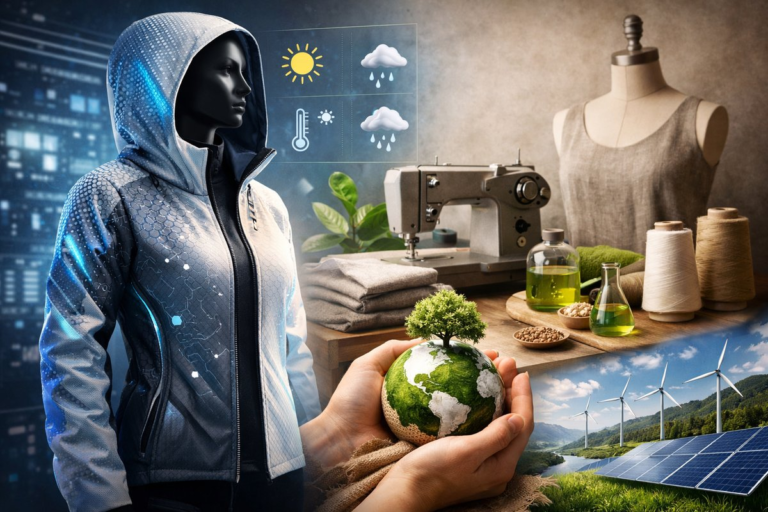
Technology plays a surprising role in this renaissance. Digital pattern-making tools and 3D knitting machines eliminate offcuts by calculating precise yardage for each garment, slashing production waste before it ever leaves the factory floor. QR codes sewn into garment labels provide instant access to fiber origins, factory floor videos, and carbon footprint data-transparent proof that style can coexist with planetary health.
For today’s consumer, fashion has become a medium for personal storytelling. A softly draped dress in plant-dyed ochre reads as a nod to ancient dyeing traditions, while sleek sneakers made with cork footbeds and natural rubber soles speak of outdoor adventures and sustainable travel. Streetwear meets activism when hooded jackets feature screen-printed slogans that champion environmental justice or gender equality.
One grassroots initiative in the Midwest has invited local residents to donate lonely socks and old scarves to be braided into whimsical belts and headpieces. The resulting collection debuted at a pop-up shop alongside live craft demonstrations, fostering community dialogue about consumption habits. Shoppers left with a tangible reminder that circular design is not only possible, but also profoundly human.
At the heart of everyday wear, basics are undergoing a quiet transformation. Classic crew-neck tees woven from post-industrial cotton scraps feel undeniably luxe against the skin, while high-rise leggings knit with recycled nylon and spandex offer both stretch and sustainability. Unstructured blazers, cut in relaxed silhouettes from hemp blends, serve as versatile layering pieces for work or weekend.
Color psychology plays a guiding role in curated wardrobes. Earthy tones-sage greens, terracotta reds, muted stone grays-evoke a sense of calm and grounding. A single statement accessory, like a deep teal silk scarf or a bold coral resin cuff, can lift a neutral ensemble and spark joy. In contrast, monochrome black offers a sleek canvas for metallic accents, from silver-tone rings to brushed-brass hair clips.
With consumer demands shifting, brands are turning to blockchain as the next frontier of transparency. Immutable ledgers record every step of a garment’s journey, from raw material harvest to dye lot number. Customers can scan a tag with a smartphone app to verify certifications, reducing greenwashing and building trust in a market long plagued by inflated claims.
Despite the momentum, challenges remain. Economies of scale still favor conventional manufacturing, making sustainable fibers costlier in the short term. Secondhand markets see fierce competition, and regional recycling infrastructure varies widely. Yet as public awareness grows, more retailers are pledging to integrate take-back programs and rental services-a hybrid approach that decouples ownership from consumption.
Looking ahead, circular fashion systems are poised to mainstream. Innovations in biodegradable finishes mean that garments can be composted at end of life, feeding new crops or fiber farms. Subscription services allow rotating wardrobes without long-term commitment, while digital trials powered by augmented reality reduce return rates. Every step forward tightens the loop between creation and reuse, moving the industry away from extract-and-discard toward renew-and-reinvent.
Ultimately, what we wear becomes a visible extension of our beliefs. When sustainable fabrics meet statement accessories, wardrobes transform into curated narratives that celebrate craft, community, and planet. Whether it’s a lightweight shirt grown from organic fields or a vibrant statement earring forged from leftover metal, each piece tells a story of intention-and invites us to write the next chapter.