Location
Mount Vernon, WA 98274

Location
Mount Vernon, WA 98274
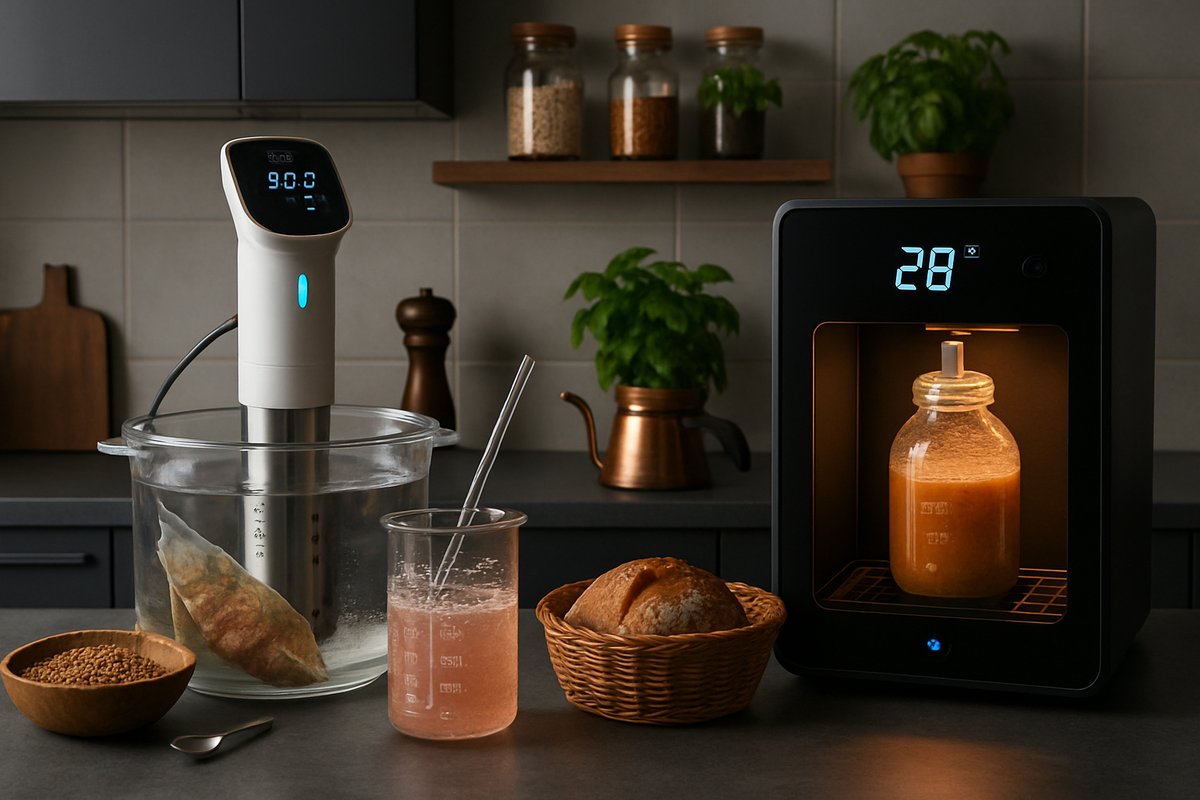
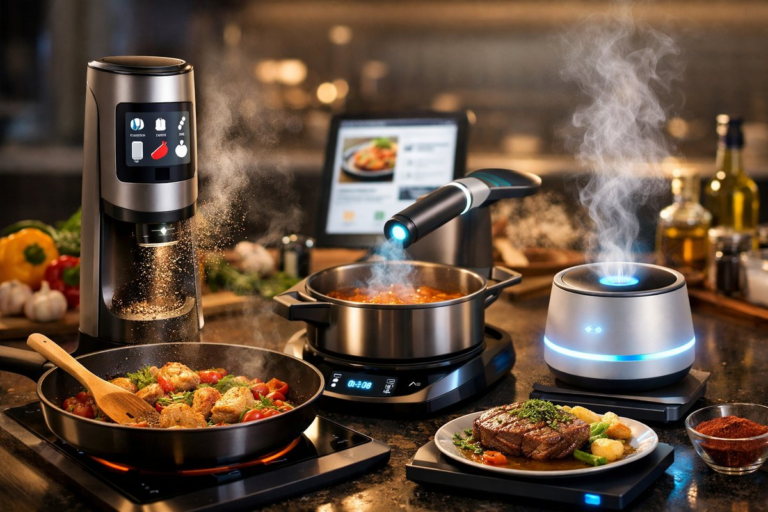
A new wave of kitchen innovations is transforming home cooking into an interactive laboratory, blending ancient rituals with cutting-edge tech. From precision immersion circulators to smart fermentation chambers, these tools empower curious cooks to unlock unprecedented flavor dimensions.
Emerging at the intersection of science and tradition, a wave of kitchen innovations is reshaping how home cooks approach flavor. No longer confined to stovetop instincts or handwritten recipe cards, today’s adventurous cooks embrace precision immersion circulators, ultrasonic infusion tools, and smart fermentation chambers to experiment with tastes that once appeared only in high-end restaurants. A recent report by the Specialty Food Association showed that 45% of home chefs have integrated at least one precision-based device into their routine, underscoring a growing appetite for rig orous experimentation.
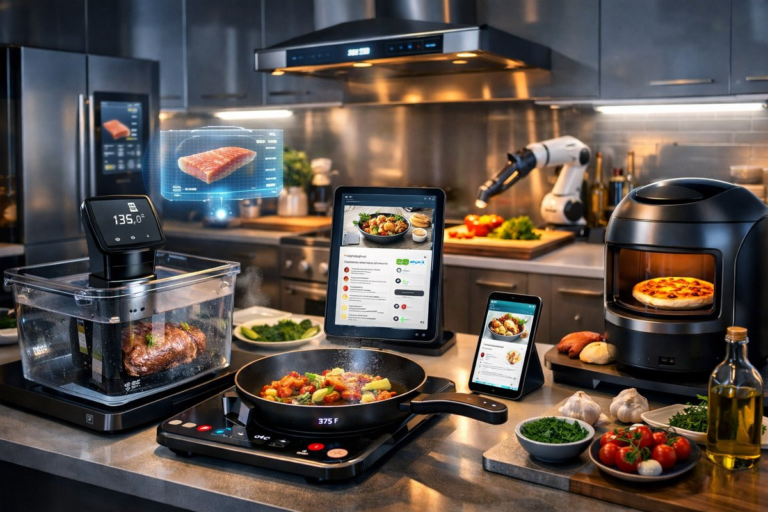
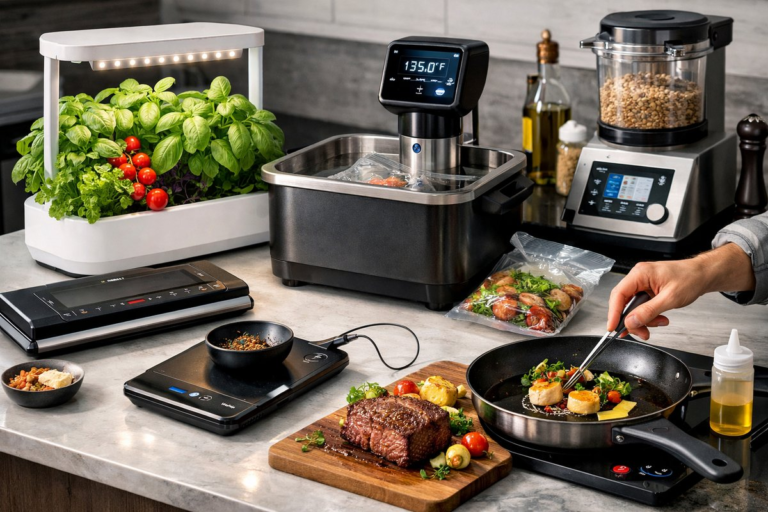
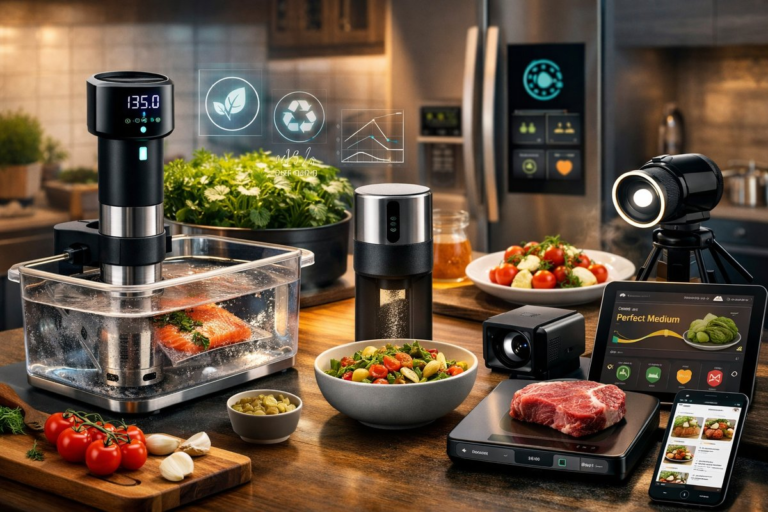
At the heart of this movement lies the precision immersion circulator. Once the province of three-Michelin-starred kitchens, sous-vide machines have become compact and affordable enough for countertop use. By circulating water at exact temperatures-often within a tenth of a degree-these devices coax proteins, vegetables, and even desserts to reach uniform doneness that would be nearly impossible with traditional heat sources. In kitchens from urban apartments to suburban backyards, cooks are pairing vacuum-sealed parcels of seasoned meats with bathing-suit-sized tubs of water to achieve textures ranging from sushi-soft tuna to steak slices that hold their juices like tiny reservoirs of umami.
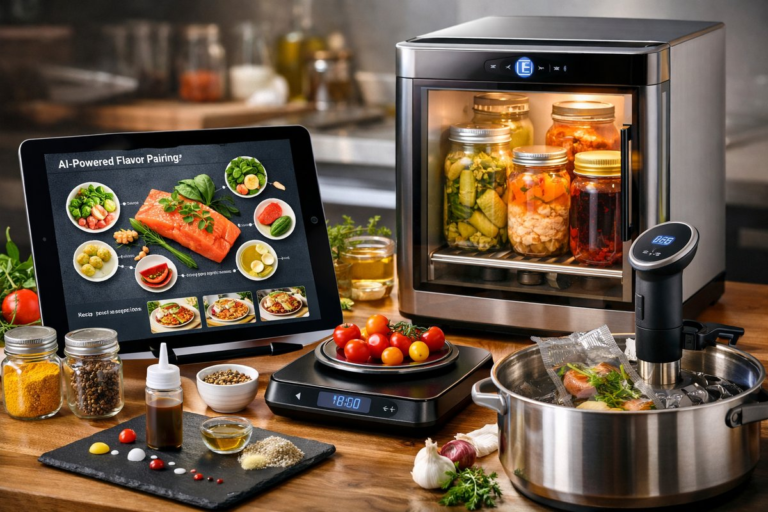
Alongside temperature control, chefs and hobbyists are rediscovering ancient microbial alchemy. Smart fermentation chambers equipped with humidity and temperature sensors have flipped old-school crocks into data-driven labs. Whether nurturing sourdough starters, pickling seasonal vegetables, or crafting kombucha with customized flavor boosters, home fermenters can now dial in precise growth conditions for beneficial bacteria and yeasts. Enthusiasts report knowing exactly when their kimchi has reached peak tang or when a batch of ginger beer is ready to bottle-all without manual temperature checks or trial-and-error guesswork.
But the frontier doesn’t stop at temperature and microbes. Ultrasonic infusion tools are carving out a niche among cooks enthralled by rapid flavor transfer. By sending high-frequency sound waves through liquids, these handheld devices accelerate the mixing of herbs, spices, and oils into cocktails, oils, or broths within minutes rather than days. A single brief pulse can imbue olive oil with fresh basil aroma or draw citrus brightness from peels into spirits. The result is a new sense of immediacy in flavor layering, turning everyday cooking oils and vinegars into bespoke finishing touches.
Meanwhile, molecular gastronomy kits-once bulky and intimidating-now arrive in sleek, modular boxes. These ensembles include calcium alginate spherification powders, agar-agar for gels, and enzyme blends for tenderizing tougher cuts of meat. Users are pushing boundaries by creating pearl-like bursts of fruit juice that pop in the mouth or transforming pureed vegetables into delicate foams. The appeal lies not only in the wow factor of plating but also in the deep dive into food chemistry: how pH, temperature, and concentration redefine the way flavors interact at the molecular level.
The digital revolution has also made its mark through AI-driven recipe platforms and flavor-pairing apps. By analyzing thousands of ingredient combinations and chemical profiles, these tools propose unexpected duos-like white chocolate dusted with smoked tea leaves or roasted cauliflower paired with tamarind-maple reduction. Some apps allow users to scan pantry items and suggest customized recipes optimized for dietary preferences and nutritional goals. As a result, cooks who once relied on intuition alone now have algorithmic collaborators that spark creative detours and reduce waste by repurposing odds-and-ends into cohesive dishes.
Despite the excitement, these technologies carry challenges. Start-up home cooks must balance the thrill of experimentation with device maintenance: immersion circulators require regular descaling, fermentation chambers demand periodic sterilization, and molecular kits need careful storage away from humidity. The learning curve can feel steep, and initial costs sometimes exceed those of a conventional gas range. Yet many enthusiasts argue that the pay-off lies in both flavor discovery and the joy of mastering a new skillset. Online communities buzz with troubleshooting tips, device-hacking guides, and user-shared recipes that collectively lower barriers to entry.
Industry insiders predict that the next wave of innovations will focus on multisensory feedback. Imagine utensils embedded with temperature and pH sensors that feed real-time data to your smartphone, or countertop scanners that analyze a sauce’s chemistry and advise adjustments to seasoning. At a recent consumer electronics expo, prototypes of “taste sensors” demonstrated their ability to differentiate sweetness, acidity, and bitterness in coffee samples-suggesting a future where devices can offer flavor coach guidance on par with experienced chefs.
For now, home cooks are already charting new territories by combining tried-and-true rituals with high-tech accelerators. Whether coaxing the silkiest egg yolk with sous-vide precision, orchestrating microbial fermentations in climate-controlled chambers, or infusing oils in seconds with ultrasonic vibrations, the kitchen has become a playground for both tradition and innovation. In this era of flavor adventure, the only real boundary is a cook’s curiosity-and the willingness to embrace tools that extend the senses and amplify creativity.
As more devices join the countertop, the broader promise is clear: technology doesn’t replace the tactile magic of cooking; it deepens it. With the perfect balance of temperature, time, and technique now at home cooks’ fingertips, every meal has the potential to become a micro-expedition into unexplored taste landscapes. So unpack that vacuum-sealer, prime your fermentation jar, or slip your hand around an ultrasonic infuser-and set out on a culinary adventure that transforms ingredients into enduring memories.