Location
Mount Vernon, WA 98274

Location
Mount Vernon, WA 98274
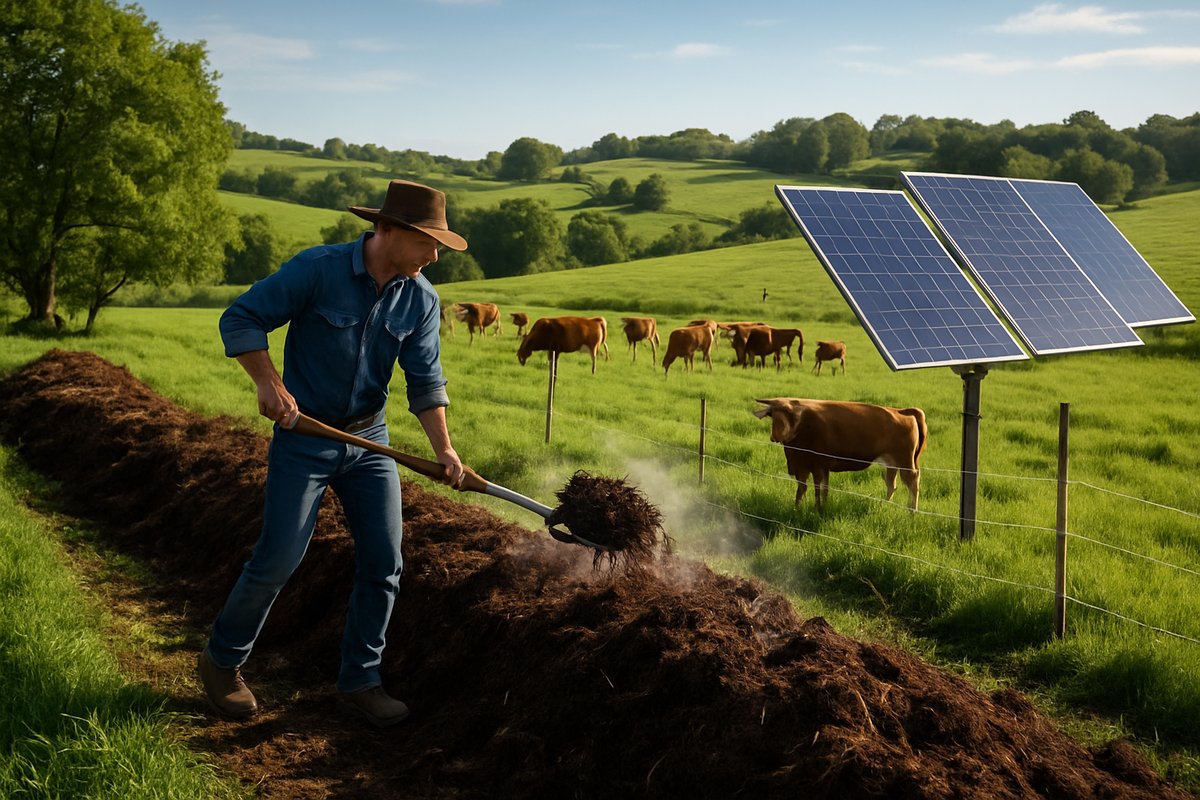
Across rolling pastures and reclaimed fields, a surge of eco-friendly practices is reshaping how small-scale farmers steward the land and care for animals. From compost-driven soil revivals to solar-powered pasture management, rural innovators are forging a new path toward resilient, community-centered agriculture.
Each dawn on the homestead brings a chance to rethink how we grow food and raise livestock. From the first cup of coffee brewed in a rustic farmhouse kitchen to the last glow of sunset over a mobile chicken coop, sustainable farming isn’t just a set of techniques-it’s a mindset that bridges tradition and innovation. Across regions once marked by depleted soil and dwindling water tables, regenerative practices are reversing long-standing damage and forging pathways to abundance.
At the heart of this transformation is the living soil beneath our feet. No longer treated as inert ground to be plowed and left bare, soil is now reconceived as a complex ecosystem deserving of care. Cover cropping-sowing legumes or cereal grains between cash crops-injects organic matter and nitrogen back into the earth, while diverse rotations interrupt pest cycles and break disease chains. Farmers are experimenting with multispecies seed mixes that mimic natural grasslands, inviting an extraordinary array of microbes, earthworms, and beneficial insects to flourish.
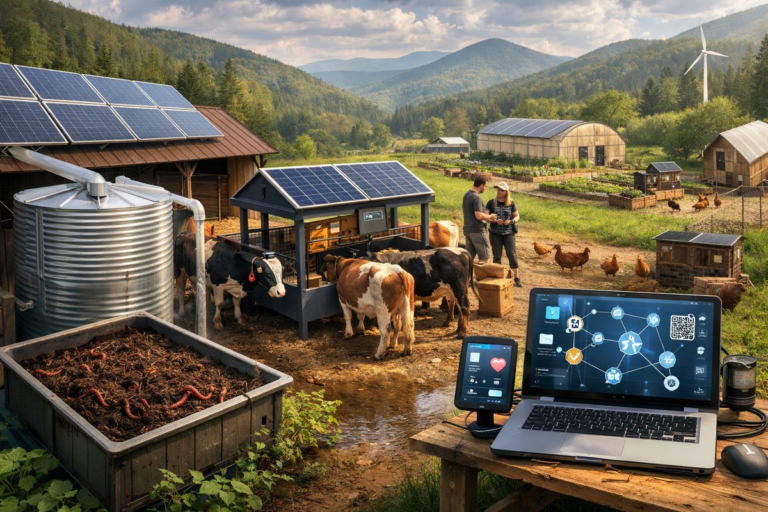
Compost has emerged as a bedrock for soil health, supplying a slow-release source of nutrients and introducing a wealth of microorganisms. Solid compost bins have given way to tumblers that enable gentle aeration and faster decomposition, turning kitchen scraps, garden trimmings, and aged manure into black gold within weeks. Some homesteaders take composting one step further by brewing tea-an aerated mixture rich in beneficial bacteria and fungi-to spray across fields for a living inoculant that enhances root development and natural disease suppression.
Water, the essence of life, demands equally creative stewardship. In regions beset by drought, rainwater harvesting systems collect roof runoff into tanks or barrels, then distribute it through gravity-fed or pump-driven drip lines. These micro-irrigation networks deliver moisture precisely at the plant’s root zone, minimizing evaporation and runoff. Aboveground, simple polyethylene hoses with built-in emitters can be laid along vine rows or around orchard trees, ensuring each plant receives consistent hydration. Elsewhere, solar-powered pumps draw from on-farm ponds to fill portable troughs for livestock without adding to grid demand.
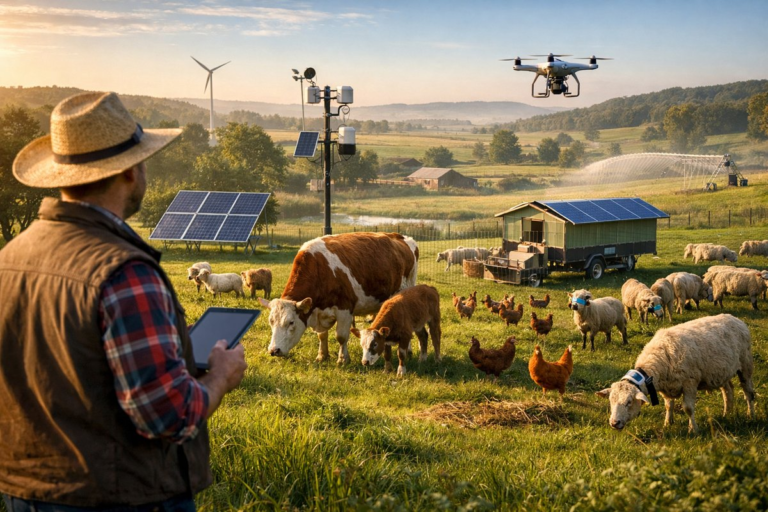
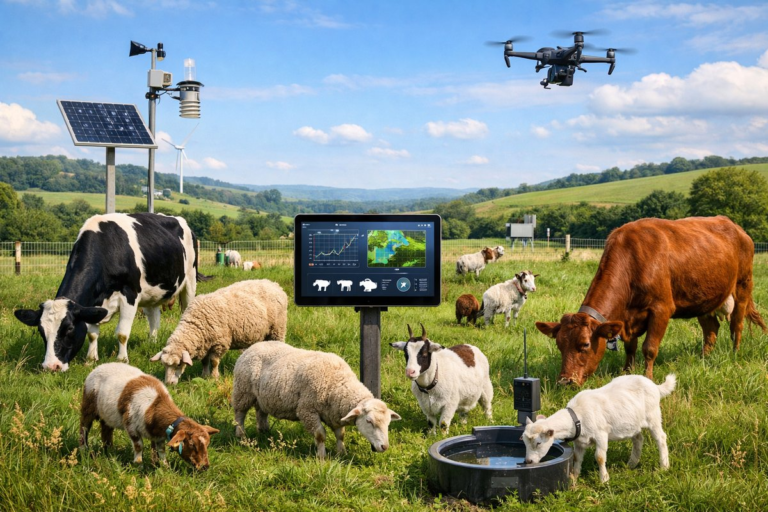
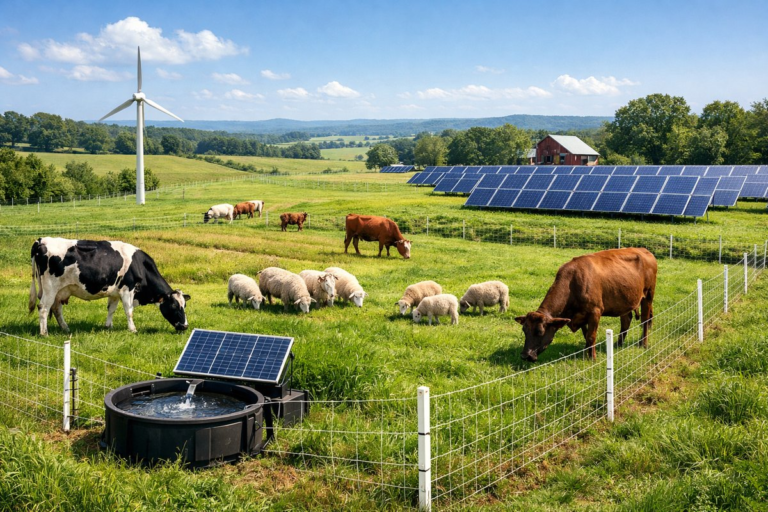
Animal welfare and environmental resilience go hand in hand through rotational grazing. By moving cattle, sheep, or goats across paddocks on a regular schedule, grazers mimic the patterns of wild herds, allowing pastures time to recover. Underutilized grasses and legumes regenerate, root systems deepen, and soil carbon levels climb. Farmers deploy lightweight electric fencing on temporary posts, quickly reconfiguring enclosure layouts to match changing forage abundance. Mobile waterers powered by a single solar panel follow the herd as it moves, ensuring fresh drinking water in every new grazing cell.
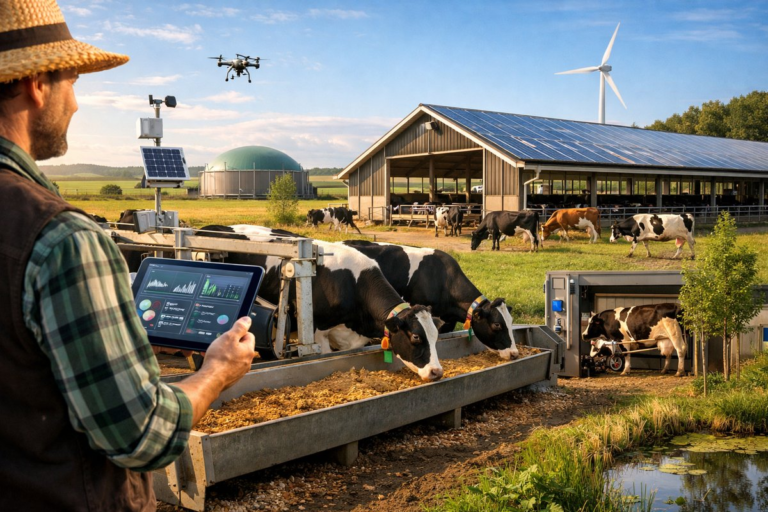
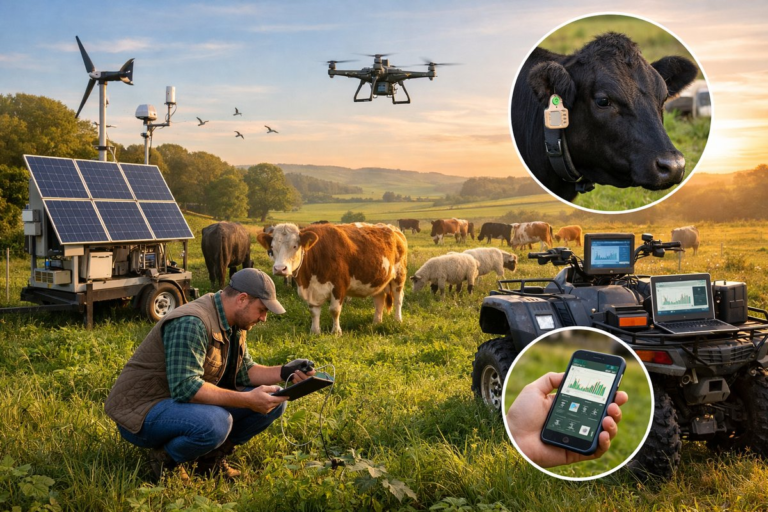
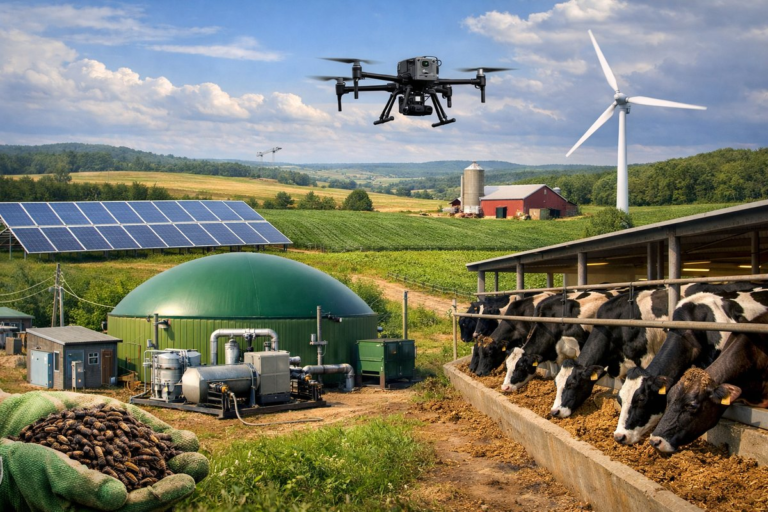
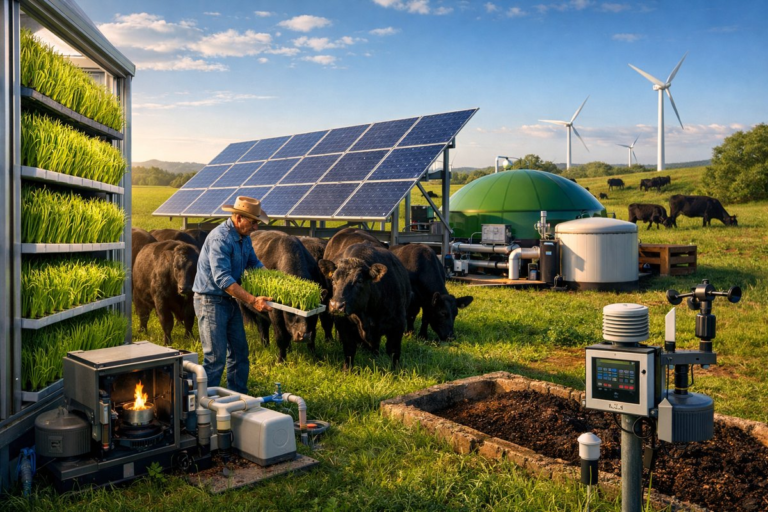
Technology is steadily threading through even the most pastoral settings. Affordable soil moisture sensor kits relay real-time data via wireless modules, informing precise irrigation decisions and avoiding wasteful overwatering. Remote temperature and humidity sensors inside barns and centralized pens alert caretakers when ventilation requires adjustment, while solar-powered trail cameras monitor pasture perimeters for wildlife intrusion or stray livestock. These Internet of Things (IoT) tools are lowering the barrier to data-driven management for farmsteads of every scale.
On-farm processing is another emerging frontier. Small-scale oil presses transform sunflower or flax seeds grown on-site into cold-pressed oils, capturing flavors and nutrients that skip the industrial bottling lines. Micro-malt houses convert barley into artisan malts for local breweries, adding value to a grain that might otherwise be sold at commodity prices. Even fruit trees find a second life under solar dehydrators that concentrate yields into longer-lasting snacks. Each new processing module expands the homestead’s economic resilience and deepens its connection to local food networks.
Community is the soil in which rural innovation truly takes root. Cooperative seed libraries share locally adapted varieties that withstand region-specific stresses-from heat waves to late spring frosts. Monthly barn gatherings host equipment exchange days, where farmers trade tools like tillage implements, chest freezers, or greenhouse frames rather than buying duplicates. Digital forums and messaging groups serve as modern-day grange halls, sparking conversations on everything from pest management to niche market opportunities.
Still, obstacles remain. Securing financing for cutting-edge irrigation setups or barn retrofits can be daunting, particularly for first-generation farmers. Broadband gaps leave some remote homesteads unable to leverage the latest monitoring platforms. Yet public grant programs, impact investors, and grassroots crowdfunding campaigns are increasingly stepping in to fill these voids. When multiple stakeholders-farmers, community organizations, educational institutions-collaborate, each innovation gains momentum.
A case in point: a dairy farm in the northern foothills once drained by conventional spring tillage has since embraced no-till drills and cover crop blends. Soil surveys conducted annually have recorded a 25 percent increase in organic matter and a halving of erosion runoff into nearby streams. Cows graze in carefully planned rotations, producing milk sold through a cooperative creamery that reinvests in local agrivoltaic systems. Here, solar panels perched above shade-tolerant vegetables generate clean power while cooling the soil below-another thread in the tapestry of integrated, place-based design.
Beyond environmental dividends, the human rewards are immediate and profound. Farmers report deeper pride in their stewardship role, while workers find renewed purpose in collaborative decision-making. Community-supported agriculture boxes filled with seasonal produce and ethically raised meats have deepened consumer trust and generated vital cash flow ahead of harvest seasons. Educators and extension agents who once focused on incremental yield gains are now training the next generation in the art of systems thinking-recognizing that soil, water, plants, animals, and humans all circulate nutrients, energy, and care through resilient networks.
What does the future hold? While no single farm can reverse climate trends alone, the collective mosaic of regenerative operations is tilting the scales. Advances in low-cost automation, open-source sensor platforms, and peer-to-peer knowledge sharing promise even greater accessibility. Young entrepreneurs are drawn to the promise of rural livelihoods powered by purpose and community, rather than commodity markets.
We stand at a pivotal moment when ancient wisdom and twenty-first-century ingenuity converge on the landscape. By tending soil as a living ally, prioritizing animal welfare through thoughtful management, and experimenting with micro-enterprises, homesteaders are sculpting a food system that can endure storms-both meteorological and economic. Rather than clinging to outdated models, they embrace adaptation as a guiding principle.
Curiosity remains the compass for anyone who tills fields, tends pastures, or mends fences. As you watch seedlings unfurl or shepherd animals across newly seeded paddocks, remember that each innovation-from a simple drip line to a solar waterer-can shift a farmstead’s trajectory. The roots of change are underfoot. Now is the time to explore, engage, and nurture the revolution taking place on our rural frontiers.