Location
Mount Vernon, WA 98274

Location
Mount Vernon, WA 98274
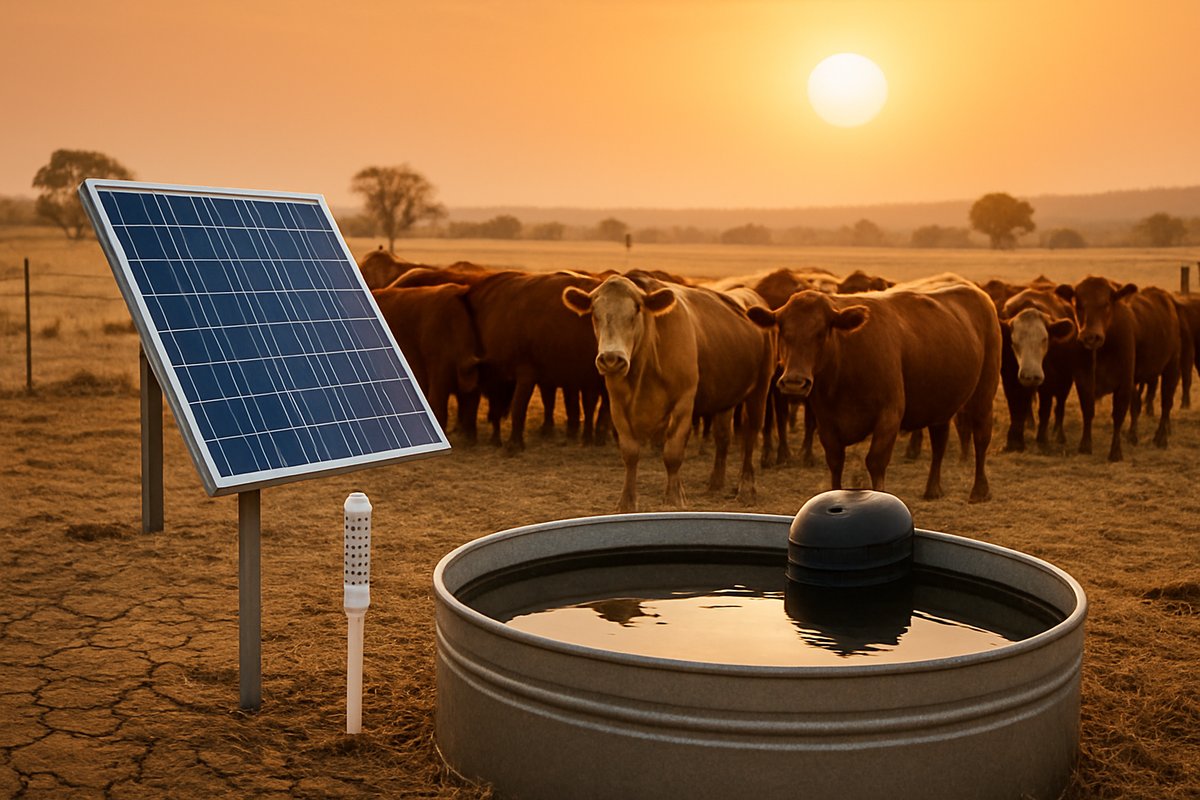
Across several key agricultural regions, record-breaking heat and dwindling forage are putting unprecedented pressure on livestock operations. From field-level moisture sensors to solar-powered water trough heaters, growers are embracing a wave of practical innovations to safeguard animals and livelihoods.
This summer has brought sustained high temperatures and bone-dry fields to many livestock districts, pushing farmers into uncharted territory. According to the latest assessments by the US Drought Monitor, more than half of grazing land in central states faces at least moderate drought. Ranchers in these areas say pastures that normally green up in late spring have turned brittle and brown, forcing decisions on supplemental feed that carry hefty price tags.
The rise in hay and grain prices is another stress point. USDA reports show that coarse feed costs have climbed nearly 20 percent compared with the same period last year. Small and mid-sized producers, who operate on thin margins, now grapple with choices that feel like lose-lose: purchase more imports at higher rates or reduce herd numbers to match limited forage. Many are tapping emergency credit lines and restructuring budgets midseason.
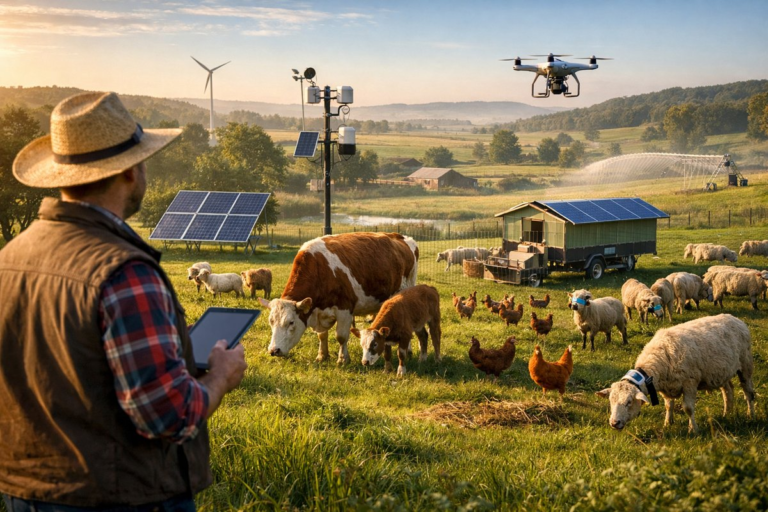
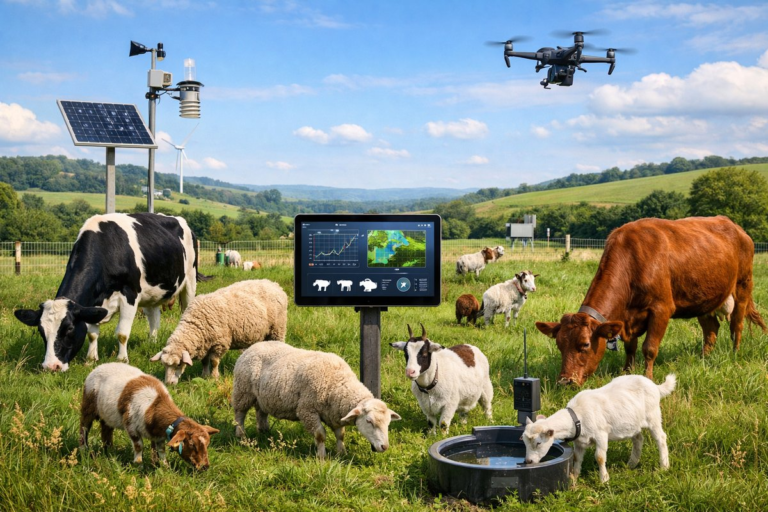
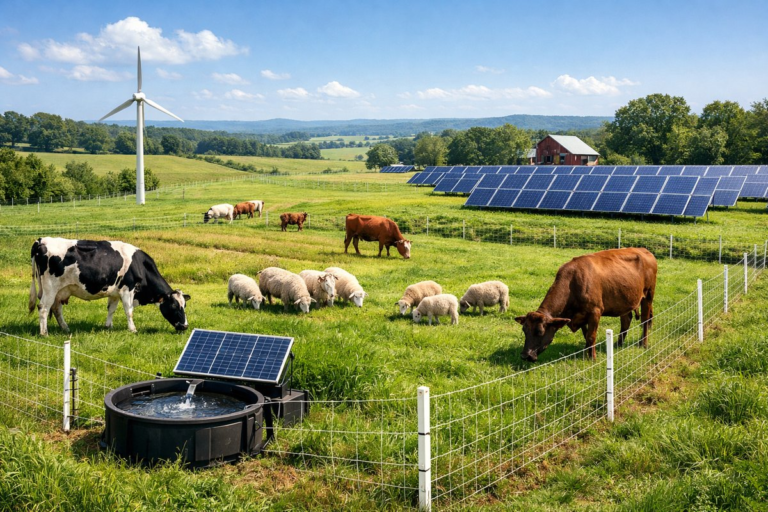
In response, a burst of field-tested solutions has emerged. A growing number of operations have installed solar-powered water trough heaters in paddocks to stave off thermal stress in watering systems. These units maintain liquid water even under searing midday heat, ensuring cattle, sheep and goats stay hydrated. Early adopters say reduced downtime for manual refills and lower animal‐stress incidents more than justify the upfront investment.
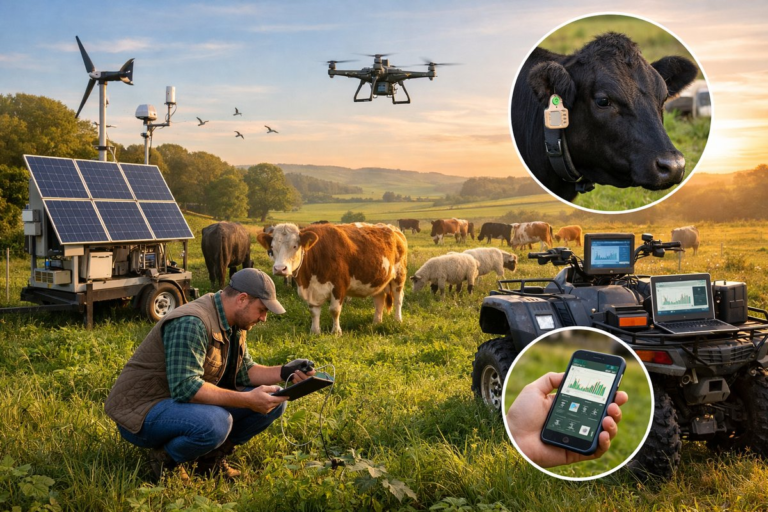
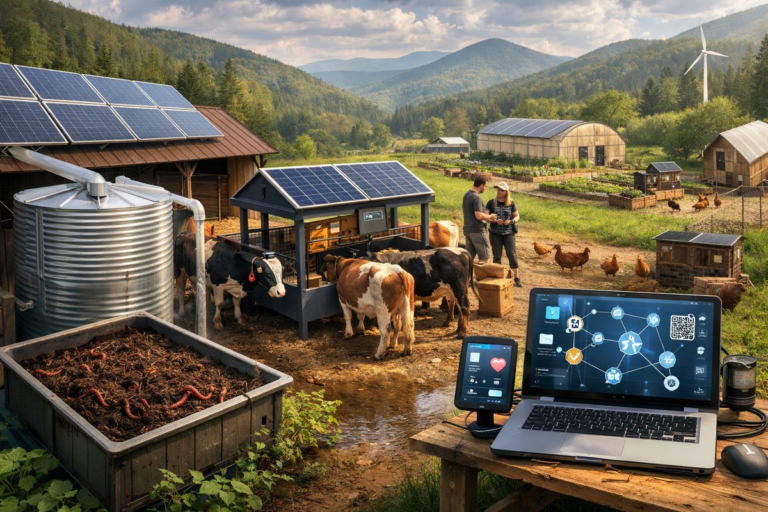
Farmers also report that precision-agriculture tools once reserved for row crops are crossing over into livestock management. Soil moisture probes connected to smartphone apps provide real-time readings across grazing blocks. With these wireless sensors, ranchers identify dry spots before they expand, targeting small irrigation fans or temporary water lines rather than rolling out large pumps across entire pastures.
Digital animal-health trackers are gaining traction as well. Wearable devices clipped to ear tags monitor body temperature, pH levels and activity patterns. Alerts flag early signs of heat exhaustion, mastitis or lameness, so treatments can begin before conditions become severe. Field trials conducted at several agricultural universities found that these trackers cut veterinary visits by up to 30 percent and improved overall herd productivity.
Extension agents and county agricultural offices have stepped in to share best practices. Weekly virtual briefings offer modules on rotational grazing, drought‐proof fodder crops and emergency forage trading networks. Local cooperatives are negotiating bulk discounts on feed and equipment packages, reducing costs for members who pool orders. These community frameworks help spread risk and allow farmers to make collective decisions when prices spike unexpectedly.
Mental health advocates point out that the compounded stress of weather extremes, market volatility and animal welfare weighs heavily on farm families. Peer-to-peer support groups now include sections dedicated to livestock operators. Through confidential online forums, ranchers swap coping strategies-from meditation sessions after a long day in the field to local meetups for sharing success stories. Emotional well-being is emerging as a pillar of long-term sustainability in rural communities.
Some producers are tagging drought as an opportunity to overhaul grazing systems. Intensive rotational grazing methods-where herds move through smaller paddocks on a tight schedule-promote pasture re-growth and reduce soil erosion. Producers who once ran 100-acre blocks are subdividing them into five-acre cells, investing in portable fencing gear and water lines. This forces grass to recover fully before animals return, preserving ground cover and building soil organic matter.
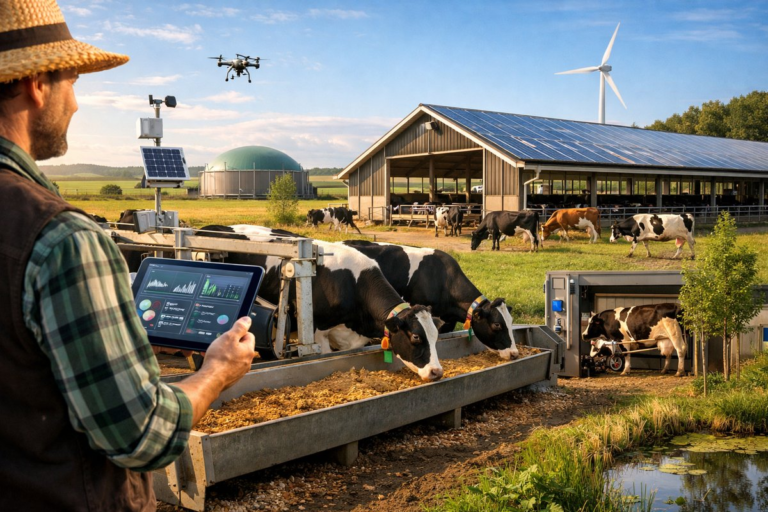
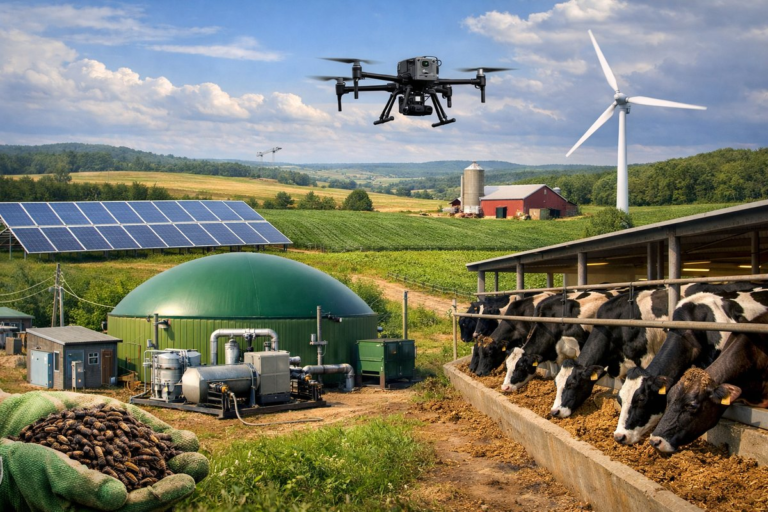
Looking toward advanced machinery, a handful of ranches are trialing autonomous feeding robots and fixed-wing drones for pasture surveillance. Robots dispense measured feed rations at multiple stations, reducing feed waste by up to 15 percent. Drones equipped with infrared cameras scout for water stress indicators, nutrient deficiencies and early signs of pest outbreaks. These systems integrate with farm management platforms to create actionable to-do lists for each field block.
Federal and state relief measures are also evolving. Emergency livestock assistance programs have expanded eligibility for producers who may not have experienced declared natural disasters but have documented grazing losses. Simultaneously, sustainable-agriculture grants encourage adoption of cover cropping, water-saving irrigation and renewable energy installations. Combined, these initiatives offset a portion of equipment and implementation costs, ensuring that smaller outfits won’t be left behind in the technological wave.
Forecasters warn that meteorological patterns may swing between drought and intense rainfall as climate variability intensifies. The possibility of La Niña conditions returning threatens to deepen dry spells, while severe thunderstorms could follow, triggering flash floods in weakened soils. Farmers say adaptability and diversified strategies will be critical: a single tool or approach can’t answer every weather twist.
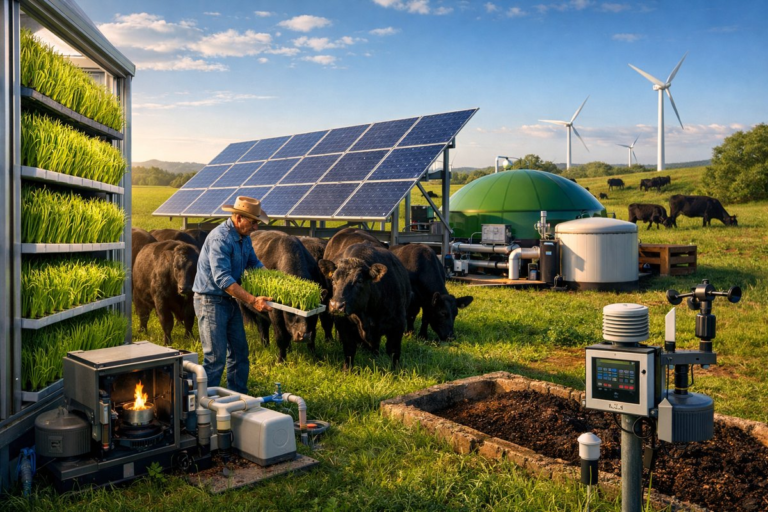
Back in the barnyards and open fields, the atmosphere remains cautiously optimistic. Ranchers recount how last winter’s innovations-feed bunk sensors and methane-reducing feed additives-translated into measurable gains. As one fourth-generation cattle operator put it, “Every challenge we face nudges us to refine our craft.” The convergence of on-farm ingenuity, community collaboration and targeted policy support is reshaping the outlook for livestock agriculture.
Ultimately, the push toward resilience highlights deeper values in rural areas: stewardship of land, care for animal welfare and commitment to the next generation. A hundred years of trial and error has taught farmers that adversity breeds invention. Now, with technology in hand and neighbors at their side, livestock producers stand better equipped to weather the extremes-and lay the groundwork for a sustainable, high-welfare future.