Location
Mount Vernon, WA 98274

Location
Mount Vernon, WA 98274
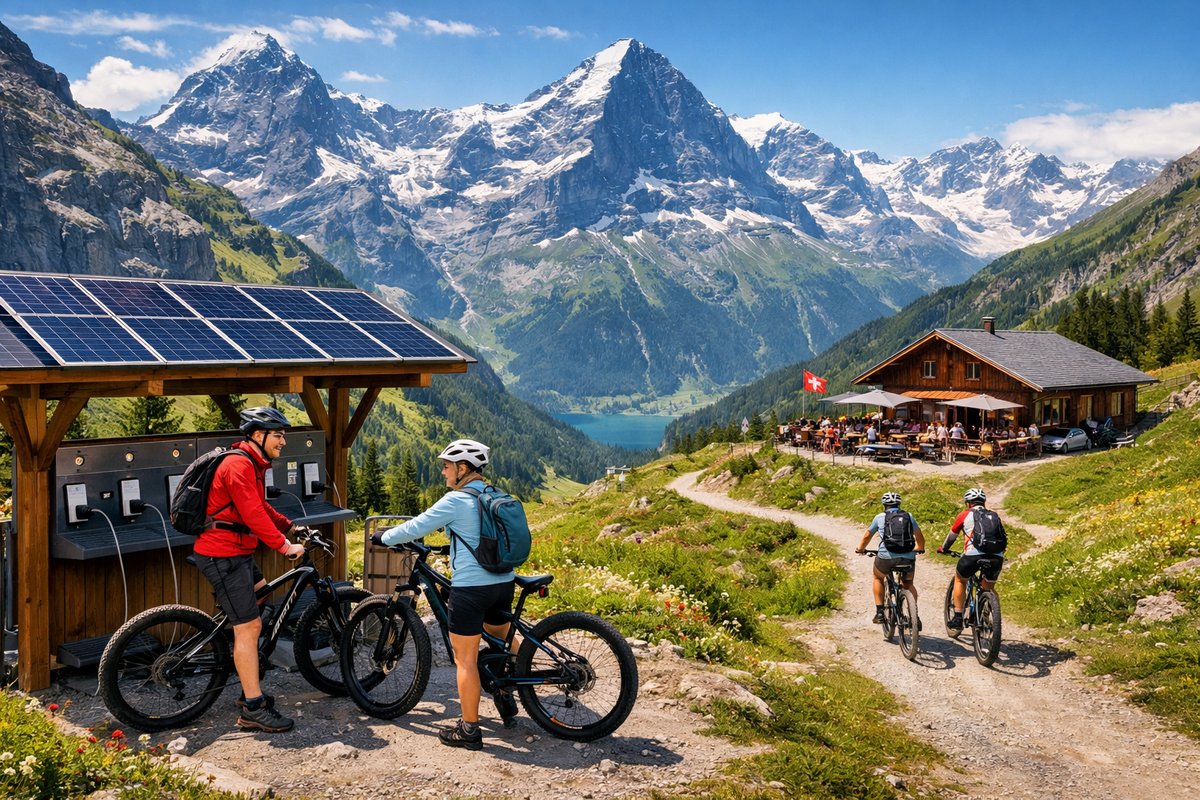
Switzerland has launched a new e-bike scenic route threading through the Jungfrau region, powered entirely by renewable energy. From solar-charged charging hubs to mountain huts serving local fare, this 120-kilometer corridor offers riders a chance to explore Alpine landscapes sustainably while forging deeper connections with mountain communities.
Switzerland’s latest venture into sustainable tourism arrives on two wheels: a dedicated e-bike traverse winding 120 kilometers across the Jungfrau region. Officially inaugurated this spring, the route links Interlaken with Lauterbrunnen and Grindelwald via a series of solar-powered charging stations and welcoming alpine huts. Designed for riders of varying skill levels, the trail balances technical single-track segments with smooth gravel roads, enabling travelers to discover soaring peaks, emerald valleys, and centuries-old villages without leaving behind a heavy carbon footprint.
Several local and regional authorities collaborated to bring the project to life, drawing on expertise in renewable energy, trail design, and community development. Charging stations equipped with photovoltaic canopies dot the itinerary every 15 to 20 kilometers, each capable of replenishing an average e-bike battery in under two hours. For many, these hubs serve as symbols of Switzerland’s commitment to green innovation-each one blending into the landscape, constructed from untreated timber and clad in locally quarried slate.
Far from a mere utility, each refueling point has been envisioned as a gathering place. Rustic wooden benches flank picnic tables carved by hand, and interpretive panels offer glimpses into alpine geology, local wildlife, and traditional crafts. On clear days, riders pause to watch marmots skitter across lush meadows, or to admire distant glaciers perched along the Eiger’s north face. Wind-powered lanterns illuminate the sites after dusk, creating a serene atmosphere for early evening breaks.
Community stakeholders have embraced the traverse with open arms, viewing it as a chance to showcase heritage and forge new economic pathways. “We wanted something that would bring people here, not just to ride but to taste and talk,” says a chalet owner in Lauterbrunnen who supplies organic goat cheese to a nearby hut. On weekends, visiting artisans set up pop-up stalls offering wood-carving demos, hand-woven scarves, or freshly baked rye loaves, fostering moments of genuine human connection amid wild surroundings.
The landscape itself unfolds like a slow-motion epic. Departing Interlaken, riders follow gentle riverside tracks lined with wildflowers before ascending forested hills that open onto broad pastures cloaked in alpine grasses. A winding descent brings them to a valley floor, where a centuries-old farmstead stands sentinel beside a trout stream. Further along, the trail narrows into switchbacks carved into steep ridges, revealing panoramic views of the Lauterbrunnen Valley’s 72 waterfalls.
Cultural-minded travelers will find ample opportunities to engage with village life. In the hamlet of Gimmelwald, a tiny gallery exhibits works inspired by mountain traditions, from watercolors of linen-wrapped haystacks to photography capturing the seasonal migration of cows. Each stop invites reflection on the interplay between nature and community, underscoring the e-bike route’s ethos of curiosity and respect for local rhythms.
At the heart of the venture lies a sustainability blueprint: all new shelter huts utilize rainwater harvesting systems, composting toilets, and low-energy LED fixtures. Local timber from managed forests provided the structural beams, while regional stone reinvigorates centuries-old masonry techniques in newly restored shelters. Even signage-a network of weatherproof panels-was produced using reclaimed aluminum, minimizing the need for fresh raw materials.
Riders who have completed the traverse describe it as both a physical challenge and a journey into their own inner terrain. One participant recounts an early morning pedal through mist-shrouded pine groves, the cool mountain air amplifying every breath. At the top of a sunlit pass, fatigue dissolved into wonder, replaced by a sense of presence and humility in the face of vast, age-old rock faces.
Yet the Alps can present unpredictable moods. Sudden rain squalls may drench exposed ridges, and fog can descend overnight, making navigation tricky. Organizers advise riders to pack layers, waterproof gloves, and a reliable headlamp. Well-marked waypoints appear regularly, but GPS devices and offline trail maps offer peace of mind when electronic signals fade.
Practical preparations include reserving e-bikes in advance through local rental cooperatives, which supply machines optimized for mountain terrain-featuring torque sensors, wide-range gearing, and puncture-resistant tires. Accommodation along the route ranges from basic shelters to family-run guesthouses offering hot showers and hearty evening meals. Online booking platforms aggregate availability, but phone inquiries often yield insider tips about special events or guided group rides.
Costs have been structured to benefit small businesses rather than large hospitality chains. A portion of each rental fee supports trail maintenance and local conservation initiatives. In turn, residents report a surge in summer foot traffic that feels more respectful than before-riders arrive with reusable water bottles, carry out minimal waste, and engage warmly with hosts.
The Jungfrau e-bike traverse arrives at a moment when sustainable travel is gaining momentum worldwide. Recent industry reports show a year-on-year uptick in demand for e-bike tours, alongside growing interest in off-grid experiences powered by renewables. Comparisons are already being drawn to similar routes in the Dolomites and the Pyrenees, but local officials say the integration of community-led hubs makes this Swiss project unique.
For many travelers, the region transcends its postcard allure to become a space for contemplation. Each pedal stroke carries echoes of centuries-old alpine culture, while the hum of an electric motor softens the physical demands enough to allow deeper engagement with surroundings. Riders emerge not just with photos but with stories-of a goat-herder’s dawn call, of fog-shrouded peaks dissolving into gold, and of shared laughter at a mountain hut table over steaming bowls of barley soup.
The traverse exemplifies how modern infrastructure can harmonize with timeless landscapes, inviting exploration without exploitation. It reminds us that travel, at its best, reshapes our perspectives-making us more curious, more empathetic, and more attuned to the intricate bonds between people and place.
Whether you’re a seasoned cyclist or a curious novice, the Jungfrau e-bike route beckons with promises of adventure-and a chance to carry home something far richer than souvenirs. As the sun dips behind the Jungfrau massif, riders linger on rustic deck chairs, sharing tales over herbal tea. In those quiet moments, it becomes clear that the journey extends beyond trails and technology, resting instead in the connections we forge and the stories we bring back to life.