Location
Mount Vernon, WA 98274

Location
Mount Vernon, WA 98274

A growing number of congregations are hosting open-mic poetry slams rooted in Christian themes, inviting participants to explore faith through verse. These gatherings blend ancient scriptural reflection with modern creative expression, fostering emotional vulnerability and communal renewal.
Across towns and cities, congregations are discovering a fresh way to bridge tradition and contemporary culture: the sacred poetry slam. What began as a grassroots experiment in a handful of urban churches has blossomed into a movement that invites believers and seekers alike to lift their voices in original verse. By combining the rhythms of spoken-word performance with biblical themes, these events are drawing new faces into sacred spaces and helping long-time attendees experience the gospel with renewed wonder.
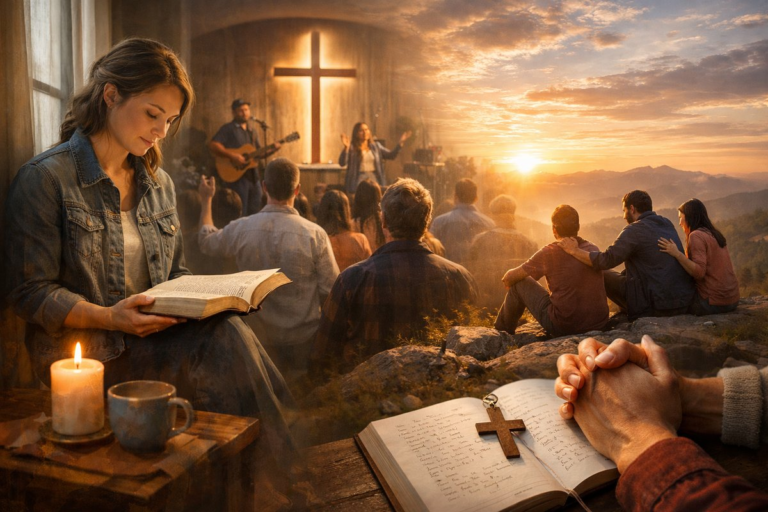
Rather than replicating standard worship services, organizers frame each evening as a creative showcase. A simple stage stands at the front of a fellowship hall, flanked by string lights or candles. Attendees gather around tables with mugs of herbal tea or fair-trade coffee, while background music sets a reflective mood. Hosts encourage a culture of listening, reminding participants that the primary purpose is not competition but connection-each poem a testimony, each voice a prayer.
One mid-sized congregation reported that within six months of launching its poetry night, attendance among adults under forty grew by nearly 30 percent. In another coastal church, youth volunteers repurposed vintage typewriters and reclaimed wood as podiums, transforming a parking-lot patio into a makeshift amphitheater. Many churches are adapting existing small-group spaces rather than building new infrastructure, reinforcing sustainable stewardship of resources and honoring the artistic impulse to make something beautiful from the materials at hand.
Pastors describe the movement as a natural extension of ancient traditions. The Psalms themselves contain lyrical poetry meant to be sung or spoken aloud. By framing original works alongside selected verses, hosts encourage contributors to wrestle with scripture in real time. Some events begin with a brief reading-perhaps Psalm 42 or Canticle of Mary-before opening the mic to reflections, confessions, petitions, and praise expressed through contemporary wordsmithing.
Emotional intelligence plays a key role. Event leaders emphasize confidentiality and consent, inviting attendees to signal if they prefer their work to remain off social media or out of printed programs. A code of conduct discourages judgmental commentary and fosters empathetic responses: a round of applause or a simple nod. In many venues, poets may choose a private mentor to workshop pieces ahead of the evening, creating safe spaces for vulnerability and growth.
Organizers often schedule workshops on poetic technique, storytelling, and theological reflection in the weeks leading up to a slam. These gatherings can include interactive writing prompts based on parables-such as reimagining the Good Samaritan from the perspective of an onlooker-or guided exercises that explore themes of exile, hope, and renewal. Such preparatory sessions build confidence for first-time poets and help them ground their work in spiritual and literary traditions.
Community engagement extends beyond church walls. Some events partner with local cafés, bookstores, and art supply co-ops, hosting poetry nights in coffeehouses or pop-up galleries. Proceeds from ticket sales, often set at a voluntary donation level, support neighborhood literacy programs or a nearby food pantry. This outward focus highlights a holistic approach to mission-creativity as spiritual practice, worship as social justice, and art as a healing balm for fractured communities.
Feedback from participants underscores the transformative power of spoken-word ministry. A high-school student who struggled to find her voice in traditional youth groups discovered that composing slam poems gave her a way to articulate doubts, dreams, and the ache for divine presence. An older attendee, long disengaged from communal life after a season of grief, found solace in listening to others’ raw expressions of sorrow and hope.
Clergy are also finding that sacred slams reveal hidden gifts within their congregations. Worship teams have recruited poet-lyricists to write new hymns, while small groups form around shared interest in creative arts. In one rural parish, a Baptist pastor and a Methodist pastor co-hosted a joint poetry evening, drawing a diverse audience that transcended denominational lines. Their goal: to demonstrate that the impulse to praise God through song and story is not bound by a single tradition.
Theologically, sacred poetry slams invite fresh engagement with the Word made flesh. By giving voice to contemporary concerns-climate anxiety, racial justice, mental health struggles-poets root their expressions in the ever-living gospel. Event leaders often feature brief commentaries on how each poem resonates with a scriptural motif: wilderness and water, exile and homecoming, lament and jubilee.
Digital platforms have further expanded reach. Some congregations livestream their events or host virtual open-mic nights, allowing poets from distant regions to share a platform. Online discussion boards and curated playlists of recorded performances serve as ongoing resources. Facilitators encourage mutual encouragement: participants can leave written reflections on others’ work, fostering cross-cultural exchange while practicing humility and respect.
Challenges accompany the innovation. Coordinating open-mic logistics-time limits, sound equipment, seating arrangements-requires dedicated volunteers. Leaders stress that technology support need not be elaborate: a single wireless microphone and a basic sound-mixer can suffice for most fellowship-hall settings. Budget-minded teams often assemble equipment through community donations or grant programs for the arts.
Many churches cite the rapid evolution of communication channels as part of the impetus. In an age of fleeting headlines and algorithm-driven feeds, the visceral power of spoken word offers an antidote. Listeners lean forward, ears attuned to the cadence of human breath and the weight of each metaphor. These moments of shared attention cultivate deep listening-a key spiritual discipline that many worship services struggle to foster in their hour-long liturgies.
Beyond the worship hour, sacred slams are spawning ripple effects in discipleship. Mentorship pairs formed around poetry lead to broader conversations about vocation and calling. Book-study groups on poets like Mary Oliver or Rumi segue into Bible studies on prophetic literature. Some communities plan annual anthologies, collecting poems in print or digital chapbooks that commemorate the church’s journey through seasons of joy and trial.
Scholars note that the rise of these creative gatherings aligns with broader shifts in evangelical and mainline landscapes. A 2023 survey of church arts ministries found that nearly half of responding congregations reported launching at least one new arts initiative in the previous two years, with spoken-word events topping the list. This momentum reflects a hunger for authentic encounter-spaces where faith is neither policed nor packaged, but lived out in raw, lyrical testimony.
Looking ahead, organizers envision collaborations with local schools, community theaters, and mental-health practitioners to deepen the impact of sacred word gatherings. Conversations are underway to integrate poetry slams into interfaith dialogues, bridging faith traditions through shared creative rituals. Such experiments aim to model hospitality: a circle of chairs where every voice matters and every story carries sacred weight.
For those interested in hosting a slam, event leaders offer practical tips: start small, with an evening for ten to twenty attendees. Invite writers of all skill levels, and provide printed prompts or a curated playlist of spoken-word inspirations. Encourage a volunteer tech-team to manage lighting and sound. Begin and end with a simple ritual-perhaps a candle-lighting or scripture reading-to root the gathering in the church’s liturgical life.
In a time when many are seeking fresh forms of spiritual practice, sacred poetry slams have emerged as a living tradition-one that honors ancient Songbook and Psalmist while embracing the inventive spirit of contemporary expression. In poem after poem, voices tremble, stammer, soar, offering glimpses of the divine in everyday struggle and triumph. And in that communal hush that follows each performance, listeners lean in once more, hearts attuned to the still, small voice that beckons us into awe and wonder.
As churches continue to innovate, the sacred slam stands as a testament to faith’s living creativity. In every verse, a new chapter of praise unfolds, inviting both speaker and listener to encounter the Word-in ink and breath, in silence and sound-until the chapel, the coffeehouse, and the digital stage alike resonate with the echoes of divine imagination.