Location
Mount Vernon, WA 98274

Location
Mount Vernon, WA 98274
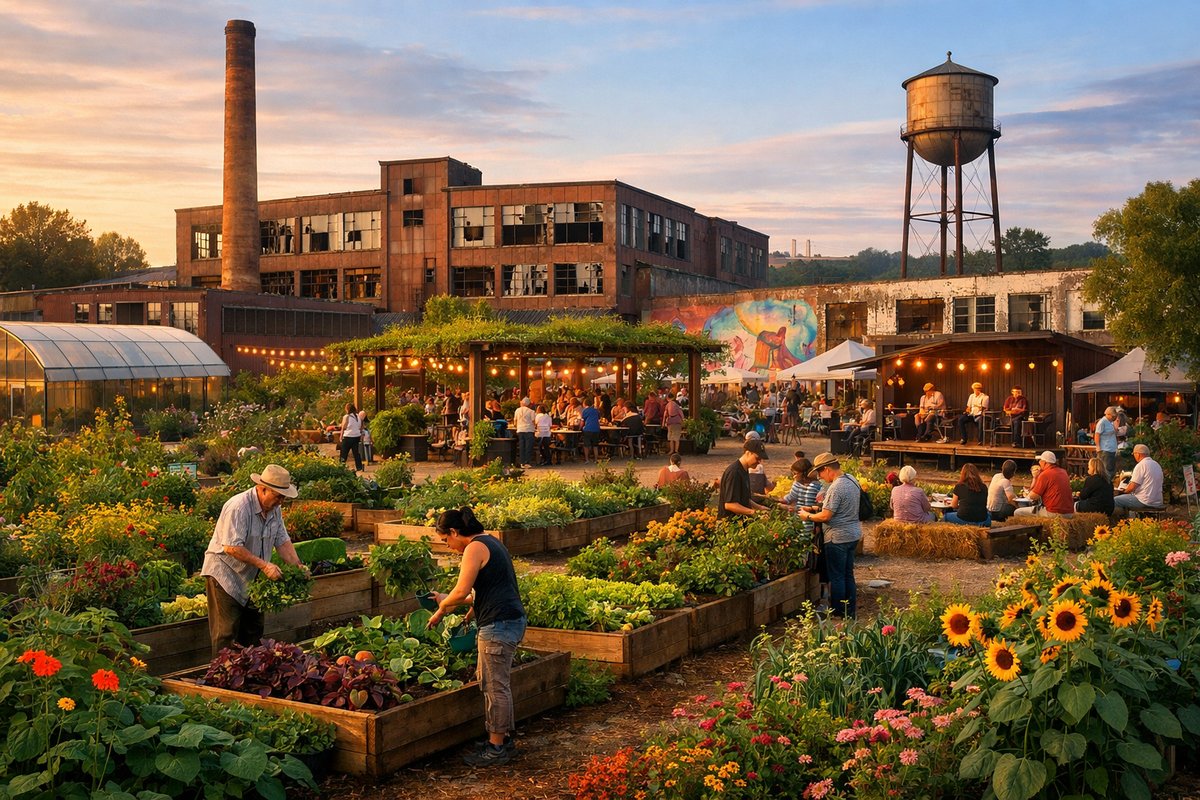
When the Greenwood manufacturing plant shut its doors, hope seemed to slip away with every echoing corridor. Yet residents turned the empty factory into a thriving communal garden and cultural hub, proving that loss can yield unexpected renewal.
In Greenwood County, the rattle of conveyor belts gave way to silence overnight. Hundreds lost their jobs when the local factory closed, and a sense of purpose vanished along with the machinery. Empty parking lots and shuttered gates stood as monuments to economic shifts beyond anyone’s control. Grief settled in like dust, and long-time neighbors spoke of an ache so deep that mornings came heavy with uncertainty.
Amid the gloom, a small group of former line workers, artists, retirees and parents began to gather in the factory’s break room. They shared memories of assembly-line jokes, holiday potlucks and the pride they once felt. One evening, someone asked: “What if we could reclaim this place rather than let it rust?” It was a simple question, but it ignited imaginations.
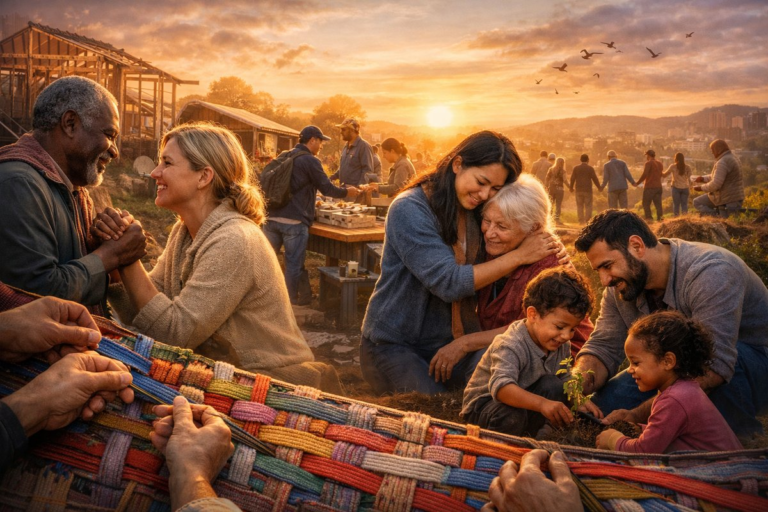
With rented dumpsters and elbow grease, volunteers spent weekends clearing debris and oil stains. Old machinery parts were dismantled, rails were salvaged, and pallets stacked to form the first raised garden beds. Each plank of reclaimed wood told a story of transformation, and every bolt removed felt like shedding old fears.
Local artists joined the effort, hauling cans of acrylic paint and scaffolding onto the bare walls. Murals of blooming sunflowers and intertwined hands began to appear. Children from nearby apartments took up paintbrushes alongside apprentices who had once welded steel. By sunset, the factory’s gray facade glowed with color and possibility.
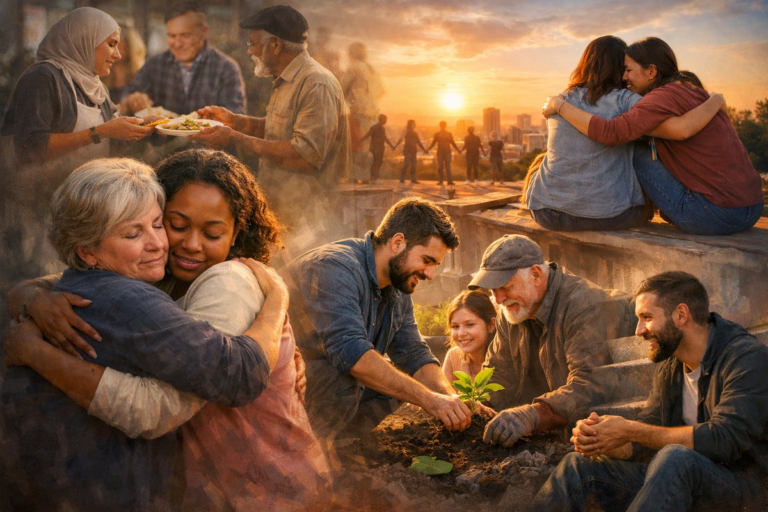
The garden beds were filled with rich soil and everything was planted: heirloom tomatoes, kale, snap peas and squash. Seed packets lay scattered on makeshift tables-families swapped varieties of chiltepin peppers from Mexico, lupini beans from Italy and native wildflowers. For many, holding a seed meant planting hope.
Inside the warehouse’s cavernous main hall, yoga mats were unrolled on the concrete floor. A volunteer trained in mindfulness led free evening classes, guiding participants through gentle stretches and breathing exercises. It was the first time many welcomed stillness instead of the relentless hum of machines. The mats, originally stored for a corporate wellness initiative that never launched, found new purpose under soft LED lighting and the hum of cicadas at dusk.
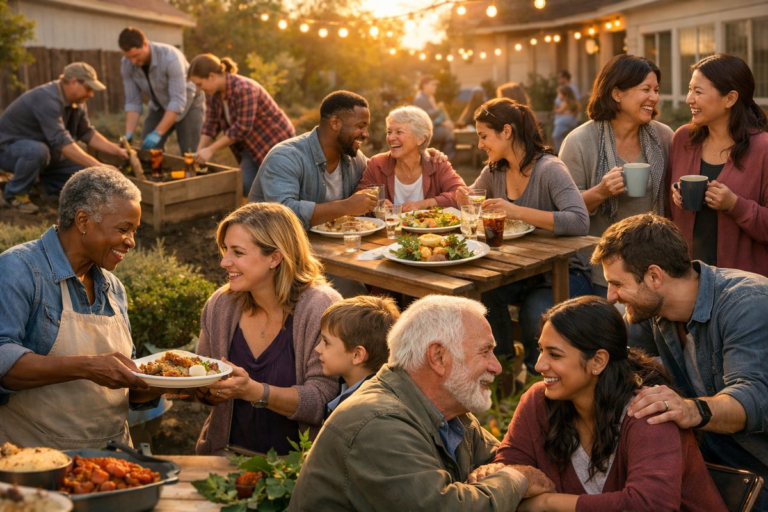
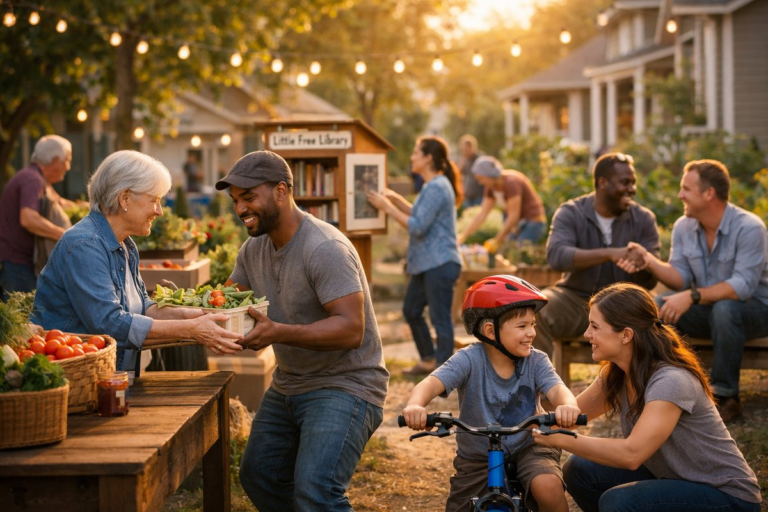
Adjoining the yoga space, a community kitchen took shape. Repurposed appliances and donated cookware filled industrial stainless-steel counters. Garden harvests became shared meals-steaming soups, fresh salads and herb-infused breads. A cooperative tool library sprouted beside the kitchen, offering pruning shears, trowels and wheelbarrows anyone could check out with a simple sign-in sheet.
When the sun dipped below the smokestacks, string lights arched across an open area for live performances. An acoustic guitar leaned against a refurbished workbench awaiting its next player. The first open mic night welcomed shy poets and hopeful singers, and each applause echoed like a heartbeat long forgotten.
Maria, once a line supervisor, credits the sanctuary with mending her bruised confidence. “I felt invisible after the layoff,” she recalls. “Now I teach seed-starting workshops and watch people’s eyes light up when they see roots sprouting.” She carries a sketchpad to every class, doodling observations of growth-both botanical and personal.
Ahmed, who lost his sense of direction after a personal crisis, discovered healing in mural painting. “Every brushstroke reminded me I could still make something beautiful,” he says. His bold sunrise mural on the corner of the building stands as a daily reminder that even dark nights end.
Funding came from small grants, neighborhood bake sales and crowd-sourced donations. No big corporations stepped in-only neighbors pooling spare change. Sweat equity became the currency of change, and no one expected-or asked-for a paycheck.
Environmental impact was woven into every decision. Rainwater harvesting barrels collect storm runoff to nourish the beds. Compost bins turn leftover kitchen scraps into rich fertilizer. Solar-powered LEDs light the pathways, and bicycles borrowed from a nearby repair shop nanny-idled in the corner, ready for anyone to use.
One year in, the sanctuary reports feeding over a thousand families, hosting weekly wellness sessions and offering more than 200 hours of arts programming. Local schools take field trips to learn about sustainable agriculture and community cooperation. Researchers from a nearby university are documenting the project’s impact on mental health and civic engagement.
The old factory now stands as evidence that resilience isn’t a myth. It’s brick and paint, seed and soil, sweat and song. Greenwood’s communal sanctuary reminds us that when a structure collapses, it can be rebuilt from passion and solidarity-and that loss, when met with collective courage, can lead to new beginnings.
Other towns have started to replicate the model-transforming unused lots, closed warehouses and silent theaters into places of reconnection. In Greenwood, every sunrise glows a little brighter against the mural’s sunrise colors. And every time someone steps onto a yoga mat or hands a packet of seeds to a child, the past’s shadow shrinks a little further.