Location
Mount Vernon, WA 98274

Location
Mount Vernon, WA 98274
In an era where every thread carries a narrative, wardrobes are evolving into platforms for personal values. From regenerative fibers and artisanal weaves to daring accessories made from reclaimed materials, the modern fashion enthusiast can articulate identity through conscious choices and creative flair.
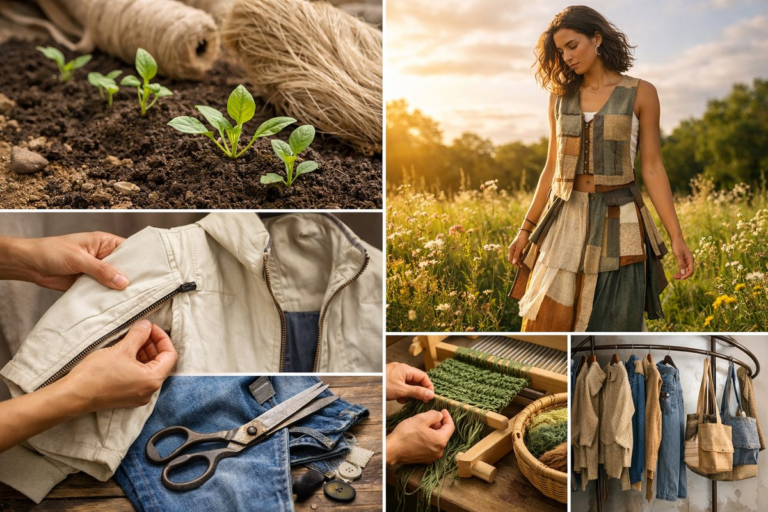
In recent years, fashion has transcended frivolity to become a vehicle for personal convictions. Conscious consumers are questioning the impact of their wardrobes, weaving environmental stewardship and social responsibility into every seam. This shift is more than a trend; it marks a movement toward styles that mirror individual ideals. From plant-based fibers grown in regenerative agriculture to artisanal workshops reviving centuries-old techniques, a burgeoning cohort of designers and makers are translating values into garments. With the rise of transparent supply chains and community-driven brands, the choices we make each morning signal more than aesthetic preference-they broadcast an ethos. Whether you’re drawn to the whisper of organic cotton or the gleam of accessories forged from recycled metals, the modern wardrobe is an evolving tapestry where fashion meets narrative.
At the heart of this evolution lie innovative textiles that challenge the status quo. Materials such as Tencel produced from sustainably harvested wood pulp, Piñatex derived from pineapple leaf fibers, and mushroom-based leathers are redefining what it means to be eco-friendly. These fibers boast lower water footprints and reduced chemical usage, all while delivering the softness and durability expected from premium fabrics. Designers are experimenting with blends that combine recycled polyester with post-industrial cotton scraps, diverting waste from landfills and giving it renewed purpose. Even biodegradable polyesters are emerging, designed to break down harmlessly at the end of a product’s lifecycle. Together, these breakthrough fabrics underscore a collective ambition: to foster a circular fashion economy that honors resources and minimizes environmental strain.
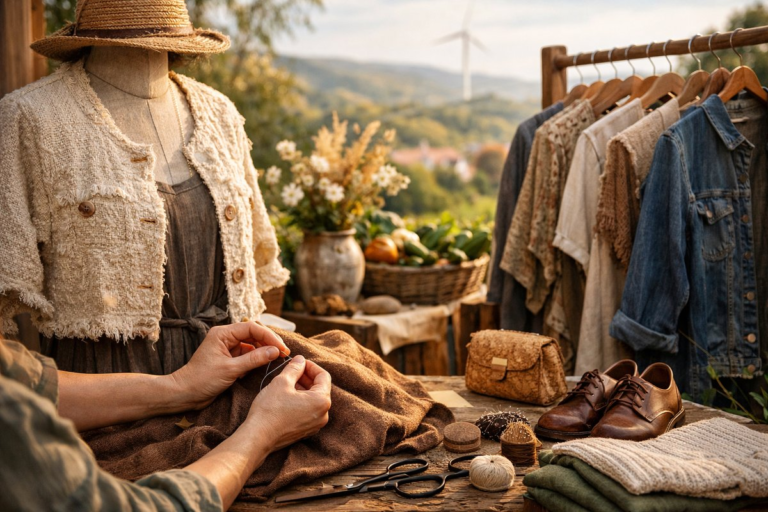
Beyond the fibers themselves, the artisanal processes behind sustainable fashion are gaining renewed appreciation. In small-knit cooperatives around the globe, weavers are reviving handloom traditions, producing fabric panels that carry the patina of human touch. Zero-waste pattern making techniques ensure that fabric cuts nest seamlessly, eschewing offcuts in favor of strategic layouts. Some ateliers employ digital nesting software to achieve near-perfect material utilization, while others patch contrasting scraps into patchwork silhouettes that celebrate imperfection. In regions where textile mills once dominated, local collectives now harvest raw materials, dye with botanical extracts, and stitch in open-air studios, prioritizing transparency at every step. These narratives imbue each garment with a backstory-one of community resilience, craft heritage, and mindful innovation-transforming clothing into living artifacts that link wearer to maker.
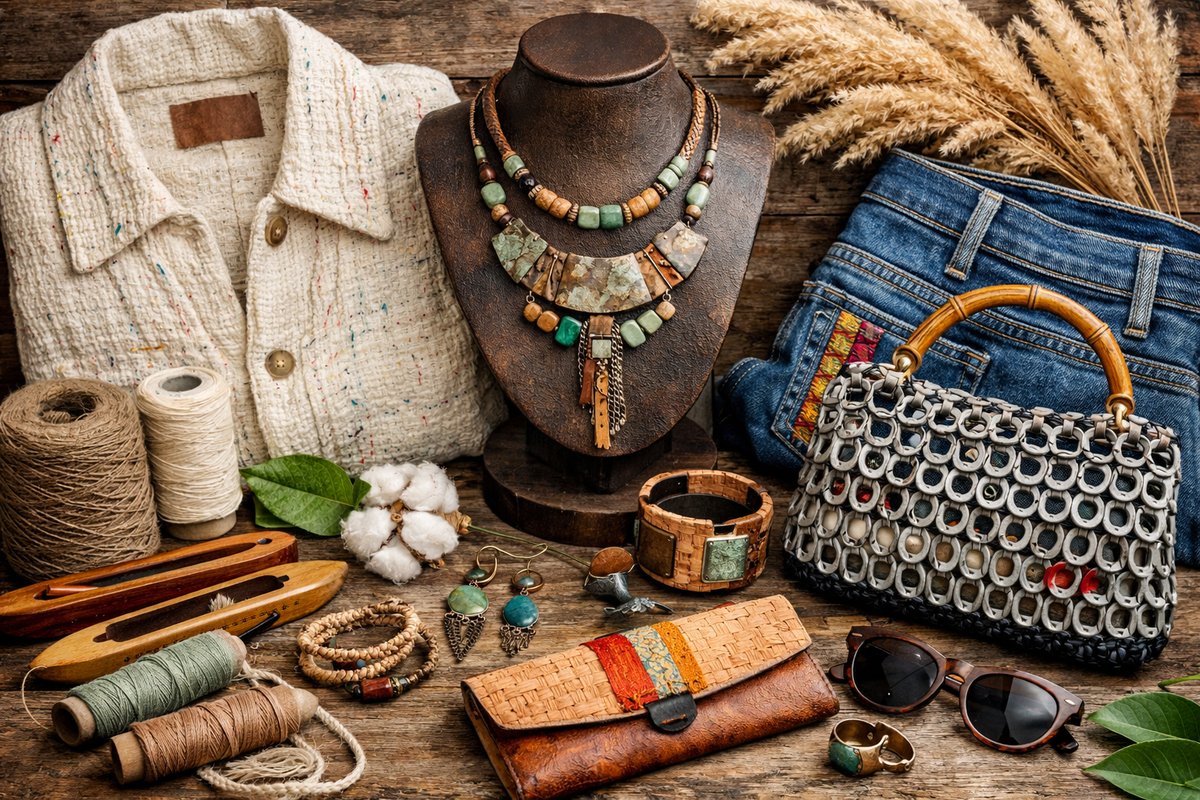
Complementing these conscientious fabrics are bold accessories that punctuate the sustainable ensemble. Statement necklaces fashioned from reclaimed metal tubing, hand-cast resin earrings flecked with dried flora, and belts woven from upcycled bicycle inner tubes all provide finishing touches that carry their own stories. Even the humble tote bag has been reimagined as a gallery of patchwork prints, screen-printed slogans, or reverse-appliquéd motifs. Colorful enamel pins, once relegated to denim jackets, now adorn lapels and woven hats, offering a wink to insider communities and causes. For those who favor minimalism, accessories crafted from single-origin wood or biodegradable bioplastics offer a sleek neutral anchor. With each accent piece, the wardrobe becomes a curated exhibit of personal values-whether environmental mindfulness, social justice, or artistic exploration.
The democratization of ethical fashion has also been accelerated by peer-to-peer platforms and rental services. Online marketplaces dedicated to pre-loved wardrobes invite consumers to trade garments, extending the life cycle of each item while fostering a network of shared style inspiration. Rental services specializing in occasion wear provide access to couture craftsmanship without the guilt of single-use purchases. Collaborative pop-up exchanges hosted in community hubs bring neighbors together to swap seasonal pieces, transforming thrift shopping into a festive social event. These models not only reduce the volume of new production but also reshape the relationship between owner and owned; a designer blouse becomes a participant in multiple narratives instead of languishing unworn in a closet. In this shared economy, sustainability thrives on circularity, and every transaction contributes to a collective narrative of resource stewardship.
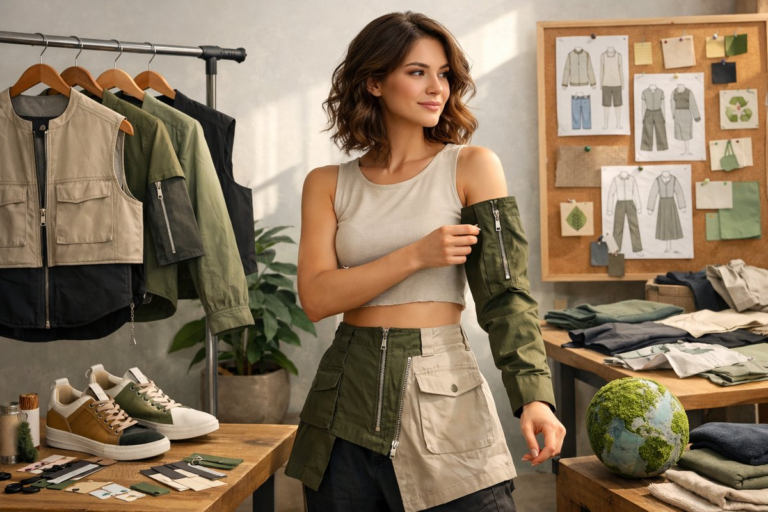
For the hands-on enthusiast, DIY fashion workshops and home customization are powerful ways to personalize sustainable garments. Botanical dye kits featuring pigments extracted from madder root, indigo leaves, and marigold petals enable home crafters to impart earthy hues onto cotton, linen, and silk canvases. Embroidery floss spun from organic fibers offers a tactile medium for adding freeform patterns or stitched affirmations. Upcycling old jeans into patchwork skirts, repurposing scarf ends into braided belts, or transforming vintage military jackets with handpainted motifs yield one-of-a-kind pieces that defy mass-produced uniformity. Virtual tutorials and community forums provide step-by-step guidance, while material swap events ensure a steady supply of rescued fabrics. Beyond aesthetics, these practices foster emotional attachment to clothing, encouraging wearers to care for garments as heirlooms rather than disposable commodities.
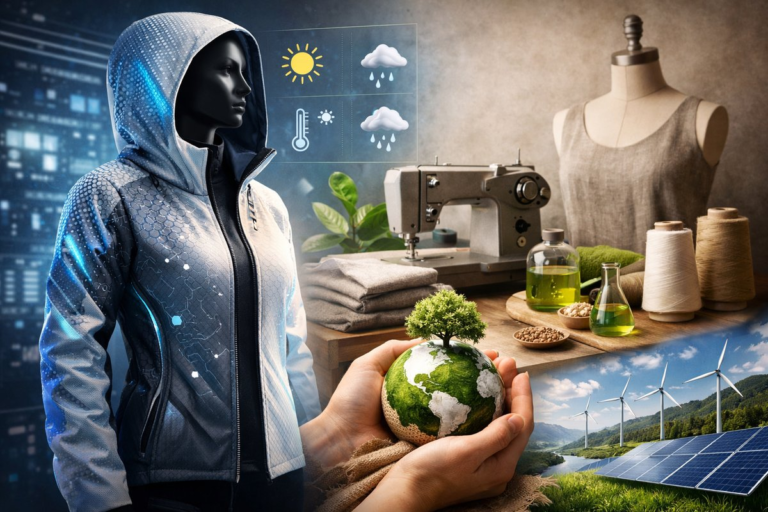
Tech innovations are further bridging the gap between sustainability and style. Computer-aided design (CAD) tools enable brands to simulate fabric drape and test fit digitally, reducing physical samples and shipping emissions. 3D printing, once confined to prototyping, is finding its way into jewelry and footwear, offering highly customizable shapes with minimal material waste. Smart labeling solutions powered by blockchain provide immutable provenance records, allowing consumers to trace a garment from raw material to retail shelf. Augmented reality apps let shoppers visualize how a piece integrates into their existing wardrobe before committing to purchase, cutting down on returns and associated carbon costs. Together, these technologies illustrate a future where ethical choices are seamlessly integrated into the shopping experience, empowering consumers with data-driven transparency.
While the sustainable fashion movement continues to gain momentum, its scale remains modest relative to fast fashion’s global reach. Industry analyses estimate that clothing production accounts for nearly 10 percent of global carbon emissions, and textile waste can exceed 90 million tons annually. Against this backdrop, even incremental improvements-such as adopting recycled fibers or instituting take-back programs-carry outsized impact. Brands pioneering regenerative agriculture for cotton cultivation or implementing closed-loop dyeing processes demonstrate that profitability and responsibility can coexist. Consumer surveys reveal that a growing segment is willing to invest more in pieces that align with personal values, particularly when provenance is clearly communicated. As awareness expands, demand for garments with transparent environmental and social credentials may well tip the scales toward a more balanced marketplace.
Despite positive strides, challenges persist. Sustainable materials often command premium prices, limiting accessibility for budget-conscious shoppers. Greenwashing-where brands exaggerate claims of eco-friendliness-sows confusion, making it difficult for consumers to discern genuine impact. Infrastructure gaps in recycling and composting can prevent garments from completing their intended life cycle. Additionally, there is a risk that new materials, such as certain bioplastics, may introduce unintended environmental trade-offs. Addressing these hurdles requires concerted efforts: policy frameworks supporting textile recycling, educational initiatives clarifying labeling standards, and collaborative research exploring novel fiber sources. By tackling systemic barriers alongside individual choices, the industry can cultivate an ecosystem where sustainable style is not a niche privilege but an attainable norm.
Inspiring case studies illustrate the profound intersections of creativity, technology, and social impact. In one coastal community, a collective of fishers and textile designers collaborate to upcycle discarded fishing nets into durable low-waste yarns, producing knitwear that weaves marine heritage into its very structure. Another urban startup partners with local growers to cultivate hemp using regenerative farming methods, transforming the stalks into linen-like fabrics that require minimal irrigation and chemical inputs. Across continents, virtual co-creation platforms enable crowdsourced design challenges, inviting everyday consumers to submit aesthetic concepts that brands then bring to life through ethical manufacturing. These pilot projects underscore a vital truth: sustainability is most potent when it is inclusive, spanning geographies, skill levels, and cultural narratives. Such initiatives not only reduce ecological burden but also empower communities, demonstrating that the values embedded in every garment can ripple outward in unexpected and transformative ways.
As the sun sets on conventional fashion paradigms, a new dawn emerges-one defined by intentional expression and collective responsibility. Every purchase now holds the potential to reinforce ethical supply chains or perpetuate exploitative practices. Yet the power rests in the hands of individuals, artisans, and innovators who dare to reimagine what clothing can be. From regenerative fiberfronts to experimental accessories forged from upcycled remnants, the future wardrobe celebrates diversity of material, technique, and voice. Embracing this ethos demands curiosity: a willingness to ask where fabrics originate, who crafts them, and how they will degrade when their journey ends. It calls for emotional intelligence, recognizing that the garments we choose to wear are more than surface adornments-they are statements of identity and allegiance. By centering sustainability, creativity, and authenticity, we thread together a narrative in which fashion becomes a force for ecological regeneration and human connection. When style and story intertwine, every piece we don becomes a testament to values above trend, and every step is a stride toward a more conscientious tomorrow.
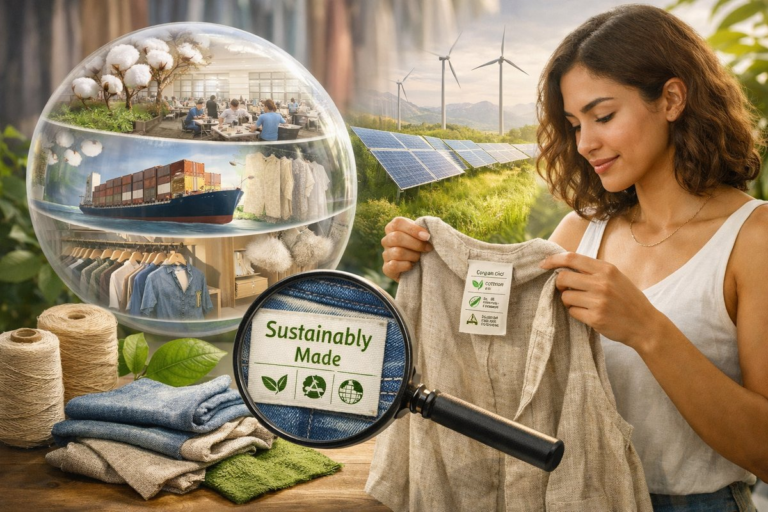
For those seeking to align their wardrobes with deeper convictions, the path forward is paved with choice and curiosity. Start by auditing your existing closet-identify pieces that embody quality and longevity, then consider donating or swapping items that no longer resonate. Experiment with natural dye techniques to refresh dated garments, or explore rental services for special events. When shopping, scrutinize brand transparency: look for certifications that verify organic cultivation, fair labor, or recycled content. Engage with local makers at craft fairs or online marketplaces that prioritize traceable supply chains. And most importantly, remember that style is inherently personal-a living canvas that evolves as your values deepen and contexts shift. By making mindful decisions at every turn, your wardrobe becomes more than a collection of outfits; it becomes an evolving manifesto of your beliefs.