Location
Mount Vernon, WA 98274

Location
Mount Vernon, WA 98274
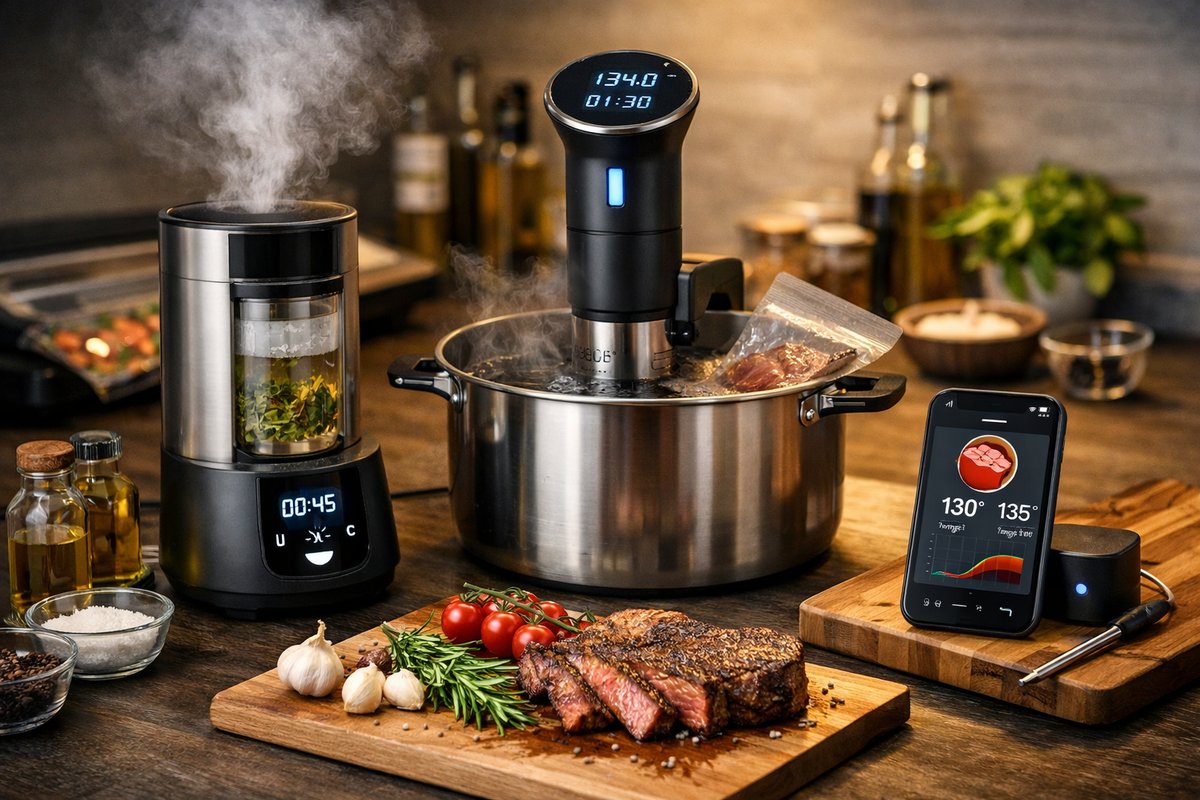
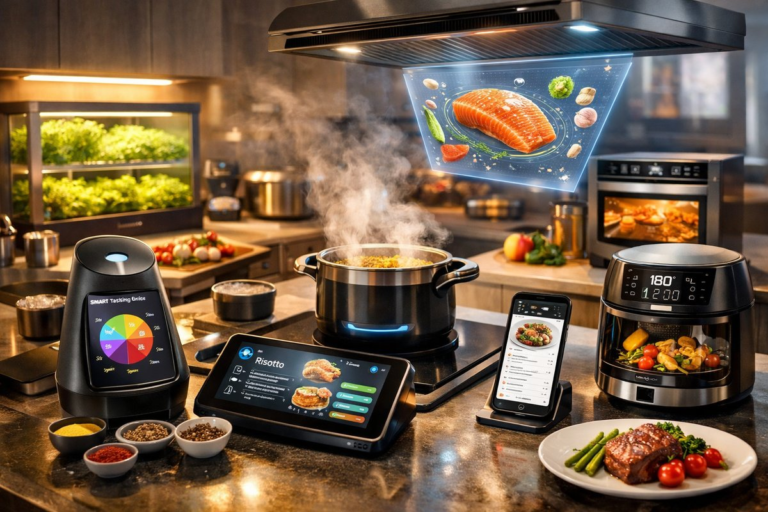
A quiet revolution is unfolding on home countertops as lab-grade tools-from ultrasonic infusers to networked temperature probes-democratize precision cooking. These technologies aren't just gadgets; they invite cooks of all levels to deepen their relationship with ingredients, transform flavor, and cultivate new culinary rituals.
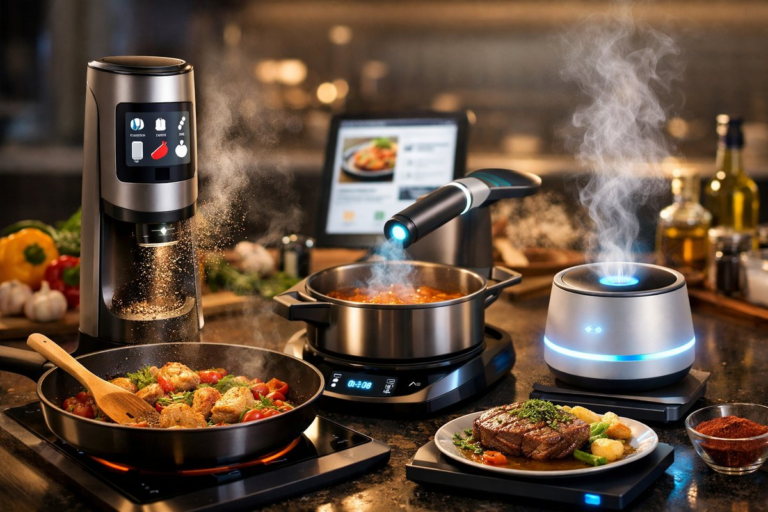
From the crackle of a searing steak to the gentle fizz of a freshly fermented tea blend, flavor has always been the heart of culinary adventure. In recent years, however, home cooks and professional chefs alike have witnessed a quiet revolution as new kitchen technologies transform not only the end result on the plate but also the way ingredients interact. Precision tools once reserved for research labs and industrial kitchens are now finding their way onto countertops, promising rapid infusions, flawless temperature control, and molecular insights that were inconceivable a decade ago. More than gadgets, these innovations challenge our assumptions about cooking rituals, inviting both beginner and veteran to explore flavors with newfound curiosity and confidence.
Among the most surprising breakthroughs is the rise of ultrasonic infusion devices. By generating high-frequency sound waves that create microscopic cavitation bubbles in liquids, these handheld tools accelerate the extraction of aromatic compounds from herbs, spices, and fruits. An infusion that once took hours of gentle heating now unfolds in minutes at room temperature, preserving volatile notes that would otherwise dissipate under heat. Imagine crafting a basil-mint oil for drizzling over roasted vegetables or an instantly bright citrus-pepper gin when friends arrive unannounced. Beyond cocktails and oils, cooks are experimenting with quick-soak marinades for proteins and flash-infused syrups for desserts. Ultrasonic infusion doesn’t replace traditional steeping; it amplifies it, turning patience into play.
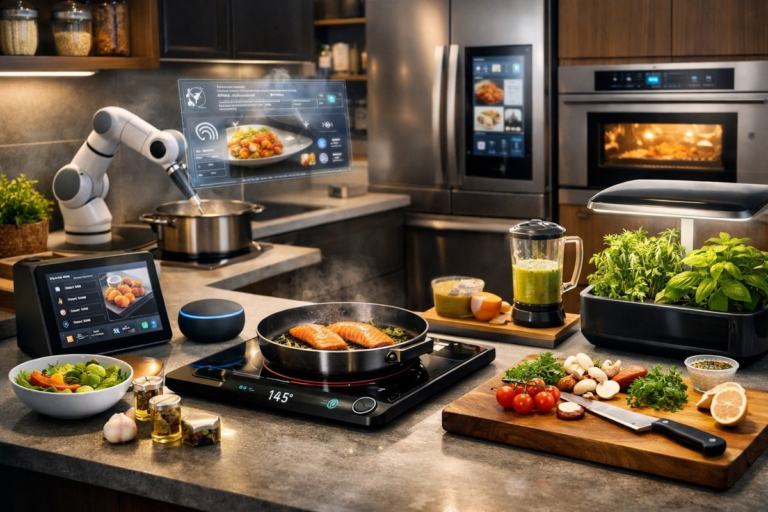
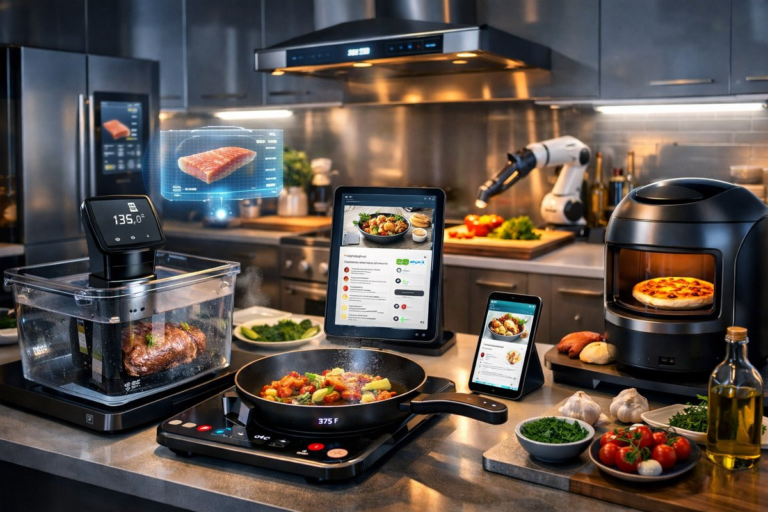
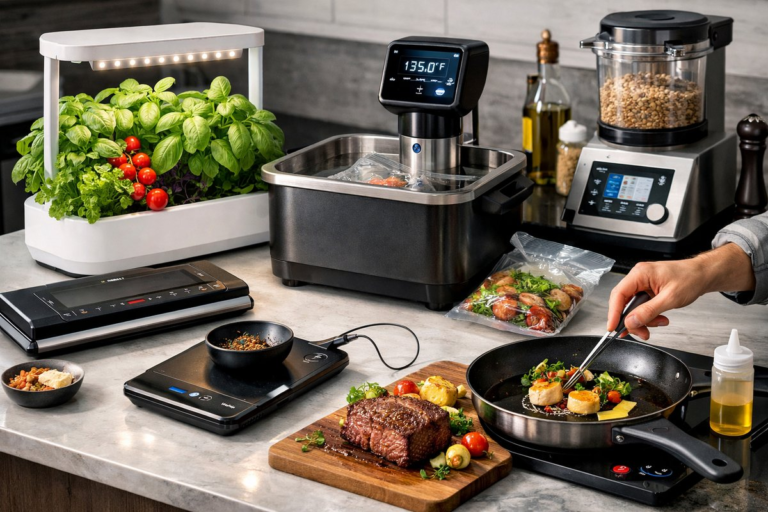
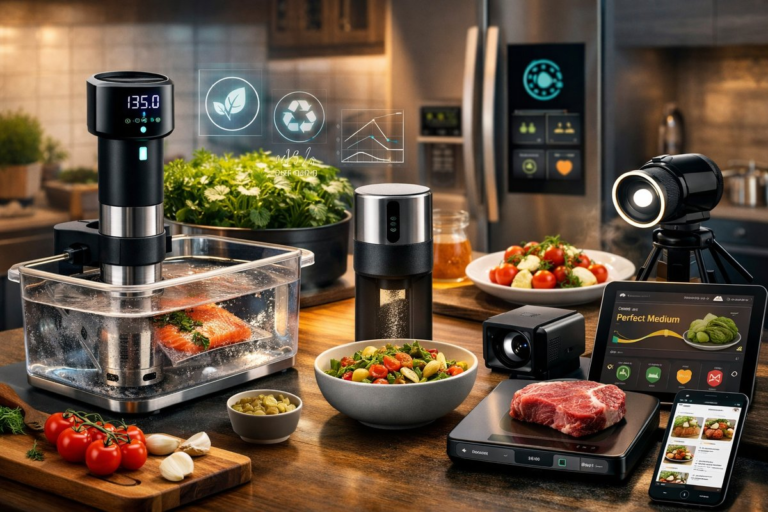
Precision temperature control has long been the domain of sous vide immersion circulators, but a new generation of smart sensors and probe thermometers is raising the bar. These compact devices slip into a steak, loaf of bread, or ambient soup and relay real-time data to a smartphone app. Advanced models even integrate with voice assistants or wireless home hubs, sounding a gentle chime at the exact moment a roast reaches its target internal temperature. Gone are the days of overcooked roasts or failed caramel stages; cooks gain a virtual sous-chef whispering guidance at each critical junction. For the experimental chef, the array of downloadable “temperature profiles” offers a palette of textures-medium-rare pull-away beef, custardy yolk-within-yolk eggs, or soft-set cheesecake without a single crack.
Meanwhile, programmable countertop ovens and AI-driven recipe assistants are bridging the gap between intuition and data. Some ovens now scan ingredient bar-codes to set default cooking curves, adjusting air circulation, humidity, and heat zones over the course of a bake. Others feature built-in cameras paired with cloud-based vision algorithms that recognize food items mid-cook, prompting stage-specific interventions like rotating trays or adjusting temperature for caramelization. Paired with recipe-suggestion platforms, these ovens preserve creativity while eliminating guesswork. The result is greater consistency across batches and more time to engage with plating, garnishes, and the social aspects of dining.
In the realm of form meets function, 3D food printers and desktop chocolate dispensers are pushing flavor exploration into sculptural territory. Early adopters are “printing” delicate lattices of vegetable-infused gels, protein-enriched bars, or custom chocolate shapes embossed with edible patterns. While barriers remain-cost, speed, and recipe optimization-this technology offers a vision of meals assembled layer by layer, each stratum delivering calibrated textures and tastes. For educators and enthusiasts, 3D printing turns meals into lessons in geometry, chemistry, and design. Imagine a geometry class where students taste the Pythagorean theorem in the form of a three-layered mousse cube or a biology lab where “cells” become hollow spheres of broth bursting on the tongue.
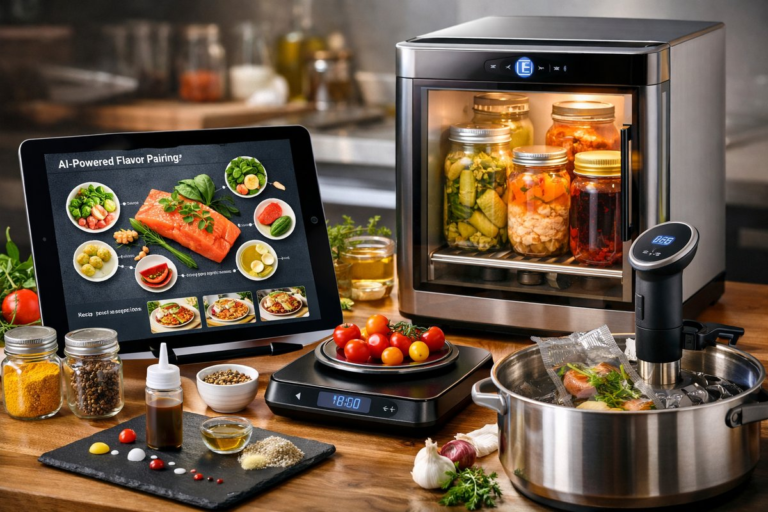
Fermentation has also entered the digital age. Countertop fermentation chambers with app-controlled temperature and humidity profiles are taking the guesswork out of artisanal kombucha, kimchi, and sourdough starters. By logging pH levels, CO₂ output, and ambient conditions, these devices guide users through multiple stages of a ferment, ensuring reproducible flavor bases for breads, condiments, and beverages. Beyond home kitchens, community co-ops and small-scale producers are using the same platforms to share culture templates-collaborative recipes that evolve with every batch. The communal aspect of fermentation gains new momentum when digital tools connect kitchens across cities and countries, creating a global archive of bacteria, yeasts, and flavor profiles.
Sustainability has become another frontier for kitchen tech. Smart composting bins equipped with sensors analyze moisture and temperature in real time, speeding up the breakdown of food scraps while emitting no odor. Vacuum sealers with adjustable oxygen-absorption modes keep spare ingredients fresh for weeks, cutting down on waste. Energy-efficient induction cooktops automatically shift to low-heat maintenance once a pan reaches a set temperature, trimming excess electricity use. In tandem, app-based meal-planning systems suggest recipes built around odds and ends in the fridge, ensuring nothing goes to waste. As cooks build these tools into daily routines, the kitchen becomes a model of resourcefulness rather than a source of disposable packaging and spoils.
For the scientifically curious, handheld spectrometers are now affordable enough to spot-check produce at farmers’ markets. These pocket devices use near-infrared light to analyze moisture, sugar content, and ripeness in fruits and vegetables without so much as scratching the skin. Coupled with a smartphone, users map flavor compounds across varieties of tomatoes, apples, or delicate greens. Armed with this data, communities of growers and chefs can dial in heirloom cultivars that promise specific aromatic profiles or textural contrasts. Imagine a farmer’s market stall where customers scan for sweetness scores before choosing a peach-a tactile, interactive experience that reinforces the bond between grower, cook, and diner.
Despite the marvels of digitized cooking, these technologies also shine a light on the power of ritual. The pulse of an ultrasonic bath, the soft glow of a fermenter, the buzz of an app notification-each invites pause, attention, and intentionality. In an era of ever-faster delivery services and ghost kitchens, these tools remind us that the kitchen can still be a space of curiosity, learning, and connection. Whether you’re adjusting the infusion time of a peppercorn-lime spirit or monitoring the bloom of a sourdough starter, technology doesn’t replace craftsmanship-it amplifies it.
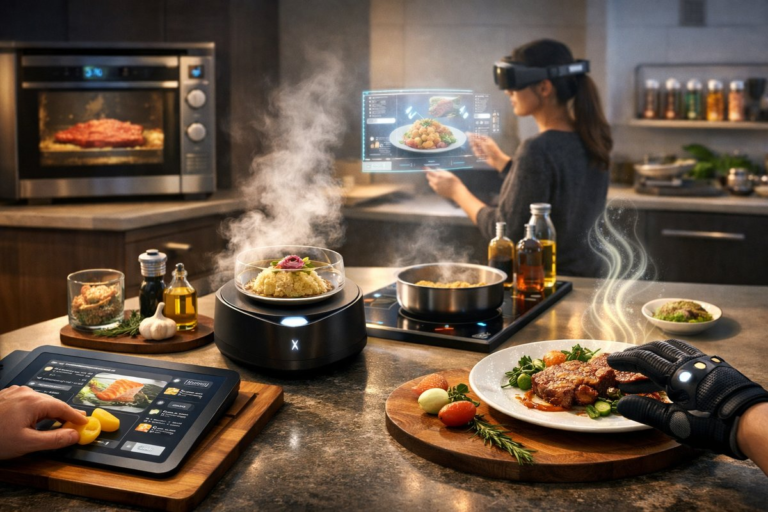
Looking ahead, the kitchen of tomorrow may blur even more boundaries between virtual and physical. Augmented reality overlays could project layering instructions onto cutting boards, while voice-guided robotics handle repetitive prep tasks. Yet at the core of every innovation lies the same fundamental urge: to coax richer flavors, deepen our understanding of ingredients, and forge more meaningful rituals around food. As these tools become more intuitive and accessible, each cook has an invitation to play, experiment, and rediscover the thrill of flavor adventure.