Location
Mount Vernon, WA 98274

Location
Mount Vernon, WA 98274
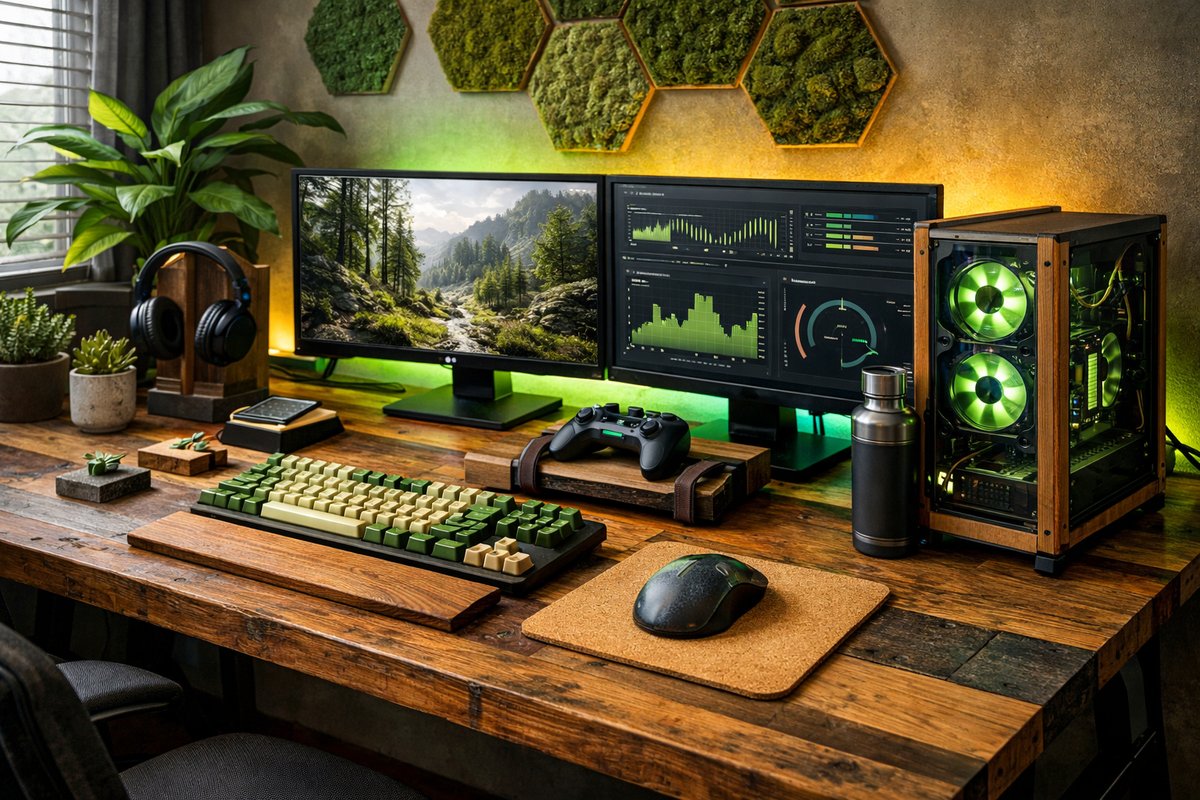
From desks built with reclaimed wood to biodegradable keycaps and dynamic lighting driven by player data, a new wave of sustainable, modular gaming gear is emerging. Designers and modders are rewriting the rulebook, proving that high performance and environmental responsibility can coexist at the heart of every immersive setup.
In living rooms and dedicated playrooms around the world, a quiet revolution is reshaping the way games are experienced. Gone are the days when flashy plastic peripherals and one-size-fits-all desks dominated the landscape. Instead, a growing community of designers, modders, and forward-thinking manufacturers is embracing sustainability and modularity, proving that high performance and environmental responsibility can be twins at the heart of any immersive setup.
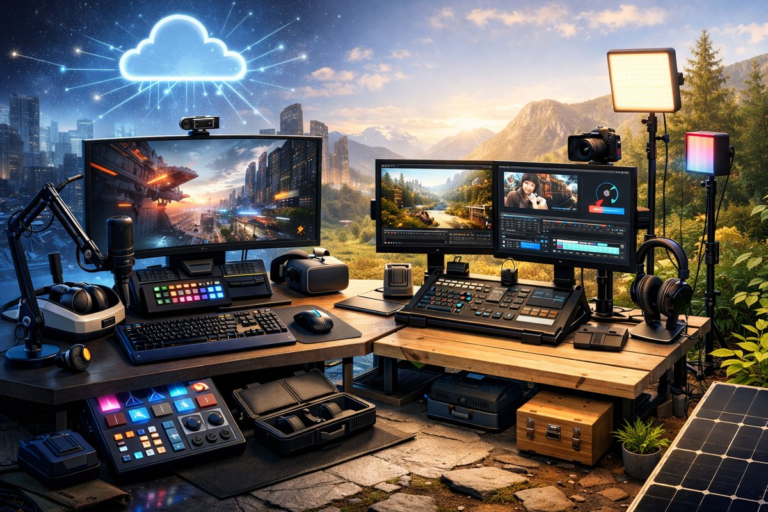
At a major immersive technology showcase earlier this year, attendees were greeted by installations built from reclaimed walnut, recycled aluminum, and even algae-based resins. One standout display featured a gaming desk crafted from upcycled hardwood panels sourced from decommissioned furniture, paired with hot-swappable LED light strips powered by recycled copper wiring. The result wasn’t just eye-catching-it underscored a shift in priorities. Players want gear that performs under marathon sessions yet minimizes environmental impact when it reaches end-of-life. This ethos has sparked a cottage industry of eco-minded kit, from biodegradable keycaps made of plant-based polymers to mice with shells grown from mycelium.
Modularity has also emerged as a guiding principle for the next generation of setups. Instead of shipping a fixed keyboard or headset, some brands now offer core platforms that players can customize on the fly. Imagine a desk surface punctuated by removable panels-one module houses a wireless charging pad, another features an integrated headphone stand, and a third conceals cable channels that snap in and out. When a new peripheral arrives or priorities change, the builder simply swaps out modules rather than discarding the entire unit. This approach extends gear lifespans and reduces waste, all while giving players the freedom to evolve their setup in line with the latest game releases or streaming demands.
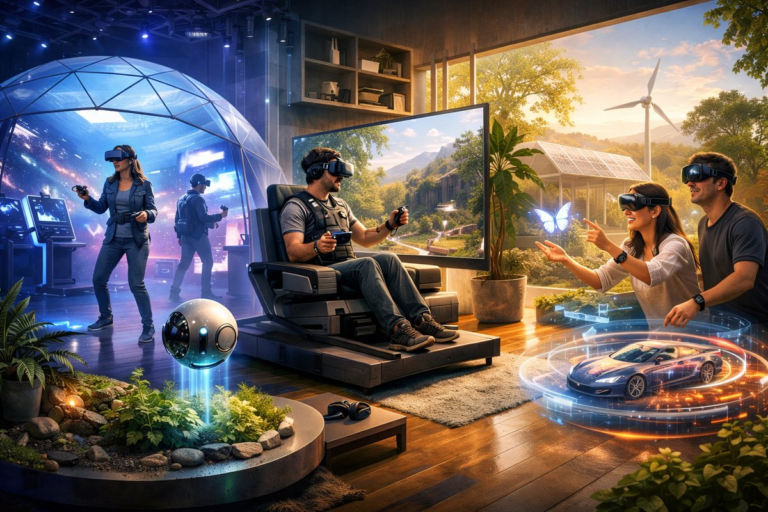
Lighting has always played a starring role in immersive play, but the newest systems do more than cycle through rainbow hues. Advanced software links LED strips and bias lighting to in-game events and even biometric data. When a player’s heart rate spikes during a tense encounter, warmer tones fade into deep reds, heightening the drama. During exploration phases, cooler blues and greens create a sense of calm. What’s novel is how these ecosystems are now being built with low-power LEDs and recycled plastics. In one crowd-funded project, an open-source controller board was designed to run entirely on surplus smartphone batteries, drastically cutting electricity draw for players conscious of their carbon footprint.
Ergonomics and focus remain top priorities in any high-end setup, and the latest solutions lean heavily into adjustability and personal comfort. Gas-spring monitor arms allow screens to hover in just the right position, reducing neck strain during marathon sessions. Standing desk converters made of bamboo laminates offer a lighter ecological footprint than traditional steel, while fold-away keyboard trays help create space when the day job ends and gaming begins. Wrist rests molded from natural latex foam and acoustic panels woven from recycled fabric also feature prominently, creating an environment that feels as soothing as it is performance-driven.
Audio innovation marches forward in tandem with these physical changes. Object-based sound systems and spatial audio engines are now common in both VR headsets and desktop speaker arrays, delivering pinpoint directional cues that can mean the difference between victory and defeat. The newest gaming headsets take this further by swapping out standard plastic earcups for shells made of biodegradable biopolymers, coupled with ear cushions crafted from plant-based memory foam. Even the headband padding can be replaced or upgraded without opening the entire unit, reinforcing the broader theme of longevity over planned obsolescence.
Underpinning this evolution is a blossoming maker culture that treats gaming setups as living projects rather than static purchases. Online communities trade 3D-printable desk mounts, share wiring diagrams for custom LED controllers, and co-develop open-source firmware for cutting-edge peripherals. Rather than waiting for big manufacturers to catch up, dedicated creators are prototyping tomorrow’s essentials today-and sharing every step of the process. This collaborative spirit carries echoes of classic modding scenes but now comes freighted with environmental awareness and a dedication to circular design principles.
Challenges remain on the road to mainstream adoption. Producing truly sustainable components often comes with higher upfront costs, and not every player has the space or technical know-how to tackle complex builds. Supply chains for recycled or bio-based materials can still be fragile, leading to delays or premium pricing. Yet as major electronics producers start to embrace repair-friendly models and publicly commit to reducing plastic waste, the path forward looks promising. Some retailers have even begun accepting worn-out gaming gear for recycling or trade-in credit, helping to close the loop and keep equipment out of landfills.
For gamers keen to reshape their own realms of play, the message is clear: performance need not come at the planet’s expense. Whether it’s swapping in a low-power LED controller, upgrading to a modular desk surface, or investing in a biodegradable switch kit for your mechanical keyboard, small steps can add up. As immersive worlds become ever more sophisticated, it’s fitting that the real-world gear powering them evolves too-toward setups that respect our environment, honor our well-being, and celebrate the joy of play as a craft in itself.
In this era of conscious creation, the next level isn’t just measured in frames per second or loading times. It’s defined by the choices that leave our footprints lighter and our experiences richer. For players building the ultimate sanctuary of focus and fun, sustainability and modularity are fast becoming the new power-ups.