Location
Mount Vernon, WA 98274

Location
Mount Vernon, WA 98274
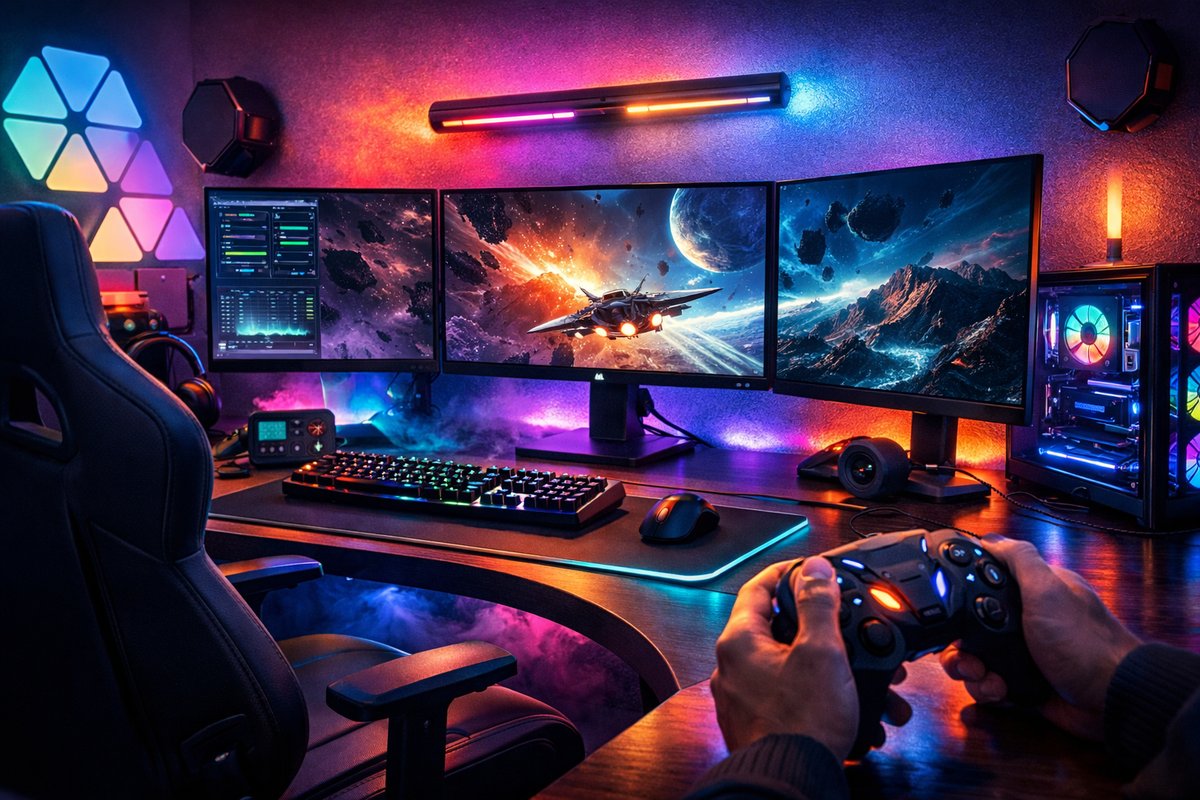
Transform your gaming space into a dynamic ecosystem that responds to your every move. From programmable ambient lighting to haptic feedback controllers, discover how an integrated setup can deepen focus, intensify immersion, and evolve alongside you.
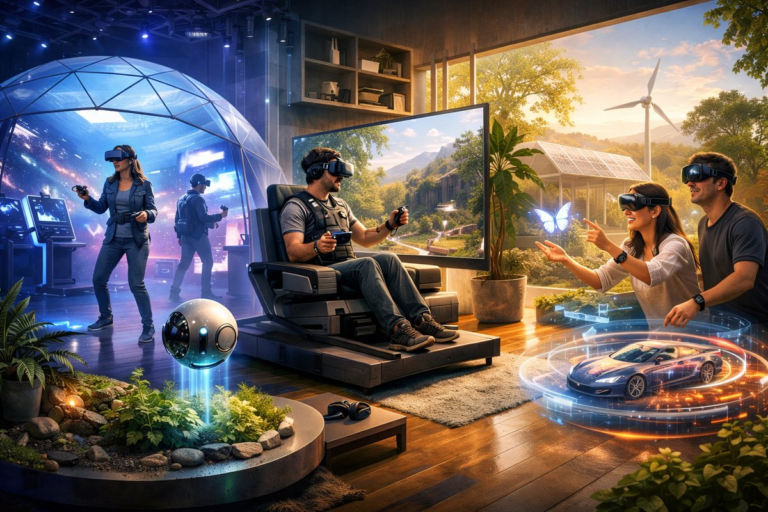
Gaming has evolved far beyond standard consoles and controllers-it’s become a living ecosystem that adapts, responds, and grows with each session. As developers push boundaries with procedural worlds and lifelike physics, players demand environments that match that depth. No longer is it enough to settle for a static desk and basic headset. Today’s most forward-thinking setups bring together adaptive lighting, modular hardware, dynamic haptics, and smart acoustics to create a holistic experience that blends seamlessly with the games themselves.
At the heart of an adaptive ecosystem is responsiveness. Imagine LED light panels programmed to pulse red when in firefights, glow green during exploration, then fade to calm blues in dialogue scenes-all synced in real time through in-game events. These panels wrap around your monitor or wall, shifting hue and brightness without manual input. Behind the scenes, an AI engine analyzes game audio and screen data, translating patterns into color codes that keep you immersed without breaking flow.
Connectivity is key. A modern setup links gear via a single software hub, giving you drag-and-drop control over triggers, macros, and environmental responses. Want your mechanical keyboard’s RGB zones to mirror health bars? Or your speakers to subtly shift directional audio when enemies flank you? A unified dashboard ties together lighting arrays, audio profiles, and controller inputs so you can sculpt your ideal ambience in minutes.
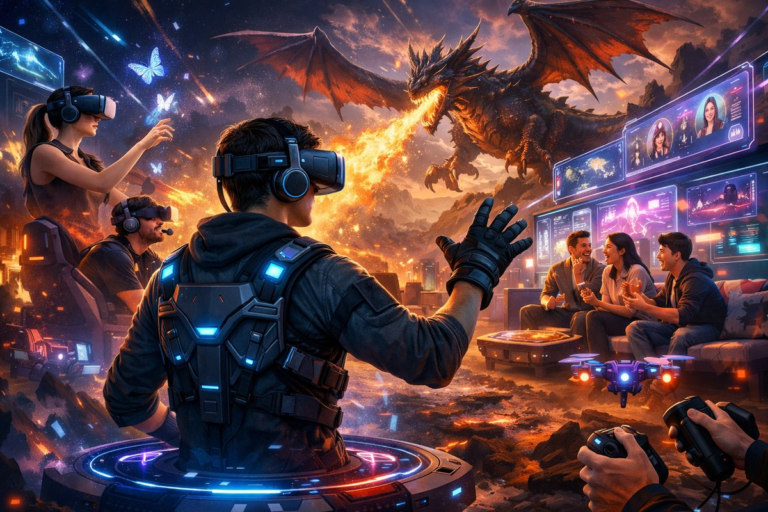
Haptic feedback is another frontier. Vibrating controllers have been around, but advanced haptic gloves and vests bring whole new dimensions to touch. Haptic gloves use an array of micro-actuators along fingertips and knuckles, simulating tension when pulling a bowstring or the recoil of a weapon. A layered vest can provide localized pulses for environmental effects-a bass-heavy quake trembling your chest, or the thump of boots on metal grating. This level of feedback rewires your brain’s connection to game physics, boosting both immersion and reaction times.
Rigidity has no place in this vision. Modular desks with adjustable monitor arms and sliding accessory mounts let you reposition screens, microphones, and controllers on the fly. Swap out a racing wheel cradle for a flight yoke with ease. Attach a second monitor arm when you dive into creative streaming, then retract it for a minimalistic solo session. Cable channels built into the desk’s frame keep every wire tucked away, preserving a clean aesthetic while preventing snags during intense play.
Smart audio completes the picture. Traditional headphones still deliver pinpoint accuracy, but multi-speaker spatial arrays can fill your room with directional sound without sweat-soaked ears. Compact speaker pods mounted above and to the sides of your monitor create an enveloping soundstage, calibrated through software to match your seat position. A separate digital signal processor can then adjust equalization on the fly-elevating footsteps in stealth games, deepening ambient rumble in horror, or flattening levels for competitive play.
Customization goes beyond hardware. Companion mobile apps allow you to toggle profiles from your pocket. Jumping into a racing sim? Tap a ‘track day’ button that lowers desk height, crates a focused lighting scheme, switches audio to high-bass mode, and loads your wheel calibration. Pausing to chat on stream? A swipe switches to a neutral white light, mutes game audio, and brings up a push-to-talk overlay on your keyboard. These automated sequences let you stay in the zone rather than fumbling through settings.
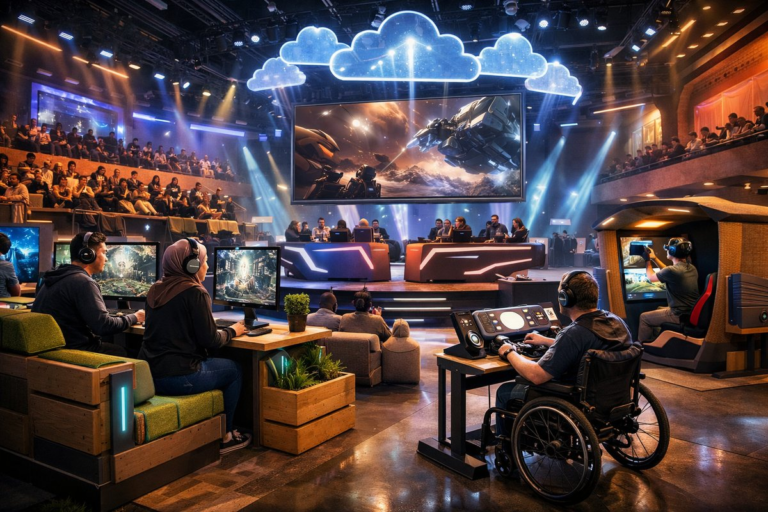
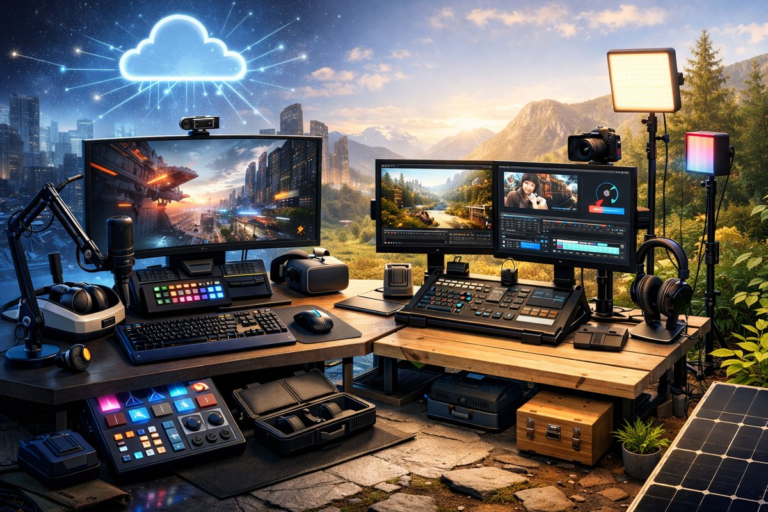
Integration with streaming services adds social fuel. Chat overlays can trigger ambient reactions-a burst of confetti-white LED flashes when you hit a subscriber milestone, or red pulses on donations. Some systems even let viewers control limited aspects of your environment-toggling a color filter or triggering a vibration burst in your chair. This two-way play transforms passive viewers into active participants, deepening the emotional bond and adding unpredictability to your broadcast.
Sustainability is rising in importance, too. Gear manufacturers are exploring recycled plastics, modular circuitry, and openly documented firmware to extend every device’s life. Replaceable keycaps, snap-in lighting modules, and upgradable haptic actuators keep you from tossing the whole peripheral when a single element fails. This repair-friendly approach fights e-waste and lets you scale your ecosystem gradually, without costly all-in upgrades.
Designing your ecosystem starts with a space audit. Measure desk footprint and wall real estate, note speaker positions, and map out cable routes. From there, select core zones: primary play area, secondary controls, and ambient lighting perimeter. Define how you want each zone to respond-color changes, motorized adjustments, or audio shifts-and match them with compatible hardware. Look for products that adhere to open-API standards or share a common dashboard, so future additions slip in without friction.
Next, tackle ergonomics. A dynamic gaming chair with multi-axis recline, adjustable lumbar support, and removable headrest lets you find the perfect posture across marathon streams and competitive ladders alike. Pair it with a desk mount that lets you hoist your keyboard up during creative work, then drop it down for rapid-fire play. Proper alignment reduces fatigue and keeps your reflexes sharp when every millisecond counts.
Bringing it all together, a polished software suite acts as your conductor. Layer triggers and events to choreograph lighting, haptics, and audio. Store presets for different game genres or moods. Refine and remix as you evolve-your ecosystem is never truly finished. Keep an eye on firmware updates and community-created profiles that introduce fresh lighting modes or haptic patterns inspired by recent releases.
The result? A personalized universe that responds to your actions, nourishes your focus, and scales with every technological leap. Whether you’re exploring alien planets, building vast empires, or battling in esports arenas, an adaptive gaming ecosystem turns passive play into a symphony of sight, sound, and sensation. In a world where comfort and immersion go hand in hand, investing in responsive gear isn’t just an upgrade-it’s the new standard for serious play.