Location
Mount Vernon, WA 98274

Location
Mount Vernon, WA 98274
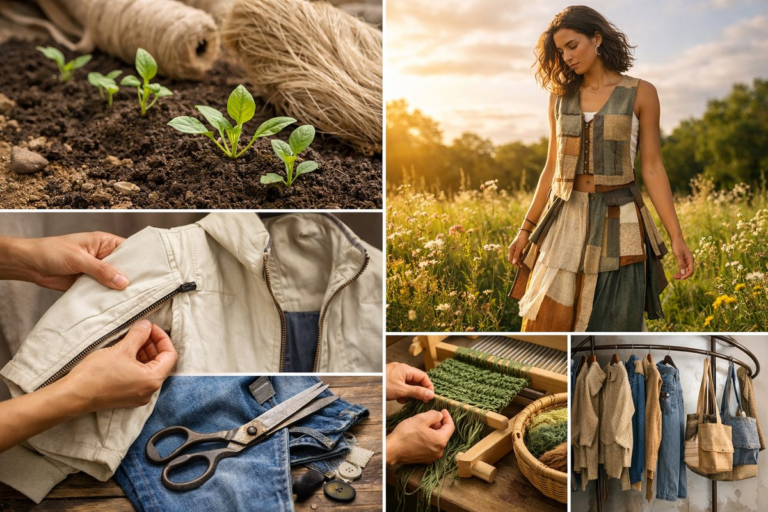
A new wave of designers and consumers is redefining style through the lens of ethics and ecology. From innovative plant-based textiles to accessories crafted from reclaimed waste, this movement shows how every garment can tell a story of purpose, craftsmanship, and conscious choices.
Fashion has always been a canvas for personal expression, but a growing chorus of voices is coloring that canvas with deeper meaning. Beyond mere silhouette and hue, today’s wardrobes are evolving into narratives of sustainability and social responsibility. As shoppers demand transparency and brands rise to the challenge, the industry is undergoing an unprecedented shift: garments are no longer just clothing, they’re statements of conviction.
At the heart of this transformation lies a revolution in fabrics. Traditional cotton fields and petroleum-based synthetics are giving way to regenerative hemp farms and novel cellulose fibers. Organic cotton remains a cornerstone, its appeal rooted in lower water consumption and pesticide-free cultivation. Tencel, a lyocell fiber derived from sustainably harvested wood pulp, offers a silky feel and closed-loop manufacturing process that recovers over 99 percent of the solvents used. Hemp, once the backbone of utility textiles, is experiencing a renaissance as designers discover its breathability, durability, and minimal environmental footprint. Each yard of these textiles carries the promise of a cleaner ecosystem and a garment free from harsh chemicals against the skin.
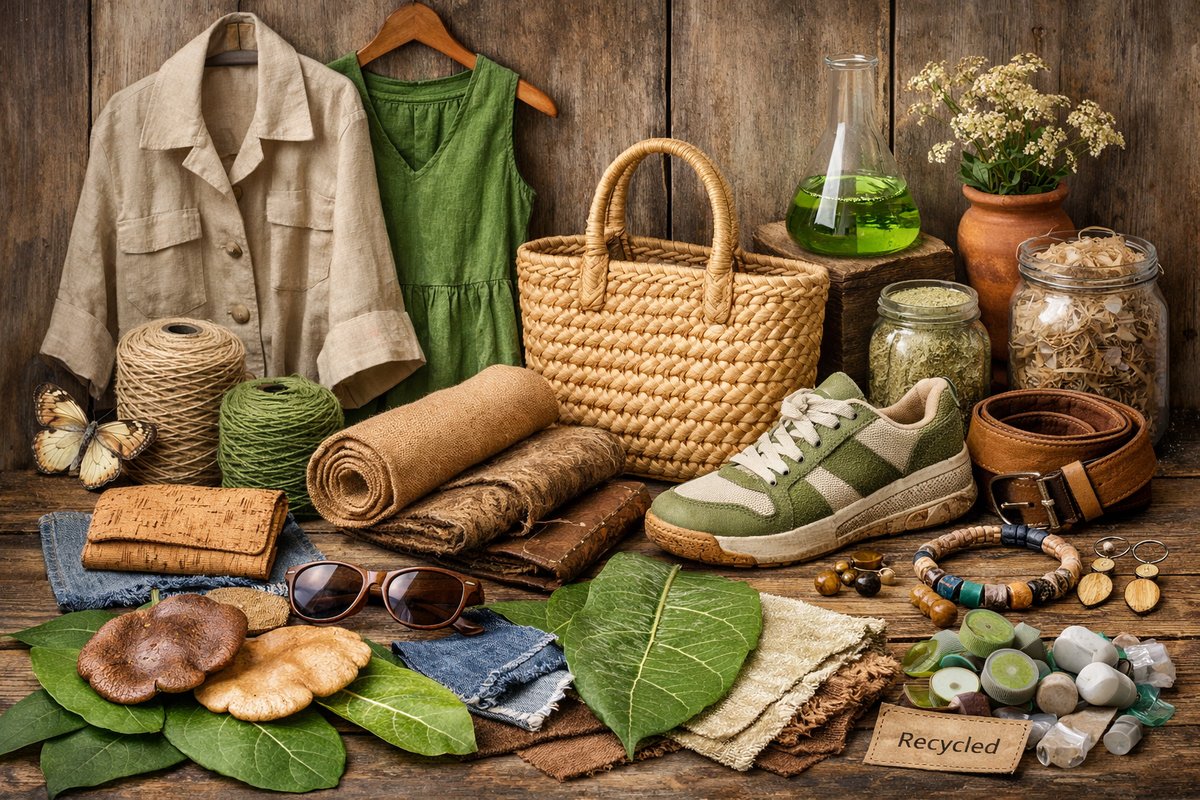
Innovation doesn’t stop at plants. The rise of next-generation alternatives-Piñatex made from pineapple leaf waste, Mylo grown from mycelium, and lab-cultivated silk-creates a palette of textures once reserved for luxury leathers and fine fabrics. Piñatex offers a grainy, supple surface perfect for handbags or ankle boots, while mycelium leather mimics the press-and-stretch qualities of animal hides without the ethical baggage. Even silk, long synonymous with sericulture, is being produced via precision fermentation: microbes powered by sugar engage in a biological process to yield a shimmering fiber without silkworms. These breakthroughs underscore an emerging principle: style can flourish in harmony with ecological ethics.
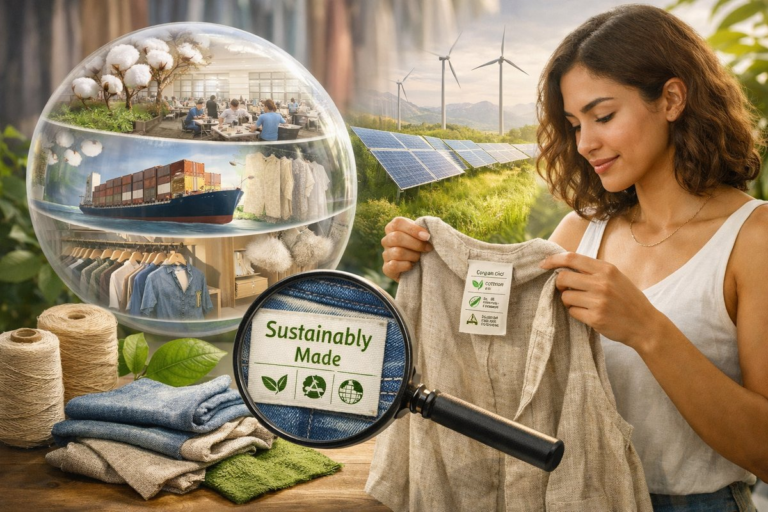
In tandem with material innovation, supply chain transparency is stepping into the spotlight. Blockchain and QR-code initiatives allow shoppers to trace a garment’s journey from seed to stitch. Scanning a tag can reveal the name of the farm that grew the cotton, the chemist who prepared the dye, and the artisan who sewed the seams. This kind of traceability fosters trust and accountability. Brands that share these details expose their processes to the light of public scrutiny, inspiring them to uphold higher labor standards and environmental protocols.
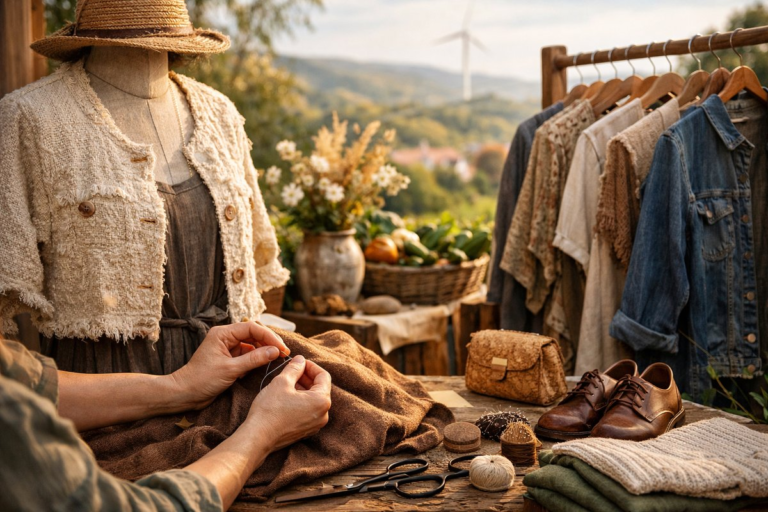
A circular economy is no longer theoretical; it’s inching toward the mainstream. Clothing rental platforms, repair pop-ups at local markets, and thriving resale apps extend a garment’s lifecycle beyond the first owner. Instead of consigning a barely worn jacket to a landfill, users can list it on secondhand marketplaces or send it back to be refurbished and reintroduced. Upcycling workshops empower communities to cut patterns from colorful scraps, sewing them into patchwork outerwear or bespoke tote bags with zero waste. This shift from linear “take-make-dispose” models to closed-loop systems eases pressure on landfills and prompts designers to imagine garments without expiration dates.
While fibers tell one part of the story, accessories write the next chapter in bold strokes. Statement jewelry crafted from reclaimed plastic, ocean-gathered glass, or driftwood transforms discarded detritus into wearable art. Vegan leather belts made from cactus, apple peels, or recycled car tires illustrate how waste can become wonder. Hand-woven baskets and beadwork from indigenous artisan cooperatives celebrate heritage skills while generating fair income opportunities. These distinctive accents serve as visual anchors in an ensemble, inviting conversation about provenance and purpose. Each necklace or clutch becomes a micro-essay in sustainable ingenuity.
Consumers themselves are the protagonists of this fashion tale. Younger generations, in particular, are articulating a desire for authenticity and alignment with personal values. They scan labels for certifications like GOTS (Global Organic Textile Standard) and Fair Trade, read up on brand commitments to carbon neutrality, and scrutinize packaging for recyclable materials. This generation is bridging the gap between intention and action-voting with their wallets to support companies that aim for zero waste, ethical wages, and reduced carbon footprints. In doing so, they propel the entire industry toward greater accountability.
Yet challenges persist. Sustainable fabrics can carry higher price tags due to smaller production scales and more labor-intensive processes. Greenwashing remains a persistent pitfall, as some companies appropriate eco-buzzwords without real commitment to environmental stewardship. Third-party certifications offer guardrails, but they are not foolproof. Buyers must remain vigilant, cross-referencing claims with independent reviews and community feedback. Meanwhile, scaling up responsible practices requires investment in specialized equipment, new manufacturing protocols, and workforce training. Stakeholders from farm to factory must collaborate to ensure that ethical fashion is both accessible and scalable.
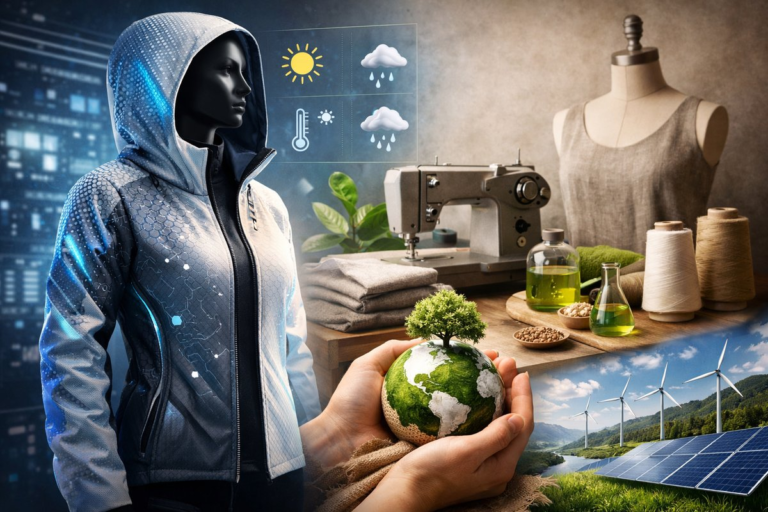
Looking ahead, the intersection of fashion and technology promises further evolution. 3D knitting machines can produce complex apparel pieces with minimal yarn waste. Digital design tools serve small-batch artisans with global reach. Even the rise of AI-driven textile formulas accelerates R&D for low-impact dyes and high-performance botanical blends. On the ground, grassroots networks of makers are popping up in urban workshops, sharing open-source patterns for modular garments that adapt to changing bodies and climates. Far from a fad, this convergence of craft, community, and code points to a future where consumers co-create their wardrobes alongside designers.
Ultimately, curating a mindful wardrobe means rethinking not just what we wear, but why we wear it. A well-chosen piece can spark a conversation about climate justice or human rights. A thoughtfully accessorized look can celebrate cultural heritage or highlight circular-economy innovations. When fabric and philosophy intertwine, fashion transcends mere aesthetics. It becomes a vessel for values, a stage for storytelling, and an invitation to step into a more conscious, connected world.
As you sift through your closet and consider your next purchase, remember that every thread carries weight. Seek out pieces that honor both people and planet-from farmer to factory to final stitch. Celebrate designers who experiment with forgotten fibers and amplify indigenous craftsmanship. Choose accessories that sparkle with the promise of regeneration. In doing so, you won’t just wear a label-you’ll wear your convictions on your sleeve.