Location
Mount Vernon, WA 98274

Location
Mount Vernon, WA 98274
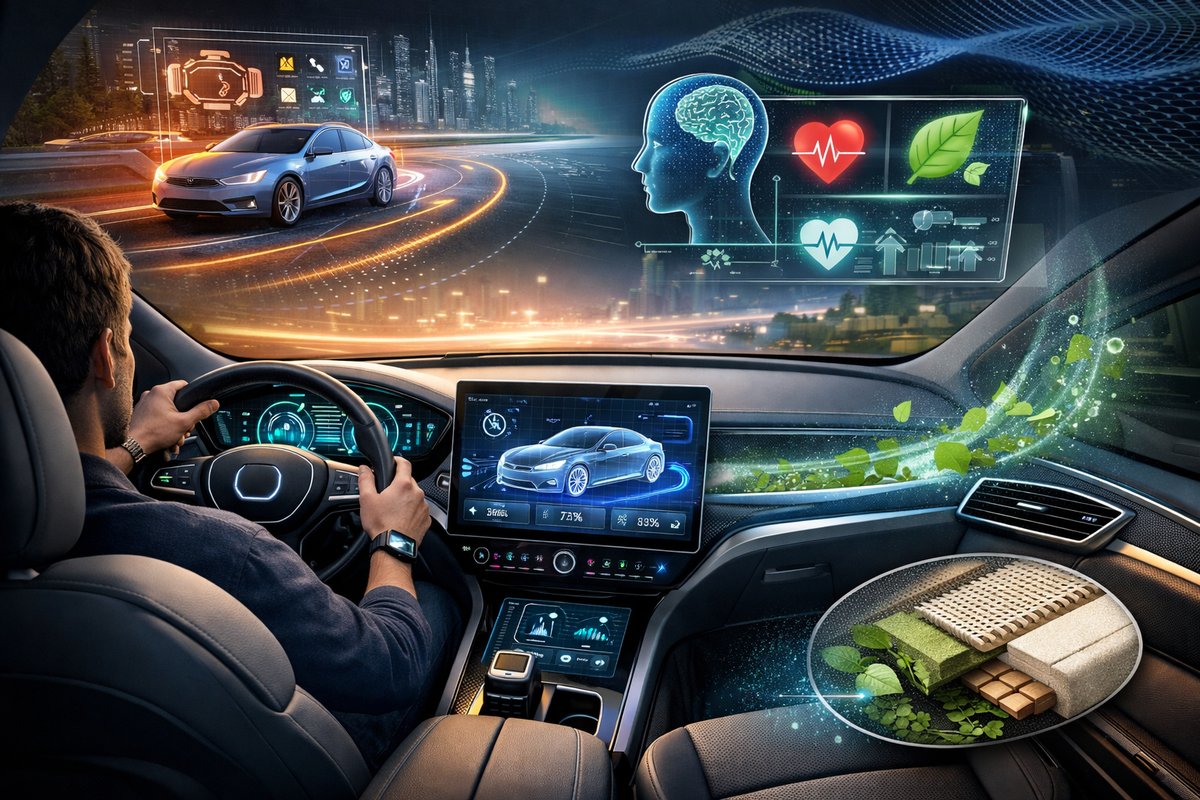
From sensors that learn our driving habits to cockpit environments tuned for comfort and health, the latest wave of automotive tech bridges past journeys and future possibilities. Discover how predictive diagnostics, in-cabin air monitors, and advanced materials are transforming every ride into a personalized, sustainable experience.
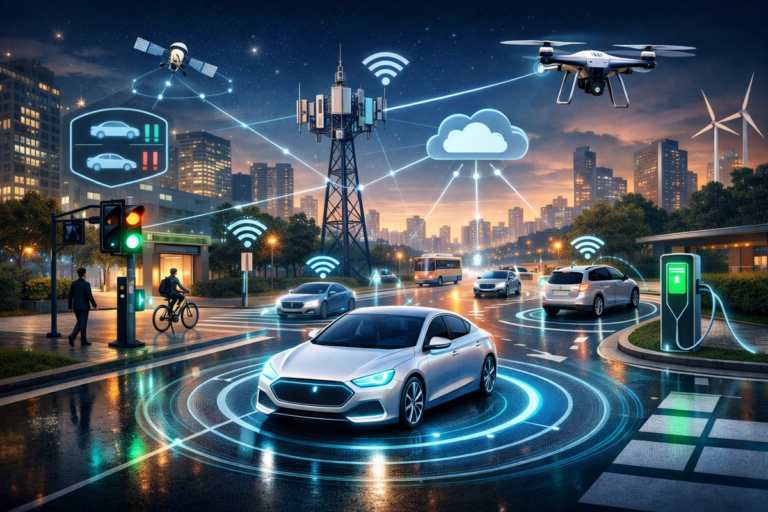
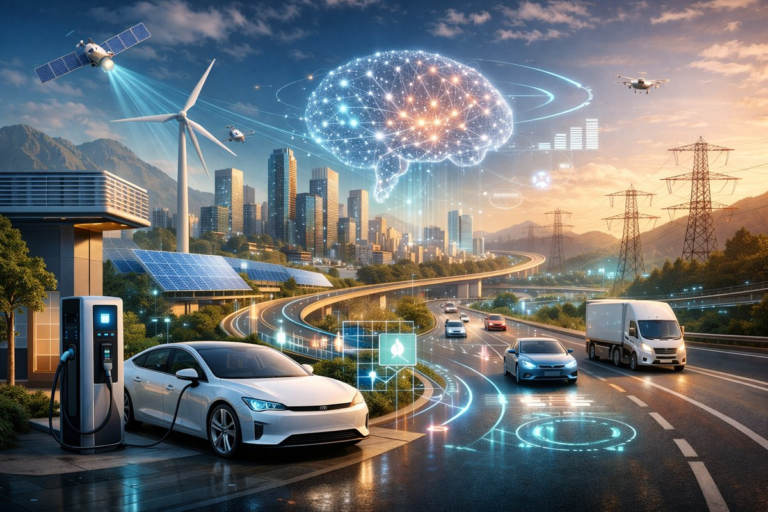
The automobile has always carried more than passengers: it has borne our memories, hopes, and the promise of new horizons. Today’s vehicles stand at the confluence of motion and memory-fusing artificial intelligence, advanced sensors, and eco-friendly materials to deliver experiences once confined to science fiction. As connectivity expands and sustainability becomes paramount, cars are evolving into mobile sanctuaries that learn from our habits, anticipate our needs, and tread lightly on the planet.
Imagine stepping into a cabin that intuitively adjusts temperature, lighting, and sound based on your last drive. Behind the scenes, an AI engine analyzes your preferred climate settings, seat position, and audio choices, ensuring every journey begins with a personalized welcome. Embedded motion sensors distinguish between a morning commute and an evening road trip, subtly shifting the cabin’s ambiance-bright and invigorating as you head to work, soothing and warm when you’re winding down after sunset.
Connectivity is the backbone of this transformation. Over-the-air software updates keep control units fresh with new features and security patches. A Bluetooth OBD-II diagnostic adapter lets you monitor engine health from your smartphone, translating cryptic fault codes into clear maintenance reminders. When a looming issue is detected-a drop in coolant pressure or a subtle misfire-you receive a notification and can schedule service before a small problem becomes a costly breakdown.
Drivers are also embracing dual-lens dash cameras that record both interior and exterior views. These devices double as safety aids-capturing blind-spot movement, alerting you to tailgaters, and even using computer vision to detect lane departures. In case of an unexpected collision, footage can clarify fault and streamline insurance claims. When paired with cloud connectivity, key clips can be uploaded automatically for review or shared with loved ones to confirm safe arrivals.
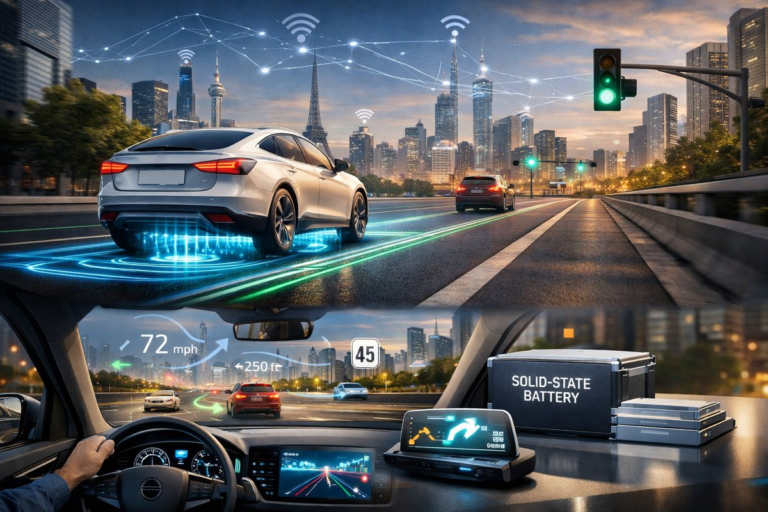
Long gone are the days of clunky screens and endless button clusters. Touch-sensitive panels and haptic controls now streamline interaction, while heads-up displays project vital information directly onto the windshield. GPS navigation, real-time traffic data, and upcoming charging station locations float within your line of sight, keeping your eyes on the road. Even voice-activated assistants have grown more conversational-answering queries about weather, local points of interest, or your vehicle’s tire pressure without forcing you to joggle a touchscreen.
Beyond the cockpit, vehicles are taking cues from nature to reduce environmental impact. Bioplastic composites, harvested from recycled plant fibers, reinforce interior panels and seat frames, slashing reliance on petroleum-based materials. Open-cell foam made from algae extracts replaces conventional polyurethane, cutting carbon footprints in manufacturing. Solar-infused roof panels contribute trickle charging to auxiliary systems, extending battery range in electric models by reclaiming energy from sunlight.
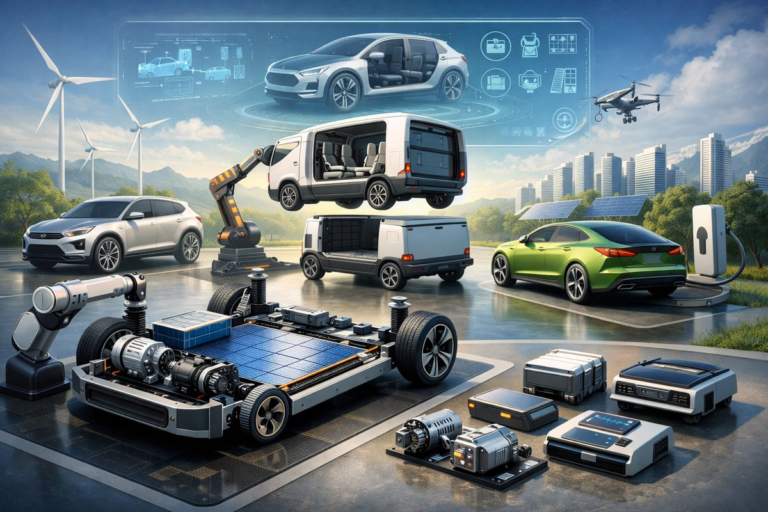
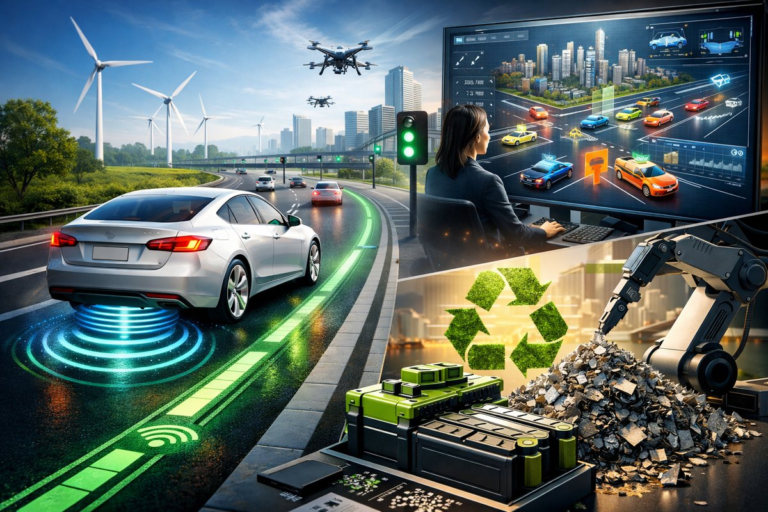
Under the skin, next-generation battery packs prioritize safety and longevity. Modular cell designs allow quick replacement of individual modules, streamlining repair after degradation or damage. A central battery management system continuously balances voltage levels, preventing hotspots that can shorten pack life. Advanced thermal regulation circulates coolant through micro-channels bonded to each cell, keeping temperatures even during spirited driving or extreme weather.
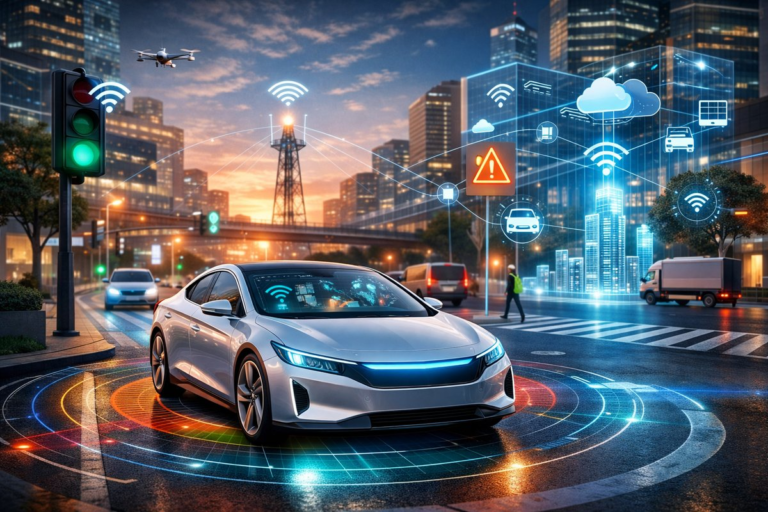
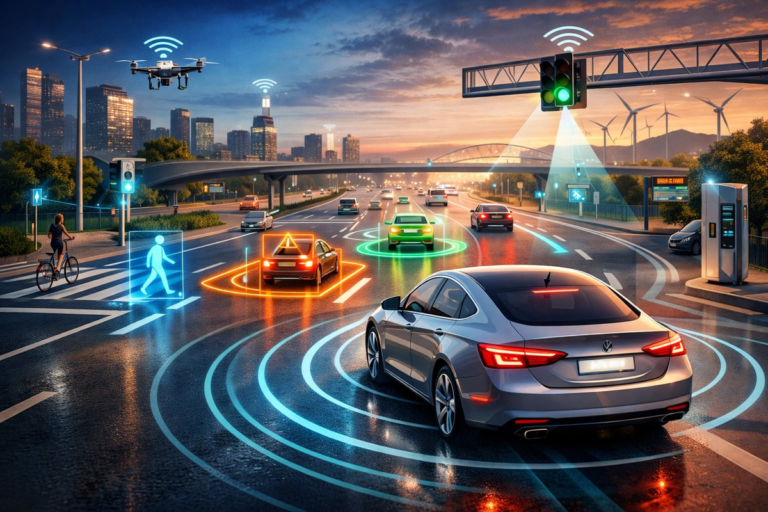
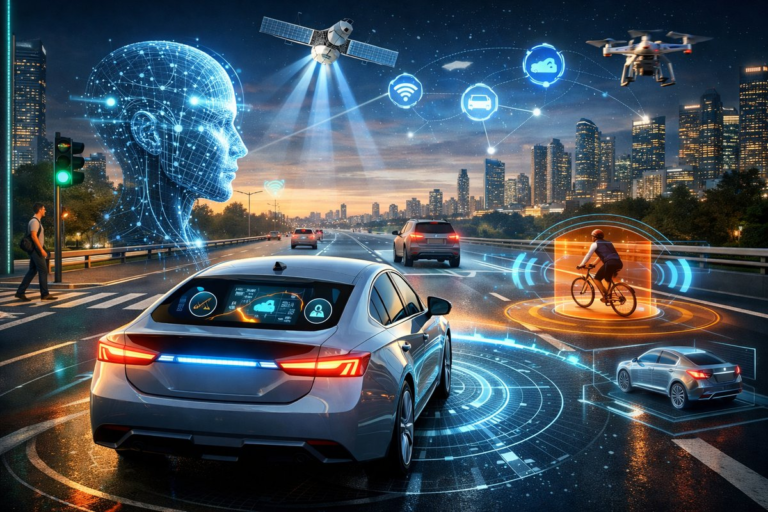
On the road, semi-autonomous features are blurring the lines between human and machine control. Adaptive cruise control can now follow curves in the road rather than simply maintaining distance, while lane-centering assists help reduce steering effort on highways. When sensors detect stationary vehicles or sudden obstacles, automated braking systems intervene, cushioning potential crashes. Behind these capabilities lie sensor fusion networks-LIDAR, radar, and cameras working in concert to build a 360-degree awareness of the vehicle’s surroundings.
Motion capture within the cabin adds another layer of safety and personalization. A small array of infrared cameras tracks driver posture and eyelid movement, sending alerts if signs of drowsiness appear. Passengers, too, benefit from gesture recognition-adjusting audio volume or switching climate modes with a simple wave. These intuitive controls reduce distractions, helping the driver focus on the road.
The digital twin concept is gaining traction off-road as well. High-resolution terrain maps, accumulated over thousands of journeys, feed machine-learning models that predict traction conditions and suspension needs. Electric off-roaders can dynamically adjust torque distribution between wheels, tackling rocky passes and muddy ruts with unprecedented agility. When you approach a river crossing or steep incline, the vehicle’s neural network advises you on tire pressure settings and optimal line choice, transforming risky terrain into planned adventure.
In fleet operations, predictive maintenance scales from the individual driver to entire transport companies. Telematics platforms aggregate data from every vehicle in service-engine temperatures, brake pad thickness, battery health-and forecast maintenance intervals weeks in advance. Downtime shrinks, costs drop, and safety improves as repairs are performed under planned conditions rather than after costly failures.
Yet as cars become smarter and materials greener, questions of privacy and data security intensify. Automakers are adopting end-to-end encryption for vehicle-to-cloud communications, ensuring that personal travel histories and diagnostic details remain confidential. User-controlled data vaults let drivers decide which metrics to share-prioritizing transparency over opaque tracking. The goal is a trust-driven ecosystem where innovation does not come at the cost of personal autonomy.
Beyond utility, there’s still room for magic. Augmented reality mirrors can resurrect classic rearview aesthetics or project nostalgic landscapes from past road trips, weaving memory into every glance. Cabin lighting can mimic sunset hues, instantly transporting you to that favorite coastal drive or mountain pass. Even seat vibrations can sync with your favorite music, transforming each turn into a multisensory performance.
As we accelerate toward a future where vehicles are as much companions as conveyances, the boundary between machine and memory blurs. Every road learned, every climate preference recorded, every diagnostic tweak feeds an evolving digital portrait of our journeys. In this landscape of continuous feedback loops, cars grow more attuned to individual needs, more respectful of the environment, and more capable of turning ordinary commutes into stories worth remembering.
Whether you’re a gearhead fascinated by the latest LIDAR modules or a daily driver seeking comfort and reliability, the convergence of connectivity, AI, and sustainable materials offers something for everyone. Soon, our vehicles will not just carry us physically, but carry our histories-preserving the traces of every winding highway and punctuated pit stop. In doing so, they promise to guide us toward horizons we’ve only just begun to imagine.