Location
Mount Vernon, WA 98274

Location
Mount Vernon, WA 98274
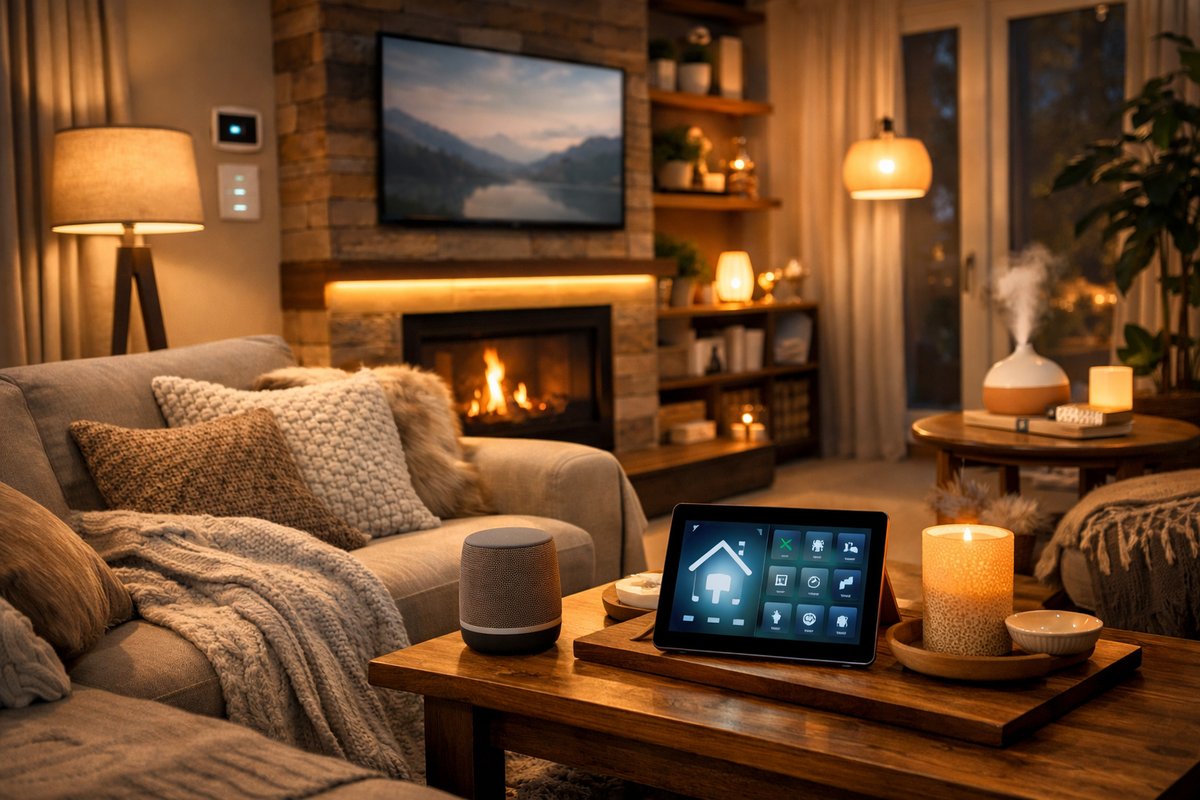
Transforming a living area into a sanctuary requires more than one-off gadgets or plush throws. By choosing upgrades that blend automation with tactile comfort, homeowners can create environments that are both intuitive and inviting. This article explores practical strategies and product recommendations to harmonize technology with layered textiles and ambient accents.
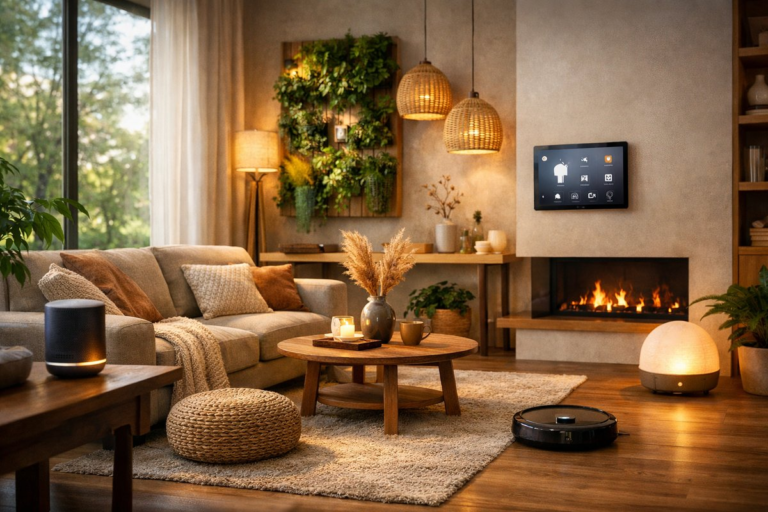
Designing a home that feels effortlessly welcoming while running seamlessly on modern conveniences has become a central pursuit for today’s homeowners. Rather than piling on devices or draping every surface in fabric, the most successful interiors weave together intentional smart upgrades with carefully chosen cozy elements. The result is a living space that anticipates your needs, encourages relaxation, and reflects a thoughtful approach to materials, technology, and daily rituals.
The foundation of this approach lies in assessing how you naturally interact with your home. Do you reach for a lamp switch before settling into an armchair? Would you like music to greet you in the morning as you make coffee? By mapping your routines, you can identify friction points where a subtle automation could save seconds but free up mental space. For example, motion-activated lighting in hallways or under kitchen cabinets reduces fumbling for switches after a late-night snack. Strategically placed smart plugs can power lamps, fans, or diffusers on schedules that sync with your wake-up and wind-down routines.
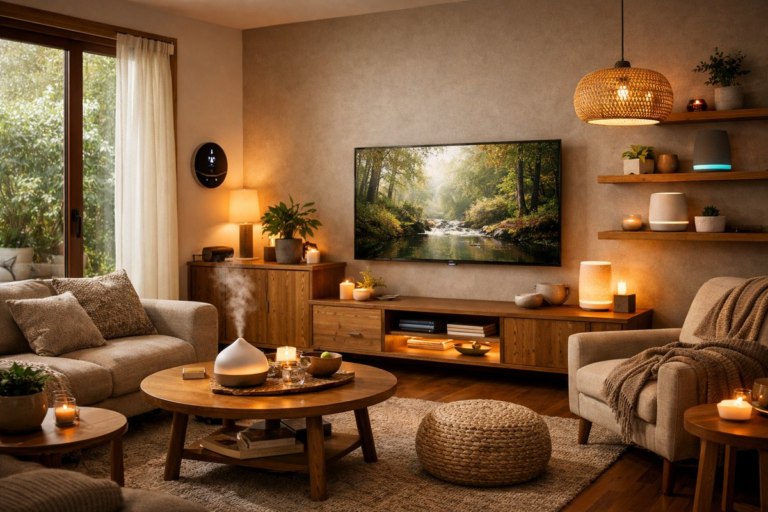
Once the tech layer is in place, it’s time to consider texture and atmosphere. Smooth glass touchpanels and polished metal sensors can feel cold if they stand alone. Counteract that with natural-fiber rugs, woven throws, and soft sheepskin pillows that invite you to linger. Textiles not only cushion joints and dampen noise; they bring an emotional ease that gadgets alone cannot provide. Layered rugs in complementary tones can delineate distinct zones in an open floor plan-from a cushioned gathering spot around the coffee table to a reading nook with a plush chaise lounge.
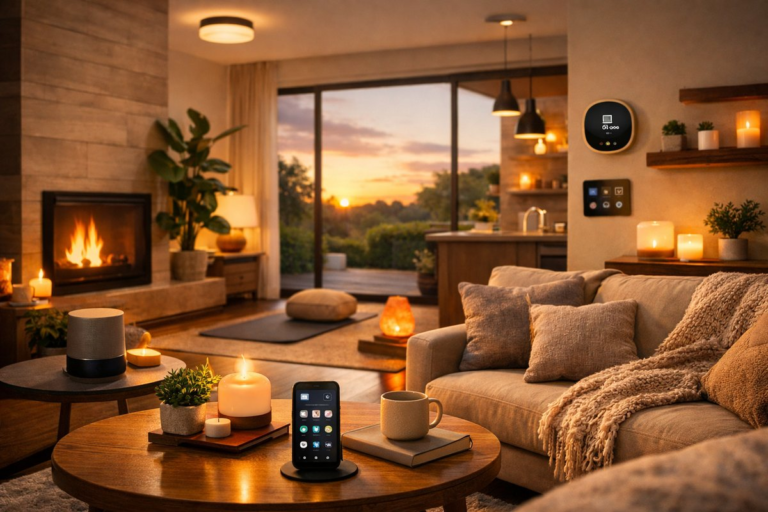
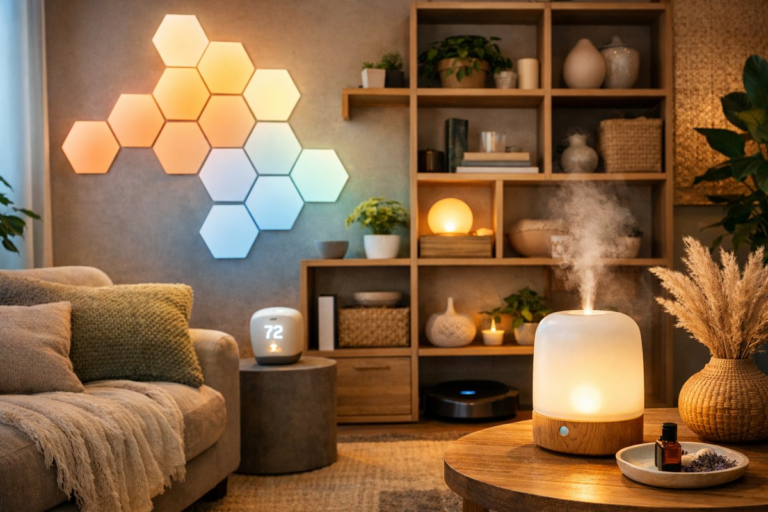
Ambient lighting plays a pivotal role in knitting together smart features and comfort items. Instead of a single overhead fixture, design a multi-point lighting scheme that includes wall sconces, table lamps, and smart color-tunable bulbs. Warm white tones at low brightness promote relaxation in the evening, while cooler, more vibrant settings can energize at task areas or during home workouts. With smart bulbs linked to voice commands or smartphone apps, you can orchestrate lighting scenes that shift throughout the day, reducing eye strain and heightening mood.
For homeowners who entertain or work from home, sound management can be as vital as light control. Compact wireless speakers tucked into shelves or built into ceilings provide immersive audio without dominating the décor. Pair them with acoustical wall panels or decorative fabric art panels to tame echoes and create a balanced sonic environment. This dual strategy-technology for delivery and soft materials for absorption-elevates movie nights and conference calls alike.
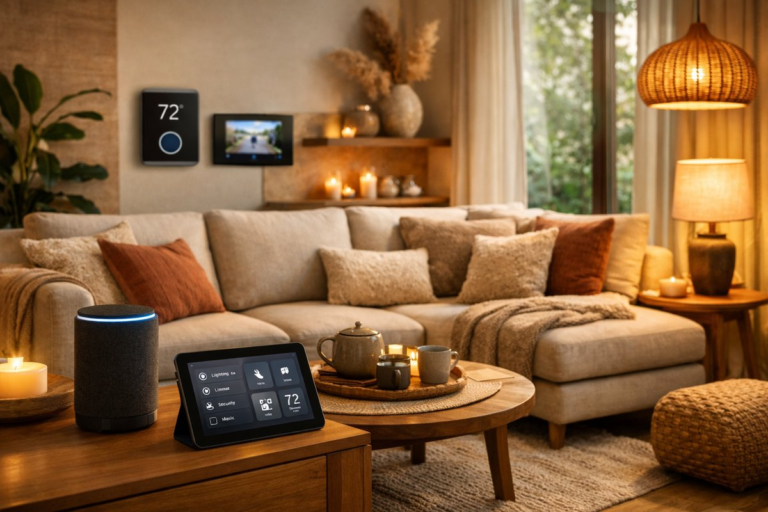
Temperature control is another domain where intentional upgrades shine. Programmable thermostats learn heating and cooling patterns, ensuring rooms are always at a welcoming temperature. Combine that with smart ceiling fans or bladeless desk fans in home offices. When paired with a plush throw or a weighted blanket, you gain the flexibility to fine-tune your personal microclimate without sacrificing style. Layering textiles-think breezy linen curtains over blackout shades-adds insulation and privacy, while the curtain fabric introduces another tactile dimension.
Storage and organization can further bridge the gap between smart design and comfort. Modular shelving with integrated LED strips highlights favorite décor pieces while keeping clutter hidden behind doors or in baskets. Sleek charging docks embedded into console tables eliminate tabletop tangles. Floating nightstands with wireless charging surfaces let you rest your phone on a soft cork tray rather than against tabletop scraps.
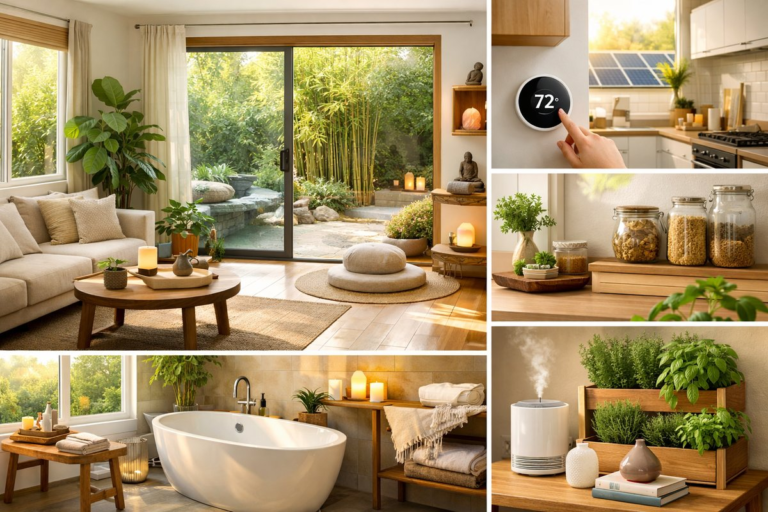
In the kitchen, intentional living means merging automated convenience with sensory pleasures. A smart faucet can dispense filtered water at a preset temperature, while a voice-activated assistant queues up recipe instructions or sets multiple timers. Yet there’s room for warmth: hand-woven cotton dish towels, a stone mortar and pestle for grinding fresh spices, and reclaimed wood cutting boards that patina over years of use. A tactile salt cellar or mortar offers a ritualistic pause amid the efficiency of induction cooktops and automated coffee grinders.
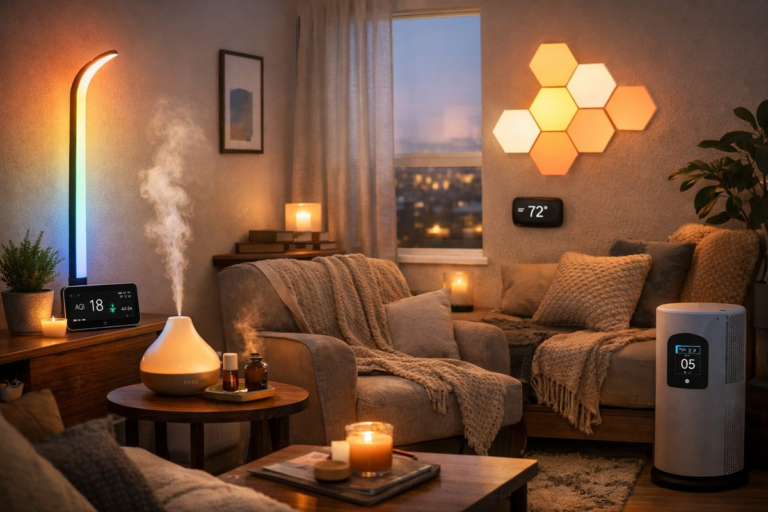
Bathrooms often receive only a handful of tech upgrades-heated floors, digital shower controls-but pairing those with natural stone soap dishes, teak bath mats, and plush waffle-weave towels transforms the daily routine into a spa-inspired retreat. A motion-sensing mirror lighted by a ring of soft LEDs ensures even makeup application without harsh glare. Meanwhile, bamboo or eucalyptus candles deliver a gentle fragrance that complements white noise machines or smart diffusers.
Moving outdoors, decks and patios can evolve from seasonal afterthoughts to year-round extensions of the living room. Automated awnings retract on hot afternoons, while infrared patio heaters activate at dusk. Layered seating with water-resistant cushions invites guests to linger long after sunset. Accent strings of weatherproof bulbs create a festive overhead canopy, and solar-powered lanterns cast a warm glow in corners where power outlets are scarce.
Elevating any space also means valuing sustainability and mindfulness. Choose energy-efficient smart devices certified by independent labs, and favor textiles made from natural, renewable fibers. When shopping for rugs or upholstery fabrics, look for zero-toxin dyes and eco-friendly tanning methods for leather or suede accents. Biodegradable cleaning pouches for robotic vacuums and refillable mist sprayers for air diffusers reduce single-use plastic waste, too.
Balancing the tangible with the virtual, minimalism with maximal warmth, offers a blueprint for homes that feel alive yet orderly. Setting up automated blinds that close at sunset, for example, can be paired with a handmade ceramic vase on the sill, holding seasonal blooms or preserved grasses. This interplay of craft, texture, and systemized functionality creates a curated tableau where every element has purpose and placement.
When it comes to personalization, resist the impulse to chase the latest gadget trend for its own sake. Instead, identify genuine pain points-cold draughts, hard chairs, challenging clutters-and seek solutions that enhance comfort or simplify tasks. A smart sous-vide cooker may delight cooking enthusiasts, but so will a beautifully weighted chef’s knife with an ergonomic handle. Both deserve consideration in a thoughtfully designed home.
Finally, embrace an iterative mindset. Start with one or two smart upgrades-perhaps an app-enabled thermostat and a color-tunable floor lamp-and observe how they reshape daily routines and moods. Next, layer on textiles that mirror your color palette and tactile preferences: a cashmere throw, a loop-pile area rug, or velvet bolster pillows. Over weeks and months, yours will become not just a house fitted with devices, but a cohesive habitat reflecting attention to detail, harmony, and heartfelt living.
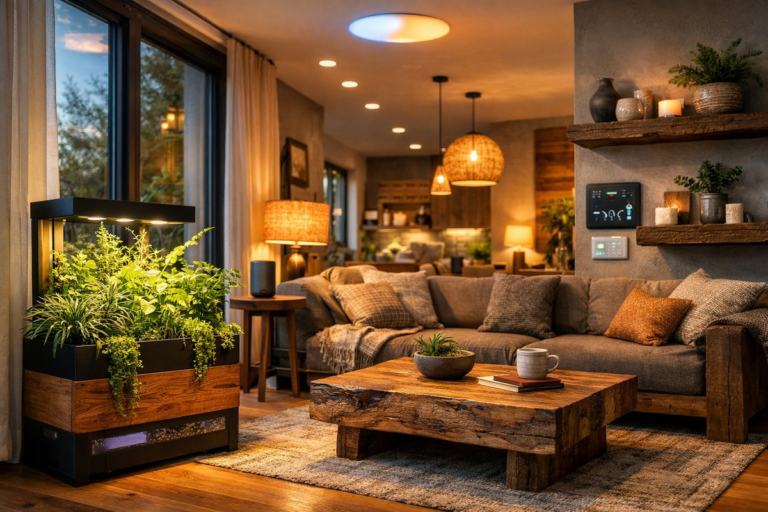
By integrating intuitive automation with sensory-rich materials, homeowners can craft spaces where technology fades into the background, leaving only comfort, beauty, and ease at the forefront. The true art of modern living lies in selecting upgrades that anticipate needs, paired with cozy essentials that celebrate texture, color, and human warmth. That is how a space becomes a sanctuary-an environment as attentive to the smallest comfort as it is responsive to life’s rhythms.