Location
Mount Vernon, WA 98274

Location
Mount Vernon, WA 98274

Discover how a wave of designers and makers are merging eco-conscious materials with striking accessories to create wardrobes that tell stories. These pieces blend craftsmanship, sustainability, and personal expression for a style that's as meaningful as it is eye-catching.
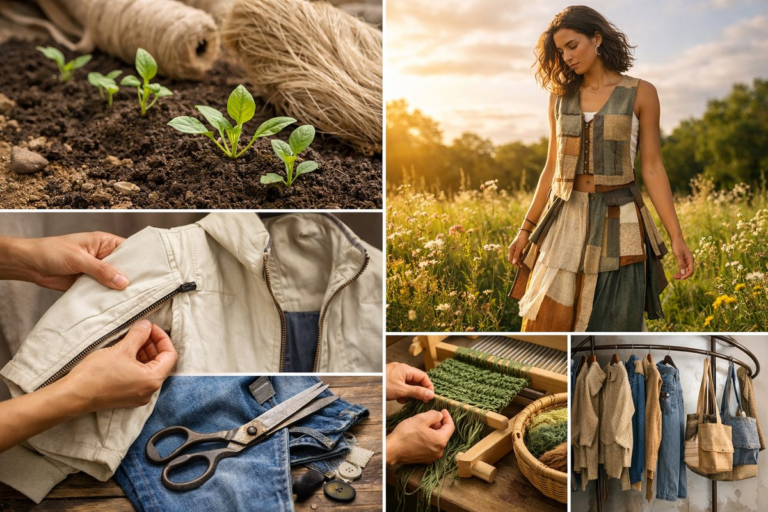
A transformation is underway in closets around the world. More than a passing trend, sustainable style has matured into a movement that extends beyond simple eco-friendly labels. It’s about forging connections between materials, makers, and meaning-and infusing everyday pieces with narratives that resonate. From regenerative cotton and tree-derived fibers to handmade metalwork and bold laser-cut leather, today’s wardrobes showcase values through every seam and accent.
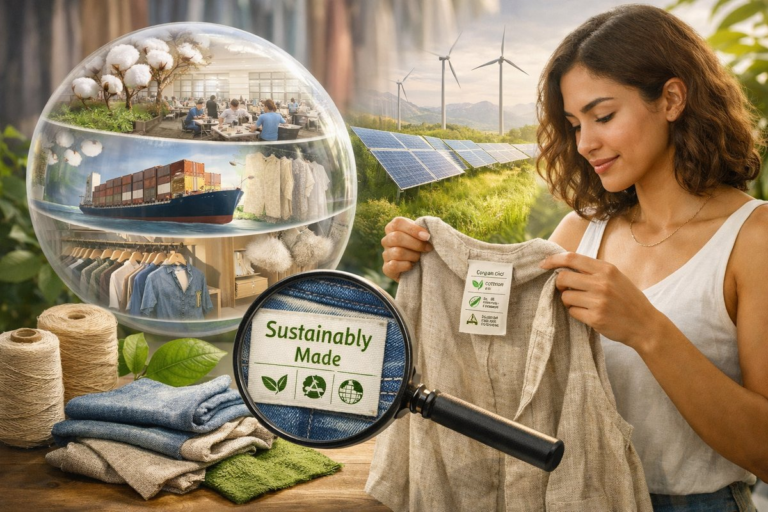
Once relegated to niche boutiques or high-end shows, earth-friendly fabrics have entered the mainstream. Advances in agricultural practices now allow small‐scale farms to produce organic cotton using agroecological methods that rebuild soil health and conserve water. Meanwhile, closed-loop lyocell and modal-fibers spun from sustainably managed wood pulp-offer soft drape and low-impact processing. A growing number of manufacturers are transforming ocean plastics into recycled polyester, giving discarded bottles new life as performance tees and bag linings. These fiber innovations demonstrate how circular design principles can extend a fabric’s story beyond its shelf life.
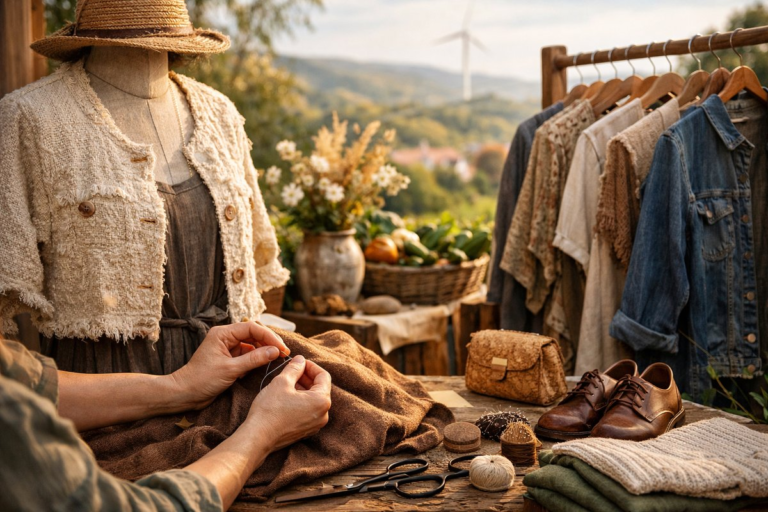
But sustainable threads alone don’t complete the picture. Bold accessories inject personality and purpose, acting as visual exclamation points. Artisans are handcrafting metal bracelets with ethically sourced brass, incorporating meaningful motifs inspired by local flora. Vibrant hair scarves printed on renewable silk carry motifs that celebrate heritage patterns-each knot evokes a connection to cultural roots. Statement belts made of off-cut leather pieces use zero-waste techniques, transforming what would otherwise be scraps into sculptural waistlines. The result? A harmonious blend of quiet, responsible textiles with accessories that speak volumes.
Part of this renaissance stems from a desire for deeper ownership of personal style. Consumers no longer see clothing as disposable. They’re curating wardrobes that reflect convictions-whether supporting regenerative agriculture or uplifting artisanal communities. Online platforms have proliferated marketplaces where independent designers share behind-the-scenes glimpses of fabric sourcing, dye kitchens, and local ateliers. This transparency fosters trust, turning shoppers into collaborators in a shared narrative. When you know the person who spun that yarn or hand-hammered that buckle, the piece feels imbued with purpose.
Beyond the narrative value, environmentally conscious design is finding new techniques that elevate both aesthetics and function. Zero-water dyeing systems use supercritical carbon dioxide to infuse color, eliminating water waste and reducing energy consumption. Plant-based mordants derived from citrus peels and nutshells create soft, organic color palettes that age gracefully. Laser-cut machinery allows intricate geometric patterns on cork leather and vegan suede, blending digital precision with natural textures. Each innovation underscores a broader principle: sustainability is not about compromising style but about unlocking new realms of design.
At the same time, these shifts have widened the creative possibilities for collaborations. Musical artists, street photographers, and illustrators are partnering with fabric houses to print limited-edition runs of scarves and pocket squares. Visual storytellers lend imagery that carries emotional weight-abstract brushstrokes, urban landscapes, or botanical studies-turning a simple accessory into a wearable canvas. These cross-disciplinary partnerships celebrate curiosity and experimentation, inviting admirers to collect pieces as they would art prints.
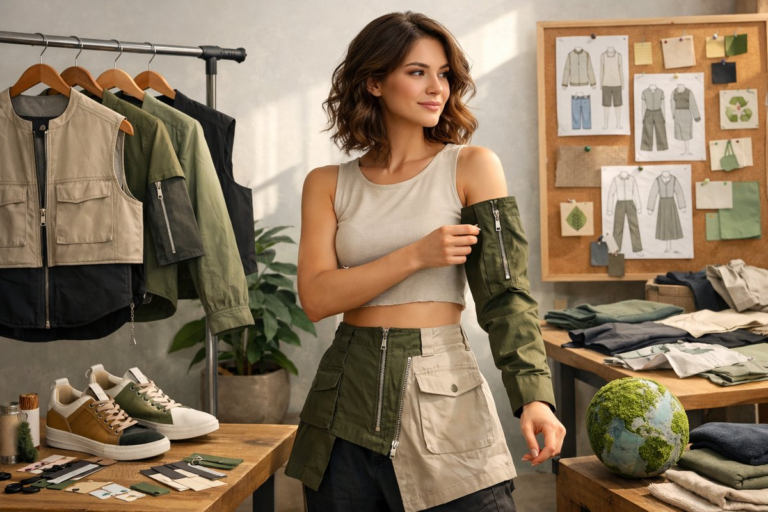
Given the proliferation of options, how can one build a cohesive yet expressive wardrobe? It starts with a foundation of responsible basics: a tee shirt in organic cotton, a pair of trousers in hemp-linen blend, or a shirt crafted from certified modal. These items serve as blank slates-durable, versatile, and aligned with eco-principles. From there, seasonal pulses can be infused through accent items: a dyed scrap-leather clutch, hand-woven belt, or a set of minimalist metal bangles. By limiting impulse purchases of trend-driven fast fashion and instead investing in standout accessories, the overall footprint shrinks while the visual impact grows.
This approach encourages intentional shopping rituals. Before adding a garment or accessory, pause to consider its entire lifecycle: Where did the raw materials come from? How transparent is the maker? Can the piece be mended, recycled, or upcycled? Does the design speak to your identity or spark genuine joy? Over time, each item becomes a chapter in a personal style memoir-a curated collection reflecting passions, travel memories, and cherished collaborations.
Retail experiences themselves are adapting to accommodate these values. Pop-up shops in repurposed shipping containers or renovated barn structures showcase local designers alongside global innovators. Shoppers can touch samples of regenerative cotton swatches, inspect the hand-woven construction of a straw hat, or test the patina potential of a vegetable-tanned leather cuff. Workshops hosted on site teach basic garment repairs-reinforcing the idea that clothing deserves care long after the purchase. These interactive moments elevate shopping from transactional to communal.
Challenges persist: scaling regenerative farming, reducing carbon footprints in shipping, and ensuring fair wages across supply chains. But collective action is paving the way forward. Brands are joining multi-stakeholder coalitions to map supply-chain emissions, commit to living wages, and pilot regional repair hubs. Research institutions are collaborating with fabric producers to engineer bio-based dyes that outperform synthetic alternatives in colorfastness. Even consumer-driven platforms facilitate clothing swaps, repair exchanges, and digital wardrobes that optimize garment usage over longevity. Each initiative underscores a powerful truth: sustainable style is a systems challenge that thrives on cooperation.
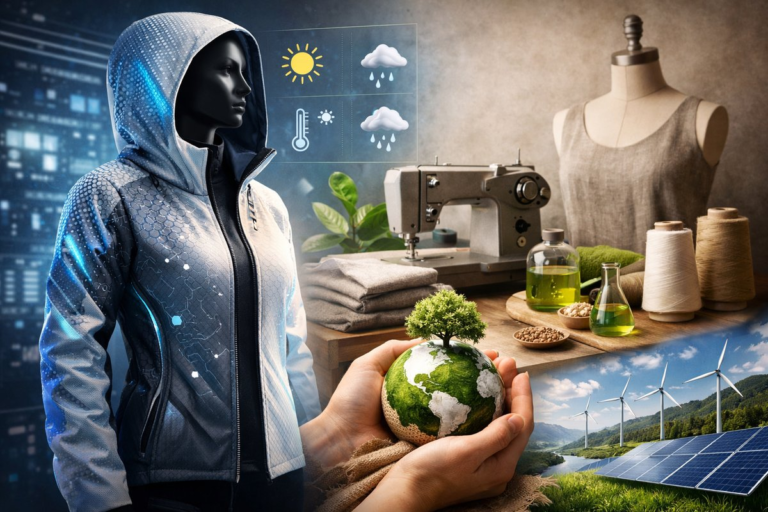
On the horizon, emerging technologies promise to broaden the sustainable style story. Biotechnology labs are exploring mycelium leathers grown from mushroom roots, offering leatherlike textures without animal inputs or heavy tanning chemicals. Smart fabrics with embedded biosensors could monitor wear and environmental conditions, informing circular take-back programs when a garment reaches the end of its usable life. Virtual try-on platforms using augmented reality reduce returns and associated waste. As creativity meets cutting-edge science, wardrobes of the future may blend regenerative materials, interactive elements, and a commitment to reuse.
Ultimately, the new fashion ethos centers on expression through ethics. When style and story intertwine, each piece becomes more than attire-it’s a beacon of values. A blouse made from recycled ocean plastics signals environmental stewardship. A hand-hammered cuff speaks to cultural appreciation. A tie-dyed scarf crafted in small batches celebrates artisanal expertise. Together, they compose a personalized lexicon of identity and intention.
Wear your values, and let every fiber and accent articulate your beliefs. In this era of conscious curation, the wardrobe transforms into a living gallery-one that champions sustainability, fosters connections, and elevates expression. Whether you’re slipping into a sheath dress spun from tree fiber or wrapping a vibrant scarf around your neck, remember this: fashion is no longer just about appearance. It’s about authorship, agency, and the stories we choose to tell through the clothes we cherish.
As you navigate this evolving landscape, seek pieces that align with your personal ethos and spark genuine delight. Your closet is an open invitation to articulate who you are-through color, texture, and technique. Embrace the journey of discovery as you weave your values into every stitch and accent. After all, style with substance isn’t just a passing vogue-it’s a lasting narrative that lives on long after the final wear.