Location
Mount Vernon, WA 98274

Location
Mount Vernon, WA 98274
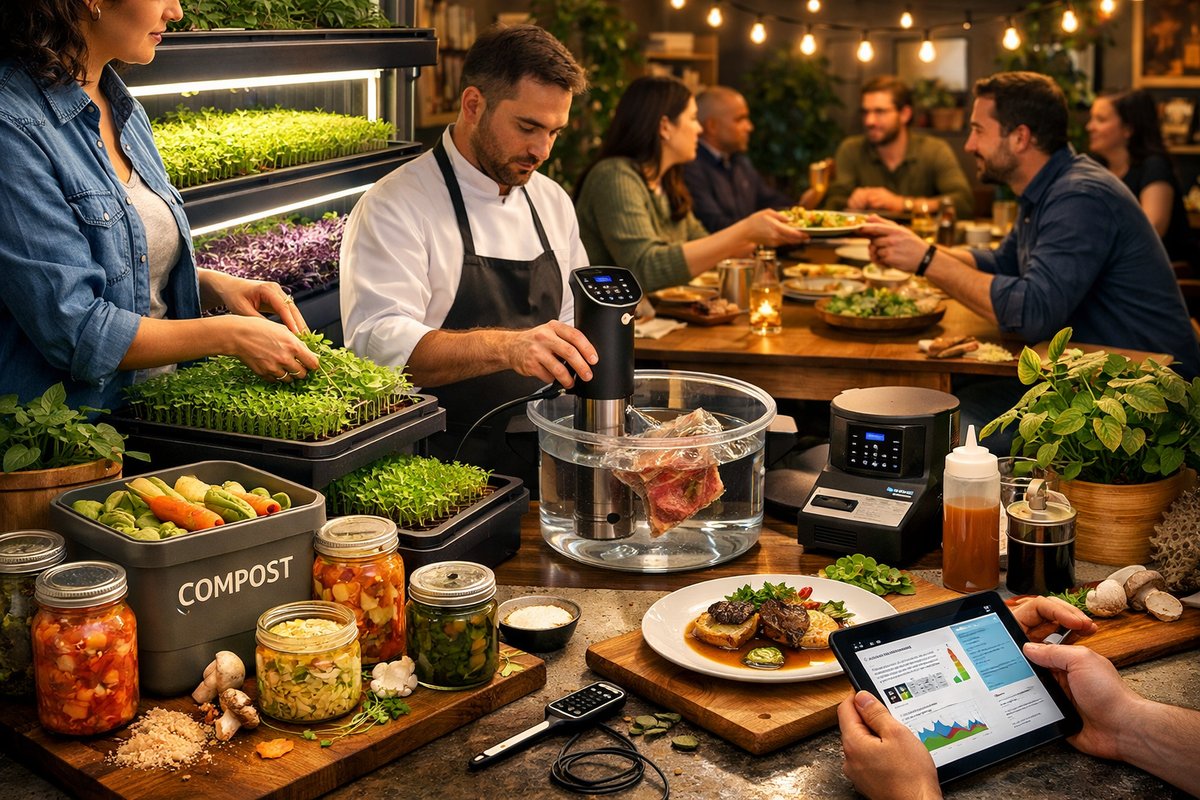
Home cooks, professional chefs, and curious food lovers are embracing a new era where culture, sustainability, and technology intersect. From backyard microgreens and zero-waste fermenting experiments to communal supper clubs and precision cooking, our kitchens are evolving into spaces of innovation and intimate connection.
In the past few years, the kitchen has changed from a private corner of the home into a laboratory of discovery and a stage for shared experiences. A renewed hunger for meaningful connection and respect for the planet has reshaped the way we source ingredients, prepare meals, and celebrate what’s on the table. Across urban rooftops, suburban backyards, and tucked-away community centers, people are exploring food traditions both new and ancient-then putting a modern spin on them. What emerges is an ecosystem of creative practice, cultural exchange, and ecological mindfulness.
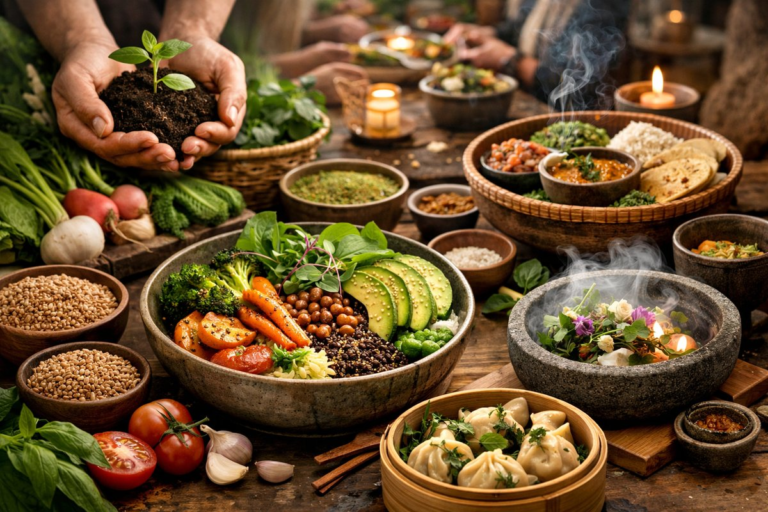
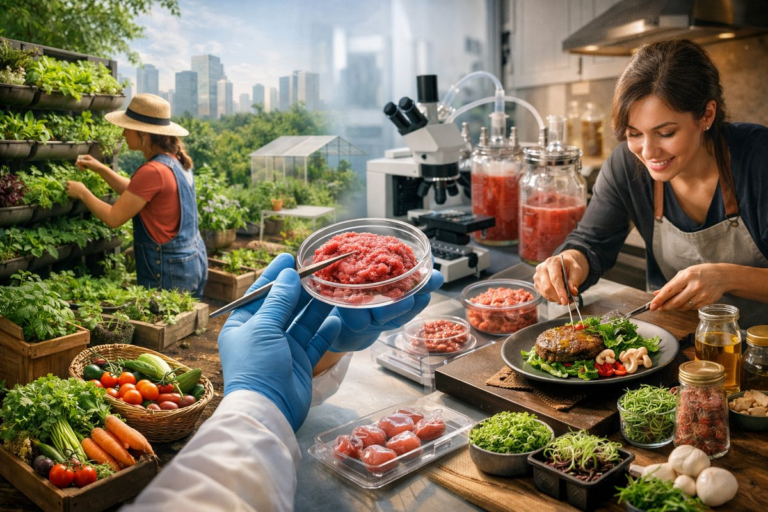
In city apartments, windowsill microgreen farms are flourishing. Enthusiasts nurture tiny leaves of basil, radish, and sunflower in mason jars, flooded with natural light and gentle mist. These tender shoots carry intense nutrients and flavor, transforming plain toast or salads into vibrant works of art. The simple act of growing microgreens becomes a ritual of daily observation, reminding cultivators that nourishment can spring from the most modest beginnings.
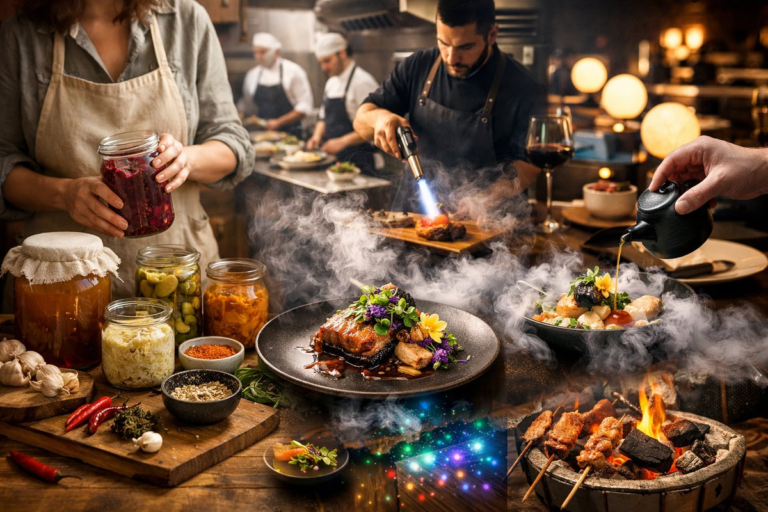
Meanwhile, the art of fermentation has moved beyond the basement sauerkraut jar into a mainstream conversation about gut health, food preservation, and taste transformation. Kitchen counters display crockery vessels brimming with kimchi, kombucha, and sourdough starters. Household fermenters experiment with locally foraged fruits, backyard garden produce, and even discarded vegetable stems. The bubbling jars are a testament to human curiosity and our ancient alliance with microscopic helpers. These living foods carry the dual promise of boosting well-being while stretching the boundaries of flavor.
Not far behind, the zero-waste movement is challenging cooks to see every peel, stalk, and seed as valuable. In place of tossing carrot tops or broccoli stems, enterprising home chefs pickle, puree, or blend them into pesto, broth, or nourishing dips. Citrus zest, once destined for the compost pile, finds new life atop cakes, whipped into compound butter, or stirred into cocktails. Stale bread metamorphoses into crunchy croutons or custardy bread pudding. With a digital kitchen scale poised at the ready, creative minds strive to minimize food waste and maximize each component’s potential-turning leftovers into opportunities for invention.
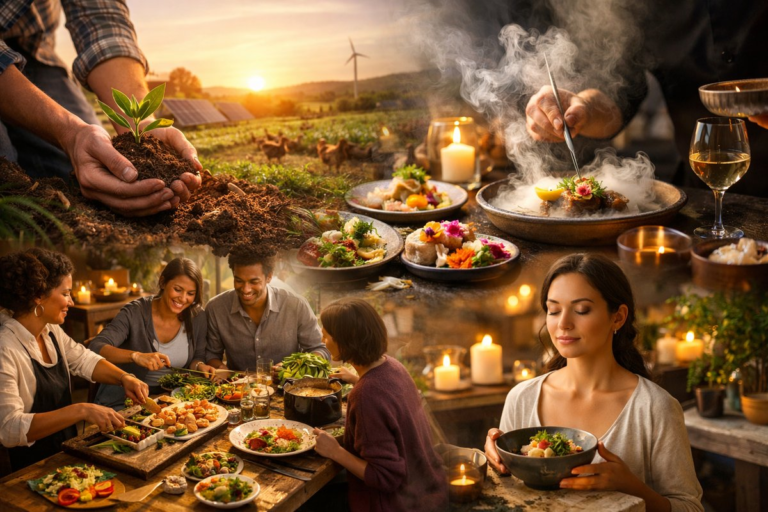
At the same time, communal dining is reclaiming its status as a cultural keystone. Neighborhood supper clubs have multiplied, convening inside private homes, pop-up venues, and under sky-lit tents in backyards. Hosts curate menus that weave through family recipes, immigrant traditions, and global inspirations. Strangers become friends over shared courses of mole-spiced pumpkin seed sauce, hand-rolled dumplings, or fragrant tagine. These gatherings celebrate the joy of breaking bread together, spotlighting how food can bridge divides and cultivate understanding.
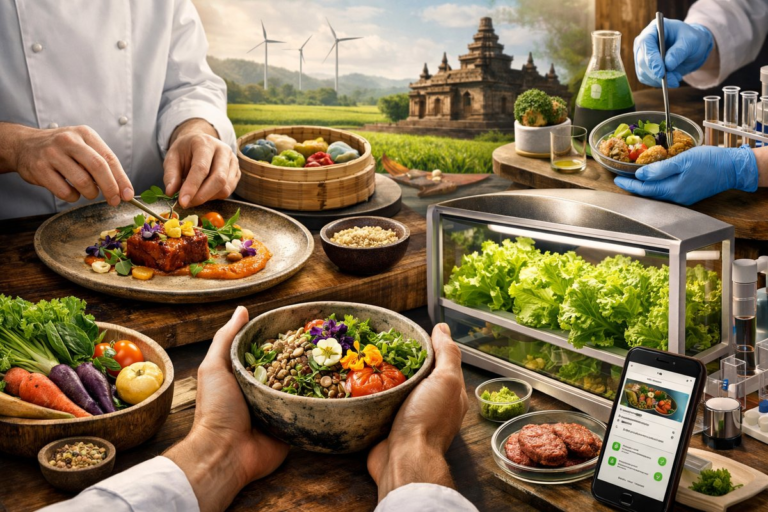
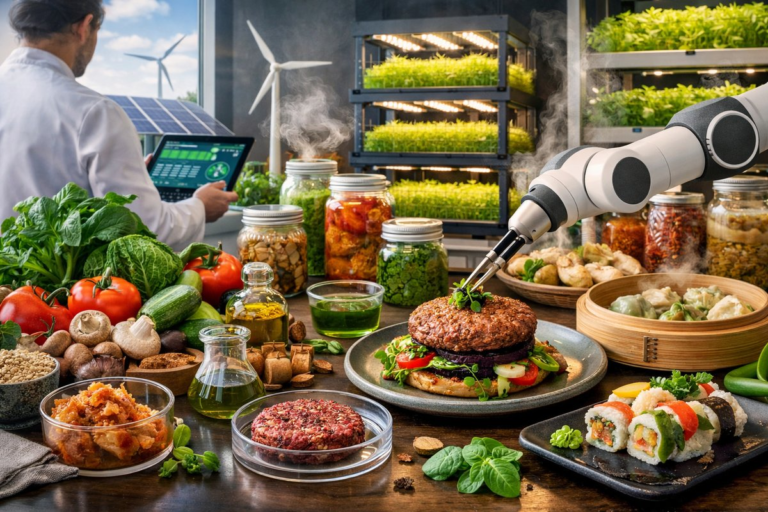
Behind the scenes, technology is quietly accelerating these culinary shifts. Affordable sous vide precision cookers let home cooks harness controlled-temperature water baths for restaurant-quality steaks, tender vegetables, and perfectly set custards. Immersion blenders speed up the process of turning roasted squash into velvety soup or whipping aquafaba into vegan meringue. Smart compost bins monitor moisture and airflow, transforming kitchen scraps into rich soil amendments for the next batch of edible greens. Apps provide guided tutorials on fermenting techniques, fermentation timers, and pH tracking, removing the intimidation factor and inviting anyone to tackle these projects.
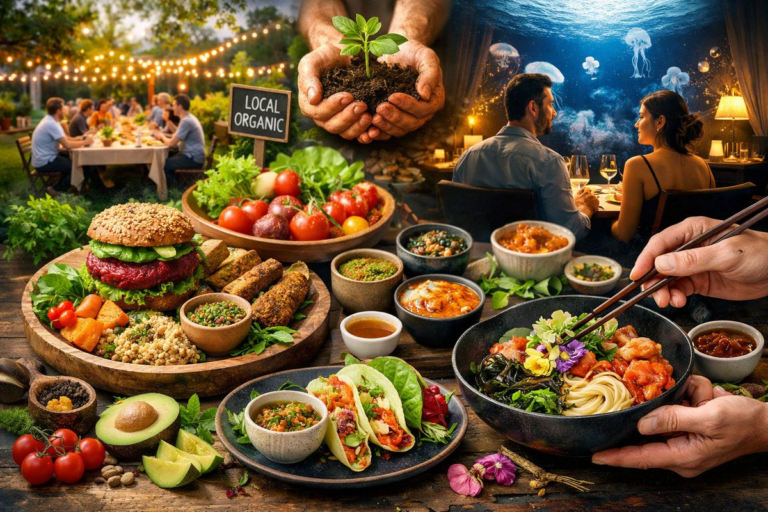
Cultural fusion continues to redefine our palates. Taco nights greet shakshuka sides; miso-marinated tofu finds its way into meatball subs; and Filipino ube desserts appear next to crème brûlée. Social media platforms fuel rapid culinary cross-pollination, circulating new formats like “pasta chips” and fusion ramen bowls in mere hours. In urban markets, vendors blend African grains, Latin American chiles, and Asian spices into hybrid street foods that feel both familiar and refreshingly novel. This ongoing remix honors the heritage of each tradition while celebrating the creative power of exchange.
Yet even as novelty flourishes, there’s a parallel longing for ancestral roots. Many cooks are rediscovering rites of passage passed down through generations: stone-ground corn tortillas, handmade cheese, ritual teas, or communal harvest feasts. These practices carry memories of celebration, resilience, and community. When a grandmother’s recipe emerges from stained index cards or a handwritten notebook, the result goes beyond flavor-it’s a thread connecting past and present, nourishing both body and spirit.
The restaurant world has taken notice, too. Chefs weave collaboration into their menus by highlighting local foragers, artisan producers, and neighborhood storytellers. Seasonal tasting menus might open with foraged chickweed crackers topped with fundraising honies, move onto vegetable broths sourced from undisposed produce, and close with sorbets made from gleaned orchard fruit. Sustainability extends from farm to fork, with compost partnerships, renewable energy installations, and ingredient resale programs keeping food circular.
But the culinary revolution isn’t reserved for professionals. At home, families are turning dinner time into a collective exploration. Kids press fingerprints into dainty sugar cookies, troubleshooting the only slightly too-runny icing. Teens lead spice-blending workshops for their siblings, inventing new themes each week-cocoa-chile rubs, za’atar-lemon salts, harissa-honey sauces. Grandparents Skype in to narrate the story behind a signature soup recipe. Every pot stirred embodies a lesson in patience, adaptability, and the simple joy of creating something to share.
Education plays a pivotal role in sustaining these trends. Community kitchens double as classrooms, teaching knife skills, fermentation basics, and the chemistry of emulsions. Farmers markets host pop-up demo booths where visitors learn how to balance umami, develop a homemade sourdough starter, or master the art of rolling dumplings. Digital forums host video chats with trailblazing producers: zero-waste caterers, solar-powered greenhouses, or pioneering regenerative farmers. Armed with new knowledge, more people feel empowered to experiment and innovate.
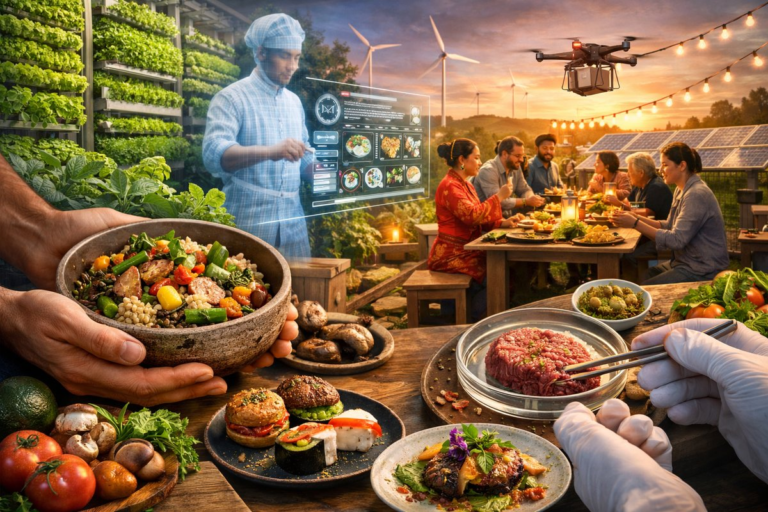
As we look ahead, the bond between food and culture will only deepen. Advances in vertical farming promise year-round microgreen abundance, while home energy-efficient dehydrators open doors to homemade jerky and fruit leathers. At the same time, ancient rituals-like outdoor communal ovens and buried fermentation pits-are finding revived purpose on festival grounds and eco-retreats. The question we collectively tackle isn’t just what’s for dinner tonight, but how our shared meals can heal fractured communities, nurture our planet, and spark fresh curiosity in the next generation.
Ultimately, today’s culinary landscape is woven from threads of sustainability, curiosity, and emotional intelligence. Every morsel carries a story and every recipe holds potential for connection. Whether you’re sowing seeds in a windowsill or inviting friends to a zero-waste supper club, embracing these food trends is about more than taste. It’s about recognizing that the act of feeding ourselves-and one another-is an act of profound cultural creation.
Join the movement. Celebrate the humble microgreen as much as the elaborate multi-course feast. Honor your great-grandmother’s brine recipe alongside your neighbor’s latest fermentation experiment. Let your kitchen be a canvas, your ingredients be your palette, and your shared meals be the masterpiece that binds us all across tables, stories, and seasons. Delicious discoveries await.