Location
Mount Vernon, WA 98274

Location
Mount Vernon, WA 98274
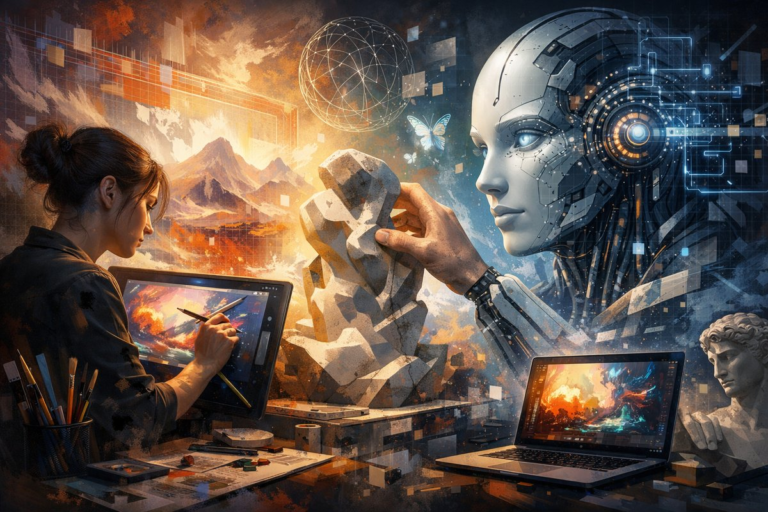
A new exhibition blends traditional painting, digital projection and recycled materials to explore environmental resilience and emotional connection. Visitors contribute their own sketches and data to a living installation that fuses analog craft with generative AI, challenging notions of authorship and sustainability.
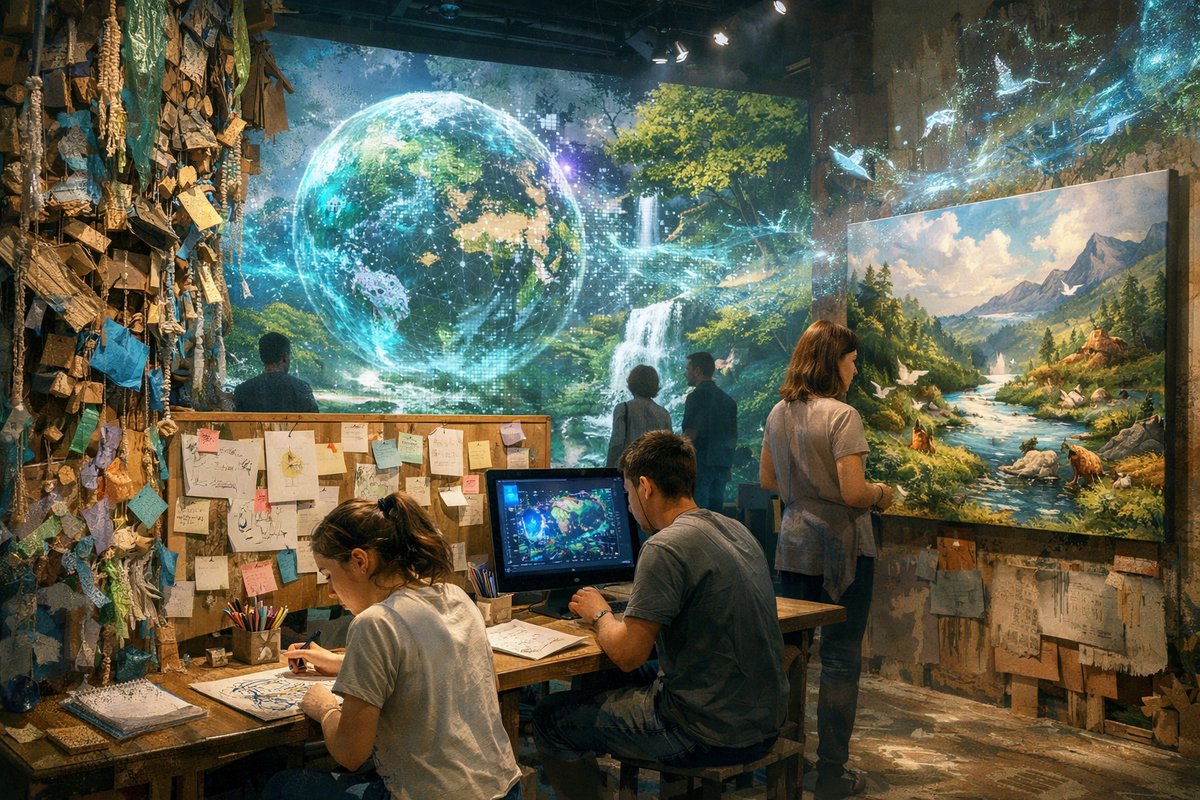
Upon entering the atmospheric hall, visitors are greeted by a kaleidoscope of shifting light and texture. Layers of projected imagery dance across canvases crafted from recycled fibers, while clusters of paint-splattered tables invite onlookers to pick up a brush and make their mark. The show unfolds like a living painting, constantly evolving as guests contribute to both physical and digital canvases.
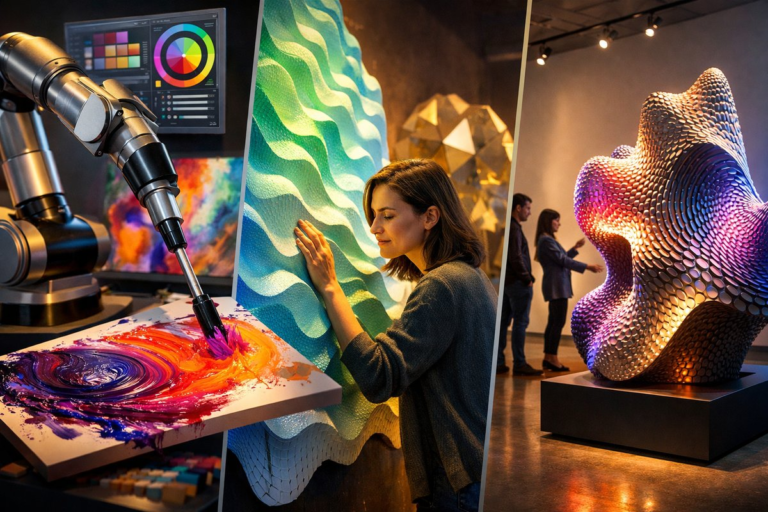
The exhibition, organized by an international collective of artists and designers, positions sustainability and emotional intelligence at its core. It rejects the clean divide between high-tech and handmade, weaving digital projection mapping with archival-quality pigments in a celebration of material dialogue. Each installation responds to visitor interaction, echoing the organic rhythms of environmental systems.
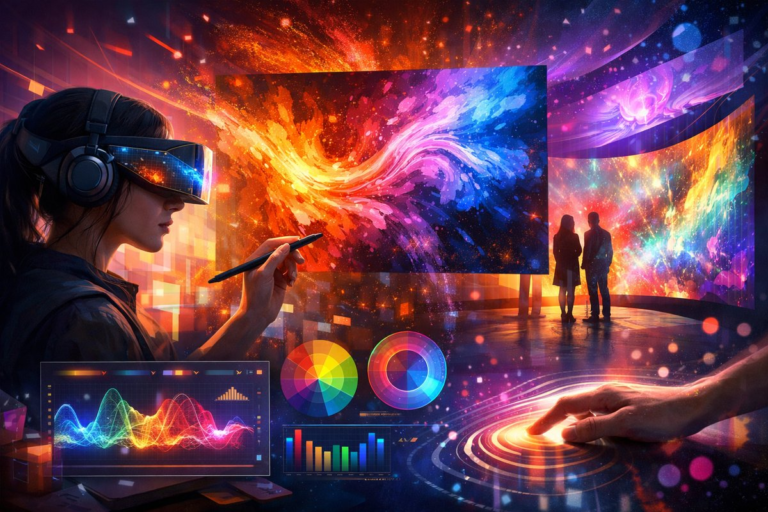
One standout piece features a wall-sized collage of weathered paper and bioplastic scraps beneath a network of projected data streams. Real-time visualizations of local air quality, carbon emissions and water usage ripple across the surface. Participants can scan QR codes to add their own data points, watching the collage shift in hue and form. The artwork becomes a communal barometer, reflecting both collective impact and individual agency.
Scattered throughout the space are analog stations stocked with professional sketchbooks and water-based inks. Guests are encouraged to sketch fragments of the digital displays and paste them onto a shared mural. That mural, in turn, is captured by overhead cameras and fed into a generative AI algorithm that reinterprets visitor contributions as abstract patterns projected back onto the gallery walls.
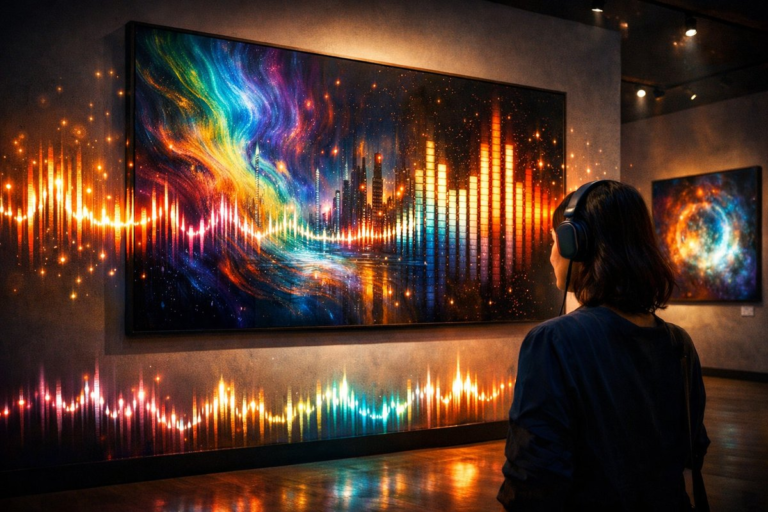
Curators describe the process as ‘a dialogue between intention and chance.’ A gently undulating soundtrack, composed from field recordings of urban birdsong and distant thunder, underscores the immersive environment. The result is neither strictly digital nor purely handmade, but an in-between realm where imperfection and algorithmic order coalesce.
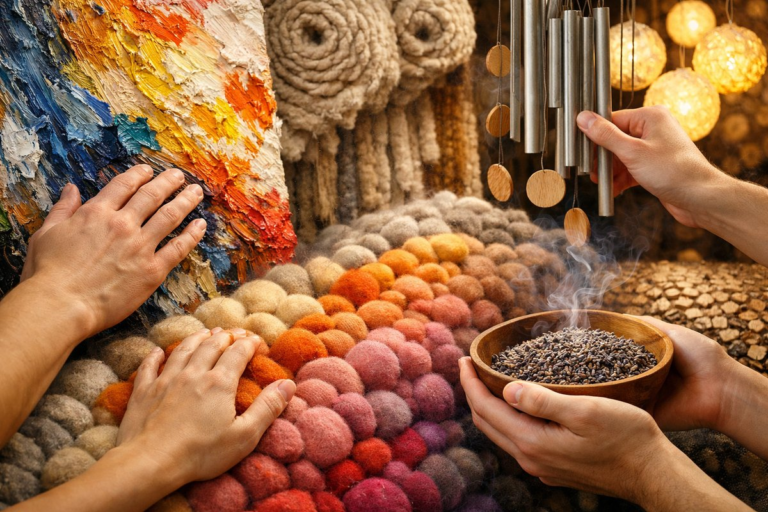
Across the room, a set of low-slung benches surrounds a communal drafting table fashioned from reclaimed wood. Here, designers tinker with biodegradable pigments, mold pressed-paper sculptures and experiment with eco-resin adhesives. A soft LED glow highlights minute details-brushstrokes, paper grain, underlying wood knots-underscoring the tactile qualities of each piece.
The show’s design philosophy leans heavily on emotional intelligence as a creative catalyst. Visitors report feeling a heightened sense of empathy as they witness others’ contributions layered onto their own. The act of sketching alongside strangers dissolves barriers, turning the gallery into an incubator of spontaneous collaboration.
Artist statements placed beside each work emphasize the importance of context. Many creators sourced materials from local waste streams-urban leaf litter, driftwood, discarded textiles-underscoring how art can reclaim what society deems worthless. Viewers learn that a single plastic fragment can be dissolved, repurposed and reincarnated as a translucent sculptural shard.
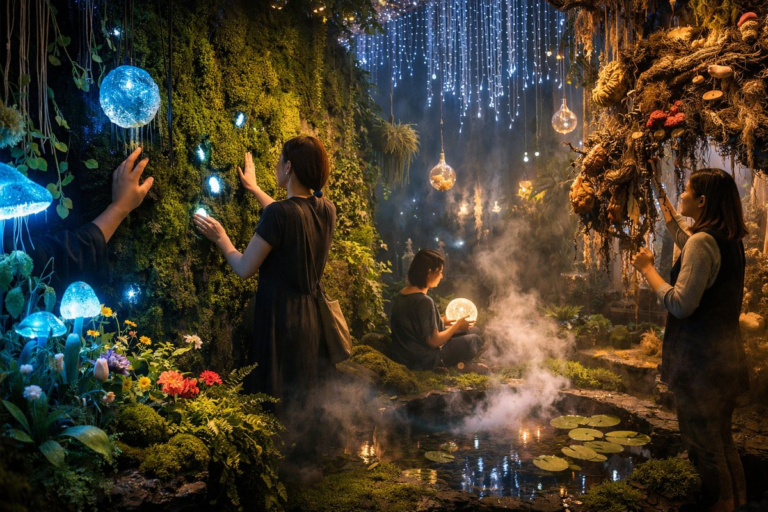
In a darker corner of the exhibition, a digital alcove challenges visitors with a simulation of rising sea levels. A narrow platform encircling a shallow basin allows guests to float paper boats inscribed with personal reflections. As the water level slowly rises, the boats warp and dissolve, echoing the vulnerability of coastal communities. The effect is at once poignant and educational.
Lighting design plays a crucial role throughout. Adjustable track lights shift from warm amber to cool white, guiding attention and adjusting the mood from contemplative to animated. Panels of programmable LEDs respond to crowd density, flickering gently as more people gather in front of a particular work. This feedback loop between viewer presence and ambient illumination heightens the sense of shared responsibility.
Technologists on site operate a bank of rendering stations that drive the projection arrays. They monitor visitor contributions, tweak color balances and ensure that generative patterns remain legible. Onlookers can peek behind the curtain, watching technicians fine-tune kernels of code that morph realist sketches into fractal motifs.
Despite the high-tech infrastructure, the exhibit leaves space for quiet reflection. Along a side corridor, framed sheets of hand-drawn studies hang like botanical prints. Viewers see close-up explorations of leaf venation, spray-pattern experiments and pigment soak tests. Those studies serve as a reminder that even in an era of digital excess, the fundamentals of observation and mark-making remain essential.
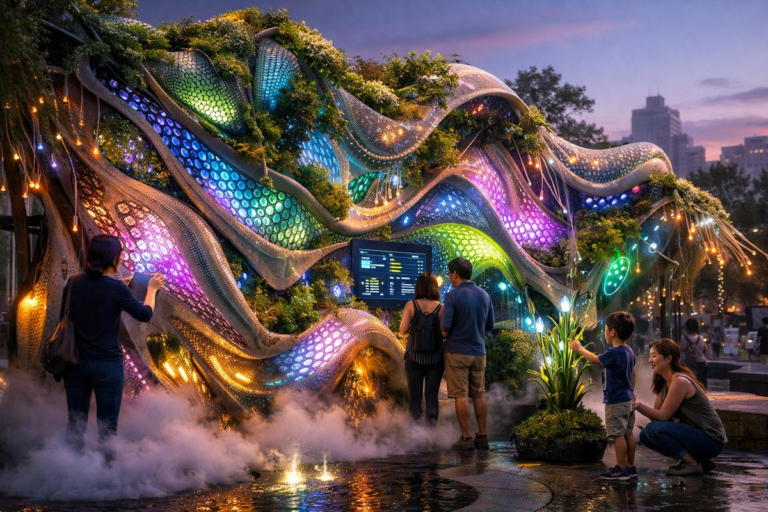
The show extends beyond the museum walls with a mobile pop-up that travels to parks and community centers. There, portable projection units and pop-up sketch stations invite passersby to join the creative exchange. The collective hopes this decentralized approach will dissolve the mystique of galleries and foster inclusive participation.
Feedback from early visitors has been overwhelmingly positive. Many credit the exhibition with sparking new perspectives on materials they encounter daily-plastic packaging, coffee cups, torn receipts-and inspiring them to consider reuse in their own creative routines. Others speak of forging unexpected connections with fellow attendees over shared doodles and data points.
For novice designers, the hybrid format offers an accessible entry point. Traditional art supplies sit side by side with touch-enabled projection pads, making it easy to switch between mediums. The learning curve feels gentle, with intuitive prompts guiding users through each step of the creative cycle.
As the exhibition draws new crowds each week, the collaborative mural has grown into a sprawling tapestry of layered ideas. The generative AI component continually reinterprets past contributions, creating an ever-evolving meta-canvas. Curators note that this living archive captures a collective memory-fleeting impressions transformed into lasting patterns.
Ultimately, the exhibit invites a rethinking of authorship and material value. By blurring the lines between crafted artifacts and digital simulations, it challenges visitors to see creativity as a shared resource. The message is clear: sustainability and emotional connection can flourish when technology and tradition converge in open-ended conversation.
Those seeking inspiration for their own practice can draw from the show’s emphasis on iterative play, cross-disciplinary dialogue and responsible sourcing. Whether sketching in a recycled-paper notebook or experimenting with digital brushes, the tools for collective creativity are within reach.
As you step back into the brisk air outside the gallery, the echo of shifting projections lingers in your mind. The interplay of pixels and pigments has reframed your sense of possibility, leaving you eager to explore new ways of making meaning and mending the world through art and design.