Location
Mount Vernon, WA 98274

Location
Mount Vernon, WA 98274

As congregations across regions open their doors again, Christians are weaving personal reflection into communal worship. Innovative prayer circles in parks, faith journaling workshops, and digital devotion gatherings are defining a fresh chapter in spiritual practice.
In neighborhoods from small towns to bustling cities, a new pattern is emerging among Christian communities: a blend of intimate devotion and courageous renewal. After years of disrupted routines, congregations are reimagining how they live out their faith-balancing the timeless rituals of hymn-singing and Scripture reading with creative approaches to personal reflection and environmental stewardship.
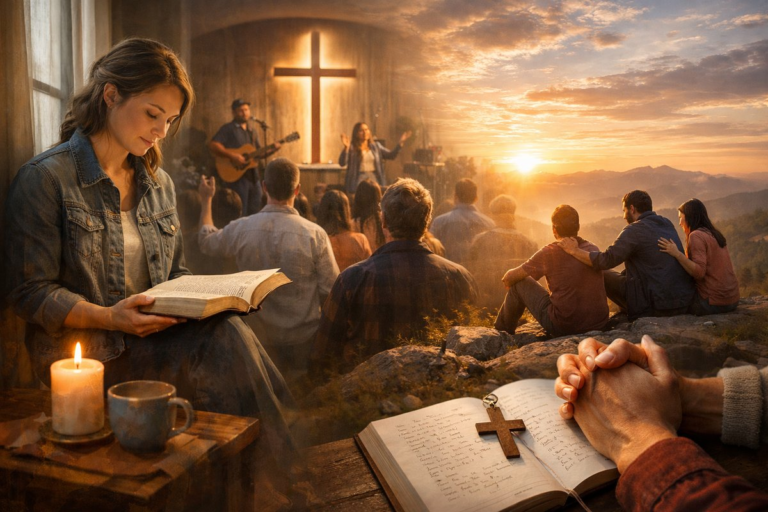
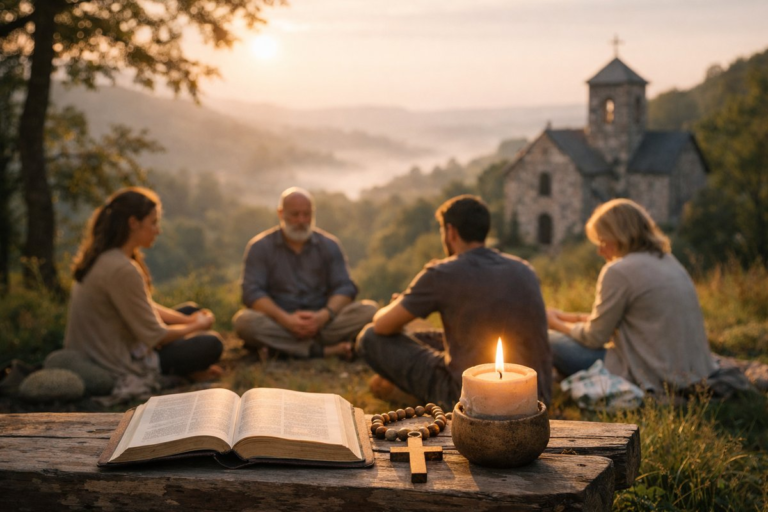
During an early morning gathering in a city park, a dozen worshipers form a loose circle beneath a grove of oaks. They open leather-bound journals and share reflections on a passage from Isaiah before pausing for a moment of silent prayer. This scene, repeated in dozens of locations, captures a growing trend: believers stepping outside church walls to cultivate spaces of quiet courage.
“Gathering in nature helps us remember God’s presence beyond bricks and stained glass,” says one participant, speaking on behalf of the group. “There’s something restorative about reading Scripture under an open sky.”
Pew Research Center data shows that nearly two-thirds of Christian adults report a renewed commitment to daily devotional practices since community gatherings were interrupted. From video prayer calls to neighborhood hymn sings, congregations discovered fresh ways to connect. Now, those experiments are blending into long-term habits.
Ministries are offering faith journaling workshops to guide beginners through reflective writing. Leaders encourage participants to record prayers, list daily gratitudes, and sketch spiritual insights. “Writing forces us to slow down,” notes a workshop facilitator. “It’s a discipline of presence.”
At several denominations’ community centers, study groups are diving deep into thematic Bible studies on themes such as resilience, forgiveness, and creation care. Facilitators equip attendees with highlighter pens and annotated printouts, inviting conversations around passages that have inspired social justice efforts and environmental projects.
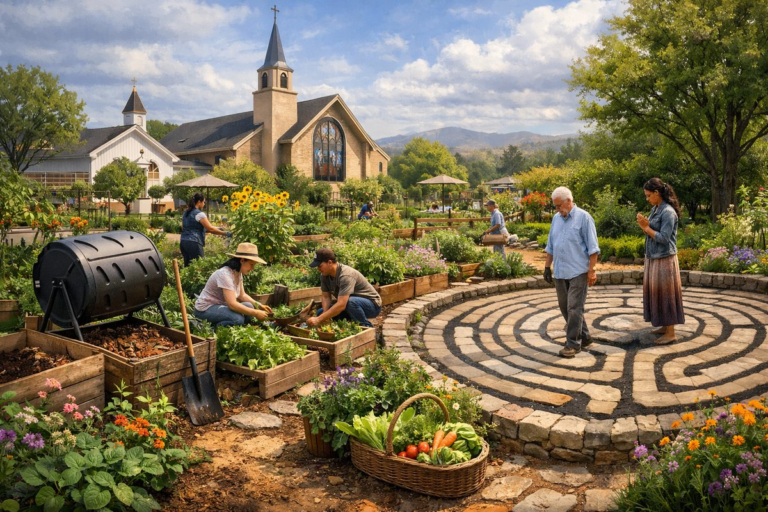
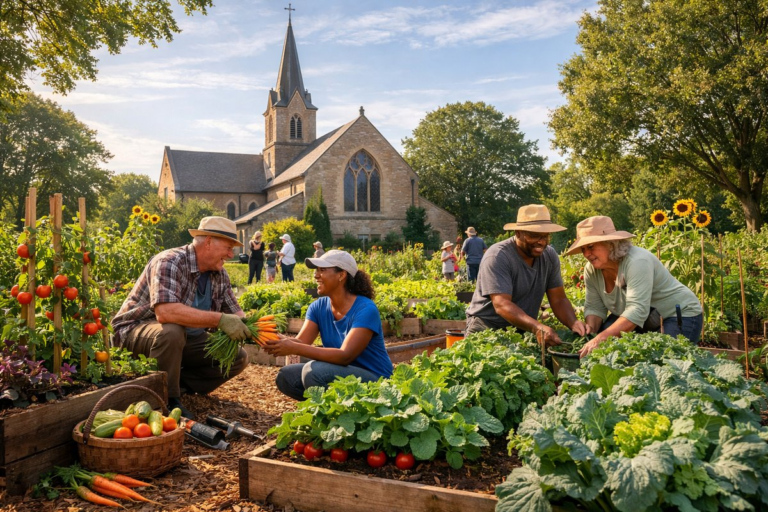
One interdenominational coalition launched a “Roots & Renewal” series this spring, inviting congregants to plant native wildflowers in donated urban plots. The initiative pairs Scripture readings on stewardship with hands-on gardening. Participants carry small spades and wear light jackets, ready to break ground.
Environmental advocacy has long been part of Christian tradition-from stewardship theology to creation care movements-but the latest wave emphasizes local impact. Clean-water drives at neighborhood creeks, monthly park cleanups, and energy audits at church buildings are now regular bulletins on congregational newsletters.
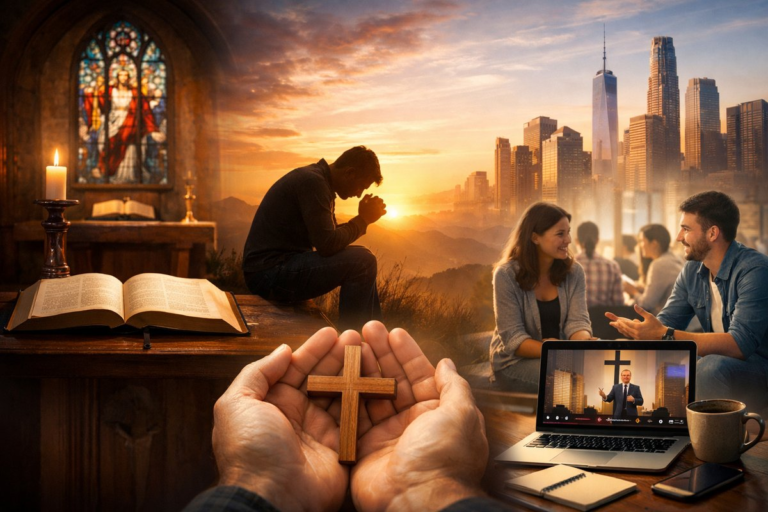
Meanwhile, technology remains a key companion. Worshipers who once only used tablets during Sunday services now maintain digital prayer groups through messaging platforms. These private channels, moderated by lay volunteers, share morning reflections, prayer requests, and Scripture verses. “It’s like having a daily lectionary in your pocket,” says one digital group moderator.
To accompany these shifts, individuals are investing in tools for focused devotion. Study Bibles with cross-reference features find their way to community lending shelves. Portable LED lights clip onto reading materials for evening reflections. And many seek noise-canceling earbuds or small Bluetooth speakers to listen to sermons while walking or commuting.
Coffee fellowship remains a cherished staple. Recently, several congregations introduced “coffee and conversation” stands outside service entrances, offering travel mugs of brewed blends to members. This simple ritual-steaming cups passed from hand to hand-cements friendships formed during pandemic isolation.
Clergy and lay leaders emphasize that the movement isn’t about flashy innovation but about aligning daily rhythms with faith. “We’re cultivating habits of prayer, gratitude, and justice,” explains a pastor who helped launch a weekly prayer walk along a riverbank. “It’s less about big events and more about sustainable practices.”
The cultural footprint of this quiet renewal is visible: local parks echo with gentle singing; neighborhood bulletin boards advertise devotion nights; social media feeds brighten with sunrise prayers and eco-pledges. Even families at home find new patterns-children coloring illustrated Scripture cards before bedtime, parents lighting digital candles during mealtime blessings.
Seminaries and theological schools have taken note. Courses on spiritual formation now include modules on outdoor liturgy and digital community-building. Professors collaborate with environmental scientists to teach congregants how to measure and reduce carbon footprints as a form of faithful stewardship.
Critics worry about dilution-fear that devotional pockets outside church might weaken corporate worship. But proponents see a complementary relationship: personal devotion fuels communal gatherings, and vice versa. “When I journal in the park, I bring fresh questions to the pulpit,” says one attendee. “It transforms the sermon into a living conversation.”
National faith organizations are hosting conferences on these emerging practices, featuring panels on everything from faith-based urban farming to guided prayer apps. Exhibit halls showcase reusable water bottles with Scripture verses, illustrated pocket calendars, and book stands tailored for Bible study.
As summer approaches, communities plan outdoor hymn festivals and art installations inspired by biblical themes. Musicians arrive with hand drums and stringed instruments, inviting congregants to improvise spontaneous worship. Nearby, volunteers hand out study guides printed on recycled paper.
Analysts note that this blend of tradition and innovation mirrors broader cultural currents: a desire for authenticity, connection with nature, and mindful living. “People are drawn to experiences that engage the whole person-heart, mind, body, and earth,” says a sociologist studying religious trends.
Ultimately, the movement underscores a core Christian conviction: faith is not contained within buildings but flows into every aspect of life. Whether gathering around a meal, walking a neighborhood trail, or opening a journal at dawn, believers are embracing practices that foster inner strength and outward compassion.
As nighttime candles glow in windows across towns, and smartphone screens display evening devotionals, one fact remains clear: Christianity’s next chapter is being written one quiet moment at a time.
In this season of renewal, communities are discovering that quiet courage-rooted in prayer, reflection, and action-can reshape both hearts and neighborhoods. The road ahead may wind through urban parks, kitchen tables, and digital spaces, but the journey is united by a shared commitment to live out faith in every dimension of life.