Location
Mount Vernon, WA 98274

Location
Mount Vernon, WA 98274
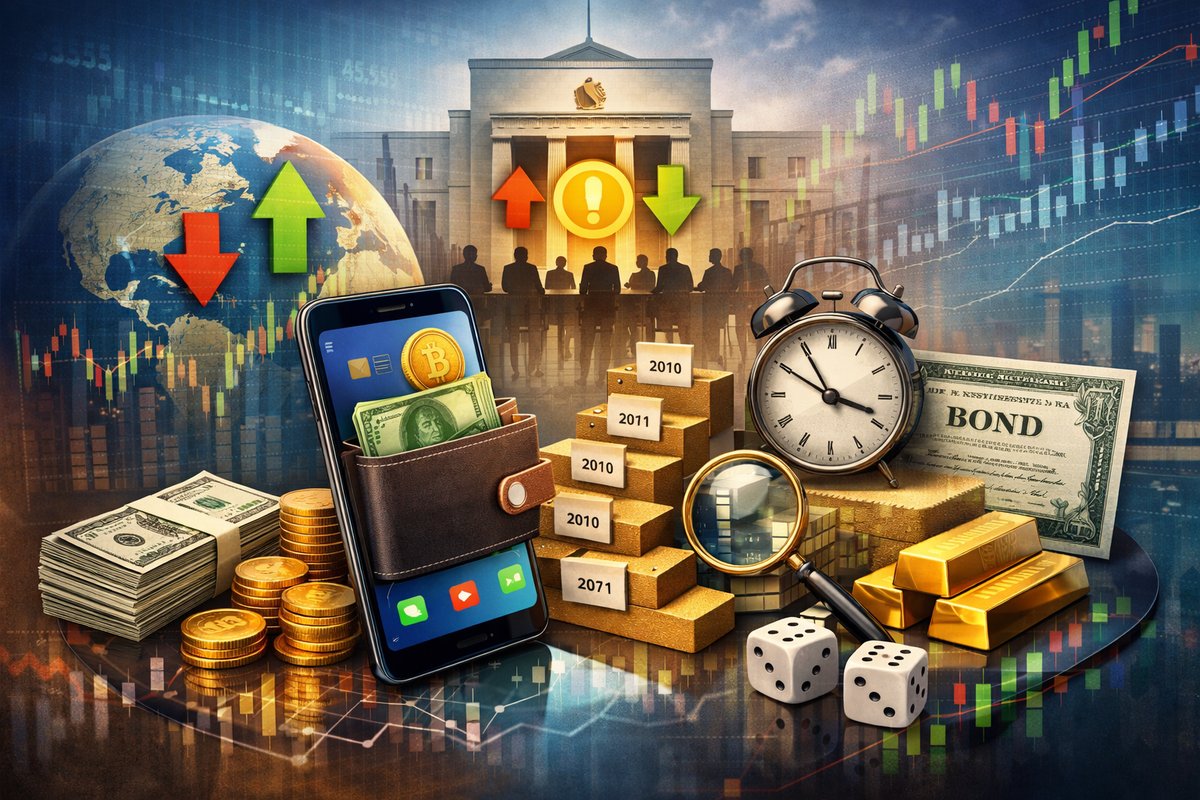
Global policymakers have paused rate moves amid mixed signals on growth and inflation, leaving households and markets to adapt in real time. From digital wallets to bond ladders, everyday savers and traders alike are rethinking strategies to protect purchasing power and seize opportunities.
Financial markets entered a delicate phase this week as major central banks opted to maintain benchmark interest rates, citing uneven progress on inflation and persistent uncertainty around global growth. The pause in rate increases comes after more than two years of aggressive tightening that lifted borrowing costs for businesses and consumers alike. Policymakers now face a balancing act: tempering price pressures while avoiding a severe economic slowdown.
Inflation remains stubbornly above target in many regions, particularly in services such as housing, healthcare, and education. Shelter costs continue to drive headline inflation, even as energy prices moderate from last year’s peaks. Grocery bills are edging higher in some markets, and supply chain disruptions linked to geopolitical tensions keep input costs elevated. At the same time, wage growth in certain sectors has begun to cool, suggesting that labor markets may be loosening after a prolonged period of tightness.
On the consumer front, households are adjusting discretionary spending to offset rising essentials. Many are extending the duration of existing low-rate mortgages rather than refinancing at higher levels. Auto sales have dipped as loan rates climbed, prompting buyers to shop the used-car market or tap home equity lines of credit. Personal budgets have become a practical frontier for innovation: mobile apps that track real‐time spending, automated round-up savings features, and subscription analysis tools are gaining traction among digitally savvy savers.
Digital currencies are another emerging theme in this evolving landscape. Central bank digital currencies (CBDCs) are under active exploration in several economies, ranging from pilot programs for retail wallets to wholesale platforms for interbank settlements. Meanwhile, privately issued stablecoins continue to expand in use cases such as cross-border remittances and decentralized finance. These developments are prompting regulators and financial intermediaries to rethink payment rails, compliance frameworks, and consumer protections for a world where central bank money could circulate on blockchain networks.
Investor sentiment has been equally nuanced. Bond traders have been reassessing yield curves after an inversion earlier in the year signaled recession risk. The spread between short-term and long-term yields has normalized somewhat, but overall debt markets remain volatile as rate expectations shift with economic data releases. For income-focused portfolios, a laddering approach to certificates of deposit and Treasury securities has regained favor, allowing laddered maturities to capture higher coupons while retaining liquidity.
Equity markets have also seen a rotation from high-growth technology names into sectors viewed as more resilient amid macro uncertainty. Energy, utilities, and consumer staples stocks have outperformed cyclical sectors in recent weeks, reflecting investors’ search for defensive positioning. At the same time, emerging market equities are attracting interest, particularly in economies that are benefiting from lower commodity costs and gradual policy easing.
Retail participation in stock trading remains elevated, powered by commission-free platforms and social media discourse. Fractional-share investing has lowered the barrier to entry for those with modest savings, enabling small allocations to high-valuation companies. But advisors caution against concentration risk: building a diversified core portfolio of low-cost index funds can help mitigate volatility and align with long-term goals.
The under-30 demographic in particular has embraced digital-only banking and wealth apps, often integrating budgeting tools, investment features, and credit management in a single interface. This all-in-one approach appeals to users seeking simplicity and customizable alerts for spending thresholds. Gamification elements-such as saving streaks and milestone badges-serve as behavioral nudges to foster consistent saving habits.
Sustainable investing is also climbing the agenda. Environmental, social, and governance (ESG) funds have attracted record inflows this quarter, as investors look to align portfolios with climate goals and social impact objectives. Yet the surge in ESG products has triggered debates over transparency and measurement standards, with regulators proposing stricter disclosures to combat greenwashing.
For those balancing activism and returns, strategy matters. Sector-tilt approaches that overweight renewable energy and exclude high-emitting industries can offer a targeted way to express values. Thematic ETFs focusing on clean technology, water management, or sustainable agriculture provide a narrower lens but may carry higher expense ratios. Investors should weigh the trade-off between thematic concentration and core allocation in a long-term plan.
On the debt side, municipal bonds are reclaiming attention from income-hungry investors. State and local debt offers tax-advantaged income in many jurisdictions, and credit quality has held up well despite pandemic-era fiscal strains. Laddered municipal bond portfolios can deliver steady coupon payments and help cushion portfolios against inflation, particularly when yields exceed after-tax returns on comparable corporate debt.
Real estate also remains a pillar of diversification. While home prices have cooled in overheated markets, rental demand stays strong in urban centers and college towns. Multi-family REITs and real estate ETFs offer publicly traded exposure to property markets without the hassles of direct ownership. Investors should monitor regional supply trends, vacancy rates, and interest rate pathways when allocating to property-related securities.
Amid this intricate backdrop, personal financial planning retains its fundamental role. A holistic approach begins with clear goals-whether building an emergency fund, saving for a down payment, or planning for retirement-and then mapping out a realistic timeline. Stress-testing a budget for scenarios such as job loss or unexpected medical costs can reveal hidden vulnerabilities before they become crises.
Tax planning is another crucial dimension. Strategies such as maximizing contributions to tax-deferred retirement accounts, utilizing health savings accounts for medical expenses, and timing capital gains realizations can yield meaningful benefits. Coordinating with qualified advisors or leveraging specialized tax-optimization software can help individuals and small business owners navigate ever-evolving regulations.
As central banks await further data, the global economic outlook remains mixed but far from bleak. Moderating inflation and resilient consumer spending create windows of opportunity for disciplined investors. For households, the challenge is to harness both traditional and digital tools to build financial resilience-curating emergency cushions, diversifying income streams, and embracing automation where it simplifies decision-making.
Looking ahead, the interplay between monetary policy, technological innovation, and regulatory developments will continue to reshape the financial ecosystem. Whether through CBDCs, AI-driven analytics, or next-generation trading platforms, the next wave of change promises to deliver new ways for individuals to steward their resources. In the meantime, grounding decisions in core principles-budgeting clarity, diversified investing, and long-term perspective-remains the surest guide through shifting markets.